Sterling Highway Access on the Kenai
The Sterling Highway, a critical artery slicing through the heart of the Kenai Peninsula, often appears to new hunters like a direct pipeline to Alaska's abundant game. Yet, the reality on the ground is far more nuanced, presenting a complex mosaic of land ownership, varying regulations, and a significant amount of recreational pressure. Many hunters arrive, eager to explore, only to find themselves confused by "No Trespassing" signs or unsure if they've strayed onto federally managed land with different rules. This guide is designed to demystify hunting access along the Sterling Highway, helping you navigate the patchwork of properties and regulations to plan legal and successful hunts on the Kenai Peninsula.
Understanding the Sterling Highway's Unique Role in Kenai Access
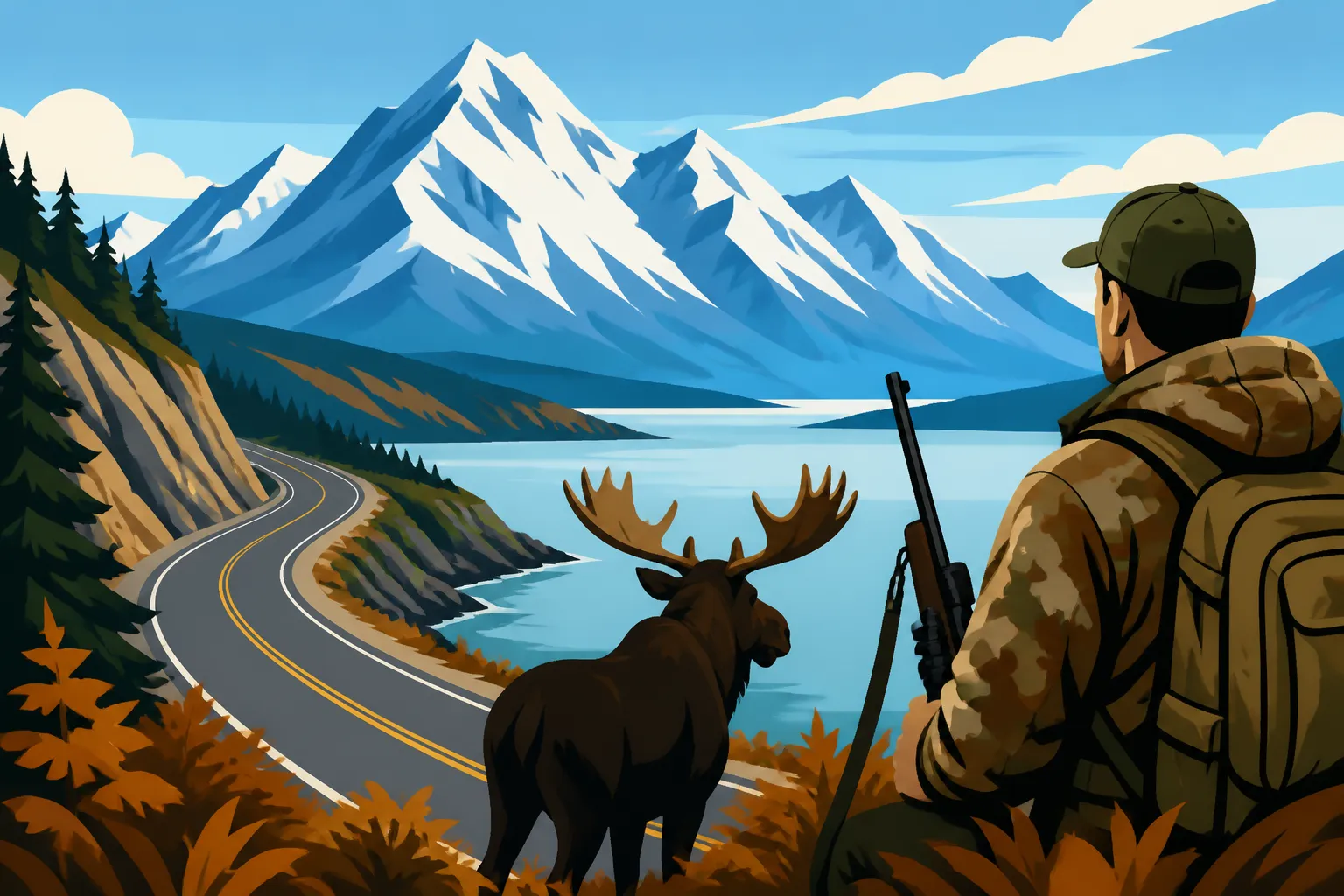
The Sterling Highway isn't just a road; it's the primary conduit for residents and visitors alike to access the Kenai Peninsula's vast outdoor opportunities, including hunting, fishing, and recreation. From Soldotna south to Homer, it carves a path through diverse landscapes, from dense spruce forests to vast muskegs and coastal bluffs. For hunters, this means unparalleled road access to areas that might otherwise be remote. However, this accessibility also brings challenges, notably heavy recreational use and a complex blend of land jurisdictions that can make finding suitable hunting grounds a real head-scratcher.
More Than Just a Road: A Corridor of Opportunity and Challenge
Think of the Sterling Highway as a long, winding thread that connects various hunting possibilities, but also a string of potential headaches if you don't know the rules. On one hand, it offers convenient points of entry into areas known for moose, black bear, and various small game. You can often pull off the highway, park, and be within walking distance of huntable land, a luxury not always available in other parts of Alaska. This is particularly appealing for those without air charters or boats.
On the flip side, the highway corridor is heavily impacted by human activity. Road noise, nearby cabins, and other recreationists mean that truly undisturbed hunting often requires a significant hike away from the pavement. The ease of access can also concentrate hunters, especially during peak seasons, meaning you'll need to work harder to find unpressured animals or areas. It's a double-edged sword: great access, but often at the cost of solitude and undisturbed game. Understanding this dynamic is the first step to a successful hunt.
The Kenai National Wildlife Refuge: A Dominant Presence
A huge segment of the land adjacent to, and often bisected by, the Sterling Highway is part of the Kenai National Wildlife Refuge (KNWR). This federal land is managed with specific conservation objectives in mind, which means hunting regulations here can differ significantly from state land. For instance, certain areas within the refuge might have different season dates, bag limits, or even restrictions on firearm use. Ignoring these distinctions can quickly turn a hopeful hunt into a costly citation.
Hunters need to be acutely aware of where refuge boundaries lie. It's not uncommon for a "No Shooting" buffer to exist around developed areas or campgrounds within the refuge, even if they appear to be deep in the wilderness. Before you even think about setting foot on refuge land, you absolutely must consult the current Kenai National Wildlife Refuge hunting regulations, which are separate from the general Alaska state regulations. Familiarizing yourself with these specific rules is crucial, and mapping tools can be invaluable for identifying these boundaries precisely. Firearm Restrictions Inside the Kenai Refuge are particularly important to understand before you head out.
Navigating Land Ownership Along the Sterling Highway
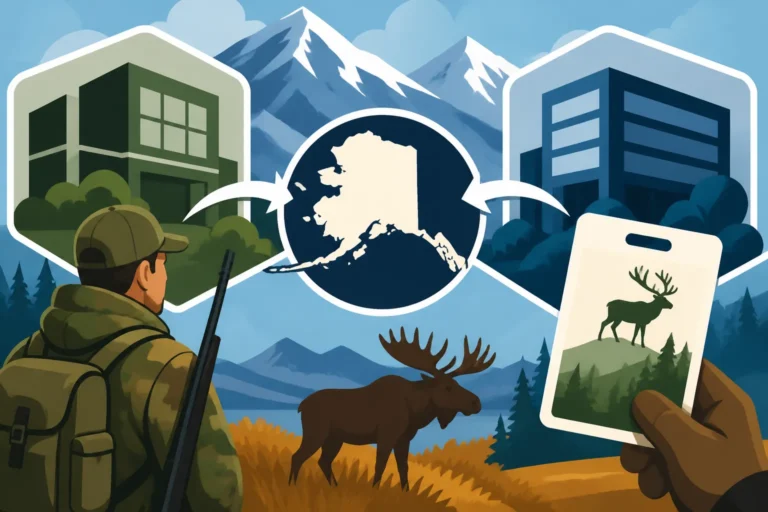
One of the biggest hurdles for any hunter, resident or nonresident, looking to hunt off the Sterling Highway is understanding land ownership. The Kenai Peninsula is a patchwork quilt of state land, federal land (primarily the Kenai National Wildlife Refuge), private parcels, and Native Corporation lands. Each type comes with its own set of rules and access requirements. Simply assuming that land off a public highway is public hunting land is a recipe for trouble.
Untangling the Land Mosaic: State, Federal, and Private
Let's break down the common land types you'll encounter and what they generally mean for hunters:
- State Land: These are generally the most straightforward for hunters. As long as you follow general state hunting regulations, you're usually good to go. However, even state land can have specific closures, controlled use areas, or restrictions around communities. It's not a free-for-all, but it's the closest thing to it. You might find excellent opportunities for Hunting Sitka Blacktail Deer in the Alpine Before Snow or Hunting Near Seward in Unit 7 on state parcels.
- Federal Land (Kenai National Wildlife Refuge): As mentioned, this is a major player. While hunting is permitted in many areas of the KNWR, it's under federal regulations, which can be more restrictive than state law. Think about vehicle access, camping limits, and even what types of weapons are allowed in certain zones. You'll need to check both state and federal regulations to ensure compliance. Knowing the Kenai Peninsula Units and Their Boundaries helps, but understanding the smaller, often complex, refuge boundaries within those units is key.
- Private Land: This is where many hunters unknowingly run into issues. Many parcels along the Sterling Highway, especially those with established homes or cabins, are privately owned. Hunting on private land requires explicit permission from the landowner. Trespassing, even accidentally, can lead to fines and legal action. This is particularly prevalent near communities like Soldotna, Sterling, Cooper Landing, and Homer. Always err on the side of caution and assume land is private if not clearly marked otherwise.
- Native Corporation Land: Alaska Native Corporations own significant tracts of land, and hunting access to these lands is typically restricted to shareholders or requires a paid permit for others. These permits can vary widely in cost and availability. You cannot simply walk onto Native Corporation land and expect to hunt without permission.
The key to navigating this mosaic is proactive research. I can't stress this enough: before you drive to the Kenai, invest in good mapping software. Tools like onX Hunt or GoHunt are absolute game-changers for identifying property boundaries. They overlay land ownership data onto satellite imagery, clearly showing state, federal, private, and Native Corporation lands, often with specific parcel numbers. This allows you to pinpoint huntable areas and avoid accidental trespass. How to Check Alaska Land Status Before a Hunt is a skill every Alaska hunter needs to master.
Understanding Specific Regulations for Each Land Type
Beyond general permission, the specific rules for how you hunt can also vary by land type.
- Federal Refuge Rules: In addition to season dates and bag limits, the KNWR might have regulations concerning ATV use, designated camping areas, or even mandates for non-toxic shot in certain wetlands. For example, some areas within the refuge might prohibit the use of certain types of firearms or require you to be a certain distance from designated trails or waterways. This isn't just about what you kill, but how you operate.
- State Land Specifics: While generally more lenient, state land can also have localized restrictions. You might encounter controlled use areas (CUAs) where certain motorized vehicle access is restricted during hunting season, or areas with specific antler restrictions for moose. Always consult the Alaska Department of Fish and Game (ADF&G) regulations booklet for the specific Game Management Unit (GMU) you intend to hunt. For instance, Alaska Moose Antler Restriction Areas are common on the Kenai and must be thoroughly understood.
- Private Land Agreements: If you do secure private land access, ensure you understand any specific conditions the landowner might have. This could include where you can park, what hours you can hunt, or what game species they allow you to pursue. Getting something in writing, even a simple email or text, can prevent misunderstandings.
- Buffer Zones and Setbacks: Regardless of land ownership, always be mindful of buffer zones. It's illegal to discharge a firearm within certain distances of dwellings, roads, or developed areas, even on public land. These distances are designed for public safety and are strictly enforced. Pay attention to signs indicating "No Shooting Zones" or "Safety Corridors."
To simplify, here's a quick overview of what to keep in mind regarding access along the Sterling Highway:
| Land Ownership Type | General Access for Hunters | Key Regulatory Authority | Essential Pre-Hunt Action |
|---|---|---|---|
| Alaska State Land | Generally open, follow ADF&G regs. | ADF&G | Check GMU regulations, specific closures. |
| Federal Land (KNWR) | Permitted in many areas, but highly regulated. | US Fish & Wildlife Service | Read KNWR specific regulations in addition to state regs. |
| Private Land | Prohibited without explicit landowner permission. | Landowner, State Law | Always seek and obtain written permission. |
| Native Corporation Land | Prohibited without specific permits/fees. | Native Corporation | Contact corporation for permit requirements and availability. |
This table isn't exhaustive, but it highlights the fundamental differences. Your best bet for successful, legal hunting on the Kenai is to be a diligent researcher and to use modern mapping tools like onX Hunt to visualize these boundaries in the field.
Hunting Opportunities and Restrictions Near the Highway
While the Sterling Highway corridor is a mosaic of regulations, it still offers genuinely rewarding hunting opportunities for various species. However, success often hinges on knowing what to hunt, where to hunt, and understanding the very real restrictions that come with hunting in such an accessible, popular area.
Common Game Species and Their Habitat Proximity
The Kenai Peninsula, particularly the areas accessible from the Sterling Highway, offers a good mix of game:
- Moose: The Kenai is famous for its moose, though often under antler restrictions. You'll find moose in willow bottoms, along river systems like the Kenai and Kasilof, and in old burn areas. Early season hunts (late August/early September) can be productive, particularly in areas with good browse. During the rut (late September/early October), Calling Bull Moose During the Alaska Rut can be highly effective if you find areas with less pressure. Look for sign in marshy areas and dense willow thickets away from the immediate highway traffic. The deeper you get, the better your chances of encountering less wary animals.
- Black Bear: Black bears are abundant on the Kenai. Spring hunting (May-June) often focuses on south-facing slopes and green-up areas where bears emerge from dens and feed on new vegetation. Fall hunting (August-October) can be productive around salmon streams or berry patches. Bears are surprisingly adaptive and can be found closer to human activity than many realize, though harvesting them often requires more patience and stealth in these areas. You might even find good opportunities for Spring Bear Hunting on South-Facing Snow Slides in the higher country off the highway.
- Sitka Blacktail Deer: While most associated with Southeast Alaska, deer populations exist on parts of the Kenai Peninsula, particularly in coastal areas. Access might require a short boat trip from communities like Homer or Seward, but there are also deer pockets accessible by road. Look for them in younger forests and along coastal fringes.
- Small Game: Grouse (Spruce, Ruffed, Willow, Rock Ptarmigan) and snowshoe hare are common throughout the forested and alpine areas accessible from the highway. These can provide excellent camp meat or a fun diversion when big game isn't cooperating. Waterfowl and Ptarmigan as Camp Meat can be a real treat. Hunting small game with a .22 or shotgun can be a relaxing way to spend a day afield, especially if you're hiking into more remote areas for big game.
Firearm Restrictions and Safety Zones
This is a critically important section for anyone hunting near the Sterling Highway. Due to population density and widespread recreational use, the Kenai Peninsula has numerous firearm restrictions and safety zones designed to protect public safety.
- No Shooting Zones: These are strictly enforced. Many areas immediately adjacent to the Sterling Highway, especially around towns, subdivisions, and popular recreational sites, are designated as "No Shooting Zones." This means no discharge of firearms whatsoever. These zones are usually clearly marked with signs, but you should always confirm their boundaries on official maps. Ignoring these signs can result in immediate fines and confiscation of your weapon.
- Refuge Specific Zones: As mentioned earlier, the Kenai National Wildlife Refuge often has its own set of firearm restrictions. Some areas might allow only shotguns or bows, while others might prohibit discharge within specific distances of roads, trails, or campgrounds. It's not enough to know you're on refuge land; you need to know the specific zone you're in.
- Proximity to Dwellings: General state law prohibits discharging a firearm within a certain distance of an occupied dwelling without permission. On the Kenai, with its numerous cabins and rural homes, this means even seemingly remote state land might have hidden private cabins that impose this restriction. Always be aware of your surroundings and look for signs of human habitation, even if you don't see them on your map.
- Consequences: The penalties for violating firearm restrictions can be severe, ranging from hefty fines to losing your hunting privileges or even jail time. It's simply not worth the risk. Before you even load a round, know your exact location and the specific rules that apply. This is another area where a good GPS with updated land ownership and restriction layers (like onX Hunt) is invaluable. You wouldn't want to accidentally violate Alaska's Same-Day-Airborne Rule and What It Bans, so similarly, you shouldn't risk firearm violations.
Practical Tips for Hunting Off the Sterling Highway
Hunting the Kenai Peninsula via the Sterling Highway can be an incredibly rewarding experience, but it demands careful planning and a realistic approach. It's not deep wilderness in the same way a fly-in hunt might be, and acknowledging that reality is crucial for success and safety.
Pre-Season Scouting and Digital Tools
Effective scouting is paramount when hunting accessible areas like those off the Sterling Highway. This isn't just about finding game; it's about finding unpressured game and legal access points.
- Map Research is Key: Before you ever leave home, spend hours poring over maps. Use online resources like Google Earth, ADF&G hunting unit maps, and the Kenai National Wildlife Refuge maps. Look for state land parcels adjacent to the highway, or areas within the refuge that are farther from main roads and trails. Identify potential parking areas, game trails, and areas with good habitat (e.g., willow bottoms for moose, south-facing slopes for bears). Pay close attention to topographic maps to understand terrain features. This is where tools like GoHunt and onX Hunt truly shine. They allow you to virtually "walk" the terrain, marking waypoints for potential glassing knobs or logical travel corridors. You can even use satellite imagery to identify Willow Flats Versus Spruce for Bull Moose or Old Burns and Where Moose Feed in Them.
- Ground Truthing: Nothing replaces boots on the ground. If possible, take a scouting trip before the season opens. Drive the highway, walk into potential areas, and check for signs of game and, just as importantly, signs of other human activity. Are there established trails? Old camps? This helps you gauge pressure and refine your hunting spots. This also allows you to check for specific signs, like rub lines or fresh scat.
- Digital Overlays: Utilize the land ownership overlays available in mapping apps. These immediately clarify what is public land and what is private. Mark your intended access points and hunting boundaries on your device. This way, in the field, you can quickly verify your location and avoid accidentally trespassing. Download offline maps to your device, as cell service can be spotty or nonexistent once you move away from the main highway. Downloading Offline Maps Before a Fly-In is a good practice, even if you're not flying in.
Respecting Access and Minimizing Impact
Hunting along a heavily used corridor like the Sterling Highway means sharing the outdoors. Ethical behavior and minimal impact are not just good practice; they are essential for preserving hunting opportunities for everyone.
- Be a Good Neighbor: If you're parking near private property, ensure you're not blocking driveways or access points. If you're unsure, ask. A friendly word with a local can often clear up confusion and even lead to helpful advice.
- Leave No Trace: Pack out everything you pack in. This includes trash, spent shell casings, and any other refuse. The less impact hunters leave, the better the public perception of hunting. This extends to proper Packing Out Meat in Alaska: The Salvage Law Hunters Must Follow and proper disposal of entrails.
- Respect Other Users: You'll encounter hikers, photographers, bird watchers, and other recreationists. Be courteous and avoid conflicts. Maintain a low profile, especially if you're carrying a firearm. Your actions reflect on all hunters.
- Adhere to Camping Limits: If you plan to spike camp or camp overnight, be aware of specific regulations. Some areas, particularly within the Kenai National Wildlife Refuge, have designated camping sites or restrictions on dispersed camping. Camping Limits on Alaska State Land can vary, so always check local rules.
Safety First: Being Prepared for Kenai Conditions
Even with road access, the Kenai Peninsula is still wild Alaska. Safety should always be your top priority.
- Bear Awareness: Both black bears and brown bears inhabit the Kenai. Carry bear spray and know how to use it. Be especially vigilant around kill sites or dense berry patches. If you're processing an animal, keep a watchful eye and consider Carrying a Sidearm Around a Kill Site. Review Bear Safety While Butchering a Kill in Alaska thoroughly.
- Weather Preparedness: Kenai weather can change rapidly, especially in the fall. Be prepared for rain, wind, and sudden temperature drops. Dress in layers, carry quality rain gear, and bring enough food, water, and emergency supplies for at least 24-48 hours longer than you anticipate being out. Hypothermia is a real threat.
- Navigation: While the highway is a clear landmark, it's surprisingly easy to get disoriented once you push off-trail into dense forest or muskeg. Carry a GPS device (with offline maps), a compass, and a physical map. Know how to use them. Cell service is unreliable away from the highway. Alpine Navigation Without Cell Service skills are essential, even if you only plan to hunt lower elevations.
- Communication: Let someone know your hunting plan, including your intended route and expected return time. A satellite communication device like an InReach or Garmin inReach Mini is a wise investment, especially if you're hunting solo. It allows you to send check-in messages and call for help in an emergency. Signal Devices and Check-In Plans for Solo Alaska Hunts are critical considerations.
- Game Care: Be prepared for proper Meat Care in 50-Degree September Weather. Even if you're close to the highway, ensuring your meat cools quickly and stays clean is crucial to prevent spoilage and wanton waste. Have appropriate game bags and a plan for packing out your animal efficiently.
Hunting off the Sterling Highway offers fantastic opportunities for those willing to put in the research and respect the varied landscape and regulations. By understanding land ownership, specific rules, and prioritizing safety, you can enjoy a successful and memorable Kenai Peninsula hunting experience.
Disclaimer
This article is for general informational purposes only and does not constitute professional advice. Laws, prices and regulations vary by location and change over time. Consult a qualified professional for guidance on your specific situation.