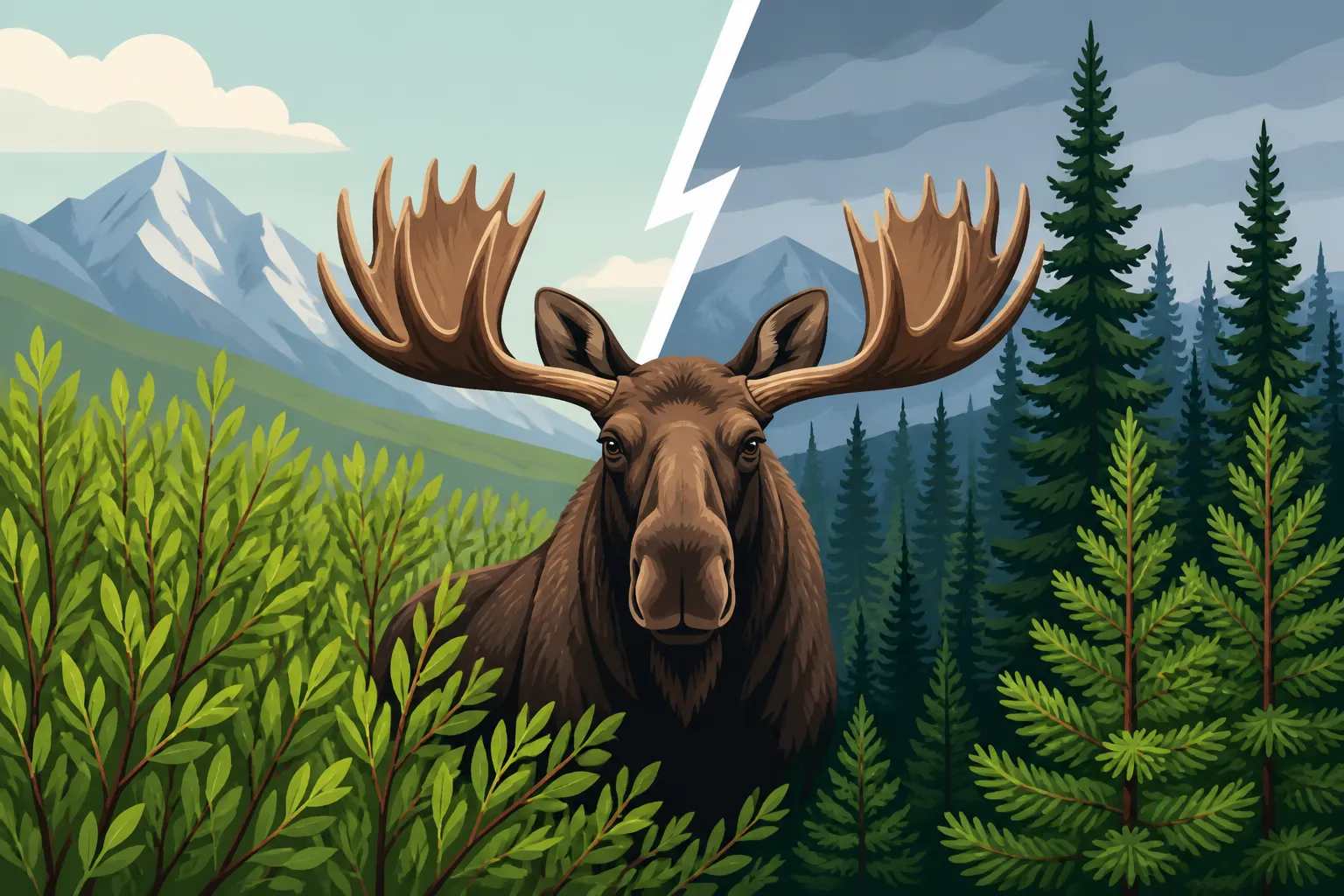
Willow Flats Versus Spruce for Bull Moose
For many Alaska moose hunters, the annual struggle boils down to a single question: where are those big bulls hiding? It often feels like you're playing a perpetual game of hide-and-seek with an animal that blends seamlessly into the vast landscape, especially when trying to decide whether to focus your efforts on those lush, seemingly endless willow flats or the dense, dark sanctuary of spruce forests. This guide is here to unravel the mysteries of these two dominant moose habitats, helping you understand where and why bull moose use each, and how you can tailor your hunting strategy for success.
Understanding Moose Habitat Preferences
To consistently find bull moose, you first have to get inside their heads, so to speak, and understand what drives their daily lives. They aren't just wandering aimlessly; their movements and preferred hangouts are dictated by a few core needs: food, cover, and a safe place to rest. These needs shift throughout the seasons, but the underlying principle remains the same. Knowing this can turn a frustrating hunt into a productive one.
Dietary Needs and Forage Availability
Bull moose are essentially walking digestive systems, requiring a massive amount of browse to maintain their colossal size and grow those impressive antlers. Their diet is primarily made up of woody browse, and they are incredibly selective eaters, preferring young, tender shoots over mature, woody stems. Willows, especially several species common in Alaska like balsam willow and feltleaf willow, are high on their menu. These plants are often found in abundance in river bottoms, boggy areas, and, you guessed it, vast willow flats. These areas are nutritional goldmines, especially in late summer and early fall when bulls are packing on calories for the rut and the coming winter. You might even find them utilizing areas of Willow Regrowth and Moose Numbers after a natural disturbance like a fire. If you’re ever wondering What Moose Eat in a Ten-Year-Old Burn, it’s often those regenerating willows and birches that draw them in.
Seasonal Movements and Shelter Requirements
While food is paramount, moose also need shelter from the elements and predators. This is where the role of spruce forests becomes critical. In the colder months, dense spruce stands provide excellent thermal cover, buffering them from harsh winds and deep snow. Even in the warmer months, these forests offer relief from biting insects and direct sunlight. During hunting season, this translates to different strategies. You might find bulls moving between feeding areas in the flats and bedding areas in the adjacent timber. Their movements aren't random; they're calculated to maximize calorie intake and minimize energy expenditure and risk. Understanding these subtle shifts is key to anticipating where a bull might be at different times of the day.
Behavioral Patterns of Mature Bulls
Mature bull moose, especially the really big ones, often exhibit different behaviors than cows and younger bulls. They can be more solitary and elusive, particularly outside the rut. They know what hunting pressure feels like and will seek out areas that offer the best combination of feed and security. Sometimes, this means sticking to the fringes of spruce forests, dipping into willow patches to feed under the cover of darkness or during low-light hours. Other times, they’ll boldly hold court in wide-open flats during the rut, challenging other bulls. Keeping track of historical movements and current conditions with tools like those found on platforms like GoHunt can provide crucial insights into these patterns.
The Allure of Willow Flats for Bull Moose
When you picture a quintessential Alaska moose hunt, chances are you're envisioning a bull standing majestically in a sea of willows. These environments are undeniably attractive to moose, especially during specific times of the year.
Nutritional Goldmines for Growing Antlers
Willow flats, often found in vast river deltas, low-lying basins, and alongside meandering rivers, are essentially all-you-can-eat buffets for moose. The dense stands of young willows provide abundant, highly nutritious browse that fuels massive body growth and, crucially, the rapid development of antlers. A bull can consume 50-70 pounds of browse a day, and these flats are where they can do it most efficiently. As the season progresses from late August into September, these areas become prime feeding grounds as bulls try to put on as much weight as possible before the demanding rut begins. It's a critical period, and these rich feeding grounds are where they stage up.
Cover and Concealment in Open Terrain
While seemingly "open," willow flats offer a surprising amount of concealment. The sheer density and height of the willow bushes can easily swallow a 1,500-pound bull moose. A bull can bed down in a thick patch, completely hidden from view, even when you're just a few hundred yards away. This makes hunting them in flats a challenge, as they might be right under your nose without you knowing it. However, it also presents opportunities for strategic stalking. Using elevated terrain or carefully working wind currents can help you approach undetected. This dense cover also provides refuge from predators, including bears and wolves, while still allowing access to prime feed.
Rutting Activity and Calling Opportunities
Willow flats truly come alive during the rut, typically from mid-September to early October. The open, yet still somewhat concealed, nature of these areas makes them ideal arenas for bulls to challenge each other and cows to gather. This is when your moose calling skills, especially the powerful cow calls and assertive grunts, really shine. A bull might be holding court in a thick patch of willows, raking a sapling, and aggressively respond to a challenge. Learning the nuances of Calling Bull Moose During the Alaska Rut can significantly increase your success in these environments. It's an exciting time, and the flats amplify the drama of the rut, often giving you chances for visual and auditory encounters with these magnificent animals.
The Strategic Role of Spruce Forests
While willow flats are all about food and rutting spectacle, spruce forests offer a different, but equally vital, set of resources for bull moose. These darker, denser environments serve as their sanctuary and strategic staging points.
Thermal Cover and Winter Survival
Imagine a fierce Alaskan winter storm, winds howling and temperatures plummeting. Where do you think a moose would rather be: exposed in a windswept willow flat or nestled deep within a mature spruce forest? The answer is clear. Dense spruce stands provide incredible thermal cover, shielding moose from extreme cold, heavy snow, and strong winds. The canopy acts like an umbrella, intercepting snow and keeping the ground beneath relatively clear, making it easier for them to move and browse. While the browse within a deep spruce forest isn't as rich as the flats, it offers survival during the harshest times. Even in early fall, a sudden cold snap can drive bulls into these areas for comfort.
Sanctuary and Escape Routes
Spruce forests provide bulls with a sense of security. The dense undergrowth and complex terrain make it difficult for predators, including human hunters, to move silently or see far. This is where a big bull will retreat when pressured, using the maze of trees and tangles to evade detection. They know these woods intimately, having established escape routes and hiding spots. Hunting in these areas requires a different mindset: slow, methodical still hunting, paying attention to every snapped twig and subtle movement. It’s also crucial to consider the potential for encounters with other large animals; being prepared for Bear Safety While Butchering a Kill in Alaska is always a good idea, regardless of habitat.
Bedding Areas and Staging Points
Bulls will often bed down in dense spruce cover during the daylight hours, particularly after a night of feeding in nearby willow flats or along river courses. These bedding areas are chosen for their concealment and proximity to escape routes. Before the rut, and even during it, these forests also serve as staging points. A bull might spend hours in the timber, resting and scent-checking the wind, before venturing out into more open areas to feed or search for cows. Identifying these transition zones – the edges where spruce meets willow, or where a finger of timber extends into a swamp – can be incredibly productive. Using satellite imagery for Scouting a Unit From Satellite Imagery Before You Fly can help you pinpoint these critical habitat intersections.
Hunting Strategies for Each Habitat Type
Now that we understand why bulls use these different habitats, let's talk about how to hunt them effectively. A one-size-fits-all approach simply won't work in the diverse Alaskan landscape. You need to adapt your tactics to the terrain.
Glassing and Spotting in Willow Flats
Hunting willow flats often relies heavily on optics and patience. Because the terrain can be vast and relatively open, covering ground with your eyes from an elevated position is usually the most efficient method. This is where techniques like Glassing the Alaska Range: Finding Game Before You Move come into play, even if you’re not in the mountains. Find a vantage point – a small knoll, a ridge, or even a sturdy tree if possible – and systematically grid the area with your binoculars and spotting scope.
- Early Morning and Late Evening: These are prime times when bulls are often actively feeding and moving, making them more visible.
- Mid-Day Strategy: During the middle of the day, bulls might be bedded down. Look for subtle signs: the dark shape of a body, the glint of an antler, or a distinct vertical line that doesn't quite look like a tree. Even if you don't see a whole moose, a piece of one is enough.
- Calling: If you're not seeing anything, use calling to your advantage. A series of cow calls can often draw a curious bull out of the thickest willows, or at least prompt him to stand up and reveal himself. Remember to vary your calls and listen intently for responses.
Still Hunting and Tracking in Spruce Timber
Hunting dense spruce forests is a completely different ballgame. Forget about long-range glassing; this is close-quarters work. Here, you're relying more on your ears and your ability to move silently through dense cover.
- Slow and Deliberate: The key to still hunting is to move incredibly slowly, pausing often to listen and scan. Take a few steps, then stop for several minutes, allowing your eyes to adjust and your ears to pick up any subtle sounds. Look for "moosey" shapes, horizontal lines among vertical trees, or patches of hide.
- Wind Direction is Critical: Moose have incredible noses. Always hunt into the wind to prevent your scent from carrying ahead of you. This is non-negotiable in dense timber where encounters can happen very quickly.
- Reading Sign: Look for fresh tracks, broken saplings, rubbed trees (especially during the rut), and fresh droppings. These signs can lead you directly to a bull's bedding area or travel corridor. Pay particular attention to the edges of the timber where moose transition to feeding areas.
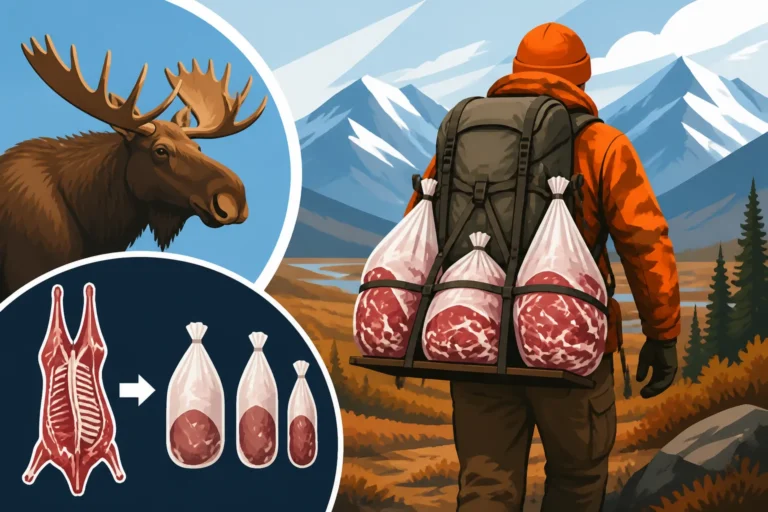
- Anticipate Escape Routes: If you jump a bull, try to anticipate its escape route. They often follow established trails or paths of least resistance. Sometimes, backing off and circling ahead to intercept them can be effective. If you're lucky enough to get a shot, ensure you understand Field Judging a Legal Bull Under Alaska Antler Rules before pulling the trigger, and be prepared for the demanding work of Quartering a Bull Moose Alone in the Field.
Combining Habitat Approaches
Often, the most successful hunts involve integrating strategies for both habitat types. Moose rarely stick to just one. They move between them, especially during the rut and changing weather conditions.
- Edge Hunting: Focus your efforts on the transition zones, where willow flats meet spruce forests. These edges are natural travel corridors and often where bulls will stage before entering a feeding area or retreating to cover.
- Follow the Feed, Check the Cover: Start your mornings by glassing the willow flats where bulls are likely to be feeding. As the sun gets higher and they bed down, shift your attention to the adjacent spruce stands, systematically still hunting those areas.
- Utilize Elevation: If there's any elevation available, use it to your advantage. A ridge overlooking a flat that has fingers of spruce running through it can offer the best of both worlds – broad visibility of feeding areas and insights into where bulls might be moving for cover. Mapping tools, especially those that include topographic data, like what GoHunt provides, are invaluable for identifying these strategic vantage points before you even set foot in the field.
| Feature / Aspect | Willow Flats | Spruce Forests |
|---|---|---|
| Primary Attraction | Abundant, nutritious browse | Thermal cover, security, bedding areas |
| Forage Type | Tender willow and birch shoots | Limited browse, some lichens, bark |
| Visibility | Generally open, but dense patches offer concealment | Very limited, dense canopy and undergrowth |
| Hunting Method | Glassing from vantage points, calling | Still hunting, tracking, scent control |
| Rut Activity | High, prime calling ground, visual encounters | Staging, bedding, escape routes, less calling |
| Weather Impact | Exposed to wind/snow; good in mild weather | Shelter from elements; harder to hunt in deep snow |
| Recovery Difficulty | Can be difficult in boggy, dense willows (e.g., Recovering a Moose Downed in a Beaver Slough) | Difficult due to thick timber and limited visibility |
Ultimately, a truly successful Alaska moose hunter is one who understands that these majestic animals are masters of their environment. By learning to read the landscape and appreciate the distinct advantages that both willow flats and spruce forests offer to a bull moose, you'll be far better equipped to locate your trophy and create unforgettable hunting memories. And remember, the work doesn't stop after the shot; proper Hanging Meat in Warm September Weather and careful field care are crucial no matter where your bull falls.
Disclaimer
Hunting in Alaska carries inherent risks, including but not limited to adverse weather conditions, dangerous wildlife encounters, and remote wilderness hazards. Always prioritize safety, adhere to all Alaska Department of Fish and Game regulations, and ensure you are properly equipped and prepared for the challenging Alaskan environment. The information provided in this guide is for informational purposes only and should not replace professional advice or official regulations.