Guided Versus Unguided Hunting in Alaska
Guided versus unguided hunting in Alaska outlines nonresident legal requirements, guide rules, and exemptions for big game.
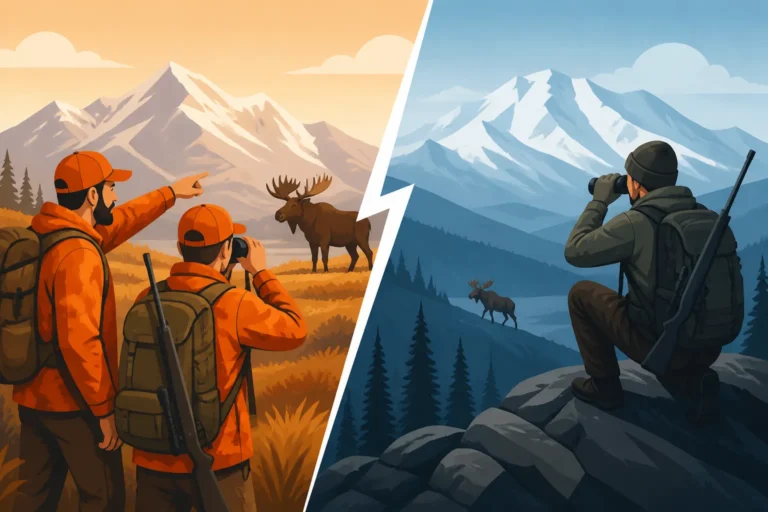
Guided versus unguided hunting in Alaska outlines nonresident legal requirements, guide rules, and exemptions for big game.
Hiring an Alaska Registered Guide-Outfitter helps hunters navigate complex regulations, access remote areas, and plan safe big game expeditions.
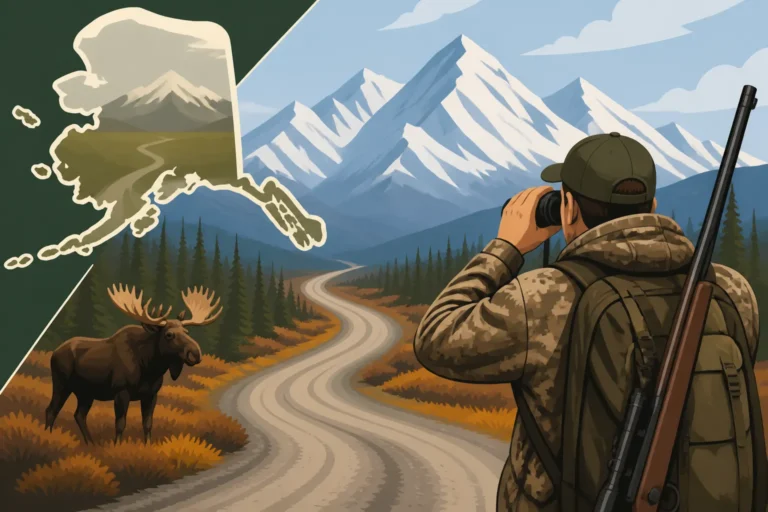
Alaska road-system hunting along the Glenn and Richardson Highways provides budget-friendly access to abundant game species.
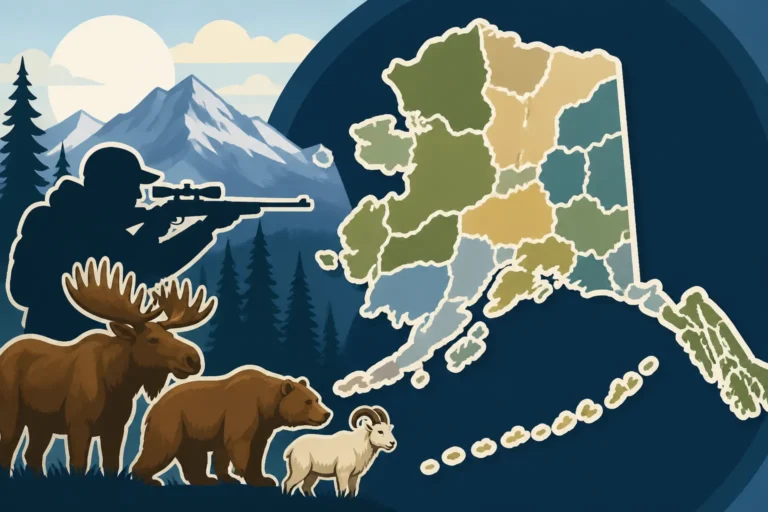
Alaska Game Management Units use a numbered 1 to 26 system to define regional hunting regulations, boundaries, and wildlife populations.

Dall sheep hunting strategies in the Brooks and Alaska Ranges explain habitat, behavior, and physical endurance requirements.
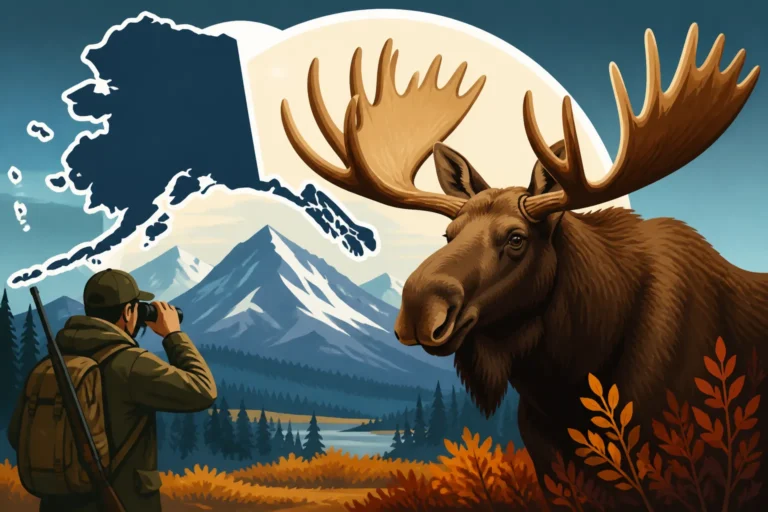
Alaska-Yukon moose biology, habitat regions, and growth patterns explain where the largest bulls live in the Last Frontier.
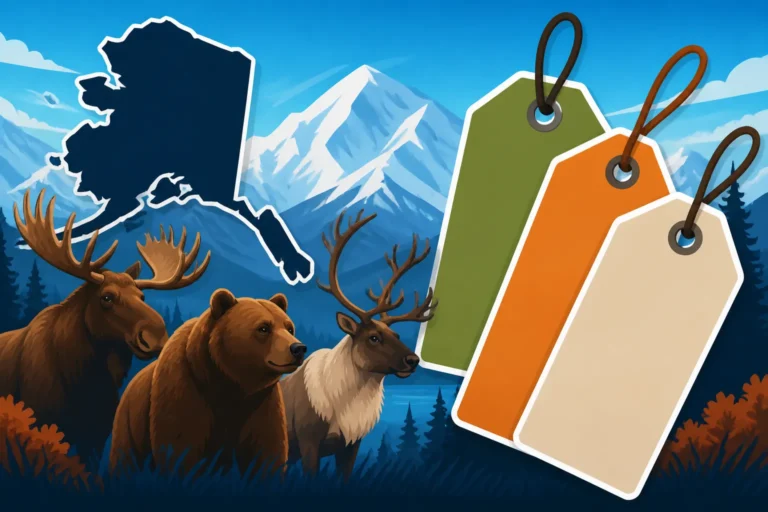
Alaska big game locking tags require physical attachment to harvested animals, and nonresident hunters must purchase them to legally pursue specific species.
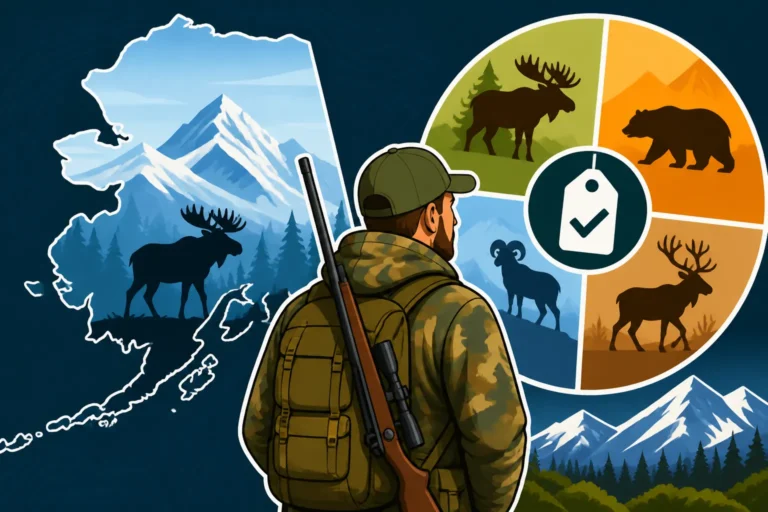
Alaska hunting regulations, license costs, tag rules, and permit systems explained for resident and nonresident hunters.
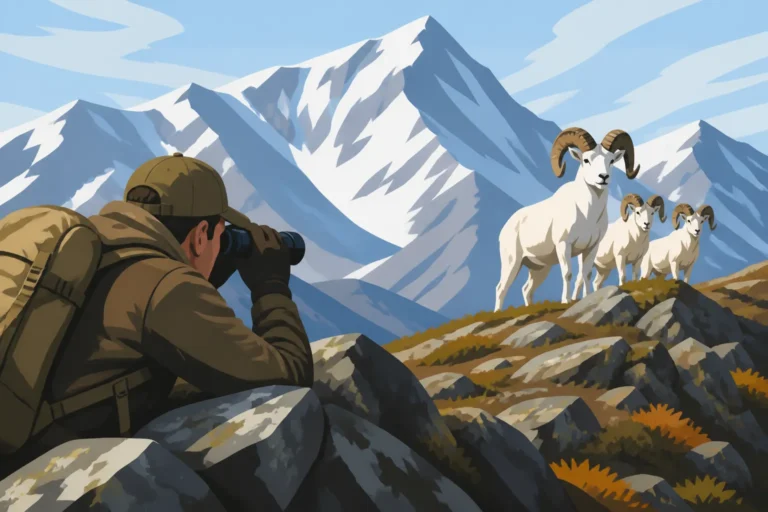
Spot-and-stalk Dall sheep hunting in Alaska requires physical preparation, proper gear, and mastering glassing and stalking tactics.
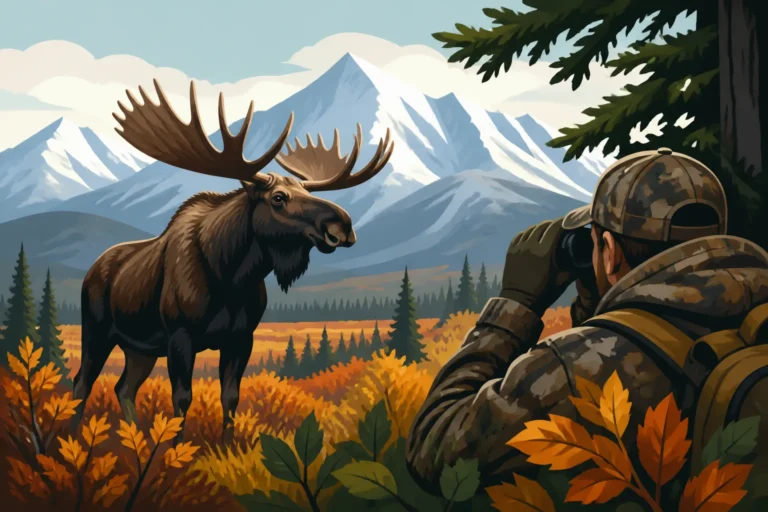
Alaska moose hunting tactics for the September rut explain bull behavior phases and calling strategies to locate animals.
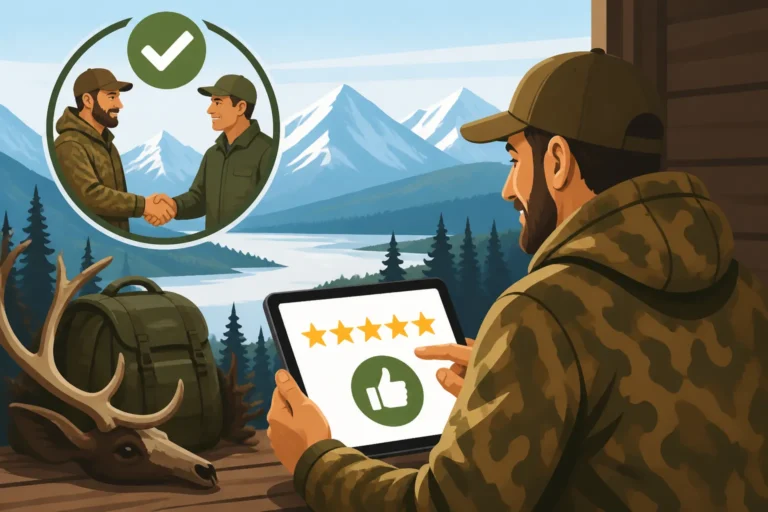
Post-hunt reviews for Alaska hunting outfitters help future hunters make informed choices and provide constructive feedback.
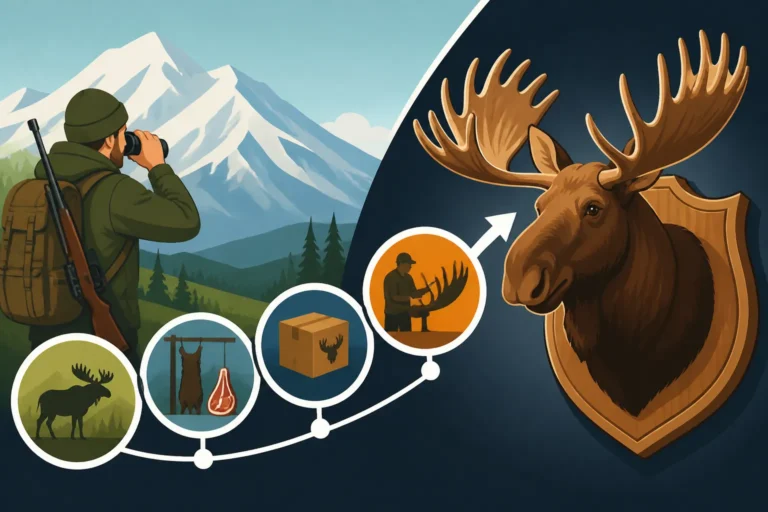
Alaska big game taxidermy timelines depend on field care, remote shipping logistics, and workshop preservation processes.
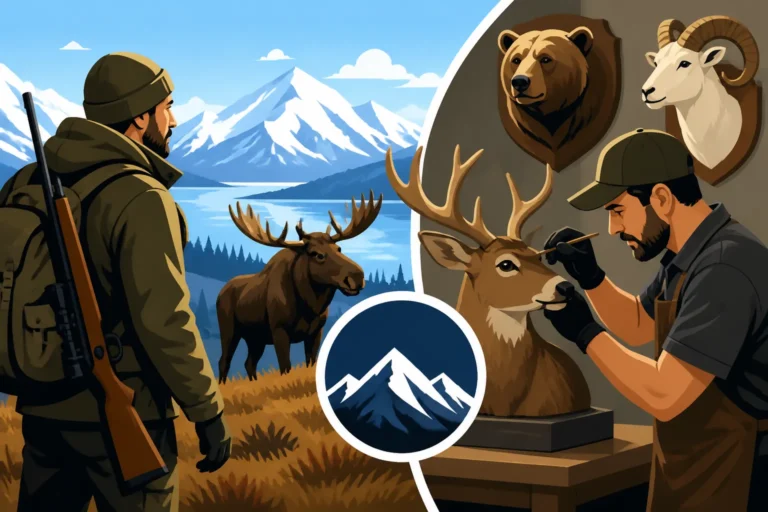
Selecting an Alaska taxidermist for your bull moose or brown bear protects your trophy and handles remote logistical challenges.
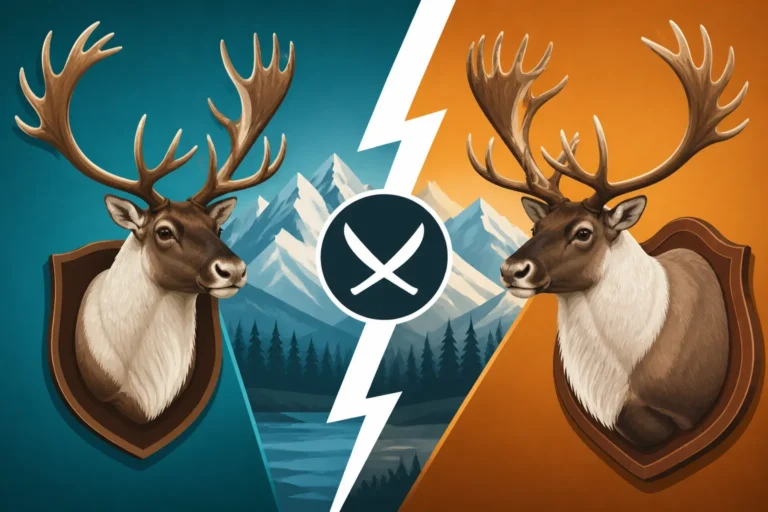
Shoulder mounts and European mounts compared for Alaska big game trophies, detailing pros, cons, and display options.
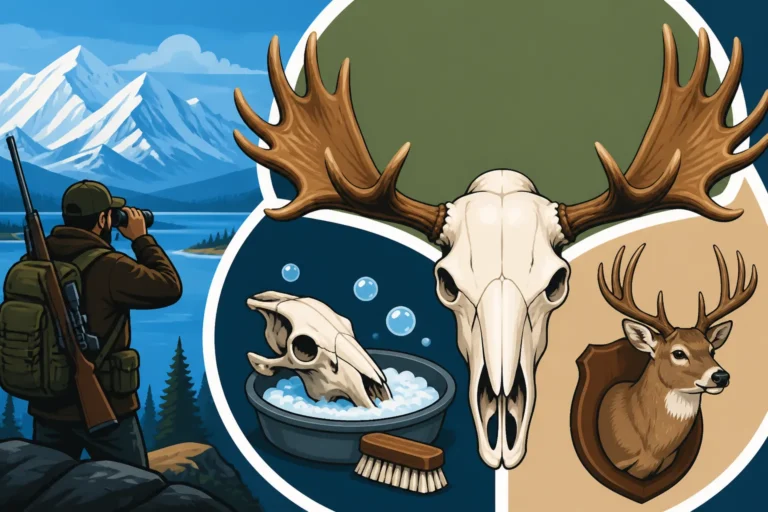
Skull cleaning and taxidermy referrals for Alaskan hunting trophies explain field care, skinning, and preserving animal heads.
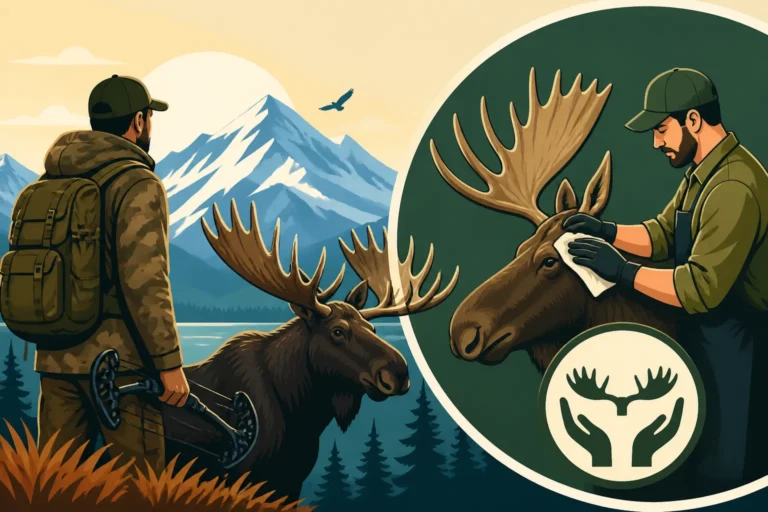
Alaska guided hunt trophy care explains initial field preparation, hide salting, skull cleaning, and potential extra costs for hunters.
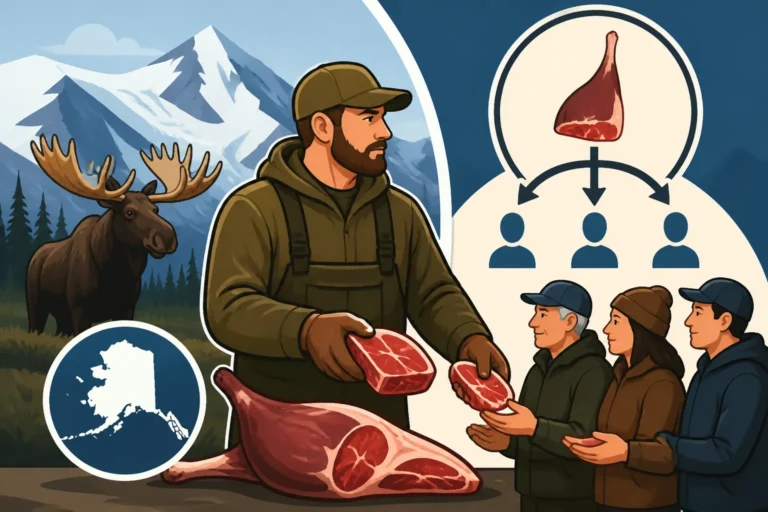
Alaska meat distribution rules for guided hunts define legal ownership, hunter responsibilities, and salvage requirements.
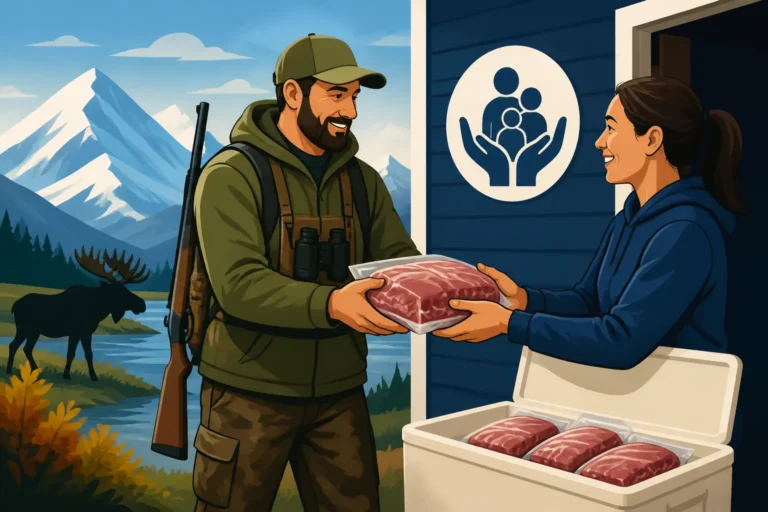
Alaska guided hunt meat donation rules and logistics methods help hunters distribute game meat ethically and effectively.
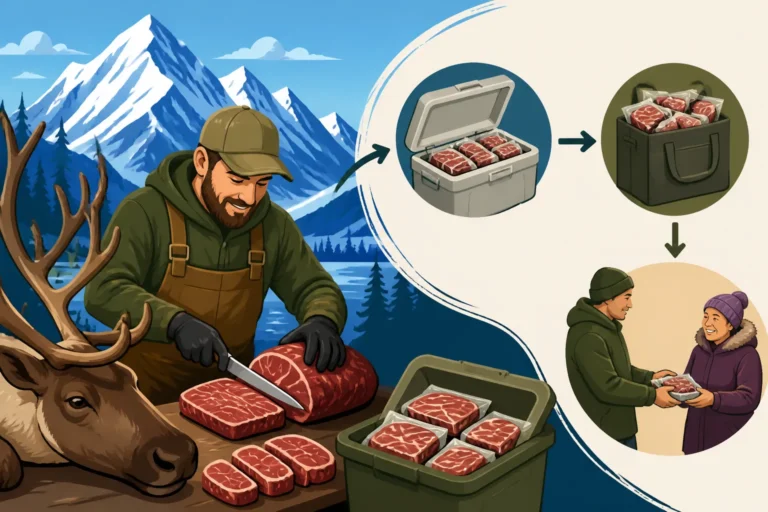
Alaska hunting guides process salvaged bull moose and Dall sheep meat to prevent wanton waste under state regulations.
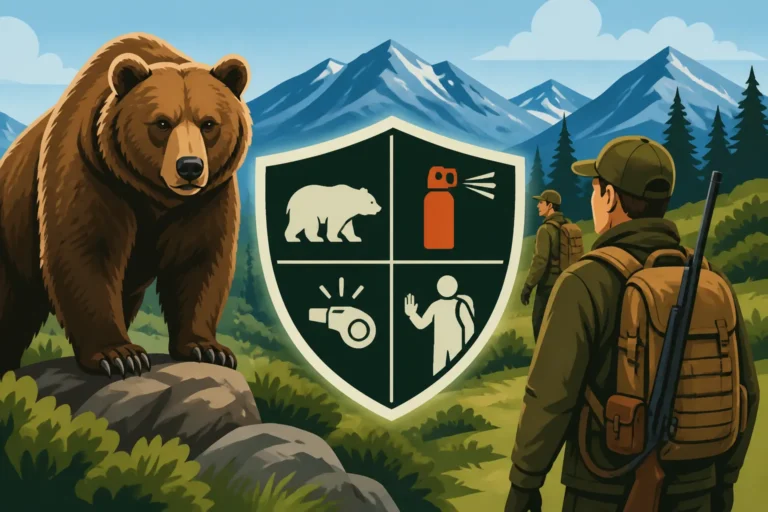
Alaska guided camps use strict bear safety protocols and proper camp hygiene to manage interactions with local wildlife.