Reviewing an Outfitter After the Hunt
Returning from an Alaskan hunting adventure, whether it was the trip of a lifetime or a grueling test of patience, often leaves us with a mix of exhilaration, exhaustion, and a whole lot to unpack. One crucial step that many hunters overlook, or simply feel too overwhelmed to tackle, is reviewing the outfitter or guide service. It can feel like a chore, especially if the experience wasn't what you hoped for, or you might wonder if your honest feedback truly makes a difference. This guide will walk you through why and how to construct a meaningful, fair, and helpful review of your Alaska hunting outfitter, ensuring your voice contributes positively to the hunting community.
Why Your Post-Hunt Review Matters
After investing so much time, money, and personal energy into an Alaska hunt, the idea of sitting down to write a detailed review might feel like the last thing you want to do. But think about it from two perspectives: the hunters who come after you, and the outfitter themselves. Your experience, good or bad, holds incredible value for both.
Helping Future Hunters Make Informed Choices
We've all been there: poring over websites, scrutinizing forums, and asking around for recommendations before booking that big trip. The sheer volume of options for Hiring an Alaska Registered Guide-Outfitter can be daunting, and separating the truly exceptional services from the merely adequate, or even subpar, is a huge challenge. Future hunters rely heavily on the firsthand accounts of those who have gone before them. Your review isn't just about your personal experience; it's a vital piece of the puzzle for someone else's dream hunt.
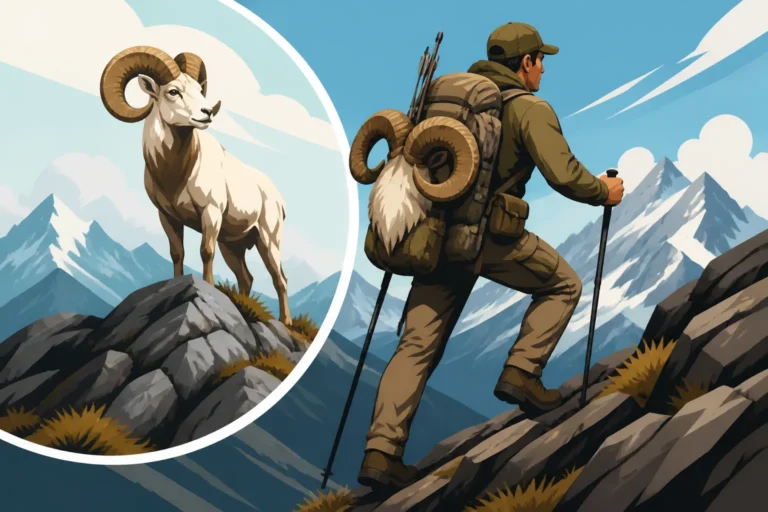
Imagine someone like yourself, researching a tough Dall Sheep in Alaska's Brooks and Alaska Ranges hunt, trying to decide between a few different guides. A candid review detailing the physical demands, the guide's field judgment, the quality of the gear, or even the camp food can be the deciding factor. It helps them set realistic expectations, understand potential challenges, and ultimately choose an outfitter whose style and service align with their own hunting philosophy. Without honest reviews, hunters are often left guessing, relying solely on marketing materials that, by their nature, present the best possible picture. Your detailed account helps paint a more complete and realistic picture, enabling smarter decisions.
Providing Constructive Feedback to the Outfitter
No outfitter or guide service is perfect. Even the best operations can have off days, experience unforeseen challenges, or have areas where they could genuinely improve. Your review provides invaluable feedback directly to the business. While positive reviews are always appreciated, constructive criticism, delivered professionally, can highlight areas for growth. This isn't about tearing someone down; it's about helping them refine their services to better meet client expectations.
Perhaps the communication leading up to your Booking an Alaska Sheep Hunt With a Guide was a bit spotty, or maybe the gear provided for a Backpack Hunting in Alaska: Gear Weight and Meat Loads trip wasn't quite up to snuff for the conditions you encountered. These are details that, when brought to an outfitter's attention through a thoughtful review, can lead to positive changes. A good outfitter will take this feedback seriously, using it as a tool to improve their operation, which in turn benefits future clients. This feedback loop is essential for maintaining quality standards in the guiding industry and ensures that the outfitters who are truly committed to excellence continue to thrive.
What to Consider When Formulating Your Review
When you sit down to write your review, it’s easy to get caught up in the immediate emotions of the hunt, especially if it was a high-stakes adventure or a disappointment. To ensure your review is balanced, fair, and truly helpful, it’s best to break down your experience into key components. Think about the entire journey, from your initial contact to your departure.
Pre-Hunt Communication and Expectations
The hunt often begins long before you set foot in Alaska. How responsive was the outfitter or their booking agent? Were your Questions to Ask an Alaska Guide Before Booking answered thoroughly and promptly? Did they provide a clear, detailed gear list that accurately reflected the conditions you'd face? Were the Guide Contracts and Deposits in Alaska transparent, and did they stick to the agreed-upon schedule for payments and information?
Consider if the expectations they set for the hunt—regarding success rates, physical demands, camp style, or specific game availability—matched the reality. For instance, if you were told it was a "moderate" physical hunt for Alaska Moose: Where the Biggest Bulls Live, but you found yourself consistently slogging through chest-deep bogs, that discrepancy is worth noting. Clear communication builds trust, and any gaps or misrepresentations here can significantly impact a hunter's overall satisfaction, regardless of whether an animal was harvested.
Guide Competence and Professionalism in the Field
This is often the core of any guided hunt review. Your guide is your lifeline, your teacher, and your companion in the remote Alaskan wilderness. How knowledgeable was your guide about the area and the specific game species you were pursuing? Did they demonstrate strong woodsmanship, navigation skills, and animal behavior expertise? Were they diligent in their efforts, putting in long hours, and showing genuine dedication to your success?
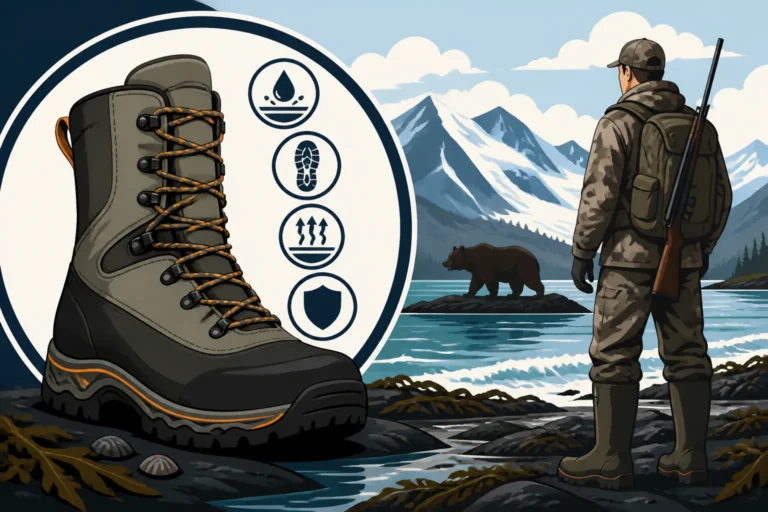
Professionalism also extends to safety, attitude, and ethical conduct. Did your guide prioritize your safety in challenging terrain or weather? Were they respectful, encouraging, and patient, especially during difficult moments? Did they consistently adhere to Alaska Hunter Education and Orientation Requirements and ethical hunting practices? For example, if you were on a Alaska Brown Bears on the Coast Versus Interior Grizzlies hunt, how did they handle bear safety, and did they make you feel secure in potentially dangerous situations? A guide's demeanor can truly make or break a trip, shaping not just the outcome but the entire experience.
Camp Conditions and Logistics
The quality of your camp, especially on a multi-day backcountry hunt, significantly impacts comfort, morale, and even health. What was the quality of the tentage or cabin? Was the equipment provided (sleeping bags, pads, cooking gear, satellite communication devices) adequate and well-maintained? How was the food preparation and variety? Were hygiene standards acceptable?
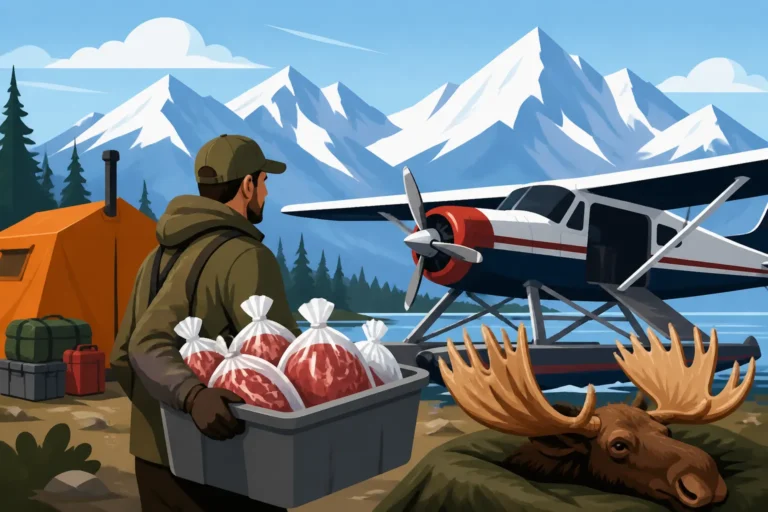
Logistics, such as travel to and from the hunting area, meat and trophy care, and emergency preparedness, are also critical. Did the air taxi or boat transport run smoothly, or were there unexpected delays or issues? Was Meat and Trophy Shipping From an Alaska Camp handled efficiently and legally? What were the plans for Emergency Evacuation Plans in Remote Alaska if things went sideways? Even small details, like having enough dry firewood or readily available drinking water, contribute to the overall impression of a well-run operation.
Success Rate Versus Overall Experience
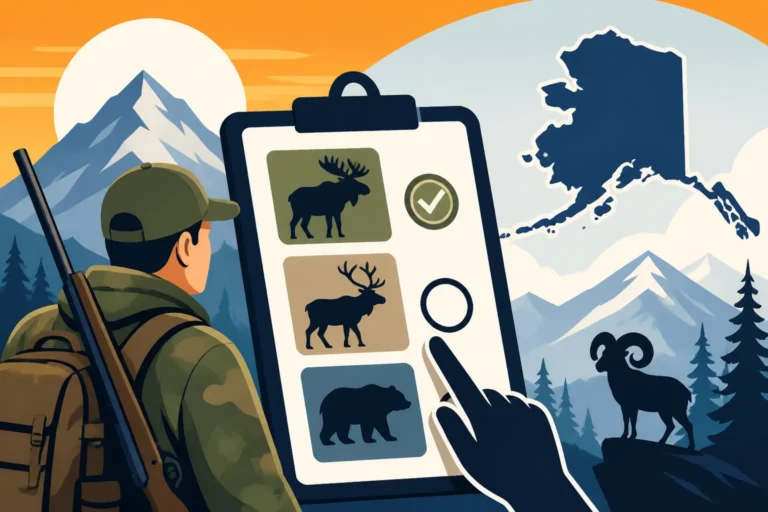
It's tempting to judge a hunt solely on whether you harvested an animal. While success is undeniably a major factor, especially for those pursuing a challenging species like Alaska Mountain Goats in Coastal Cliff Country, it's crucial to differentiate between a lack of opportunity and a poor experience. Sometimes, despite the best efforts of the guide, the animals simply aren't cooperating, or conditions are too harsh. Alaska is wild, and game isn't guaranteed.
Instead, consider the quality of the hunting opportunities presented. Did your guide put you in good positions? Were the stalks well-executed? Did you learn something new, or enjoy the process of hunting in a new landscape? An unsuccessful hunt can still be an incredible, memorable adventure if the effort, experience, and guiding were top-notch. Conversely, a successful hunt might still leave a bitter taste if the guide was unprofessional or the experience was otherwise negative. Be honest about both the outcome and the journey.
Ethical Practices and Fair Chase
This is paramount in the hunting community. Did the outfitter and guide adhere strictly to all Alaska hunting regulations and the principles of fair chase? Were there any questionable practices that made you uncomfortable? This includes everything from following Alaska's Same-Day-Airborne Rule and What It Bans to proper Packing Out Meat in Alaska: The Salvage Law Hunters Must Follow.
Observing ethical conduct in the field isn't just about legality; it's about respecting the animals, the land, and the spirit of hunting. If you witnessed or were encouraged to engage in any practices that felt unethical or illegal, it's not only your right but your responsibility to include this in your review. Such information is crucial for maintaining the integrity of hunting and protecting wildlife resources.
Platforms for Sharing Your Outfitter Review
Once you’ve gathered your thoughts and decided what you want to communicate, the next step is choosing where to share your review. Different platforms serve different audiences and purposes, so select the one that best suits your goals for disseminating information.
Dedicated Hunting Review Sites and Forums
Many hunters begin their search on platforms like BookYourHunt or GoHunt, and these sites often host client testimonials. These specialized platforms are designed for hunters to share detailed experiences and insights, and they are usually well-moderated. Reviews on these sites tend to be highly valued by prospective clients because they know they are coming from fellow hunters with similar interests. When you leave feedback on such a site, you're directly contributing to a knowledge base that is actively sought out by others planning their trips.
Beyond booking platforms, numerous hunting forums and online communities exist where hunters openly discuss outfitters. While these can be less structured, they offer a space for more nuanced conversations and direct Q&A. Participating in these forums with a thoughtful review can lead to discussions that clarify details, answer specific questions, and help build a broader understanding of an outfitter's operations. Just remember to maintain professionalism, even in casual settings.
Social Media and Personal Blogs
While less formal, social media platforms like Facebook, Instagram, or YouTube, and personal hunting blogs, offer a wide reach. If you have a significant following or a blog dedicated to your hunting adventures, sharing your outfitter review here can impact a large audience. Many outfitters also maintain active social media presences, and tagging them (positively or with constructive criticism) can sometimes prompt a direct response.
The key here is balance. If you had an exceptional experience, a glowing post with great photos can be fantastic marketing for the outfitter. If you had a less-than-stellar trip, a well-worded post focusing on facts and constructive feedback, rather than emotional rants, will be much more effective and credible. Remember that social media posts often live forever and can be easily shared, so choose your words carefully.
Direct Feedback to Booking Agencies
Sometimes, you might have booked your hunt through a third-party booking agency or hunt consultant. These agencies, including larger ones like BookYourHunt, often have their own internal review processes. Providing feedback directly to them is incredibly important, as they often have existing relationships with outfitters and can leverage their influence to address issues or reinforce positive experiences.
Even if you didn't book through an agency, many outfitters partner with services like GoHunt that provide research tools and sometimes connect hunters with guides. Leaving your feedback on specialty sites like BookYourHunt or GoHunt can be incredibly valuable, as these platforms often curate their recommended outfitters based on client satisfaction. This direct channel allows your feedback to potentially influence an outfitter's standing or recommendations within the agency's network.
Crafting an Effective and Fair Review
A good review isn't just a simple thumbs up or thumbs down. It’s a narrative, a detailed account that gives context and specific examples. Whether your experience was overwhelmingly positive or largely negative, the way you present your feedback determines its impact and credibility.
Be Specific and Factual
General statements like "the guide was great" or "the camp was terrible" aren't nearly as helpful as specific details. Instead of saying "the guide was great," describe how they were great: "Our guide, John, was an absolute expert at Calling Moose in Alaska With a Scapula and a Cow Call, bringing in two bulls within rifle range on successive days." Or, if camp was an issue: "The camp tent leaked significantly during a prolonged rainstorm, and the provided sleeping bags were damp, leading to uncomfortable nights."
Support your claims with verifiable facts and observations. Mention specific dates, locations if appropriate, and actions taken by the guide or outfitter. This not only makes your review more credible but also provides actionable information for both future hunters and the outfitter. Vague complaints are easy to dismiss; specific issues are harder to ignore.
Balance Positives and Negatives
Even on a challenging hunt, there are usually some positives. Conversely, a fantastic hunt might have had a minor hiccup or two. An effective review acknowledges both. A perfectly glowing review might seem disingenuous, just as a purely negative one can come across as overly critical or vindictive.
For example, you might write: "While we didn't harvest a Alaska-Yukon Moose Body Size and Antler Spread on our hunt, our guide's relentless effort and knowledge of the terrain were truly impressive. We saw game every day, and the stalks were well-executed. The only minor issue was the unexpected delay in our pickup due to unforeseen weather, which added an extra day in camp." This approach demonstrates fairness and offers a more complete picture, lending more weight to your observations.
Maintain Professionalism and Avoid Personal Attacks
It can be incredibly frustrating if a hunt doesn't go as planned, especially when significant money and vacation time are invested. However, letting emotions dictate your review undermines its credibility. Avoid personal insults, name-calling, or overly aggressive language. Focus on the facts and the impact of specific actions or inactions.
If you had a dispute or disagreement, describe the situation objectively. For instance, rather than saying, "The outfitter ripped us off with hidden fees," you could state, "There was a discrepancy between the agreed-upon Trophy Fees on an Alaska Guided Hunt in our contract and the final bill, which caused some confusion." A calm, measured tone, even when detailing serious issues, is far more persuasive and helpful than an angry tirade. Remember, the goal is to inform and improve, not to simply vent.
Timing Your Review
The timing of your review can also play a role in its effectiveness. While it's tempting to write a review immediately upon returning, it's often wise to give yourself a few days, or even a week or two, to process the experience. This allows the immediate emotions (whether elation or disappointment) to subside, enabling you to write a more objective and balanced account.
However, don't wait too long either. Key details and specific moments can fade from memory over time. Aim to write your review within a month or so of returning from your hunt, while the experience is still fresh in your mind but you've had time for reflection. This allows for both detail and perspective.
Navigating Common Review Dilemmas
Writing a review isn't always straightforward. There are certain situations that can make the process particularly tricky. Understanding how to approach these common dilemmas will help you craft a more thoughtful and impactful review.
The Unsuccessful Hunt: Was it the Guide or Circumstance?
This is perhaps the most common dilemma in hunting reviews. It's easy to blame the guide when you don't tag out, but the wilderness is unpredictable. Before writing your review, carefully consider the factors at play. Did the guide actively scout, put in honest effort, and use their knowledge to maximize your opportunities? Were their judgments sound, even if they didn't lead to a shot? Or did you observe laziness, poor judgment, or a lack of knowledge?
Sometimes, an unsuccessful hunt is simply a result of challenging weather, low game populations in a particular year, or the sheer difficulty of a species like Alaska Mountain Goats in Coastal Cliff Country. If the guide did everything right, but nature didn't cooperate, acknowledge their effort and skill. You can still highlight the positive aspects of the experience, such as Alpine Navigation Without Cell Service or Reading Sheep Country From a Glassing Knob skills, even without a trophy in hand. Your review should reflect the guide's performance, not just the outcome.
Dealing with Disagreements or Disputes
If you encountered a significant disagreement or dispute with your outfitter or guide—perhaps regarding pricing, safety protocols, or ethical conduct—it's crucial to address it in your review, but with care. First, attempt to resolve the issue directly with the outfitter. Often, miscommunications can be cleared up, or legitimate grievances addressed through direct dialogue. If a resolution isn't possible, then your review becomes a public record of the issue.
When detailing a dispute, present the facts as objectively as possible. State what happened, what was communicated, and how the situation was or was not resolved. Avoid accusatory language and focus on the specific points of contention. For example, if there was a problem with Alaska meat salvage requirements, explain what happened, what the guide did or didn't do, and the impact on the hunt. Providing specific documentation, if you have it (like contract terms or email exchanges), can strengthen your case without resorting to emotional appeals.
Privacy and Sharing Personal Details
When writing your review, be mindful of privacy. While you are sharing your personal experience, avoid revealing sensitive personal information about yourself, other hunters in your group, or the guide and their staff (beyond what's necessary for identification, like the guide's first name).
For example, you don't need to share your guide's home address, specific family details, or highly personal conversations. Focus on their professional conduct and performance. If you're discussing another hunter in your group, ensure you have their permission to share any details that might identify them or their experience. The goal is to inform the public about the outfitter's service, not to violate anyone's personal privacy.
Here’s a quick overview of what to include in your outfitter review:
| Review Category | What to Evaluate | Key Details to Mention |
|---|---|---|
| Pre-Hunt Communication | Responsiveness, clarity, setting expectations. | How quickly questions were answered (e.g., within 24 hours). Accuracy of gear lists. Transparency of Guide Contracts and Deposits in Alaska. Whether promised itinerary/species matched reality. Any changes in plans and how they were communicated. |
| Guide Competence & Professionalism | Knowledge of game/terrain, effort, safety, ethics, attitude. | Guide's specific skills (e.g., calling, tracking, navigation, Field Judging a Legal Bull Under Alaska Antler Rules). Their physical condition relative to the hunt. Prioritization of safety (e.g., Bear Safety While Butchering a Kill in Alaska, Bear Spray Versus Rifle at Close Range). Adherence to regulations. Demeanor (patient, encouraging, respectful). |
| Camp Conditions & Logistics | Quality of shelter, equipment, food, hygiene, transport, trophy/meat care. | Condition of tents/cabins. Functionality of gear (stove, sleeping bags, comms). Quality and quantity of food. Cleanliness of camp. Timeliness of Float Plane Lakes in Interior Alaska or boat transport. Handling of Cape and Skull Care for a Brown Bear Hide and meat. |
| Hunting Opportunities | Number and quality of game sightings, stalk success, habitat knowledge. | How many animals were spotted daily. Proximity of game. Effectiveness of stalks. Guide's understanding of Moose Habitat in Alaska Burn Scars or Willow Flats Versus Spruce for Bull Moose. Whether you felt put in a position to succeed. |
| Overall Experience | Was the experience enjoyable, educational, memorable, despite outcomes? Did it meet your personal goals? | Beyond success, did you enjoy the wilderness experience? Did you learn new skills? Would you recommend this outfitter to a friend for a similar hunt? Were the challenges manageable or overwhelming? How did the outfitter and guide handle unexpected situations (e.g., severe weather, injury, Recovering a Moose Downed in a Beaver Slough)? |
| Value for Money | Did the cost justify the services and experience received? | Considering the Alaska Guided Hunt Price Ranges by Species, did the quality of the guide, camp, food, and logistics align with the price point? Were there any unexpected costs? What was included in the base fee versus what was extra (e.g., Alaska Licence and Tag Costs on Top of the Guide Fee)? |
Leaving a thoughtful and honest review after your Alaska hunting trip is more than just sharing your story; it's a contribution to the broader hunting community. By taking the time to provide specific, balanced, and professional feedback, you empower fellow hunters to make better decisions and encourage outfitters to continually strive for excellence. Your words carry weight, so use them wisely to ensure the spirit of ethical and responsible hunting thrives in the Last Frontier.
Disclaimer
This article is for general informational purposes only and does not constitute professional advice. Laws, prices and regulations vary by location and change over time. Consult a qualified professional for guidance on your specific situation.