Alaska Mountain Goats in Coastal Cliff Country
There's a raw, untamed allure to hunting Alaska's mountain goats, but it comes with a steep learning curve and a serious dose of reality. Many hunters dream of the high country, only to be confronted by the brutal weather, impossibly steep terrain, and the sheer physical demands unique to coastal goat hunting. This guide aims to pull back the curtain on chasing these magnificent animals in Alaska's rugged cliff country, providing you with the comprehensive knowledge needed to plan, prepare, and execute a successful and ethical hunt.
The Allure and Challenge of Alaska Mountain Goats
There's a reason why the mountain goat hunt is often called the "poor man's sheep hunt" or simply the "hunt of a lifetime" by those who know. It's not just about the animal; it's about the entire experience—the vertical world, the unpredictable weather, and the incredible test of physical and mental endurance. For many, it represents the pinnacle of North American hunting challenges.
Why Goats are the Ultimate Alpine Challenge
Forget your notions of leisurely strolls through timber or easy glassing from a truck. Mountain goat hunting, especially in Alaska's coastal regions, is a brutal affair that will push you to your absolute limits. The terrain consists of rock faces that seem to defy gravity, shale slides that offer no purchase, and dense, tangled alders that guard the approaches to the alpine. It's an environment where every step is a conscious decision, and a misstep can have dire consequences. The weather can swing from glorious sunshine to blinding fog, driving rain, or even snow, all within a few hours. This constant variability adds another layer of complexity, demanding a profound respect for the elements and an unyielding will. Successfully navigating these conditions, let alone finding and harvesting a goat, requires not just skill with a rifle but a deep reservoir of grit, determination, and meticulous preparation.
Common Misconceptions About Goat Hunting
One of the biggest misconceptions about mountain goat hunting is that it's solely about high-altitude, open-country glassing, much like Dall sheep. While goats do inhabit the alpine, coastal Alaska presents a unique set of challenges often overlooked. Unlike the drier, more predictable climate of interior sheep country, coastal goat habitat is characterized by incessant rain, thick fog, and dense, wet timber that extends surprisingly high up the mountainsides. This means visibility can be severely limited, making long-range glassing often impossible. Access isn't always from a remote airstrip; sometimes it involves boat drops onto rocky beaches or navigating treacherous inlets. The dense vegetation and saturated ground mean wet feet and constantly damp gear are the norm, testing even the best waterproofing. It's not just a physically demanding hunt; it's a mentally grinding one, where persistence through discomfort is paramount.
The Unique Reward of a Coastal Goat Harvest
Despite, or perhaps because of, these formidable challenges, the reward of a coastal Alaskan mountain goat harvest is truly unparalleled. Imagine topping out on a jagged ridge after days of climbing through rain and mist, only for the clouds to part and reveal a pristine, untouched wilderness stretching to the sea. The feeling of earning an animal in such a magnificent and unforgiving landscape is profound. The trophy itself, with its pristine white coat and sharp, black horns, is a striking reminder of the effort. More than just a set of horns or a hide, it represents the culmination of immense physical exertion, mental resilience, and a deep connection to a truly wild place. It’s an adventure that imprints itself on your soul, creating stories and memories that will last a lifetime, forged in the crucible of Alaska’s coastal cliffs.
Understanding Mountain Goat Habitat in Coastal Alaska
To successfully hunt mountain goats in Alaska, you first need to understand their preferred domain. Coastal goats aren't just in the high country; they utilize specific features within this rugged environment, and their movements are dictated by food, security, and the relentless coastal weather.
Coastal Cliff Ecosystems: More Than Just Rock
Coastal mountain goat habitat is far more complex than a simple rock pile. These ecosystems are a dramatic blend of sheer granite faces, treacherous shale slides, and surprisingly lush alpine meadows punctuated by pockets of dense, old-growth timber, particularly hemlock and spruce, that cling to the mountainsides at lower elevations. Goats use this diverse terrain expertly. The steep, impassable cliffs provide absolute security from predators, while the high alpine basins, often carved out by glaciers, offer a bounty of forbs, grasses, and lichens that constitute their primary diet. These transition zones between timber, rock, and meadow are key. They might bed down in a small cave on a cliff band, graze openly in an alpine bowl, then quickly drop into the timber for cover or to escape bad weather. Understanding these micro-habitats and how goats utilize them at different elevations and times of day is crucial for predicting their movements.
Seasonal Movement and Preferred Terrain
Mountain goats exhibit distinct seasonal movements dictated by food availability, breeding cycles, and weather patterns. In spring, as the snow melts and new growth emerges, goats will often descend to lower elevations, sometimes even to the timberline or just above it, to access the first flush of green vegetation. This "green-up" period is vital for recovery after the lean winter months. As summer progresses, they move higher into the alpine, seeking out lush meadows, mineral licks, and the cooler temperatures of the high country. This is when bachelor groups of billies might congregate, and nannies will be raising their kids in relatively safer, though still precipitous, areas. Come fall, leading up to the rut, their movements become more erratic as billies begin to seek out ewes. During the rut itself, which typically peaks in November, billies will be more active and can sometimes be found lower than expected as they follow ewes. As winter approaches, goats seek out more sheltered, south-facing slopes that shed snow faster or areas with overhanging cliffs that offer protection from heavy snowfall and strong winds, often still within incredibly steep terrain.
Water, Weather, and Coastal Influences
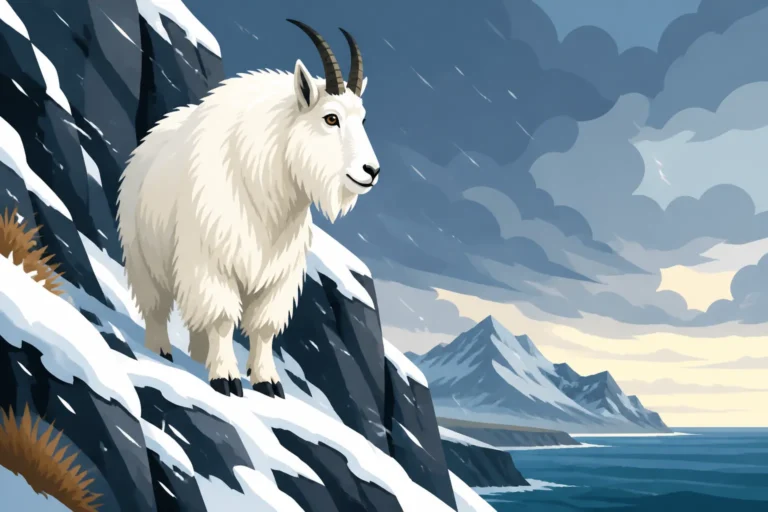
The coastal environment significantly shapes goat behavior. Unlike drier interior ranges, water is rarely an issue for coastal goats. Instead, it's the sheer abundance of moisture in the form of rain, mist, and persistent fog that dictates much of their daily lives and hunting challenges. Thick fog can roll in suddenly, reducing visibility to mere yards and effectively shutting down hunting until it lifts. Strong winds, funneled through mountain passes, can make traversing ridges dangerous and dampen spirits quickly. Goats are remarkably adapted to these conditions, their thick coats shedding water effectively. However, during prolonged periods of severe weather, they may seek shelter under rock overhangs or drop into the timber, making them extremely difficult to locate. Hunters, conversely, are much more affected. Planning for extended periods of rain, ensuring all gear is waterproof, and having a flexible schedule to account for weather delays are not just recommendations—they are absolute necessities when hunting these coastal cliff dwellers.
Decoding Mountain Goat Behavior and Movement
Successfully hunting mountain goats requires more than just knowing where they live; you need to understand how they live. Their social structure, daily routines, and highly developed senses all play a role in how you approach your hunt.
Herding Dynamics and Solitary Billies
Mountain goat social dynamics are fairly straightforward, yet understanding them can be key to finding your quarry. Nannies typically form small herds, often accompanied by their kids and yearlings. These groups provide a measure of security, with multiple eyes and ears to detect threats. They often utilize slightly less extreme terrain than the most aggressive billies, though still incredibly steep by human standards. Younger billies might form small bachelor groups, learning the ropes from each other, but as they mature, the largest, most dominant billies often become quite solitary. These older, more desirable billies tend to inhabit the most remote and dangerous sections of a mountain, seeking out the steepest, gnarliest cliffs where few predators (or hunters) dare to venture. Knowing these tendencies can help you focus your efforts. If you're seeing lots of ewe-kid groups, you're likely in good goat country, but you might need to push into even more challenging terrain to find that mature billy.
Feeding Habits and Daily Routines
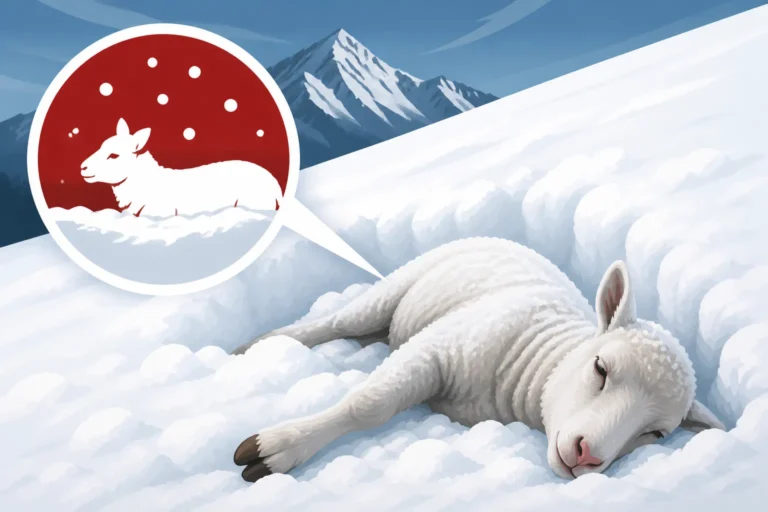
Like most ungulates, mountain goats are crepuscular, meaning they are most active during dawn and dusk. They spend these periods grazing on a variety of alpine forbs, grasses, and mosses, and browsing on small shrubs and lichens that grow in their high-altitude environment. During the brighter, warmer parts of the day, especially if the sun is out, they will often bed down on a small ledge or patch of snow, chewing their cud and conserving energy. These bedding sites are almost always chosen for security, offering clear views of potential threats below and above, and immediate access to escape terrain. Recognizing these patterns is vital for hunters. Early morning glassing sessions are often the most productive for spotting goats as they move from their secure bedding areas to feed. Later in the day, as evening approaches, they will once again become active. Observing these routines through your optics, especially with a tool like GoHunt's detailed unit data, can help you predict where they might be at different times, allowing for a strategic stalk.
Goat Senses and Evasion Tactics
Mountain goats possess incredible adaptations for survival in their vertical world, including keen senses. Their eyesight is exceptionally sharp, allowing them to spot subtle movements from astonishing distances, especially when silhouetted against a skyline or across an open basin. They are masters of detecting anything out of place in their environment. While their hearing isn't as acute as, say, a deer, they are still responsive to unusual sounds. Their sense of smell is also well-developed, and they often use the prevailing winds to their advantage, bedding in positions where their scent will drift down to detect anything approaching from below. Their primary evasion tactic, however, is simply their unparalleled ability to navigate impossible terrain. When threatened, a goat won't run horizontally; it will ascend, seemingly floating up cliffs that would require technical climbing gear for a human. This means a quick, decisive shot is critical once you've committed to a stalk, as a wounded goat can disappear into terrain where recovery is impossible.
Essential Gear for Coastal Mountain Goat Hunts
Hunting coastal mountain goats demands specialized gear designed to withstand extreme conditions and perform reliably. Skimping on quality here isn't just uncomfortable; it can be dangerous.
Layering for Unpredictable Coastal Weather
The cornerstone of any successful coastal Alaska hunt is a bombproof layering system. Forget cotton; it absorbs moisture and loses all insulating properties when wet, which it will be. Start with moisture-wicking synthetic or merino wool base layers that move sweat away from your skin. Mid-layers should consist of synthetic insulation (like fleece or a puffy jacket) that provides warmth even when damp. The outer shell is arguably the most critical component: a truly waterproof and breathable rain jacket and pants made from materials like Gore-Tex Pro or eVent. This shell needs to stand up to days of relentless rain and driving wind while allowing sweat to escape. Always carry a spare set of dry gloves, a warm hat, and a lightweight puffy jacket in your pack for unexpected drops in temperature or while glassing. Your boots must be equally stout – stiff-soled, waterproof, and well broken in. Good traction is non-negotiable on slick rocks and muddy slopes. It's a constant battle to stay dry and warm, but a proper layering system is your best defense against hypothermia and misery.
Navigation and Communication in Remote Terrain
In the vast, often featureless (from a ground-level perspective) and frequently fog-shrouded coastal mountains, reliable navigation and communication are not optional; they are life-saving. A robust GPS unit with detailed topographic maps is essential, but it should always be backed up by a physical map and compass, and the knowledge of how to use them. For communication, a satellite messenger device like a Garmin inReach or Zoleo is absolutely critical. These devices allow you to send and receive text messages, share your location, and activate an SOS function in an emergency, even when well beyond cell service. Developing a clear check-in plan with a trusted contact before your hunt is vital. Imagine pushing into a new drainage, the fog rolls in, and suddenly you can't see fifty feet. Without a reliable GPS and the ability to communicate, you're in a truly dangerous situation. Proper planning with these tools ensures that help can find you if something goes wrong. Always pack extra batteries or a power bank, as cold weather can quickly drain electronics. Learn more about Alpine Navigation Without Cell Service to master your skills.
Optics and Shooting Aids for Steep Angles
The ability to find, evaluate, and connect with a goat in this vertical world hinges heavily on your optics and shooting setup. High-quality binoculars (10×42 or 12×50) are your primary tool for scanning vast expanses of rock and timber. Pair them with a lightweight, sturdy tripod for stable, long-duration glassing sessions, which are crucial for spotting the subtle movements of goats or picking out a white spot against a snowy backdrop. A good spotting scope (20-60x power) is indispensable for judging whether a goat is a legal billy and for confirming horn length and base diameter from a distance. A rangefinder with angle compensation is also vital; calculating ballistic drops on steep uphill or downhill shots is fundamentally different from level ground, and misjudging the distance or angle can lead to a miss or, worse, a wounded animal. For shooting stability, a bipod attached to your rifle, combined with trekking poles, can provide a solid platform even on uneven, steep terrain. Remember, once you commit to a shot, you need to be confident and steady.
Backpacking and Camp Essentials
Your backpack is your life support system in coastal goat country. You'll need a pack with a high load capacity (80-100 liters or more) that can comfortably carry all your gear and handle a heavy meat load on the way out. Look for durable construction, a comfortable hip belt, and a solid frame. A bombproof tent is another absolute must. It needs to withstand gale-force winds and torrential rain; a lightweight backpacking tent designed for fair weather won't cut it. Brands like Hilleberg or ultralight, robust tents from companies like Stone Glacier are popular for their reliability. Your sleeping system, consisting of a warm sleeping bag (synthetic is often preferred for coastal hunts due to its performance when damp) and a high R-value sleeping pad, is critical for recovery each night. Don't forget a reliable stove and plenty of fuel, along with freeze-dried meals that are lightweight and calorie-dense. Every ounce counts on these hunts, so prioritize lightweight, durable, and functional gear. Consider how a Two-Man Tent Weight for a Sheep Hunt might inform your choice for a goat spike camp.
Planning Your Alaska Mountain Goat Expedition
A successful mountain goat hunt isn't just about showing up with a rifle; it's a meticulously planned operation that starts months, if not years, in advance. This preparation is what separates a hopeful trip from a successful expedition.
Choosing the Right Game Management Unit (GMU)
Alaska is vast, and not all areas are created equal when it comes to mountain goats. The first step in planning is researching specific Game Management Units (GMUs) known for healthy goat populations and reasonable access. Coastal areas like Prince William Sound, parts of the Kenai Peninsula, and Southeast Alaska are renowned for goat hunting. Tools like the Alaska Department of Fish and Game (ADF&G) harvest statistics are invaluable. You can see historical success rates, harvest numbers, and even horn size averages for different units. Websites and apps from companies like GoHunt provide even more granular data, helping you analyze draw odds, terrain features, and access points for specific hunt numbers. Don't just pick a unit because it sounds good; dig deep into the data to understand its potential and challenges. Consider factors like proximity to towns for logistics, available air taxi services, and land status within the unit.
Navigating Permits, Tags, and Seasons
The permit and tag system for mountain goats in Alaska can be complex, and it varies by GMU. Many prime goat units are managed through draw permits, where you apply during the November 1 to December 15 window for the following year's hunt. Other units might have registration hunts, where you sign up for a permit and are subject to quotas and emergency closures, or general season hunts that are over-the-counter. Non-residents are required to have a specific locking tag for mountain goats, in addition to their hunting license. It's absolutely crucial to consult the most current Alaska hunting regulations booklet for your chosen GMU. Pay close attention to season dates, bag limits, and specific regulations regarding nanny identification. Missing a deadline or misunderstanding a rule can derail your entire hunt before it even begins. Remember, Alaska Goat Seasons and Nanny Identification rules are in place for a reason and must be strictly followed.
Scouting Strategies: From Satellite to Boots on the Ground
Modern technology has revolutionized pre-hunt scouting. Start with extensive satellite imagery analysis using platforms like Google Earth or the detailed mapping features offered by GoHunt. Identify potential goat habitat: steep, rocky faces with benches, alpine meadows, transition zones between rock and timber. Look for areas with water sources, escape routes, and potential glassing knobs that offer expansive views. You can virtually trace possible ascent and descent routes, mark tentative spike camp locations, and identify areas of dense alder that might block access. This digital scouting should be complemented by studying topographic maps to understand elevation changes and contours. If possible, a physical pre-season scouting trip to the general area can provide invaluable ground-truthing, revealing details that satellite imagery can't—like the density of brush, the stability of scree slopes, or the actual steepness of a climb. Even if you can't get boots on the ground, dedicate many hours to Scouting a Unit From Satellite Imagery Before You Fly to mentally map your hunt before you arrive.
Guided Versus Unguided Hunts
For many non-resident hunters, the decision between a guided and unguided mountain goat hunt is a critical one, influenced by legal requirements, budget, and experience. Non-resident hunters in Alaska are legally required to be accompanied by an Alaska-licensed guide or a resident relative within the second degree of kindred when hunting brown/grizzly bear, Dall sheep, or mountain goat. This means an unguided goat hunt for a non-resident is generally not an option unless you have that specific family connection.
- Guided Hunts: Hiring an Alaska Registered Guide-Outfitter provides expertise, local knowledge, specialized gear, and logistical support. Guides know the terrain, goat habits, and often have private use permits for prime areas. This comes at a significant cost, typically ranging from $15,000 to $30,000 or more, plus tips and travel. However, it significantly increases your chances of success and safety, especially in challenging coastal environments. When considering a guide, research their track record, ask for references, and ensure their approach aligns with your ethical standards. Learn more about Hiring an Alaska Registered Guide-Outfitter.
- Unguided Hunts (for Residents or Specific Non-Resident Situations): For Alaska residents, or non-residents accompanied by a qualifying relative, an unguided hunt offers a more self-reliant and often more affordable experience. This requires meticulous planning, a high level of backcountry experience, excellent physical conditioning, and comprehensive knowledge of game animals, terrain, and emergency preparedness. An unguided hunt demands far more personal responsibility for all aspects, from logistics and gear to field care and safety. Even with all the planning in the world, the Alaskan wilderness can throw curveballs that demand swift, knowledgeable responses.
Ethical Hunting and Nanny Identification
Ethical hunting is paramount, especially with species like mountain goats where population dynamics can be sensitive. Misidentifying a nanny for a billy can have significant negative impacts on the local goat herd.
The Importance of Sex Identification in the Field
Harvesting a nanny (female goat) instead of a billy (male goat) is one of the most serious ethical and conservation concerns in mountain goat hunting. Nannies are the reproductive engine of the herd, and their populations are often slow to recover from overharvest. ADF&G regulations, and indeed hunter ethics, strongly emphasize the selective harvest of billies. A nanny harvest can set a local population back for years, especially if several are taken in a single hunting season. Therefore, before squeezing the trigger, every hunter has a profound responsibility to be absolutely certain of the goat's sex. This requires patience, good optics, and a thorough understanding of the subtle differences between billies and nannies. Rushing a shot or taking a chance is simply not an option.
Practical Tips for Distinguishing Billy from Nanny
Differentiating between a billy and a nanny in the field can be challenging, particularly at long distances or in poor light. However, several key characteristics can help:
- Body Size: Mature billies are generally larger and more heavily muscled than nannies, with a thicker neck and shoulder build. This difference becomes more apparent when comparing animals of similar age.
- Horn Shape and Thickness: This is often the most reliable indicator. Billies typically have horns that are thicker at the base and taper more gradually, forming a more even curve or "C" shape. Their horns tend to be straighter for the first few inches before curving back. Nannies, while their horns also curve, often have thinner, more slender horns that might hook back more sharply at the tips. The annuli (growth rings) on a billy's horn base will often be more pronounced and closer together than a nanny's, which can have a "wedding band" effect.
- Facial Features: Billies tend to have broader faces and a more Roman nose profile. Nannies often have a more delicate, slender face.
- Urination Stance: A unique, albeit less commonly observed, differentiator is their urination stance. Billies typically urinate forward, in a similar fashion to a male dog. Nannies squat to urinate. If you can observe this, it's a definitive sign.
- Presence of Kids: If a goat is accompanied by a kid, it is almost certainly a nanny. While a kid might temporarily wander from its mother, assume any goat with a young one is a nanny.
- Behavior: During the rut (late fall), billies will be more aggressive, chasing other goats, and displaying dominant behavior. Nannies will often be found in groups with other nannies and kids.
- Patience is Key: Never shoot until you are 100% certain of the animal's sex. Spend ample time glassing, observing, and using your spotting scope. If there's any doubt, pass. Learn more about Telling a Billy From a Nanny at Distance for additional tips.
Shot Placement and Recovery in Challenging Terrain
Once you've positively identified a legal billy, the challenge shifts to making an ethical shot and ensuring recovery. Goat terrain is unforgiving, and a poorly placed shot can result in a lost animal. Aim for the vitals (heart/lungs), just behind the shoulder, slightly low on a broadside animal. Due to the goat's thick hair and dense bone structure, a powerful cartridge with a tough, penetrating bullet is advisable. Calibers like .270 Win, .30-06, .300 Win Mag, or 7mm Rem Mag are popular choices.
After the shot, watch the animal's reaction intently. Goats, like sheep, can often absorb a lethal hit and travel surprisingly far, sometimes off a cliff, before succumbing. Mark the last spot you saw the goat with your GPS. If it falls or disappears into a chute, take extreme caution during recovery. Assess the terrain carefully before attempting to retrieve it. A lost trophy or, worse, a hunter accident, is not worth the risk. Many hunters opt to wait a few hours to ensure the animal is expired before attempting a treacherous recovery. Sometimes, a shot that drops the goat in its tracks, such as a high shoulder shot, is preferred to prevent it from going over a cliff, but this requires precision. Your safety, and that of your hunting partners, always comes first.
Field Care and Trophy Preservation
The work doesn't stop once the goat is down. Proper field care is critical to preserving both the meat and the valuable hide and horns, especially in Alaska's often-wet coastal environment.
Quartering and Cooling Meat in the Field
In the rugged, remote environment of coastal Alaska, speed and efficiency are paramount when it comes to field care. Once the goat is down and you've confirmed it's expired, the clock starts ticking, especially in warmer early fall weather. Immediately begin quartering the animal. This typically involves removing the four quarters, backstraps, tenderloins, and neck meat. The ribs can also be salvaged, though they add significant weight. Ensure you take all edible meat as per Alaska's salvage laws. Get the meat off the bone and into breathable game bags as quickly as possible. This allows for rapid cooling, which is essential to prevent spoilage and bacterial growth. Spread the game bags out in the shade, if available, or in a cool, breezy spot. Raising the meat off the ground on rocks or logs further aids air circulation. If possible, hang the meat out of reach of predators, like bears, which are prevalent in coastal areas. Quality game bags designed to breathe, even in humid conditions, are key to preventing a sour meat situation. Good Game Bags That Breathe in Coastal Rain are a game-changer.
Cape and Skull Care for a Lifelong Trophy
The cape and skull are the essence of your mountain goat trophy, demanding meticulous care in the field. After skinning, the entire hide, including the head, needs to be handled carefully. Make sure to cut the hide with plenty of extra material for the taxidermist, especially around the brisket and legs. The most crucial part of cape care in the field is turning the ears and lips and removing all flesh and fat from the hide. This allows salt to penetrate and preserve the cape. If you are packing out immediately and cannot do a full fleshing, a generous amount of non-iodized salt should be rubbed into the flesh side of the hide. In wet coastal conditions, getting the hide dry enough for salt to work can be a challenge. You might need to hang it for a few hours in a breezy spot, even in the rain, to let some moisture evaporate from the hair side before salting. Once salted, fold it flesh-to-flesh, roll it up, and place it in a porous bag, not a sealed plastic one, to allow moisture to wick away. The skull should be cleaned of all brain matter and excess flesh. If you're planning a skull mount, remember the rules for Skull Plate Removal for Sheep Horns will largely apply to goats as well, ensuring you get the full horn base.
Packing Out Meat and Trophy Safely
The pack out is often the most grueling part of a mountain goat hunt. You'll be carrying heavy loads over extremely difficult terrain, often in adverse weather. Distribute the weight evenly between your partners if hunting with a team. Secure the quarters and cape tightly in your pack to prevent shifting, which can throw you off balance on steep slopes. Prioritize safety: descend slowly, use trekking poles for stability, and be mindful of loose rock and slick surfaces. It's often safer to make multiple trips with lighter loads than to attempt one dangerous, overloaded descent. Ensure you have clear navigation marked on your GPS, as fatigue and changing light conditions can make familiar terrain seem alien. Carrying a sidearm or bear spray is also a wise precaution when packing out meat in bear country. Don't rush; a broken bone or worse is not worth getting to the pickup point an hour earlier.
Accessing Coastal Goat Country and Logistics
Getting to coastal mountain goat country in Alaska is often a significant logistical challenge, requiring careful planning and often the use of specialized air or marine transport.
Air Taxis and Boat Charters: Your Lifeline
For most coastal mountain goat hunts, you'll rely on bush planes or boat charters to get into your hunting area.
- Float Planes and Wheel Planes: Float planes are a common option, allowing access to remote lakes and rivers that provide a gateway to goat country. Wheel planes, like Super Cubs, can land on gravel bars or designated airstrips closer to the mountains. When working with an air taxi, thoroughly discuss their weight limits, especially if you anticipate heavy meat loads on the return trip. Understand their pricing structure, including "deadhead" time (the flight time from their base to your pickup point before they even pick you up). Book your air taxi well in advance, as popular transporters fill up quickly, especially during prime hunting seasons. Always build in extra days for weather delays; Alaska weather can ground planes for days on end, a lesson many hunters learn the hard way. Learn more about Fly-In Hunting: Working With an Alaska Transporter Pilot.
- Boat Charters: In many parts of Southeast Alaska and Prince William Sound, boat charters are the primary mode of access. These vessels can drop you off on remote beaches or in secluded inlets, allowing you to hike directly up into goat country. Charters offer more flexibility in terms of gear weight and can serve as a floating base camp. This can be especially useful for larger groups or if you prefer not to spike camp every night. However, boat charters also require careful planning regarding tides, landing spots, and emergency pickup points. Research reputable charter operators who have experience dropping off hunters. While often used for deer, the principles of Boat-Based Deer Hunting on Alaska's Island Coastlines also apply to goat access.
Choosing between air and boat access depends heavily on your specific GMU, budget, and hunting style. Both options require clear communication with your transporter about your itinerary, estimated pick-up dates, and contingency plans.
Planning for Weather Delays and Contingencies
Alaska's coastal weather is notoriously fickle and unpredictable. What starts as a clear, sunny morning can quickly devolve into a days-long storm of driving rain, high winds, and impenetrable fog. It's not a matter of if you'll encounter bad weather, but when and for how long. This means building buffer days into your itinerary. If your hunt is planned for seven days, bring enough food, fuel, and supplies for ten to twelve. Pack extra water purification, additional warm layers, and always have a fully charged satellite communication device. A flexible mindset is crucial; sometimes, the best decision is to sit tight in your tent, wait out a storm, and prioritize safety over sticking to a rigid schedule. Communicate any delays to your transporter or contact person as soon as possible. Contingency planning might include identifying emergency shelter locations, extra water sources, or alternative pickup points. Being prepared for the worst allows you to enjoy the best when it comes to fleeting clear windows.
Navigating Land Status and Public Access
Alaska has a complex patchwork of land ownership, including state, federal, and Native Corporation lands. Before venturing into any hunting area, you must thoroughly understand the land status to ensure you have legal access and comply with any specific regulations or permit requirements.
- State Lands: Most state lands are open to public hunting without specific access permits, but regulations vary.
- Federal Lands: These include national forests (like the Tongass and Chugach), national preserves (where hunting is generally allowed, unlike national parks), and national wildlife refuges. Each of these federal designations can have its own set of rules, including weapon restrictions or special use permits.
- Native Corporation Lands: Many regions of Alaska are owned by Native Corporations. Hunting on these lands almost always requires a special access permit, which can range from free to several hundred dollars. These permits usually specify what species you can hunt, the duration of your access, and sometimes even the method of take.
- Private Lands: While less common in remote areas, private land exists, and trespassing is illegal.
Always consult detailed land status maps, often available through online mapping tools, ADF&G, or services like GoHunt. Verify boundaries before your trip. Getting caught on private or restricted land without a permit can lead to fines, confiscation of game, and legal trouble, not to mention ethical concerns. Understanding Land Status in Alaska: State, Federal and Native Corporation is fundamental to a legal and respectful hunt.
| Feature / Trait | Billy (Male Goat) | Nanny (Female Goat) |
|---|---|---|
| Body Size & Build | Generally larger, more muscular, stocky neck & shoulders | Smaller, more slender, lighter body build |
| Horn Base Thickness | Thicker at the base, tapers gradually | Thinner at the base, more delicate |
| Horn Curve | More uniform "C" curve, straighter first few inches | Often more slender, can hook sharply at the tips |
| Annuli Rings (Growth) | More pronounced, often closer together, "wedding band" effect at base | Less pronounced, often wider spacing |
| Facial Profile | Broader face, often a "Roman nose" profile | More delicate, slender face |
| Behavior | Can be solitary, aggressive during rut, often in gnarlier terrain | Often in groups with other nannies and kids, less aggressive |
| Presence of Kids | Rarely accompanied by kids | Almost always accompanied by kids (if present) |
| Urination Stance | Urinates forward, standing | Squats to urinate |
| Overall Impression | Robust, powerful, often solitary | Graceful, delicate, maternal |
Disclaimer
Hunting in Alaska is an inherently dangerous activity. The information provided in this guide is for informational purposes only and should not be considered a substitute for professional guidance, thorough personal research, and adherence to all applicable laws and regulations. Always prioritize safety, consult official Alaska Department of Fish and Game regulations, and obtain all necessary licenses and permits before embarking on any hunting expedition. Weather conditions, terrain, and wildlife encounters can be unpredictable. Each hunter is solely responsible for their actions and safety in the field.