Two-Man Tent Weight for a Sheep Hunt
If you're gearing up for an Alaska sheep hunt, you already know the brutal truth: every single ounce in your pack feels like a ton when you're grinding up a mountain at 8,000 feet. The sheer physicality of these hunts means that weight management isn't just a preference; it's a make-or-break factor for success and, frankly, for survival. This guide is all about helping you understand the critical role your two-man tent's weight plays in that delicate balance and how to make the smartest choices to keep your load manageable without sacrificing vital shelter.
Why Tent Weight Matters So Much on an Alaska Sheep Hunt
Let's be real, chasing Dall sheep in the remote mountains of Alaska isn't like a leisurely hike in the park. This isn't just about covering distance; it's about gaining thousands of feet in elevation, often over steep, uneven terrain, all while carrying everything you need to live for a week or more. The weight of your tent, while seemingly small on its own, quickly compounds to become a significant factor in your overall pack load.
The Brutal Realities of Backpack Hunting in the Alpine
Imagine climbing a shale slide, each step a struggle, your lungs burning, and your quads screaming. Now imagine doing that for hours, day after day. This is the reality of backpack sheep hunting. The terrain in places like the Brooks Range or the Chugach can be incredibly unforgiving – steep talus slopes, endless scree, boulder fields, and ridgelines that seem to stretch to infinity. Altitude also plays a huge role; the higher you go, the thinner the air, and the more taxing physical exertion becomes.
Every single item in your pack contributes to the cumulative weight that you have to haul up these mountains. When you're talking about a multi-day hunt, sometimes covering 5-10 miles with significant elevation gain in a single day, the difference of even a pound or two in your tent can translate to hours of extra fatigue over the course of the hunt. This fatigue isn't just uncomfortable; it can lead to slower progress, reduced decision-making capabilities, and even increased risk of injury in rugged country. Many hunters underestimate this, thinking they can "just push through it," but Alaska's alpine environment has a way of humbling even the fittest.
The Trade-Offs: Comfort Versus Mobility
When it comes to your shelter, there's a constant push-and-pull between desiring comfort and needing mobility. A heavier tent might offer more interior space, beefier fabrics, or perhaps a more robust pole structure, promising a more comfortable night's sleep. However, that added comfort comes at the expense of your ability to move quickly and efficiently through the mountains.
A tent that's too heavy can genuinely limit your daily mileage. You might find yourself setting up camp earlier than planned, or hesitating to move a spike camp to a better glassing position because the thought of packing up and relocating that extra weight is just too daunting. This directly impacts your hunting success. Sheep hunting is often about covering ground, finding game, and being in a position to capitalize on an opportunity. If your heavy tent makes you less mobile, you're inherently less effective as a hunter in the alpine.
Conversely, going too light can leave you exposed. Alaska's weather is notoriously fickle. You can start a day under bluebird skies and be hunkered down in a whiteout snowstorm by evening. A tent that's too flimsy, too small, or not designed for severe weather can quickly turn a challenging hunt into a dangerous ordeal. The key is finding that sweet spot where your tent provides adequate protection without becoming a crippling burden.
Managing Total Pack Weight for Success
Your tent is just one piece of a much larger puzzle. The total weight of your pack, often ranging from 60 to 80 pounds for a sheep hunter starting out, includes your sleeping system, cooking gear, food, water, optics, first-aid, survival essentials, and of course, your rifle and ammunition. Every single item needs to be scrutinized.
Consider the weight of your optics, for example. High-quality spotting scopes and tripods are absolutely essential for Glassing at First Light Versus Midday and for Spotting Scope Power for Ram Judging, but they add significant bulk and weight. The same goes for your water filtration system, extra layers of clothing, and specialized tools. When you start with a heavy tent, it means you have less "budget" for other critical items, or you end up with an impossibly heavy pack.
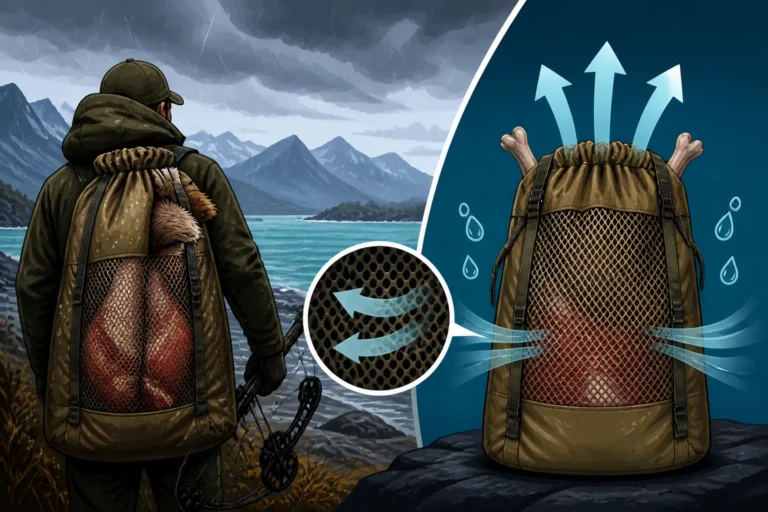
And then there's the payload for the way out: meat. If you're fortunate enough to harvest a ram, you'll be adding anywhere from 70 to over 100 pounds of boned-out meat and the cape/horns to your already heavy pack. Having a lighter base weight, thanks to careful gear choices like an appropriate tent, makes the grueling pack out infinitely more manageable. This is where the long hours of Training for a Backpack Sheep Hunt really pay off, but even the strongest hunter has limits. For a deeper dive into overall pack strategy, check out our guide on Backpack Hunting in Alaska: Gear Weight and Meat Loads.
Deconstructing the "Two-Man Tent" for Sheep Hunting
The term "two-man tent" can be incredibly misleading in the world of true backcountry hunting, especially when you're talking about an Alaska sheep hunt. What a manufacturer labels as a two-person shelter might feel like a coffin once you factor in gear, wet clothes, and the need for a bit of personal space after days in the wild.
Understanding Different Tent Types and Their Weight Implications
When you're looking at tents, you'll generally encounter a few main types, each with pros and cons for weight:
- Single-Wall Tents: These tents use a single layer of waterproof, breathable fabric for the entire shelter. They are typically the lightest option because they eliminate the need for a separate rainfly and inner mesh tent. However, single-wall tents are prone to condensation inside, which can make your sleeping bag and other gear damp in Alaska's often-humid or cold conditions. This is a significant drawback in an environment where staying dry is paramount for comfort and safety.
- Double-Wall Tents: The most common type, these consist of an inner mesh body and a separate waterproof rainfly. The inner tent provides bug protection and can be airy, while the rainfly offers weather protection. The air gap between the two layers helps manage condensation. Double-wall tents are generally heavier than single-wall tents due to the extra fabric, but they offer superior ventilation, versatility (you can pitch just the fly in certain conditions), and overall comfort, making them a very popular choice for sheep hunters despite the weight penalty.
- Ultralight Tents/Shelters: These are often minimalist designs, sometimes using trekking poles for support instead of dedicated tent poles to save weight. They might be single-wall or hybrid designs, made from cutting-edge, extremely lightweight materials. While tempting for their low weight, some ultralight options sacrifice durability, space, or extreme weather protection, which might not be wise in the exposed, volatile alpine environment of a sheep hunt.
- 4-Season Tents: These are designed for severe weather, including heavy snow loads and high winds. They typically feature more robust pole structures, stronger fabrics, and a lower profile to shed wind and snow effectively. While they offer exceptional protection, they are almost always heavier and often less ventilated than 3-season tents. For many Alaska sheep hunts, a well-designed, sturdy 3-season tent that leans towards the stronger end of the spectrum can often suffice, but true 4-season tents are essential for late-season or exceptionally exposed hunts.
Material Science: What Makes a Tent Light (or Heavy)
The materials used in a tent are the primary drivers of its weight, durability, and cost.
- Fabrics:
- Nylon: The most common tent fabric, often ripstop nylon, is coated with silicone or polyurethane for waterproofing. Lighter tents use thinner denier (D) nylon, which is less durable but shaves ounces. Heavier tents use thicker denier fabrics for increased tear resistance and longevity.
- Dyneema Composite Fabric (DCF): Formerly Cuben Fiber, DCF is an ultralight, extremely strong, and fully waterproof non-woven composite material. Tents made from DCF are incredibly light and pack small, but they come with a hefty price tag and are often less breathable and more prone to puncture than traditional nylon, though much harder to tear. Its crinkly texture can also be a bit noisy in the wind.
- Poles: Tent poles are usually made from aluminum alloys (like DAC Featherlite or Easton) or, in cheaper tents, fiberglass. Aluminum poles offer an excellent strength-to-weight ratio. The diameter and number of pole sections directly affect the tent's stability and, consequently, its weight. Some ultralight shelters forgo dedicated poles entirely, relying on trekking poles for support.
- Zippers, Guylines, and Hardware: Even small components add up. High-quality, robust zippers can add a bit of weight but are crucial for longevity in dusty or icy conditions. The thickness of guylines, the type of stakes (titanium, aluminum, carbon fiber), and cordage for tensioning also contribute to the overall weight.
The "Two-Man" Misconception: Real-World Capacity
This is perhaps the biggest pitfall for new sheep hunters. A "two-man" tent from a manufacturer often means two average-sized people can lie down side-by-side with no room for gear inside. In the context of an Alaska sheep hunt, where you're wearing bulky cold-weather clothes, potentially drying out wet gear, and need to store your pack, rifle, and optics inside to protect them from the elements, a traditional two-person tent can feel incredibly cramped for two hunters.
Many experienced sheep hunters actually opt for a three-person tent for two people. This provides crucial extra space for gear, allows for more comfortable movement (especially when you're stuck in the tent during a storm), and gives you a bit more buffer from condensation. The weight penalty of stepping up from a minimalist two-person to a comfortable three-person can be surprisingly small in modern ultralight designs, and the increase in livability is immense. When you're spending days confined to a shelter waiting for weather to break, that extra elbow room is worth its weight in gold.
For those using services like GoHunt to research gear, they often highlight these real-world considerations rather than just manufacturer specs, helping hunters make informed choices that stand up to actual field conditions.
Ideal Weight Ranges and Features for an Alaska Sheep Hunting Tent
Choosing the right tent involves a careful balancing act. You need something light enough not to break your back, but robust enough to protect you from Alaska's notoriously unpredictable alpine weather.
Striking the Balance: Weight, Durability, and Weather Protection
For an Alaska sheep hunt, you're not just dealing with rain; you could face high winds, driving snow, sleet, and freezing temperatures, even in August. Your tent needs to be a fortress, not just a covering.
- Durability: The fabrics should be tough enough to withstand abrasion from granite, shale, and repeated packing/unpacking. Poles need to be strong enough to resist snapping in heavy winds. A torn tent or broken pole in a remote sheep basin is a severe problem, especially when you're days from the nearest road or pickup point.
- Weather Protection: Full waterproofing is non-negotiable for the fly and floor. Bathtub floors are critical to prevent groundwater from seeping in. The tent's design should be aerodynamic to shed wind, with ample guylines to secure it in a gale. Good vestibule space is also vital for cooking in bad weather and storing wet gear outside the main sleeping area.
- Weight: Aim for a sweet spot. Going too heavy adds unnecessary fatigue, but going too light risks catastrophic failure.
Must-Have Features for Alpine Conditions
Beyond the basic structure, certain features become absolutely essential for comfort and safety in Alaska's mountains:
- Ample Vestibule Space: This is your mudroom, your kitchen, your wet gear storage. A large vestibule (or two smaller ones) allows you to keep muddy boots, wet rain gear (which you'll definitely need, see Rain Gear Guides Actually Recommend), and even your pack out of the sleeping area, preserving precious internal space and keeping things dry. You can even cook safely in a vestibule during a storm.
- Excellent Ventilation: Even with a double-wall design, condensation can be an issue in cold, damp air. Strategically placed vents help minimize moisture buildup inside, keeping your down sleeping bag and clothes dry.
- Robust Pole Structure and Guylines: Look for tents with strong, high-quality aluminum poles that cross in multiple places for stability. Don't skimp on the guylines; they are what secure your tent in ferocious winds. Practice setting up and securing your tent properly before you head into the field.
- Footprint Compatibility: While adding a few ounces, a dedicated footprint protects your tent floor from punctures and abrasion, extending its life, especially when Setting Up a Spike Camp Above a Sheep Basin on rocky ground.
- Easy Setup: After a long day of hiking, the last thing you want is a complicated tent setup, especially in the dark or bad weather. Quick and intuitive pitching is a major plus.
Practical Recommendations for Two-Man Tent Weight
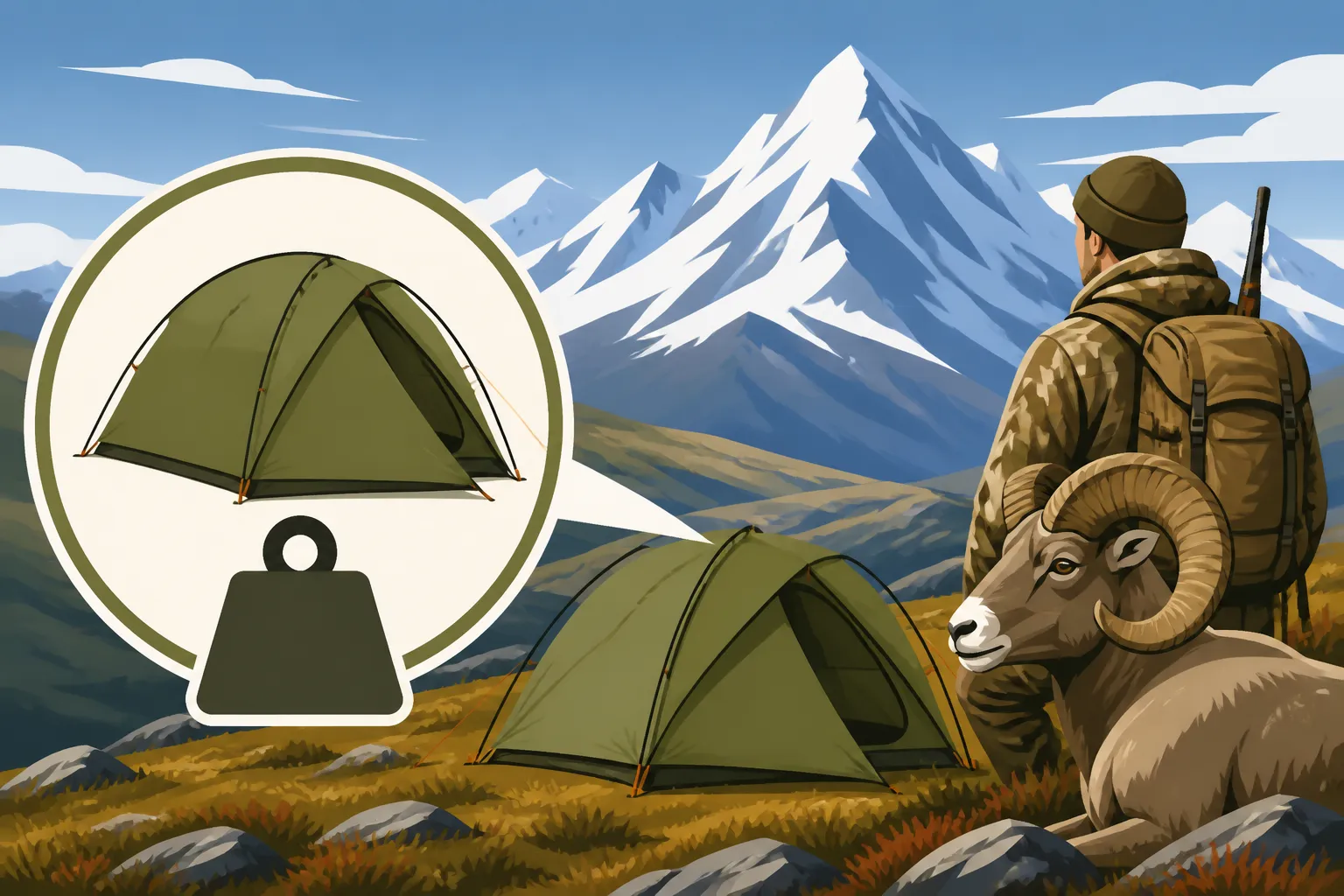
For a true two-man (two hunters with gear) sheep hunting tent that can handle Alaska's alpine, you're realistically looking at a total trail weight (tent body, fly, poles, stakes, stuff sacks) in the 3 to 5 pound range. This is for a three-person labeled tent to give two hunters adequate space and gear storage. If you're talking about a minimalist two-person tent, you might get down to 2-3 pounds, but you'll be sacrificing space and potentially durability or weather protection.
Here's a breakdown of what that weight range generally entails:
| Tent Type (Manufacturer Rating) | Ideal Hunter Capacity | Total Trail Weight (approx.) | Pros | Cons | Best Use Case |
|---|---|---|---|---|---|
| 2-Person Ultralight | 1-1.5 Hunters | 2 – 3.5 lbs | Extremely light, packs small | Very cramped for two, less durable, minimal vestibule | Solo hunt, or two minimalists in mild weather |
| 2-Person Sturdy 3-Season | 1.5 – 2 Hunters | 3.5 – 5 lbs | Good balance of weight & protection | Still can be tight for two with gear | Two experienced minimalists in varied conditions |
| 3-Person Lightweight 4-Season | 2 Hunters | 5 – 7 lbs | Excellent space, superb weather protection | Heavier, larger packed size | Two hunters needing comfort and extreme weather resilience |
Brands like Hilleberg, MSR, Big Agnes, and Nemo offer excellent tents in these categories. While Hilleberg tents might be on the heavier end, their bomb-proof construction and ability to withstand arctic gales are legendary. Companies like Big Agnes are known for pushing the boundaries of lightweight design while maintaining good functionality. Remember, when researching options, a resource like GoHunt often provides detailed field reviews that go beyond simple weight specs, offering insights into actual performance in challenging conditions.
Tips for Reducing Tent Weight and Overall Pack Load
Beyond just picking a light tent, there are strategies you and your hunting partner can employ to significantly lighten the load. It's a team effort that requires careful planning and communication.
Smart Packing and Gear Sharing Strategies
One of the biggest advantages of hunting with a partner is the ability to share communal gear. This is where significant weight savings can be made.
- Split the Tent: If you're using a double-wall tent, one hunter can carry the tent body and poles, while the other carries the rainfly and stakes. This immediately distributes the weight and makes it feel less burdensome for each individual. For a 4-5 lb tent, this means each person is carrying just 2-2.5 lbs of tent, which is highly manageable.
- Share Cooking Systems: You only need one stove, one fuel bottle, and one cooking pot for two people. One person carries the stove and pot, the other carries the fuel. This eliminates redundant items.
- Communal First Aid/Repair Kits: While you might each carry a small personal first-aid kit, a comprehensive group first-aid kit and a tent repair kit can be consolidated into one. Decide who carries it.
- Optics Rotation: While each hunter will likely have their own binoculars, you only need one Tripod Height for All-Day Glassing and one spotting scope for the pair. Coordinate who carries which piece of high-end glass, especially when you're constantly glassing for sheep from different vantage points or planning your approach after Reading Sheep Country From a Glassing Knob.
- Food Distribution: Divide up shared food items evenly or based on individual pack capacity. Vacuum-sealed meals can be split into smaller portions, and snacks distributed daily.
- Communication Devices: You likely only need one satellite communication device like an InReach or Garmin Messenger for checking in and emergency communication, though two offers redundancy. Make sure to have a clear plan for GPS Battery Life in Cold Camps for all your electronics.
The key here is meticulous planning before the hunt. Lay out all your gear, item by item, and discuss who is carrying what. This prevents duplication and ensures that critical items aren't forgotten.
The Role of Accessories: Footprints, Stakes, and Stuff Sacks
Even the small things add up! Don't overlook the potential for weight savings in your tent accessories.
- Footprints: While a footprint adds weight, it can significantly extend the life of your tent floor. Consider using a lightweight, custom-fit footprint or even a piece of Tyvek cut to size, which is lighter than many branded footprints. Some ultralight enthusiasts skip them altogether, but in rocky Alaska, a little floor protection can save your hunt.
- Stakes: Many tents come with heavier, less efficient aluminum stakes. Consider upgrading to lighter, stronger titanium or carbon fiber stakes. Some hunters even bring a mix: a few strong, heavy stakes for critical anchor points and lighter ones for less stressed areas.
- Stuff Sacks: The stuff sacks that come with your tent, poles, and stakes often add unnecessary bulk and weight. Replace them with lighter, simpler drawstring bags, or even use the tent body itself as the stuff sack, eliminating one item. Some experienced hunters simply roll or fold their tent loosely and stuff it into their pack without a sack to save a few more ounces and space.
- Guyline: Evaluate the guylines that come with your tent. If they're excessively thick or heavy, consider replacing them with thinner, stronger cordage like Dyneema or reflective utility cord.
Each of these changes might only save an ounce or two, but those ounces quickly turn into pounds across all your gear.
Training for a Backpack Sheep Hunt
Ultimately, even with the lightest gear, an Alaska sheep hunt is a physically demanding endeavor. No amount of gear optimization can replace physical fitness. Dedicated Training for a Backpack Sheep Hunt is crucial. This means not just cardio, but strength training focused on your legs, core, and shoulders to handle heavy loads over uneven terrain. Practicing hiking with a weighted pack, ideally in steep country, will prepare your body for the unique stresses of an alpine hunt. The fitter you are, the less those ounces will feel like tons, and the more energy you'll have to hunt hard, make good decisions, and enjoy the incredible experience that Alaska's mountains offer.
Disclaimer
Hunting in Alaska is an inherently risky activity. The information provided in this guide is for informational purposes only and should not be considered a substitute for professional instruction, extensive research, and sound judgment. Always prioritize safety, adhere to all hunting regulations, and be prepared for rapidly changing weather and challenging conditions. Ensure you have the necessary skills, experience, and gear for the specific hunt you are undertaking.