Rain Gear Guides Actually Recommend
It's a common story in Alaska: you invest in what you think is top-tier rain gear, only to find yourself soaked to the bone a few days into your hunt. The relentless moisture, sharp terrain, and unpredictable weather of the Last Frontier demand a different kind of waterproof protection than most hunters are used to. This guide dives deep into the realities of staying dry in Alaska, sharing the hard-won wisdom from seasoned guides on what truly works in the field and why your typical gear might be failing you.
Why Alaska Rain is Different: It's Not Just a Shower
Many hunters coming to Alaska, especially nonresidents, are blindsided by how profoundly the weather here impacts a hunt. It's not just a matter of "raining for an hour" or a passing thunderstorm. In many parts of Alaska, particularly the coastal regions or during the fall migration in the interior, you can experience days, even a week, of continuous, soaking wet conditions. This isn't just a nuisance; it's a constant, morale-sapping challenge that can quickly turn a dream hunt into a soggy nightmare, and even pose serious safety risks if you can't stay warm and dry.
The Relentless Drizzle and Driving Rain
Imagine waking up to a steady drizzle, packing up your spike camp in it, hiking all day through wet brush, glassing a distant hillside in it, and then setting up your tent and cooking dinner, all while the rain never truly stops. That's a typical day in many Alaska hunts. It might not always be a driving downpour, but the constant, permeating dampness is what truly tests your gear and your resolve. This isn't the kind of rain you can just "wait out" under a tree. You have to be able to move, hunt, and operate effectively for days on end through it, and if your gear isn't up to snuff, that perpetual wetness will seep into your clothing, your sleeping bag, and ultimately, your bones. It’s a psychological battle as much as a physical one, and staying positive when your hands are prune-like and your socks are squelching can be incredibly tough. You'll quickly learn that a brief respite from the rain doesn't mean your gear has a chance to dry out if the humidity remains at 100%. This constant moisture can break even the most hardened hunter if not properly prepared.
The Abrasion and Punishment Your Gear Faces
Beyond the sheer volume of water, Alaska's environment is brutal on delicate gear. Think about busting through dense willow thickets, scrambling over jagged shale slides in sheep country, or hauling a heavy pack across miles of spongy tundra. Every step, every brush against a branch, every slide down a wet rock face is an abrasive force working to compromise your rain gear's integrity. Most lightweight, packable rain jackets designed for casual hiking simply won't stand up to this kind of abuse for long. Seams get stressed, fabric tears, and waterproof membranes are punctured. Guides understand that durability is almost as important as waterproofing itself, because a torn waterproof jacket is no longer waterproof. This is why you'll often see them opting for gear that might be a little heavier or less "fashionable" but is built to withstand repeated punishment from the environment and the constant friction of Backpack Hunting in Alaska: Gear Weight and Meat Loads. A guide will tell you that a slightly heavier, tougher jacket that keeps you dry for ten days is infinitely better than an ultralight shell that rips on day two.
Shell Systems: The Outer Fortress Against the Elements
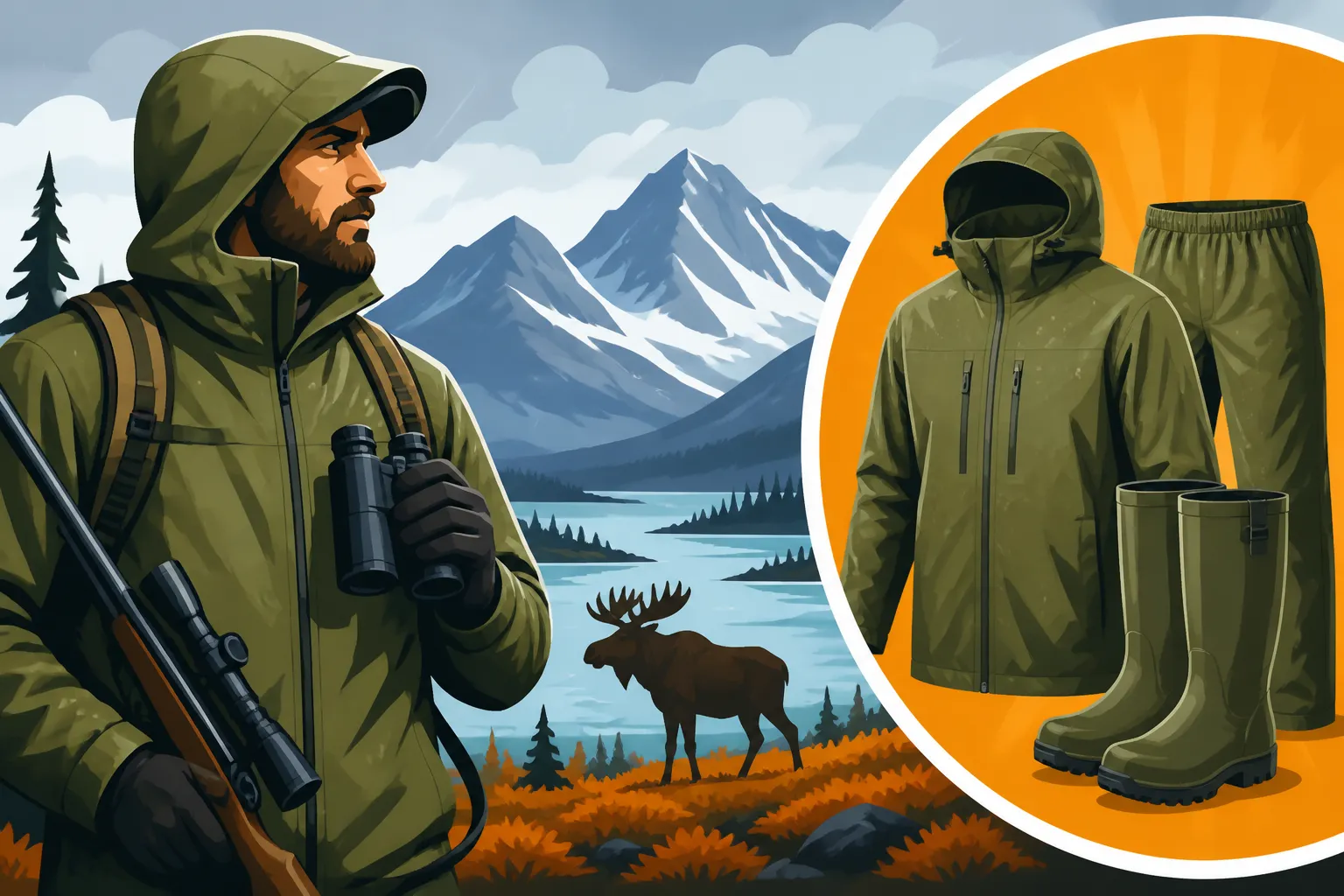
When it comes to your outer shell, we're talking about your primary defense against precipitation. This isn't just a jacket; it's the barrier that keeps your core warm and dry, allowing your inner layers to do their job. Guides have very strong opinions on what makes a good shell because their livelihoods often depend on it. They can't afford a jacket that wets out halfway through a miserable week, nor can they afford for their clients to be incapacitated by inadequate gear. The performance of your shell dictates your comfort, your safety, and your ability to effectively hunt.
Hard Shell Versus Soft Shell Philosophy
In Alaska, the choice often boils down to a hard shell or a more robust soft shell, but for truly wet conditions, most guides lean heavily towards a dedicated hard shell. A hard shell is typically a fully waterproof, non-stretchy outer layer, often made with a laminate membrane like GORE-TEX. It offers maximum protection against wind and rain, acting like a complete shield. The downside? They can be a bit stiffer, potentially noisier, and sometimes feel less breathable than a soft shell. However, when a proper storm rolls in and doesn't let up, that absolute protection is non-negotiable. Soft shells, on the other hand, prioritize breathability and flexibility. They're usually water-resistant, wind-resistant, and offer some stretch for comfort. They're fantastic for cold, dry, or intermittently drizzly weather, but if you're in a sustained downpour, especially on Hunting Alaska's Southeast Islands by Boat or deep in the rainforest, they will eventually wet out, leaving you cold and miserable. Guides often carry both – a soft shell for active wear and a bomb-proof hard shell for when the skies really open up, or when they're static Glassing the Alaska Range: Finding Game Before You Move. The distinction is important: a soft shell is great for keeping the chill off and shedding light precipitation, but it's not a substitute for a true hard shell when the weather turns truly foul.
Material Science: GORE-TEX and Beyond
Let's talk membranes. GORE-TEX has long been the benchmark, and for good reason. Its microporous structure blocks liquid water while allowing water vapor (sweat) to escape, theoretically keeping you dry from both outside and in. However, it's not the only player, and "GORE-TEX" itself encompasses several different products (Pro, Active, Paclite). Other excellent proprietary membranes include eVent, Pertex Shield, and Toray Dermizax. What matters most is the combination of the membrane with a durable face fabric and a good Durable Water Repellent (DWR) coating on the exterior. DWR helps water bead up and run off, preventing the face fabric from becoming saturated, which in turn allows the membrane to breathe effectively. Over time, DWR wears off and needs to be reapplied. Guides emphasize that perfectly taped seams are just as crucial as the membrane itself, as a tiny leak can compromise the entire garment. Some guides, particularly those working with clients who might have researched brands through platforms like GoHunt, will still lean into the known performance of GORE-TEX Pro due to its robust nature, but they'll also consider lesser-known brands if they prove themselves durable and truly waterproof in the field. Don't fall into the trap of buying a cheap "waterproof" jacket; it will likely let you down when you need it most.
Rain Pants: The Often-Overlooked Foundation of Dryness
While everyone focuses on the jacket, true Alaska veterans know that rain pants are often the unsung hero, or the tragic villain, of a wet hunt. Your legs are constantly pushing through wet brush, kneeling in soggy tundra, or sitting on damp logs. They take far more direct abuse than your upper body, yet too many hunters skimp on quality here. Investing in good rain pants is not optional; it's as critical as your rifle choice.
Durability and Functionality in Alaska Terrain
Rain pants in Alaska need to be tough. Period. A flimsy pair will be shredded by the end of the first day in dense willows, leaving your legs exposed and cold. Guides often look for reinforced knee and seat areas, knowing these are high-wear points. Beyond durability, functionality is key. Full-length side zippers are a game-changer. They allow you to pull your rain pants on and off without removing your boots, which is incredibly convenient when a sudden shower blows in or when you're quickly switching between hiking and still hunting. These zippers also double as critical ventilation, allowing you to dump excess heat and moisture during strenuous climbs or when the rain lightens to a drizzle. Trying to hike for miles in non-vented waterproof pants is a surefire way to get soaked from the inside out with sweat, rendering their waterproof properties useless. Many guides working for reputable services like those found on BookYourHunt insist their clients have full-zip rain pants for maximum comfort and adaptability in the field. This feature alone can dramatically improve your experience in the varied conditions you'll encounter.
Breathability vs. Waterproofing Balance
This is where rain pants get tricky. The ideal is to be completely waterproof and completely breathable, but in reality, there's always a trade-off. Your legs generate a lot of heat and sweat during activity, and if that moisture can't escape, you'll feel clammy and wet even if the rain isn't penetrating. Guides often look for rain pants with membranes that offer a good balance, but they also prioritize features like those full side zips to mechanically vent heat. The fit is also important; overly baggy pants can catch on brush, but too tight will restrict movement and further reduce breathability by compressing the membrane against your skin. You want enough room for layering underneath without excess fabric. Remember, even the best waterproof-breathable membrane has its limits, especially under the pressure of a heavy pack strap or when kneeling in water. This is why strategic ventilation is often more critical for comfort and dryness than the absolute highest breathability rating. You might find a heavy-duty, slightly less breathable pant with full zips to be far more effective in Alaska than a more breathable but less durable option that sacrifices ventilation.
Beyond Jackets and Pants: Crucial Rain Accessories and Strategies
It's not just your primary outer layers that keep you dry; a host of other accessories and smart strategies make all the difference between a miserable experience and a successful, if damp, hunt. Think of it as building a complete, integrated system designed to shed water and manage moisture, protecting not just yourself but your vital gear too.
Head, Hand, and Foot Protection
Your head, hands, and feet are often the first parts of your body to get cold and wet, and once they do, your overall comfort and performance plummet. A good waterproof hat with a brim, worn under the hood of your rain jacket, is essential. It keeps rain off your face, out of your eyes, and helps maintain visibility, especially when you're trying to Field Judging a Legal Bull Under Alaska Antler Rules or navigating thick timber. For hands, forget simply "waterproof." You need functional, warm, and waterproof gloves or mitts. Many guides prefer a layered approach: a thin liner glove for dexterity, and an over-mitt that is truly waterproof and durable. This allows you to remove the outer layer for fine motor tasks without completely exposing your hands to the cold and wet. Finally, your feet. Quality waterproof boots are non-negotiable, but they're only half the battle. Waterproof gaiters are just as important, preventing water from running down your legs and into your boots when walking through wet grass, deep snow, or stream crossings. Combined with proper sock systems, gaiters provide a crucial seal against the elements. You also need to consider Game Bags That Breathe in Coastal Rain to protect your meat and gear inside your pack, as well as a robust pack cover. Additionally, for bowhunters, keeping your archery tackle dry is paramount; consider a bow sock or full bow case to help with Keeping a Bowstring Dry for Ten Days.
Drying Out and Staying Positive
Even with the best gear, you'll get damp in Alaska. The key is managing that dampness and taking every opportunity to dry out. Guides often have small, ultralight camp towels and string up clotheslines inside their tents or under a tarp whenever there's a break in the weather. Using a small, efficient camp stove to boil water can help create some drying heat inside a tent (with extreme ventilation, of course, to avoid carbon monoxide). Changing into dry base layers and socks every evening, even if your outer layers are still damp, can dramatically improve morale and prevent chilling. This strategy helps immensely with overall comfort and prevents issues like trench foot. Remember, a significant part of successful hunting in Alaska, especially in adverse conditions like Hunting Sitka Blacktail Deer in the Alpine Before Snow, is mental fortitude. Staying positive, laughing off the occasional mishap, and focusing on the objective can make even the wettest hunt memorable for the right reasons. Always have a thorough Emergency Evacuation Plans in Remote Alaska in place, as hypothermia is a very real risk when dealing with prolonged exposure to cold and wet conditions. Lastly, don't forget the importance of proper Boot Requirements for Coastal Alaska Hunts; your feet are your primary mode of transportation and keeping them healthy is crucial.
| Feature | Importance for Alaska Rain Gear | Why It Matters for Guides |
|---|---|---|
| Durable Face Fabric | Critical | Resists tears from brush, rocks, and heavy pack wear, ensuring long-term waterproofness. |
| Waterproof Membrane | Critical | Absolute barrier against liquid water. GORE-TEX Pro, eVent, or similar are preferred. |
| Full-Length Side Zips | Highly Important | Allows easy on/off over boots and crucial ventilation for managing internal moisture. |
| Seam Taping | Critical | Prevents leaks at stitched areas, often the first point of failure in cheaper gear. |
| Adjustable Hood | Highly Important | Provides full head protection and maintains peripheral vision in driving rain and wind. |
| Reinforced Knees/Seat | Important | Extends life of rain pants in high-wear areas from kneeling, sitting, and pack abrasion. |
| Packability/Weight | Moderately Important | Gear needs to be carried, but durability often trumps ultra-light for primary layers. |
| DWR Coating | Critical | Helps water bead and shed, preventing face fabric saturation and maintaining breathability. |
Disclaimer
This article is for general informational purposes only and does not constitute professional advice. Laws, prices and regulations vary by location and change over time. Consult a qualified professional for guidance on your specific situation.