Emergency Evacuation Plans in Remote Alaska
Heading out into the vast, untamed wilderness of Alaska for a hunting trip is the dream for many of us. But let's be honest, it's also a place where things can go wrong in a heartbeat. Whether it's a sudden injury, an unexpected illness, or getting weathered in far longer than planned, the fear of being truly alone when help is miles – or even days – away is a very real concern. This comprehensive guide is all about confronting that fear head-on, walking you through how to develop solid emergency evacuation plans for your remote Alaska hunt, and giving you the peace of mind that comes with preparation.
The Stark Reality of Remote Alaska Emergencies
When we talk about hunting in Alaska, we're not talking about a quick stroll through a state park with cell service just around the bend. We're talking about vast, often trackless wilderness where the nearest road might be hundreds of miles away, and the closest human habitation is a tiny village accessible only by air or boat. This reality fundamentally changes how you approach safety and emergency planning.
Understanding the "Remote" Factor
"Remote" in Alaska isn't just a word; it's a way of life and, frankly, a major risk factor. Imagine this: you've flown deep into the Alaska Range for a Dall sheep hunt. Your pilot drops you off on a gravel bar, waves goodbye, and promises to be back in ten days. There's no cell signal, no designated emergency services like 911 in the traditional sense, and often, no other people for dozens, if not hundreds, of miles. Your safety net is the gear on your back, your preparedness, and your ability to communicate when absolutely necessary. The weather can change from calm and clear to a whiteout blizzard in hours, grounding all aircraft and making any rescue impossible until it breaks. Rivers can swell with rain, making travel impassable. It's an environment that demands respect and meticulous planning, because once you're out there, you are, for all intents and purposes, on your own until help can physically reach you.
Types of Emergencies You Might Face
While we all hope for a smooth hunt, ignoring the potential for emergencies is simply naive. Accidents happen, and Alaska's rugged terrain and volatile weather only amplify the risks.
- Medical Emergencies: This is often the first thing people think of. A sprained ankle miles from camp, a severe cut, hypothermia from a sudden drop in temperature, or even a pre-existing medical condition flaring up unexpectedly. On a hunt, you might be carrying heavy loads, traversing uneven ground, or dealing with sharp tools, all of which increase the chances of injury. If you're Backpack Hunting in Alaska: Gear Weight and Meat Loads, a twisted knee under a heavy pack is a serious problem.
- Weather-Related Incidents: Alaska weather is famously unpredictable. A sudden, prolonged storm can pin you down in camp for days past your scheduled pickup. This might not be a medical emergency, but if you're low on food, fuel, or have a tight schedule, it becomes a logistical nightmare that quickly escalates to a critical situation. Imagine being stuck in a tent with dwindling supplies while your pilot is grounded by fog.
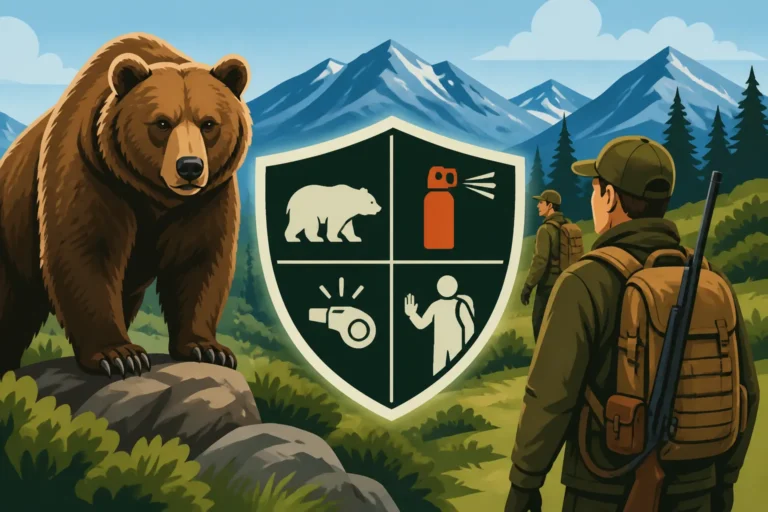
- Wildlife Encounters: While rare, a dangerous encounter with a bear or moose can lead to severe injury. Being prepared for Bear Safety While Butchering a Kill in Alaska is crucial, but even the best preparation can't prevent every accident.
- Lost or Stranded Situations: Disorientation can happen to anyone, especially in unfamiliar terrain or dense fog. If you get separated from your hunting partner or lose your way back to camp, it can quickly turn into a survival situation. This is where solid Alpine Navigation Without Cell Service skills and reliable tools are literally lifesavers.
- Gear Failure: A broken rifle, a torn tent in a windstorm, or a malfunctioning stove in freezing temperatures can all compromise your safety and turn a challenging hunt into an emergency.
Essential Tools for Communication and Signaling
In remote Alaska, your ability to communicate for help is paramount. Without it, you're relying entirely on luck and the diligence of your contact person.
Personal Locator Beacons PLBs
A Personal Locator Beacon (PLB) is often considered the gold standard for emergency signaling in remote areas. These devices, once activated, transmit a distress signal to a worldwide satellite system monitored by government agencies. It typically sends your unique identification code and your precise location. This signal goes to a Rescue Coordination Center, which then dispatches local search and rescue (SAR) resources.
The beauty of a PLB is its simplicity and reliability. There's no subscription needed for the emergency signaling itself (though you do need to register it), and it's designed for one purpose: calling for help. It's a "press for emergency" button, pure and simple. However, it's a one-way communication device. You can send a distress signal, but you won't get a confirmation message back, nor can you communicate details of your emergency. This means SAR won't know if you've got a broken leg or if you're simply weathered in, just that you need help now. Every hunter heading into truly remote country should strongly consider carrying one, even if they have other communication devices.
Satellite Messengers and Phones
Satellite messengers, like those offered by InReach or Zoleo, have become incredibly popular because they offer two-way communication. Unlike a PLB, you can send and receive text messages, allowing you to describe your situation, get updates from rescuers, and even check in with family. Many models also include GPS tracking and digital mapping capabilities. Some even have a dedicated SOS button that functions much like a PLB, alerting SAR directly through a monitoring center, but with the added benefit of two-way communication to relay specific details about your emergency. For hunters who want to stay in touch or provide detailed updates during an incident, these devices are a fantastic option. You do need a subscription plan, which varies depending on usage and features.
Satellite phones, while more expensive and often bulkier, offer full voice communication anywhere with a clear view of the sky. This can be invaluable for medical consultations or detailed coordination with a transporter. However, they are generally more fragile, have shorter battery lives, and require a more significant investment and subscription. For some highly specialized or extended expeditions, a satellite phone might be justified, but for most hunters, a satellite messenger provides a better balance of cost, durability, and function. Knowing your InReach Check-In Schedules for Solo Alaska Hunts is key to ensuring someone knows your status.
The Good Old-Fashioned Signals
While technology is great, don't forget the basics. A signaling mirror, a whistle, and brightly colored gear are still valuable tools, especially if your electronic devices fail. A signaling mirror can reflect sunlight for miles, alerting passing aircraft. Three gunshots, widely spaced, is an international distress signal. A brightly colored tarp or piece of clothing laid out in an open area can also attract attention. These methods are passive, meaning you're waiting for someone to spot you, but they can be crucial backups.
| Communication Device | Primary Function | Two-Way Communication | Subscription Required | Pros | Cons |
|---|---|---|---|---|---|
| PLB | Emergency SOS | No | No (registration only) | Most reliable, direct to SAR, long battery | No message confirmation, no status updates |
| Satellite Messenger | Text Messaging, SOS | Yes | Yes | Two-way comms, GPS, tracking, weather | Requires subscription, can be slower than voice |
| Satellite Phone | Voice Calls | Yes | Yes | Full voice comms, immediate conversation | Expensive, bulky, shorter battery, fragile |
| Signaling Mirror | Visual Signal | No | No | Simple, no power needed, long range | Requires clear weather/sun, passive |
| Whistle/Gunshots | Audible Signal | No | No | Simple, no power needed, immediate | Limited range, requires attention |
Crafting Your Evacuation Plan Before You Go
A device is just a tool; a plan is what makes it effective. Before you even pack your bags, you need to think through the "what ifs" and establish a clear, actionable strategy.
The Importance of a Detailed Trip Plan
This is arguably the most critical step. A trip plan isn't just an itinerary; it's a blueprint for your rescue. It should include:
- Your exact route: GPS waypoints, map coordinates, and descriptions of your intended travel.
- Departure and return dates: And expected check-in times.
- Contact information: For everyone in your party, your emergency contacts, and your air taxi or outfitter.
- Medical information: Any critical medical conditions, allergies, or medications for each member of your group.
- Gear list: To help rescuers understand your likely duration and self-sufficiency.
- Communication devices: What you're carrying and how they work.
- Emergency rendezvous points: If applicable, designate specific locations where you'd head if separated or if a non-aircraft pickup was possible.
Leave this detailed plan with at least two trusted individuals who are not on the trip with you. These people should know exactly when to worry and what steps to take if they don't hear from you. Having a designated emergency contact who is familiar with your plan, understands how to contact your transporter, and knows how to initiate a SAR response is paramount. This is also where resources like GoHunt can be invaluable for detailed map planning and identifying potential bail-out routes. Leaving a Trip Plan With a Contact isn't just a good idea; it's essential.
Working with Transporters and Guides
If you're using an air taxi or a guide, they are an integral part of your emergency plan. Don't assume they have everything covered; discuss their specific emergency protocols before you book.
- Air Taxis: Ask your air taxi pilot what their protocol is for missed check-ins or delayed pickups due to weather. Do they have multiple aircraft? What's their communication system? How often do they check on clients? Do they have contacts for other air taxis if they are grounded? Many reputable transporters will have robust check-in systems and a clear plan for when you're overdue. For fly-in hunts, discussing Building Extra Days Into a Fly-In Schedule is also part of this preparedness; weather delays are common.
- Guided Hunts: A reputable guide will have an emergency plan built into their operation. This often includes satellite communication, first-aid training, and direct contacts with air support. Ask your guide about their specific training, their communication devices, and their evacuation procedures. A guide from BookYourHunt, for instance, should be able to articulate their specific plan for medical emergencies or weather delays. A well-run guided trip will often have medical kits, bear spray, and communication devices ready to go. Remember that even with a guide, understanding the plan yourself is crucial. Emergency Evacuation Plans in Remote Alaska are a team effort, even if you're paying someone to lead.
Insurance and Financial Preparedness
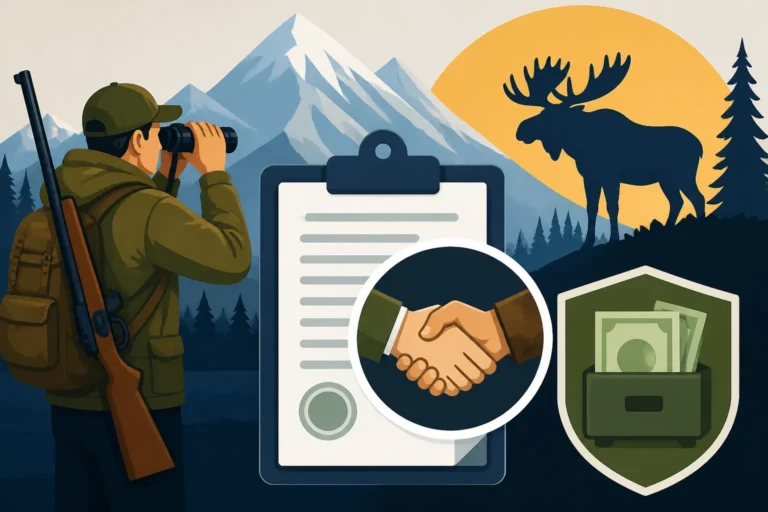
Emergency evacuations from remote Alaska can be incredibly expensive. Search and rescue operations initiated by government agencies (like the Alaska State Troopers) are often free, but once you're located, subsequent medical transport, private charter flights, or extended recovery costs can quickly run into the tens of thousands of dollars.
- Travel Insurance with Evacuation Coverage: This is not your standard trip cancellation insurance. Look for policies specifically designed for adventure travel that include "remote medical evacuation" or "wilderness search and rescue." Read the fine print carefully to understand what is covered, to what extent, and under what conditions. Some policies might only cover a flight to the nearest medical facility, not your home state.
- Medevac Memberships: Services like those offered by certain air ambulance companies can provide crucial peace of mind. For an annual fee, they often cover the cost of air medical transport from your point of injury to a hospital, regardless of location. This can be a game-changer if you need urgent care and aren't near a road system.
- Financial Cushion: Even with insurance, having a financial buffer for unexpected costs is wise. An emergency fund can cover deductibles, non-covered expenses, or additional travel and accommodation for family members if an incident occurs. Don't let financial stress compound a medical emergency in the wilderness.
What to Do When an Emergency Strikes in the Field
No matter how well you plan, an emergency will always feel chaotic. Having a clear head and a practiced response can make all the difference.
Prioritizing Safety and Stabilizing the Situation
The first moments of an emergency are critical. Your immediate actions should focus on two things: ensuring everyone's safety and stabilizing the situation.
- Assess and Secure: Is the immediate danger still present? (e.g., bear encounter, falling rocks). Move to a safer location if necessary. Once secure, assess the injured person. What are their injuries? What's their level of consciousness?
- First Aid: Administer immediate first aid within your training. If you're heading into remote Alaska, having at least a WFA (Wilderness First Aid) certification is highly recommended, and WFR (Wilderness First Responder) is even better. You should carry a comprehensive first-aid kit and know how to use everything in it. Stopping bleeding, splinting a fracture, or treating for shock can buy crucial time.
- Shelter and Warmth: Protect the injured person from the elements. Get them into a tent, sleeping bag, or under a tarp to prevent hypothermia, which can quickly complicate any injury.
- Make a Plan (The "Stop" Rule): Stop, Think, Observe, Plan. Before you do anything drastic, take a moment. What resources do you have? What's the weather doing? What's the most logical next step? Don't let panic override common sense.
Activating Your Communication Device
Once the immediate situation is stabilized, it's time to call for help.
- Choose the Right Device: If you have a satellite messenger, use it to send a detailed message describing your situation. This provides rescuers with critical information. If you only have a PLB, activate it according to its instructions.
- Clear Line of Sight: Ensure your device has a clear view of the sky for optimal signal transmission. Move to higher ground if necessary, or out from under dense tree cover.
- Stay Put (Generally): Unless there's an immediate, life-threatening reason to move (e.g., rising floodwaters, an unstable rockfall), stay at the location where you activated your device. Rescuers will be looking for that specific GPS coordinate. Moving complicates their efforts.
- Conserve Battery: Once you've sent your initial distress signal, conserve battery life. Turn off non-essential features, and only use the device for critical communication.
Waiting for Help: Mindset and Logistics
Help is coming, but it might not be instantaneous. In remote Alaska, a rescue operation can take hours or even days, depending on weather, location, and available resources.
- Maintain Morale: This is easier said than done, but a positive attitude can significantly impact your survival. Keep busy with tasks, talk to your partners, and focus on the steps you've taken.
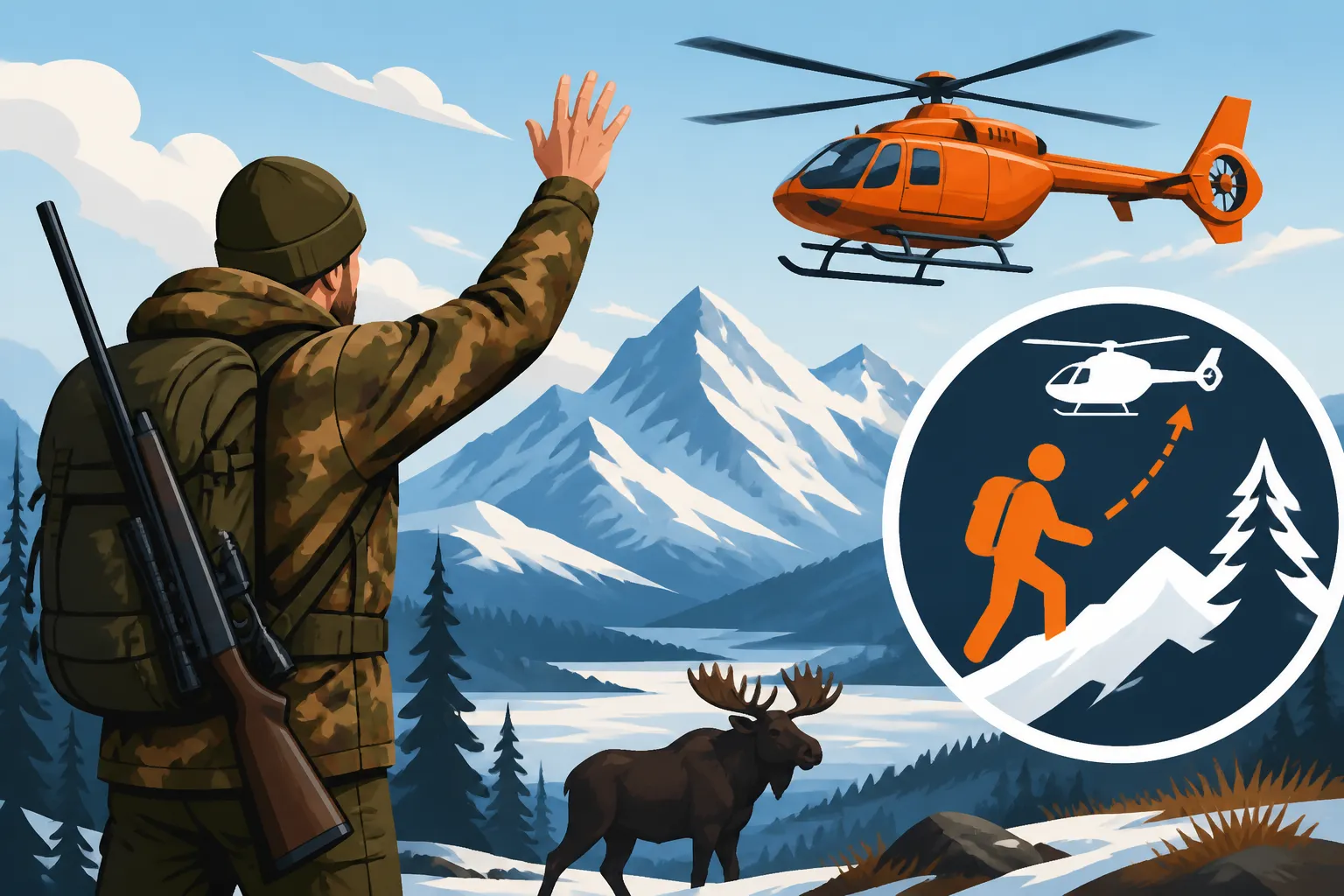
- Prepare for Arrival: Clear a landing zone if possible for a helicopter or fixed-wing aircraft. Lay out bright tarps or use signaling devices. Be ready to provide clear, concise information to rescuers upon their arrival.
- Continue Care: Keep providing first aid, warmth, and comfort to the injured person. Monitor their condition and be prepared to relay any changes to rescuers.
- Water and Food: If you have food and water, ration it if necessary, but stay hydrated. Survival is an endurance game.
The wilderness of Alaska offers unparalleled hunting experiences, but it demands a higher level of respect and preparation. By understanding the risks, carrying the right communication tools, planning meticulously, and knowing how to respond, you significantly increase your chances of a safe and successful trip—and a safe return, no matter what challenges arise.
Disclaimer
This article is for general informational purposes only and does not constitute professional advice. Laws, prices and regulations vary by location and change over time. Consult a qualified professional for guidance on your specific situation.