Leaving a Trip Plan With a Contact
Heading out into the vast, wild beauty of Alaska for a hunt is an incredible dream for many, but the truth is, it comes with a unique set of challenges and real dangers. From sudden weather shifts to unexpected terrain, and the sheer isolation of the Last Frontier, things can go sideways faster than you can imagine. That’s why having a solid, well-thought-out trip plan and a reliable contact person back home isn't just a good idea; it's an absolute non-negotiable part of responsible hunting in this incredible state. This guide will walk you through exactly how to create a comprehensive trip plan that could quite literally save your life or the lives of your hunting partners.
Why a Detailed Trip Plan is Your Lifeline, Not Just a Formality
Let's be brutally honest: Alaska's backcountry doesn't play favorites. It's a land of unparalleled beauty and opportunity, but it demands respect and preparation. Many hunters, especially those new to the state or embarking on their first truly remote trip, underestimate just how quickly a minor mishap can escalate into a life-threatening emergency when help is days away, not minutes. A trip plan isn't bureaucratic red tape; it’s your best insurance policy.
Understanding the Unique Risks of Alaska's Backcountry
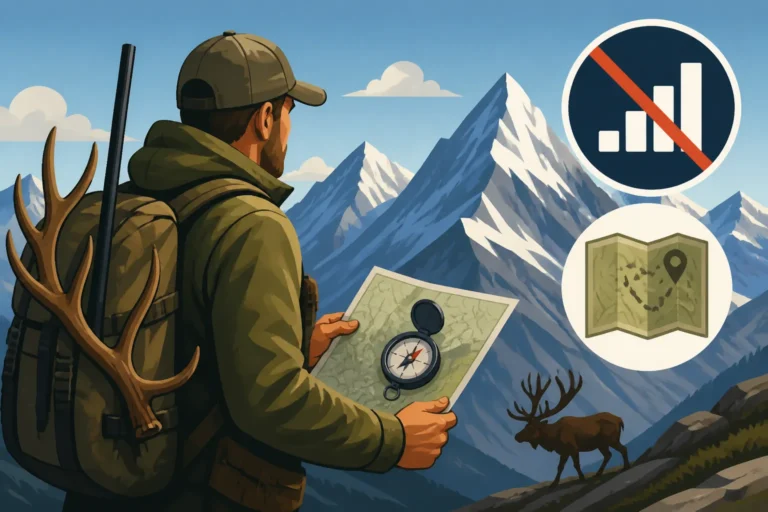
The challenges of hunting in Alaska are often far removed from what hunters might experience in the Lower 48. First and foremost, you're dealing with immense isolation. Cell service is a luxury you simply won't have in most prime hunting areas. This means your primary mode of communication will be satellite-based, and even those devices can fail or be hampered by heavy weather or dense tree cover. Imagine being miles from the nearest road or even a recognizable trail, with a broken leg, and no way to reach anyone. It happens.
Then there's the weather. It can change on a dime. A sunny, calm morning can turn into a raging blizzard, whiteout, or torrential rainstorm within hours. These shifts can ground bush planes, flood rivers, and make navigation nearly impossible. If you’re caught unprepared, what started as a simple hike can become a desperate fight for survival against hypothermia. Beyond the weather, the terrain itself is often unforgiving, featuring dense alder thickets, treacherous river crossings, steep mountainsides, and expansive, boggy tundra that can swallow a boot whole. Navigating these environments without proper tools and a clear route, let alone in an emergency, is a huge risk. Finally, let’s not forget the wildlife. While most encounters are benign, an unexpected run-in with a brown bear or a territorial moose, especially during the rut, can necessitate immediate emergency medical attention or even rescue. Knowing what to do when you encounter a bear while butchering a kill in Alaska is critical, but a rescue plan for after is just as important.
The Critical Role of Your Contact Person
Your trusted contact person isn't just someone you casually tell, "Hey, I'm going hunting." They are your mission control, your emergency dispatcher, and the first line of defense if something goes wrong. This person needs to be reliable, calm under pressure, and capable of taking decisive action. Their responsibilities include:
- Monitoring your check-in schedule: They know when you're supposed to call or message.
- Initiating emergency protocols: If you miss a check-in and they can't reach you, they know exactly who to call (Alaska State Troopers, U.S. Coast Guard, your air taxi operator, etc.) and what information to provide.
- Communicating with authorities: They will be the primary point of contact for search and rescue efforts, relaying crucial details about your last known location, health, and gear.
- Providing vital context: They know your capabilities, your hunting partners, any medical conditions, and even your typical hunting style, which can be invaluable for rescuers.
Without a designated, fully briefed contact, authorities might not even realize you're overdue for days, significantly reducing the chances of a successful rescue when every hour counts.
What to Include in Your Comprehensive Trip Plan
A good trip plan leaves nothing to chance. It should be a living document that anticipates problems and provides solutions. Think of it as a detailed script for your entire hunt, but with an emergency addendum.
Basic Contact and Emergency Information
This section is the foundation. It needs to be clear, concise, and immediately actionable.
- Full Names and Contact Information: For every single person in your hunting party. Include home, cell, and emergency contact numbers for family members not on the trip.
- Physical Descriptions: Height, weight, hair color, eye color, age. These details are vital for identification by search and rescue.
- Medical Information: Any existing medical conditions (diabetes, heart issues, severe allergies), medications being taken, and blood types. List who in the party knows how to administer emergency medical aid (e.g., EpiPens, insulin).
- Emergency Contact List: Names and phone numbers for family, friends, or other individuals who should be notified in case of an incident, in order of priority.
- Air Taxi/Outfitter Information: If you're using a transporter, include their name, company, and contact numbers. They often have critical insight into your drop-off and pickup locations. For tips on working with an Alaska transporter pilot, you might find this guide helpful: Fly-In Hunting: Working With an Alaska Transporter Pilot.
Detailed Itinerary and Route Description
This is the narrative of your hunt, meticulously mapped out. Don't just list your final destination; detail the journey.
- Departure and Arrival Information: Date and time of departure from home, arrival in Alaska, and the specific date/time of your departure into the field.
- Drop-off and Pick-up Locations: Precise GPS coordinates and a detailed description of your drop-off and planned pick-up points. If floating, list put-in and take-out points, including anticipated river mileage per day.
- Daily Itinerary: Outline your planned activities for each day. Will you be setting up a spike camp above a sheep basin, or focusing on calling moose in Alaska? Indicate primary hunting areas, potential travel routes, and anticipated campsites with GPS coordinates. Even if it's a general plan (e.g., "Day 1-3: Hunt upper valley, camp at XYZ coordinates"), be specific.
- Primary and Secondary Routes: If you have alternative routes planned due to weather, game movement, or terrain, describe them.
- Bail-out Points/Emergency Exits: Identify any potential emergency landing strips, accessible rivers, or routes out of the area if circumstances dictate an early exit. These could be critical in a serious situation.
Communication and Check-In Schedule
This is where your trip plan transitions from a travelogue to a safety protocol. This needs to be crystal clear, both to you and your contact.
- Primary Communication Device: Specify what you're using (e.g., Garmin InReach, Spot X, satellite phone). Provide the device's specific phone number or email address.
- Check-In Times: Establish a rigid schedule for checking in with your contact. For instance, "Daily check-in via InReach at 7:00 PM AKDT." Be realistic about signal availability and battery life. For solo hunters, especially, having robust InReach Check-In Schedules for Solo Hunts is crucial.
- Missed Check-In Protocol: This is the most important part. Clearly state what your contact should do if you miss a check-in. "If no message is received by 8:00 PM AKDT on Day X, attempt to contact device. If no response by 9:00 PM AKDT, contact [Air Taxi Name] and Alaska State Troopers, provide trip plan."
- Pre-programmed Messages: If using a device with pre-programmed messages, list what each message means (e.g., "OK – all good," "DELAYED – but safe," "EMERGENCY – need assistance").
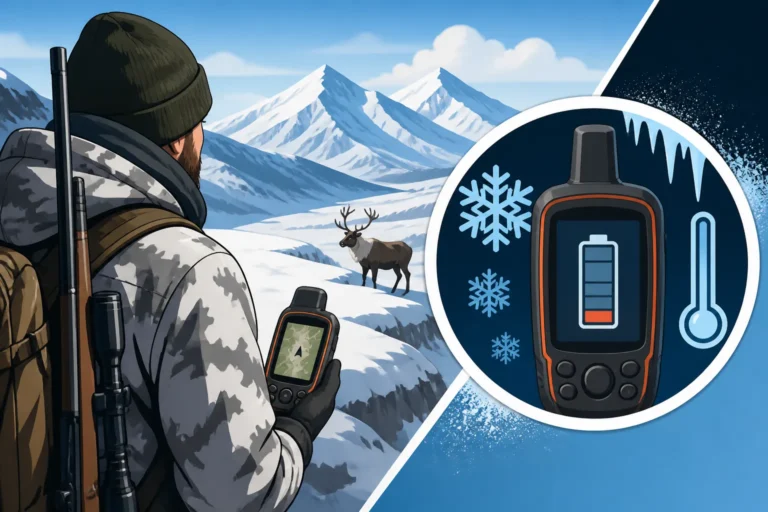
- Battery Management: Acknowledge your plan for managing batteries for your signal devices, GPS, and headlamps. This might involve solar chargers, power banks, or spare batteries. Considering GPS Battery Life in Cold Camps is vital.
Gear, Supplies, and Special Considerations
This section gives rescuers an idea of what resources you have with you, which can influence their strategy.
- Clothing and Shelter: Describe the type of clothing you're wearing (e.g., layered insulation, waterproof outer shell) and your tent/shelter setup. Mention any specialized gear, like a strong four-season tent or a reliable stove.
- Food and Water: Detail the quantity and type of food you're carrying, and your water purification methods. This helps assess your self-sufficiency in a prolonged situation.
- Safety Equipment: List all safety gear, including firearms, bear spray, signaling devices (flares, whistle, signal mirror), first-aid kit, emergency shelter, fire starting tools, and navigation aids like a map, compass, and GPS. For more on essential gear, check out Backpack Hunting in Alaska: Gear Weight and Meat Loads.
- Specialized Hunting Gear: Rifle caliber, bow type, optics, game bags, quartering tools. This helps contextualize your activities and potential needs.
- Emergency Cache: If you've planned an emergency cache of food, fuel, or medical supplies at a specific location, include its GPS coordinates and contents.
Choosing and Preparing Your Trusted Contact
Your chosen contact is more than just a recipient of information; they are an active participant in your safety plan. This person needs to be meticulously briefed and fully understand their role and responsibilities.
Qualities of an Effective Trip Contact
Not just anyone can be your emergency contact. Think carefully about who you select.
- Reliability: This person must be consistently available and committed to monitoring your schedule. They shouldn't be someone who might forget, get distracted, or travel without communication.
- Calm Under Pressure: In an emergency, panic helps no one. Your contact needs to be able to think clearly, follow instructions, and communicate effectively with authorities without succumbing to stress.
- Understanding of the Plan: They must fully grasp every detail of your trip plan, from your routes to your check-in protocols and, most importantly, the emergency procedures.
- Access to Resources: Ideally, they have access to your trip plan document (both digital and printed), phone numbers for authorities, and a reliable phone or internet connection.
- Geographic Proximity (Optional but helpful): While not strictly necessary, a contact who lives in Alaska or is familiar with Alaskan conditions might have a slightly better understanding of the local challenges, though their primary role is communication.
Briefing Your Contact: More Than Just an Email
Sending an email with your trip plan attached isn't enough. You need to have a thorough conversation, preferably in person or via video call, where you walk them through every detail.
- Review the Document Together: Go line-by-line through the trip plan. Explain why each piece of information is important. Show them where the GPS coordinates are, and how to read the daily itinerary.
- Demonstrate Communication Devices: If you're using a satellite messenger like an InReach, show them how it works. Send a test message, demonstrate how to activate the SOS function (without actually pressing it!), and ensure they understand the difference between your various pre-programmed messages. Discussing Signal Devices and Check-In Plans for Solo Alaska Hunts could be a good starting point here.
- Clarify Emergency Protocols: Reiterate exactly what constitutes a missed check-in and the precise sequence of actions they need to take. Provide them with a written list of emergency contacts for Alaska State Troopers, the U.S. Coast Guard, and your air taxi. Make sure they understand that time is of the essence in Alaska.
- Discuss "What If" Scenarios: Run through hypothetical situations. What if you're delayed by weather? What if you send a "delayed but safe" message? What if your device stops working entirely? This helps them anticipate and react appropriately. Remember that Weather Days and Who Pays for Them can extend a trip, and your contact needs to understand this.
- Ensure They Have Copies: Provide them with both a physical printed copy of the trip plan and a digital version (emailed, cloud storage link). They should also have copies of your hunting license, tags, and ID for identification purposes if needed.
Tools and Platforms for Creating Your Plan
Modern technology has made creating and sharing detailed trip plans easier than ever, allowing for precision that wasn't possible years ago.
Digital Mapping and GPS Integration
Gone are the days when a paper map and compass were your only navigation tools. While they remain essential backups, digital tools offer incredible capabilities for planning and sharing.
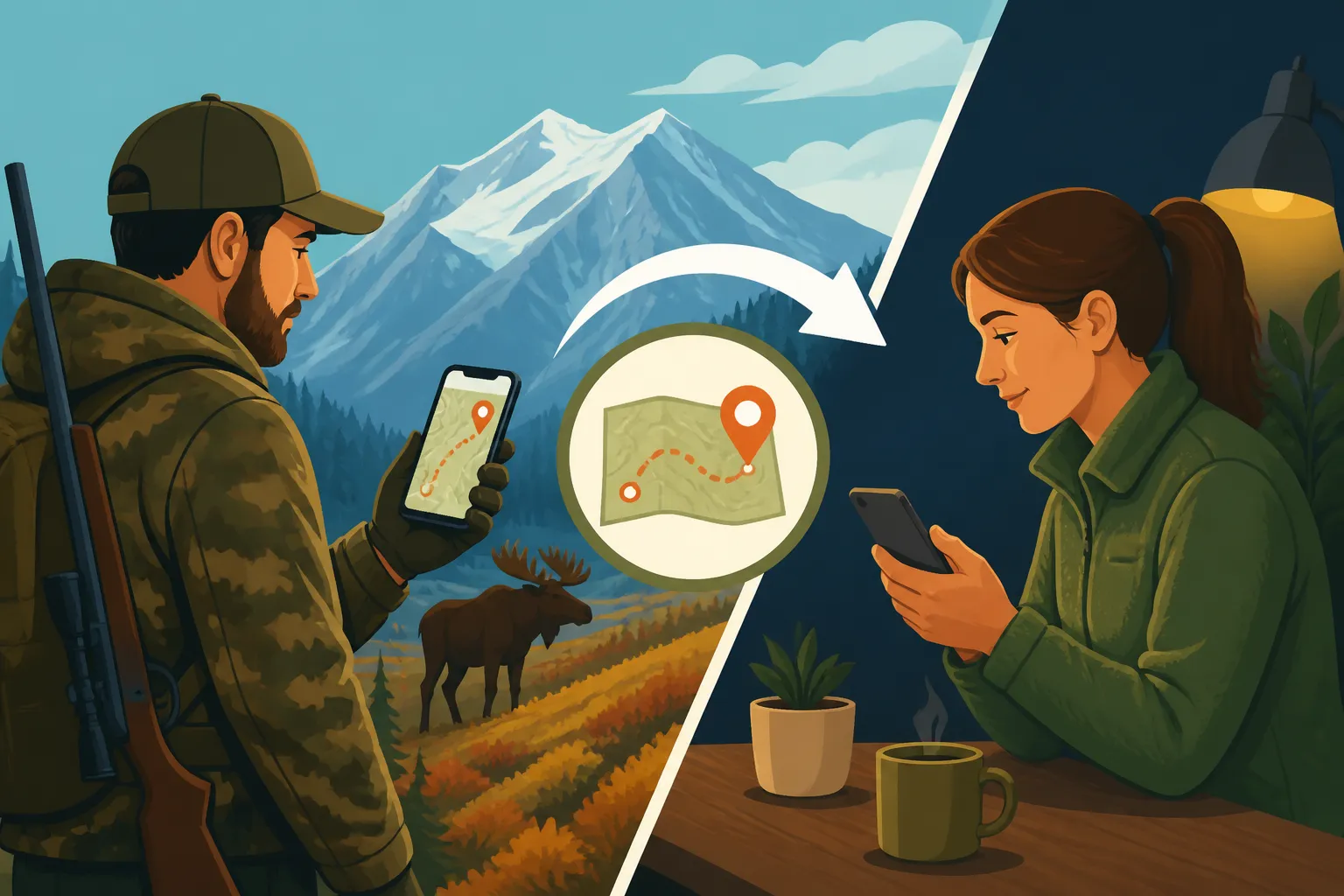
- Dedicated Mapping Apps: Platforms like Gaia GPS, onX Hunt, and BaseMaps are invaluable. They allow you to meticulously draw your routes, mark waypoints for campsites, water sources, and potential glassing knobs, and even identify land ownership boundaries. You can download these maps for offline use, which is critical since you won't have cell service. This links directly to the importance of Downloading Offline Maps Before a Fly-In.
- Creating Waypoints and Tracks: Take the time to mark precise GPS coordinates for every significant point: your drop-off, planned camp locations, primary hunting areas, and any emergency points. If you are a GoHunt subscriber, leverage their detailed mapping layers to identify public lands, water bodies, and historical game data for your planning. Export these waypoints and tracks to share with your contact and load onto your handheld GPS device.
- Topographical Data: Utilize the topographical layers in these apps to understand elevation changes, drainages, and potential travel obstacles. This information is crucial for accurately describing your route to your contact. For navigation in areas where fog can obscure visibility, knowing how to take Compass Bearings When Fog Shuts Down Glassing can complement your digital planning.
Template Examples and Best Practices
To make it easy, you don't need to invent the wheel. Many organizations offer templates, or you can create your own. Here’s a basic structure that you can adapt:
| Section | Details to Include |
|---|---|
| Hunter Information | Full Name, Age, Emergency Contact, Medical Conditions, Medications, Phone Number, Email, Physical Description |
| Hunting Partner(s) | Full Name, Age, Emergency Contact, Medical Conditions, Medications, Phone Number, Email, Physical Description |
| Air Taxi/Outfitter | Company Name, Pilot Name, Contact Phone Number, Email |
| Trip Dates | Departure from home: (Date/Time); Arrival in Alaska: (Date/Time); Field Departure: (Date/Time); Field Return: (Date/Time) |
| Primary Area/Unit | GMU Number, Specific Drainage/Mountain Range |
| Drop-off Point (GPS) | Latitude, Longitude, Description (e.g., "Gravel bar on XYZ River") |
| Pick-up Point (GPS) | Latitude, Longitude, Description (e.g., "Bush strip at ABC Lake") |
| Planned Route Summary | Brief overview of the intended hunting areas and travel (e.g., "Float XYZ River, then backpack into ABC Basin") |
| Daily Itinerary/Campsites | Date, Planned Activity, Planned Camp Location (GPS), Notes (e.g., "Hunting high ridge for sheep") |
| Communication Device | Type (InReach/Spot/Sat Phone), Device ID/Number |
| Check-In Schedule | Daily at (Time AKDT) |
| Missed Check-In Protocol | If no message by (Time AKDT), perform actions: (1. Attempt contact; 2. Notify Air Taxi; 3. Notify State Troopers) |
| Emergency Contacts (Alaska) | Alaska State Troopers (907-269-5511), U.S. Coast Guard (907-463-2000), Air Taxi, Local SAR |
| Gear & Supplies | Tent type, Stove, Food supply (days), Fuel (liters), Firearms, Bear Spray, First Aid Kit, Emergency Shelter, etc. |
| Medical Insurance/Evacuation | Provider Name, Policy Number (e.g., Global Rescue, Medical Insurance for Remote Alaska) |
Using a detailed mapping platform like GoHunt for plotting your waypoints and routes can make filling out this table much simpler, as you can directly pull the coordinates and descriptions you’ve already created. Remember, the more precise you are, the better.
When and How to Update Your Plan
A trip plan isn't a static document; it’s meant to adapt. Alaska’s dynamic environment means your best-laid plans can, and often will, change. What’s crucial is how you communicate those changes.
Real-Time Adjustments in the Field
Even with the best planning, unforeseen circumstances are part of the Alaska experience. A river might be too high to cross, a game trail might lead to impassable terrain, or a storm might force you to shelter in place for days.
- Communicate Changes Immediately (if possible): If your plan deviates significantly from what you briefed your contact on—for instance, you decide to move your main camp due to better game sign, or you're unexpectedly delayed for several days—try to communicate this. Use your satellite messenger to send a brief, clear update. "Moved camp to new coords: [New GPS]. All safe. Will resume check-ins from here."
- Prioritize Safety Over Communication: There will be times when conditions are so bad, or you're so focused on immediate safety (e.g., evading a charging bear or dealing with an injury) that communicating isn't feasible. In these moments, your safety is paramount. Your contact understands that no communication might mean you're hunkered down or dealing with an emergency. This is where the missed check-in protocol becomes critical.
- Document Field Changes: Keep a physical or digital log of any significant changes to your route or camp locations while in the field. This helps you keep track and provides information if you eventually get a chance to update your contact.
Post-Hunt Check-In and Closure
The hunt isn't truly over until your contact knows you're safe and sound, back in civilization. This final step is often overlooked but is incredibly important.
- Promptly Notify Your Contact: As soon as you are safely out of the field and have reliable communication (or even before you leave the bush if your air taxi has a sat phone), send a message to your contact confirming your safe return. "Back at base camp. All hunters safe and sound. Thanks for monitoring!" This prevents unnecessary alarm and potential search and rescue activation.
- Debrief Your Contact: Once you're fully back home and settled, follow up with your contact. Thank them, discuss how the plan worked (or didn't), and consider any improvements for future trips. This helps refine your safety protocols for next time. It's a key part of maintaining a strong relationship with your trusted safety partner.
Remember, a trip plan is a living document, a commitment between you and your safety net. Treat it with the seriousness it deserves, and it will serve as an invaluable tool for ensuring a safe and successful Alaska hunting adventure.
Disclaimer
The information provided in this guide is for general informational purposes only and does not constitute professional advice. Hunting in Alaska is inherently dangerous. Always consult official Alaska Department of Fish and Game regulations, prioritize safety, and ensure you are adequately prepared and equipped for the conditions you may encounter.