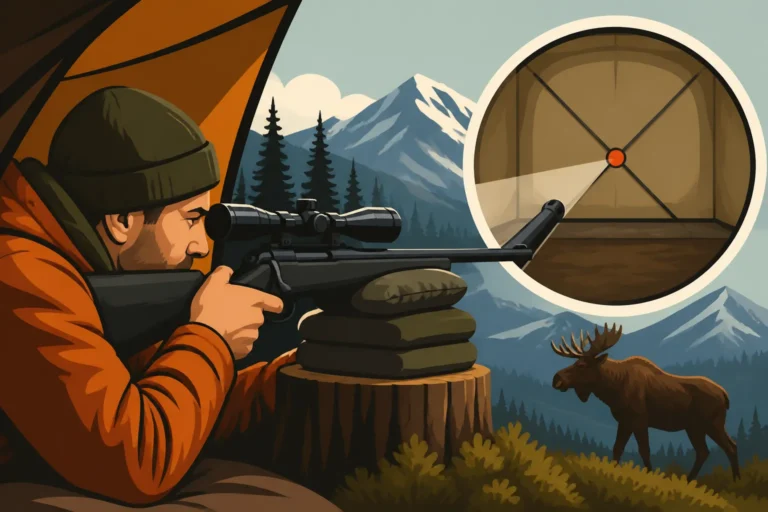
Fly-In Hunting: Working With an Alaska Transporter Pilot
The vastness of Alaska is both its greatest allure and its most daunting challenge for hunters. Getting to those remote, unpressured areas where big game thrives often feels like an impossible puzzle, especially when facing hundreds of miles of roadless wilderness. This guide is here to untangle the complexities of fly-in hunting, walking you through everything you need to know about successfully partnering with an Alaska transporter pilot to access those dream hunting grounds.
Understanding the Role of an Alaska Transporter Pilot
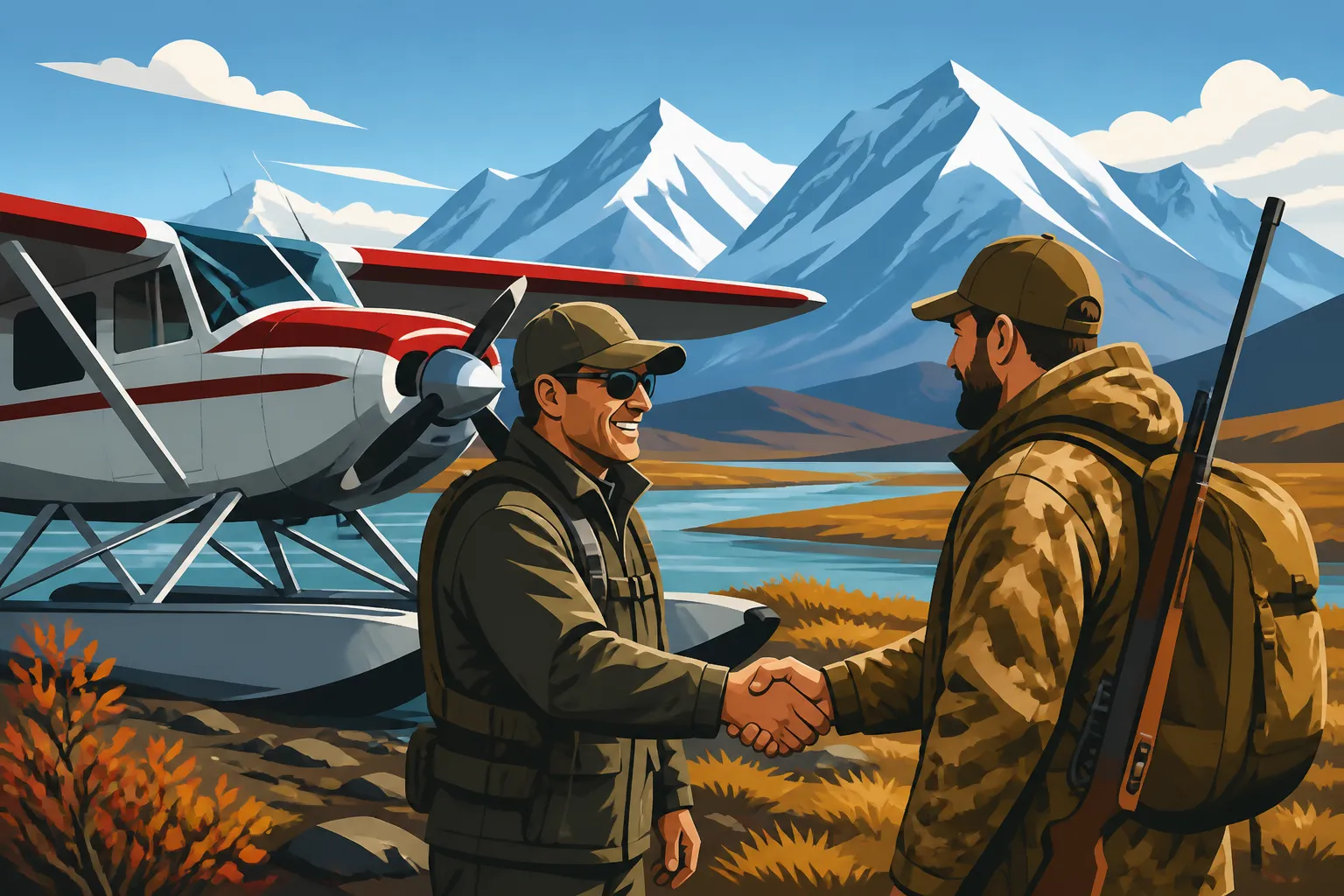
When you're dreaming of an Alaskan hunt deep in the backcountry, far from any road, the first image that often comes to mind is a bush plane banking over a pristine river or landing on a remote gravel bar. That plane, and the pilot flying it, are your critical link to those wild places. But it's crucial to understand that not all pilots are guides, and not all services are equal, especially when it comes to the legal distinctions.
What a Transporter Can and Cannot Do Legally
An Alaska transporter pilot, operating an air taxi service, is legally permitted to transport you, your gear, and your harvested game to and from remote locations. Think of them as your wilderness chauffeur. They can fly you into a designated drop-off point, pick you up at an agreed-upon time and location, and even fly in extra supplies or retrieve meat during your hunt. However, the critical line they cannot cross is guiding. They cannot provide any services that would constitute "guiding" under Alaska law. This means they cannot accompany you in the field, interpret sign, provide advice on where to hunt, spot game for you from the air and then direct you to it, or participate in the actual act of hunting. Their role is strictly logistical transport.
This distinction is enforced rigorously by the Alaska Department of Fish and Game and the Alaska Board of Game. A transporter pilot found actively guiding clients faces severe penalties, including loss of their operating license. As a hunter, it's your responsibility to understand and respect these boundaries. If a pilot begins to offer advice beyond basic safety or logistical information, it's a red flag. Remember, you're paying them for safe passage, not for hunting strategy.
The Critical Difference Between a Transporter and a Guide
Many hunters, especially those new to Alaska, often confuse the roles of a transporter and a registered guide-outfitter. This misunderstanding can lead to disappointment or even legal trouble. A registered guide-outfitter is licensed to provide comprehensive hunting services, including planning the hunt, guiding you in the field, providing food and lodging, and assisting with game retrieval and trophy care. They are actively involved in the hunting process from start to finish. In fact, for certain species like brown bear, Dall sheep, and mountain goat, non-residents are legally required to hunt with a licensed guide or with a resident relative within the second degree of kindred.
A transporter, on the other hand, is simply providing air charter services. They are not responsible for the success of your hunt, nor are they equipped or licensed to guide you. If you choose an unguided fly-in hunt for species that don't require a guide (like moose, caribou, black bear, or Sitka blacktail deer), you are entirely responsible for all aspects of your hunt, from navigation and game finding to butchering and packing out your kill. Understanding this fundamental difference, which is thoroughly explained in resources like Alaska Transporter Services Versus Guide Services, is paramount to planning a legal and effective hunt.
Why Transporters Are Key to Remote Alaska Access
Despite their limitations, transporter pilots are absolutely indispensable for accessing the vast majority of Alaska's prime hunting grounds. The sheer scale of the wilderness here means that road systems barely scratch the surface. Rivers can offer some access, but many of the best hunting areas are inland, up high, or in drainages not accessible by boat. Bush planes—from Super Cubs to Cessnas to De Havilland Beavers—are the lifeblood of Alaska's backcountry access.
These pilots often have decades of experience flying in challenging Alaskan conditions, know the terrain like the back of their hand, and understand the nuances of weather, landing strips, and game movements in their operating areas. While they can't guide you, their intimate knowledge of the landscape is invaluable in suggesting where they can safely drop you off based on your target species and desired terrain, which you can then research further using tools like the GoHunt platform for satellite imagery and hunt planning. Without these dedicated professionals, many of Alaska's truly wild hunting experiences would simply be out of reach for the average hunter.
Planning Your Fly-In Hunt Logistics
The success of any fly-in hunt hinges heavily on meticulous planning long before you ever step foot on a tarmac. This isn't a trip you can wing; every detail, from the plane you'll use to the weight of your toothbrush, matters.
Choosing the Right Air Taxi Service
Not all air taxi services are created equal, and choosing the right one is crucial. Start by researching services that operate in the Game Management Unit (GMU) you plan to hunt. Look for established operators with a strong safety record and positive reviews. A great resource for this is often online hunting forums or direct referrals from other hunters. Don't be shy about calling multiple operators and asking detailed questions.
Inquire about the types of aircraft they operate (Super Cubs for smaller loads and shorter strips, Cessnas for medium loads, Beavers or Otters for larger groups and heavy gear). Each aircraft has different capabilities regarding payload, range, and landing requirements. For instance, if you're planning a trip that requires landing on a very short, unimproved gravel bar, a Super Cub might be ideal, but it will also limit your gear. Ask about their typical operating season, their experience in your desired area, and their communication protocols. It's also wise to check if they have concessions to operate on federal lands if your hunt takes you into a national preserve or refuge. Remember, the better you vet your transporter, the smoother your experience will be.
Essential Communication Before Your Flight
Clear and consistent communication with your chosen air taxi service is non-negotiable. Once you've selected an operator, discuss your hunt plan in detail. Be specific about your target species, the general area you'd like to hunt, and the duration of your trip. Crucially, outline your gear list. This allows the pilot to assess whether your entire party and all its equipment can be transported in one trip or if multiple trips (and associated costs) will be required. Many operators will send you a pre-trip questionnaire or a suggested gear list. Adhere to their recommendations closely.
Discuss potential landing zones. While you might have a spot scouted out on satellite imagery, the pilot will have the final say based on current conditions, safety, and their knowledge of the area. Be flexible. Agree on your drop-off and pickup locations, and confirm a backup plan in case the primary pickup spot becomes inaccessible due to weather or other issues. Don't forget to establish clear check-in schedules using satellite communicators like InReach, which can be critical for your safety and the pilot's awareness of your status.
Weight Limits and Gear Preparation
This is where many hunters get tripped up. Bush planes have strict weight limits, and exceeding them is not an option. Every single item you bring—from your rifle to your food, tent, and fuel—counts. You will be weighed, and so will your gear. Be prepared for a potentially higher cost or even leaving items behind if you're over the limit. A good pilot will often advise you on Weight Limits on a Super Cub Drop or other aircraft to help you plan.
To avoid surprises, create a detailed gear list beforehand and weigh every item. Pack efficiently, using lightweight, compressible items. Break down larger items if possible. Consider what you truly need versus what would be "nice to have." For example, if you're hunting moose, you'll need game bags, a good knife, and a saw, but perhaps not five different types of coffee. You may need to consider Splitting Gear Across Two Air Taxi Loads if you're a larger group or bringing extensive gear, which will increase your flight costs. Many experienced hunters use GoHunt to plan their gear lists, cross-referencing with specific hunting needs for their target species and hunt duration to optimize weight.
| Item Category | Typical Considerations | Weight Saving Tips |
|---|---|---|
| Shelter | Tent, tarp, sleeping bag, pad | Lightweight backpacking models, shared tent |
| Cooking | Stove, fuel, pots, utensils | Smallest stove for group size, dehydrated meals |
| Food | Dehydrated meals, snacks, coffee | Repackage bulk food into smaller, lighter bags |
| Hunting Gear | Rifle/bow, ammo, optics, knife, game bags | Only bring necessary ammo, light binoculars |
| Clothing | Layers, rain gear, gloves, hat | Quick-drying synthetics, multi-purpose items |
| Safety/Nav. | GPS, satellite communicator, first-aid, headlamp, fire | Essential safety gear, share first-aid kit |
| Personal Items | Toiletries, medications | Travel-size items, share common items |
| Game Retrieval | Extra game bags, paracord, bone saw, pack frame | Lightweight game bags, strong but light pack frame |
On the Ground and In the Air: Flight Day Expectations
The day of your flight is often a mix of excitement and nervous anticipation. Knowing what to expect at the airstrip and during your flight can help alleviate stress and ensure a smooth start to your adventure.
Loading and Unloading Protocol at the Airstrip
When you arrive at the air taxi's base, expect a busy scene. There will likely be other hunters, pilots, and gear. The pilot or ground crew will typically weigh your gear and distribute it efficiently within the aircraft. Be prepared to help load your gear. This isn't a commercial airline where everything is handled for you; it's often a team effort. The pilot will meticulously balance the load, placing heavier items in specific spots to ensure the aircraft remains stable during flight.
Listen carefully to any instructions the pilot gives, especially regarding where specific items are stowed. You'll want to remember this for unloading at your destination. Before departure, your pilot will give a safety briefing. Pay close attention to this, as it covers critical information about emergency procedures, how to operate doors, and what to do in case of an unforeseen landing. This is also when you'll confirm your Setting a Take-Out Date With Your Pilot and any check-in procedures.
Safety Briefings and In-Flight Considerations
Alaska bush pilots are among the best in the world, accustomed to flying in conditions that would ground most commercial planes. However, flying in remote Alaska carries inherent risks. The safety briefing isn't just a formality; it's vital information. You'll learn about things like emergency exits, the location of survival gear, and proper behavior during take-off and landing on unimproved strips. Trust your pilot's judgment. If they say a landing spot is unsafe due to wind, soft ground, or obstructions, respect that decision. Your safety is their top priority.
During the flight itself, enjoy the unparalleled views. This is often your first real look at the vastness of the wilderness you'll be hunting. The pilot might point out features or give you a general orientation, but they won't be actively spotting game for you. Avoid distracting the pilot during critical phases of flight, such as take-off, landing, or when navigating through challenging weather. Remember, Alaska's Same-Day-Airborne Rule and What It Bans specifically prohibits hunting on the same day you've been airborne in an attempt to locate game.
Setting a Take-Out Date With Your Pilot
This is a critical conversation you'll have with your pilot before they drop you off. You need to agree on a specific date and time for pickup, along with a primary and possibly secondary pickup location. It's often advisable to Building Extra Days Into a Fly-In Schedule when planning, especially for your pickup, to account for potential weather delays.
Weather in Alaska is notoriously unpredictable and can change rapidly, often grounding planes for days. Don't be surprised if your pilot discusses a "pickup window" rather than a precise hour. This flexibility is essential for safety and operational logistics. Ensure you have a reliable satellite communication device (like a Garmin InReach or a satellite phone) and confirm your Radio or Satellite Check-Ins With a Pilot schedule. This device is your lifeline to the outside world and, more importantly, to your pilot, allowing you to confirm your status and communicate any changes to your pickup plan.
Managing Your Hunt in Remote Country
Once the plane disappears over the horizon, you're truly on your own. Effective management of your resources, communication, and contingency planning become paramount.
Establishing Communication During Your Stay
Your satellite communication device isn't just for emergencies; it's for managing your pickup and staying in touch with your pilot. Establish a clear check-in schedule from the moment you're dropped off. This could be daily, every other day, or at specific milestones in your hunt. A good transporter will appreciate regular updates, especially confirming that you're safe and on track. These InReach Check-In Schedules for Solo Hunts or group hunts are vital.
If you make a kill and need an earlier pickup for Packing Out Meat in Alaska: The Salvage Law Hunters Must Follow, or if your plans change for any reason, use your device to contact your pilot as soon as possible. Be realistic about their ability to respond immediately; they may be flying other clients or dealing with their own weather challenges. Patience and clear, concise messages are key. Remember to manage your device's battery life carefully, as a dead battery in a remote camp is a serious problem.
Dealing with Weather Delays and Contingency Plans
This is perhaps the biggest source of frustration and anxiety for hunters in Alaska. Weather delays are not just possible; they are probable. Fog, heavy rain, high winds, or low ceilings can ground planes for days, leaving you stranded in the backcountry longer than planned. This is why Building Extra Days Into a Fly-In Schedule is not just good advice, it's essential.
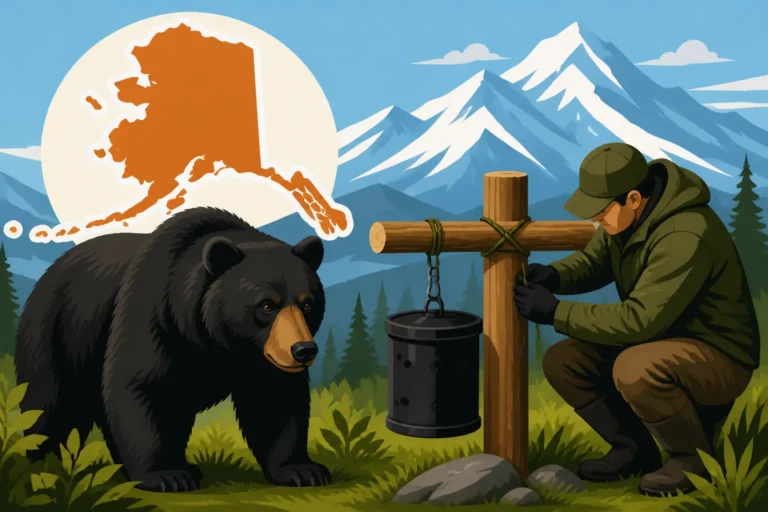
Have enough extra food, fuel, and supplies to last several days beyond your planned pickup. This means packing conservatively but intelligently. Understand What Happens if Weather Traps You in Camp and discuss this with your pilot beforehand. Some air taxis may charge Weather Days and Who Pays for Them if they have to make multiple attempts or if your extended stay significantly impacts their schedule. Be prepared for this eventuality financially and psychologically. Keep your camp secure, food properly stored against bears, and remain calm.
Meat and Trophy Recovery: The Crucial Second Flight
Congratulations, you've harvested an animal! Now comes the arduous but rewarding task of quartering, caping, and packing out your game. This is where your transporter relationship truly shines. For larger animals like moose or caribou, it's highly likely you'll need a second flight, or at least a portion of your first return flight, dedicated to meat and trophy retrieval.
Communicate your kill to your pilot as soon as possible. Discuss the amount of meat and the size of the trophy (e.g., moose antlers) and how many loads it will likely take. You'll need to secure your meat in breathable game bags, hung properly to cool. For guidance on this, refer to articles like Meat Care in 50-Degree September Weather. Expect Second Trip Charges for Meat Hauling as this is additional work and flight time for the pilot. Often, the pilot will fly out your meat first, then return for you and your remaining gear. Ensure your cape and skull are properly cared for according to regulations, as neglecting this can lead to spoilage or legal issues.
Post-Hunt Logistics and Transporter Relationships
The hunt isn't truly over until you and your game are safely back at the air taxi base and all the bills are settled. Nailing these final logistics helps ensure a smooth experience and lays the groundwork for future adventures.
The Importance of Post-Hunt Communication
Once you're back at the air taxi base, take the time to debrief with your pilot. Thank them for their service, and provide feedback on your drop-off and pickup locations, any challenges you faced, or anything that went particularly well. This informal feedback loop is invaluable for both you and the operator. It strengthens the relationship and helps the pilot understand what worked and what didn't for that specific area or time of year.
If you had any issues or delays due to weather, discuss them maturely and understand the pilot's perspective. They are often just as frustrated by weather as you are, as it impacts their income and schedule. This communication also covers any final payment for additional flights, overweight charges, or extended stays. Clear up any lingering questions about your final bill on the spot.
Understanding Extra Charges and Billing
It's common for there to be Extra Charges for Overweight Gear or Second Trip Charges for Meat Hauling on a fly-in hunt. Before your hunt, ensure you understand How Air Taxi Pricing Works in Alaska. Some operators charge by the hour, some by the load, and some have fixed rates for certain routes. Clarify upfront what constitutes an "extra" charge. For example, some base rates might assume a specific number of loads for a group, and anything beyond that incurs an additional fee.
Weather delays can also lead to additional costs. If you're stuck for multiple days, some operators may charge for the pilot's time or the extra logistics involved in their revised schedule. Get all these potential charges outlined in your initial agreement. Don't be afraid to ask for a written quote or breakdown of potential costs. Knowing what to expect financially prevents unpleasant surprises at the end of a long, tiring hunt. You can also research Estimating Flight Cost From Base to Camp to get a general idea before even contacting transporters.
Building Long-Term Relationships with Pilots
Finding a reliable, professional, and trustworthy transporter pilot is like finding gold in Alaska. These relationships are built on trust, clear communication, and mutual respect. If you had a positive experience, consider sending a thank-you note or a small tip (if appropriate and not already covered by a pre-arranged package). Providing a good reference for the pilot and their service, especially on hunting forums or direct referrals, goes a long way.
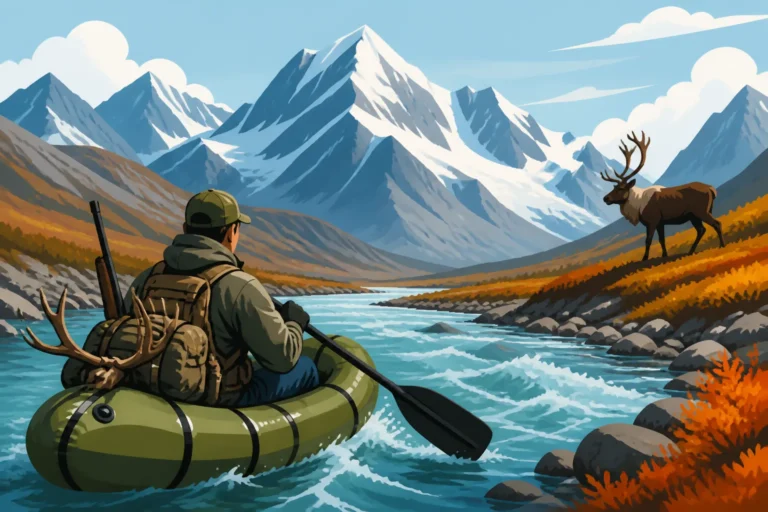
A good relationship means a pilot might go the extra mile for you in the future, whether it's giving you preferential booking, being more flexible with last-minute changes, or offering insights into different hunting opportunities. These pilots are often deep reservoirs of knowledge about Float Hunting Alaska Rivers for Moose and Caribou or Glassing the Alaska Range: Finding Game Before You Move, even if they can't guide you. Treat them with respect, appreciate their difficult and demanding work, and you'll likely gain a long-term partner in your Alaskan hunting adventures.
Disclaimer
The information provided in this guide is for general informational purposes only and does not constitute legal advice. Hunting regulations in Alaska are complex and subject to change. Always consult the most current Alaska Department of Fish and Game regulations and, if necessary, seek professional legal advice or guidance from a licensed Alaska hunting guide or outfitter before planning any hunt.