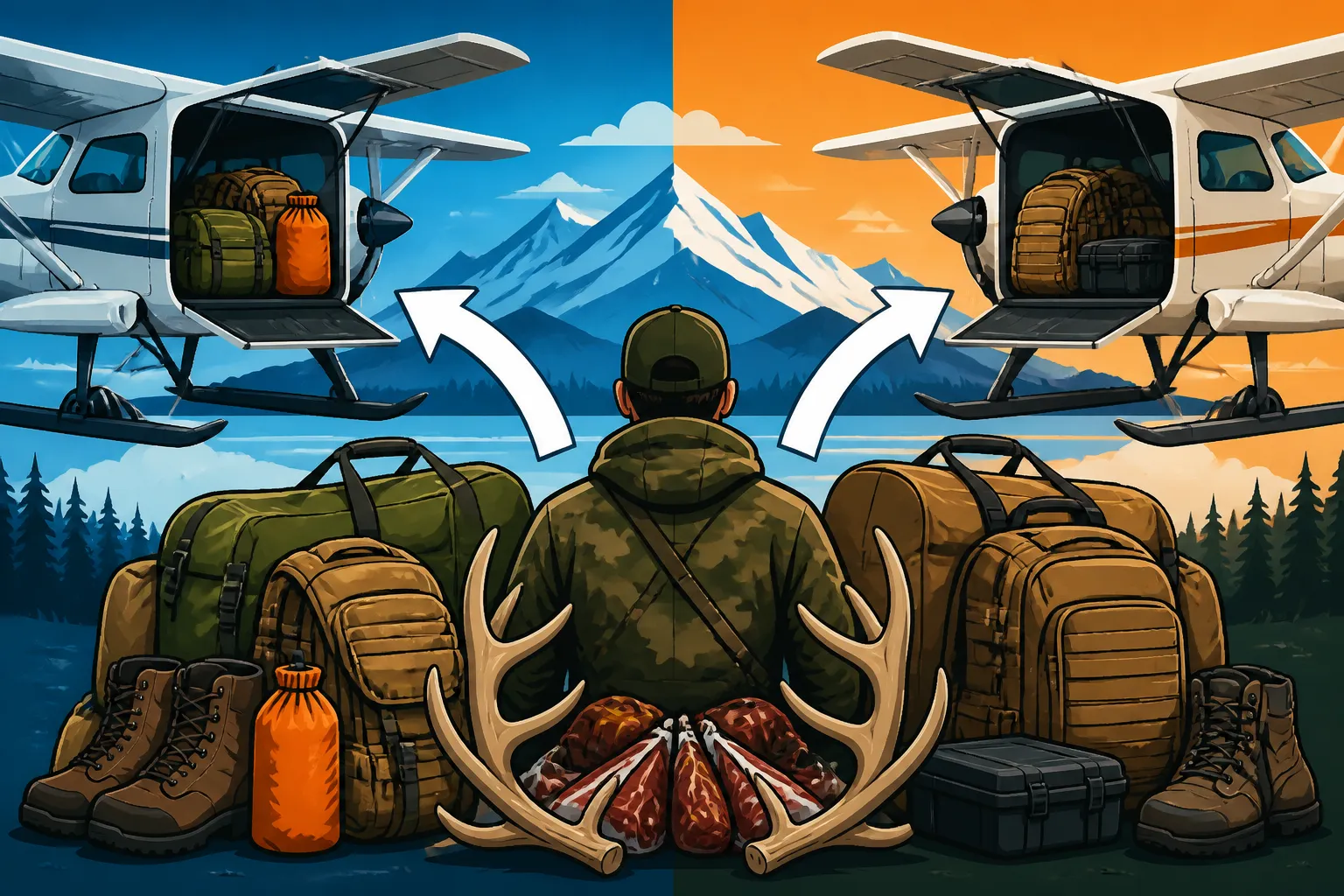
Splitting Gear Across Two Air Taxi Loads
Venturing deep into the Alaskan bush for a hunt is an experience unlike any other, but the logistical hurdles of getting your gear into a remote camp can be incredibly frustrating. Trying to cram everything you need for a multi-day or multi-week expedition into the limited cargo space of a small bush plane often feels like an impossible puzzle. This guide is here to walk you through the essential strategies for efficiently splitting your hunting gear across two air taxi loads, ensuring you arrive prepared, safely, and without unnecessary headaches.
Understanding Air Taxi Weight Limits and Why They Matter So Much
The first thing you have to wrap your head around when planning any fly-in hunt in Alaska is the absolute, unyielding reality of aircraft weight limits. These aren't just suggestions; they are fundamental safety parameters set by physics and federal aviation regulations. Ignoring them isn't just risky; it's potentially deadly and can lead to your pilot refusing to fly, leaving you stranded with a pile of gear.
The Hard Realities of Bush Plane Capacity
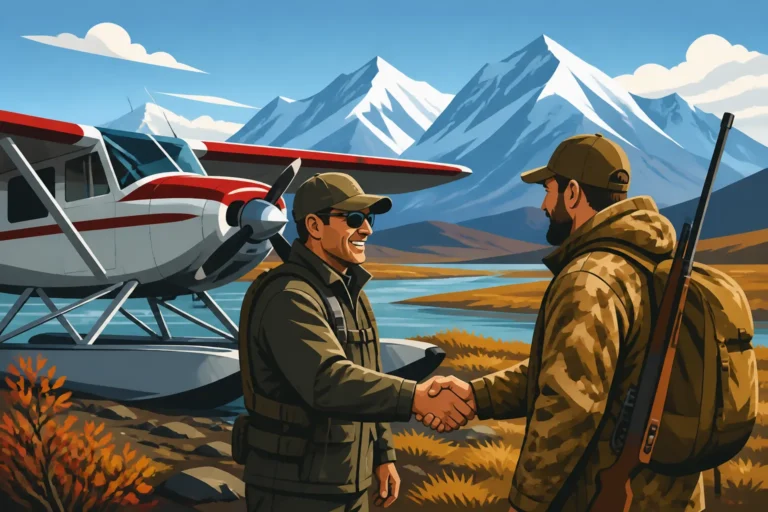
Alaska's air taxis operate a variety of aircraft, each with its own specific payload capabilities. A nimble Super Cub, often favored for its ability to land on short, unimproved strips or even river gravel bars, might only be able to carry one hunter and a very modest amount of gear. Step up to a Cessna 185 or 206, and you gain a bit more capacity, perhaps two hunters and their essentials. For larger groups or bulkier loads, you might be looking at a De Havilland Beaver or Otter, which can handle significantly more weight but still have their limits. The crucial point here is that every pound counts. Even seemingly small items add up quickly, and a pilot must account for fuel, passengers, and all cargo. When considering your strategy, understanding the specifics of your transporter's aircraft is paramount. It's not uncommon for a pilot to weigh every piece of your gear before loading, so being transparent and prepared is key. For example, the article on Weight Limits on a Super Cub Drop delves into just how restrictive these smaller planes can be.
The Cost of Overweight or Multiple Loads
Exceeding your contracted weight limit or simply having too much gear for a single flight has direct financial implications. The most obvious is the need for additional trips. Every extra flight the air taxi makes to shuttle your gear is another flight you pay for, and these costs can quickly escalate. Imagine planning a week-long hunt, only to find you need an additional two or three shuttles for your camp supplies. This not only adds to your budget but also eats into your valuable hunting time, as the pilot is busy ferrying gear instead of getting you settled. Beyond direct financial costs, there's the opportunity cost. If the weather changes or mechanical issues arise, those extra loads might be delayed or even impossible to retrieve, leaving you with less than what you planned for. This is where the discussion around Extra Charges for Overweight Gear becomes very real, very fast. It's far better to proactively plan for two loads, rather than reactive scrambling.
Strategic Gear Prioritization for Each Load
The art of splitting your gear across two air taxi loads is all about intelligent prioritization. You need to think about what is absolutely critical for immediate survival and setting up a basic camp, versus what can comfortably wait for the second flight. This isn't just about weight; it's about sequence and necessity.
Essential First Load: Survival and Immediate Needs
Your first load needs to contain everything you absolutely cannot do without from the moment you land until the second load arrives, which could be hours or even a day later depending on weather and other logistics. This includes your rifle or bow and ammunition, essential clothing layers, rain gear, a basic sleeping system (bag, pad), your tent and stove (especially if you're in an area with unpredictable weather), a water filter, and enough food and fuel for at least 24-48 hours. Don't forget your navigation tools—GPS, satellite messenger like an InReach, maps, and compass. Any critical medical supplies or personal medications also belong in this first load. Think about the basic necessities for a safe and functional camp. For example, if you're planning on Setting Up a Spike Camp Above a Sheep Basin, those first essentials are exactly what you'd want immediately accessible. This load ensures that even if the second flight is delayed, you can still establish a safe, warm, and dry camp, cook a basic meal, and be ready to hunt if conditions allow.
Second Load: Non-Critical Camp Comforts and Excess Food
Once your core survival and basic camp setup items are accounted for, everything else falls into the second load. This will typically include your bulkier, less time-sensitive items: extra food and fuel beyond the first 24-48 hours, additional comfort items like a camp chair, specialized cooking gear, extra camp lighting, a full change of clothes, and any luxury items that simply make camp life more enjoyable. If you’re bringing a substantial cooler for meat, it might go on the second load (empty, of course). Remember, the second load is about convenience and supplementing the necessities, not about making your primary camp functional. It’s the "nice-to-haves" that you appreciate once the essentials are already in place. Your GoHunt app might have helped you compile a comprehensive gear list, but now's the time to ruthlessly categorize it.
Prioritizing Your Kill Kit and Meat Care
This is a critical consideration for any Alaska hunt. Your kill kit—knives, sharpening tools, game bags, quartering saws, and items for Cape and Skull Care for a Brown Bear Hide—needs careful thought. If you anticipate a very early success, having your full kill kit with the first load might be crucial. However, if you're hunting a species like Dall sheep where the first few days are often spent glassing and climbing, you might opt to put the heavier, bulkier game bags in the second load. Smaller, essential items like a good knife and a few basic game bags could still go in the first load. For large animals like moose, you'll need robust game bags and plenty of them for Quartering a Bull Moose Alone in the Field. The general rule is: if you can't process an animal without it, it's pretty darn important. Likewise, if you expect warm temperatures for Hanging Meat in Warm September Weather, having breathable game bags ready is vital.
Packing Techniques for Maximum Efficiency
Once you've decided what goes in which load, the next challenge is packing it all in a way that is efficient, protects your gear, and makes life easier for your pilot. Bush planes are not cargo jets; they often have awkward storage spaces and limited access.
Organizing for Easy Identification and Unloading
Using distinct, highly visible packing strategies for each load is a game-changer. Consider using different colored duffels for your first versus second load, or at least tagging them clearly with large, waterproof labels. Hard cases, while protective for fragile items like optics (your spotting scope and rangefinder are precious!), tend to be heavier and take up fixed space, which can be inefficient for a bush plane. Soft-sided, rugged duffels are often preferred by pilots because they can be squished and shaped to fit into tight compartments. For your first load, try to consolidate vital items into one or two easily identifiable bags that can be quickly grabbed and taken to your camp spot. Make sure anything sharp or bulky is securely covered to prevent damage to the aircraft or other gear. Your pre-trip planning on your GoHunt account should include a detailed gear list, which can then be used to create your load manifest.
Consolidating and Compressing Gear
Space is often more of a limiting factor than weight in smaller aircraft. Therefore, compressing your gear as much as possible is essential. Use heavy-duty compression sacks for sleeping bags, puffy jackets, and extra clothing. Vacuum-sealing non-perishable food items not only saves space but also protects them from moisture and pests. Roll clothing tightly, and nest pots and pans. Think about multi-use items to reduce the overall number of things you're carrying. Every cubic inch saved means more room for something else. When it comes to Strapping Gear Loads for a Bush Flight, making sure everything is compact and securely packed prevents shifting during flight, which is crucial for both safety and preventing damage.
Creating a Detailed Manifest for Each Load
Before you even get to the airstrip, create a meticulously detailed manifest for both your first and second loads. This isn't just for your benefit; it can be incredibly helpful if you need to communicate with your pilot about a specific item. List every bag, its approximate weight, and its contents. Keep a copy on you and share one with your hunting partners. This manifest is invaluable if a bag goes missing, or if you need to quickly locate a specific piece of gear once you're on the ground. It also serves as a great checklist when you're packing up camp at the end of the hunt. This level of organization can be a lifesaver in the remote Alaskan wilderness.
Here’s a simple table to help visualize load prioritization:
| Load Priority | Essential First Load (Critical) | Second Load (Comfort/Bulk) |
|---|---|---|
| Survival | Tent, sleeping bag/pad, stove/fuel (basic) | Extra tarp, camp chairs, larger stove system |
| Personal | All hunting clothing, rain gear, boots, meds | Extra changes of clothes, camp slippers, hygiene kit |
| Food/Water | 1-2 days food/fuel, water filter, cooking pot | Bulk food, extra fuel, insulated cooler (empty) |
| Hunting | Rifle/bow, ammo, optics, small kill kit | Large game bags, meat saws, full kill kit, extra calls |
| Navigation | GPS, sat comms, maps, compass, headlamp | Solar charger, extra batteries, books/entertainment |
| Misc. | First-aid kit, fire starters, repair kit | Camera gear, heavy rope, camp axe |
Communication with Your Air Taxi Pilot
Your air taxi pilot is more than just a driver; they are an integral part of your hunting team and a critical resource for successful logistics. Open and honest communication is paramount from your initial booking all the way through your final pickup.
Pre-Flight Discussions on Load Management
Don't wait until you're standing at the airstrip to discuss your two-load strategy. Bring it up when you first book your flight. Explain your plan to your air taxi service, like those found when researching through GoHunt, well in advance. Ask about their specific aircraft capabilities, their preferred packing methods, and any particular restrictions they might have. Confirm if they have availability for a second load on the same day or if you should anticipate an overnight wait. Discussing potential scenarios, like adverse weather delaying the second flight, will help you manage expectations and plan accordingly. Having a clear understanding of their processes, including policies for Second Trip Charges for Meat Hauling, is also critical.
On-Site Weight Checks and Adjustments
Be prepared for your gear to be weighed, often meticulously, at the airstrip. Have your bags organized and ready for this process. If your initial estimate is off and you're slightly overweight for a single load, the pilot might have suggestions for redistributing items between loads or even suggest leaving a non-essential item behind. Their decision regarding the load is final and is always made with safety as the top priority. They might also have insights into how to best load the aircraft to balance weight, especially if you have an unusual or bulky item. Being flexible and respectful of their expertise will ensure a smoother operation.
Understanding Pickup Logistics and Weather Delays
While dropping off gear, ensure you have a clear plan for your pickup, especially for that second load. Confirm the pilot's estimated return time for the second drop. Understand that in Alaska, weather can change in an instant, and unexpected delays are a part of the game. Your pilot might have to prioritize other flights or wait for a weather window. This is why it's so important to have those essential first-load items. Having a satellite communication device and a clear check-in plan with your pilot is crucial. The article Building Extra Days Into a Fly-In Schedule elaborates on why this flexibility is not just recommended, but often necessary for successful Alaska hunting trips. Being patient and understanding that your pilot is doing their best to operate safely in challenging conditions will go a long way.
Disclaimer
Hunting in Alaska involves inherent risks. The information provided here is for educational purposes only and should not replace professional advice from experienced guides, air taxi operators, or official Alaska Department of Fish and Game regulations. Always prioritize safety, adhere to all hunting regulations, and be prepared for rapidly changing conditions in the Alaskan wilderness.