Packing a Ram Off a Cliff Face
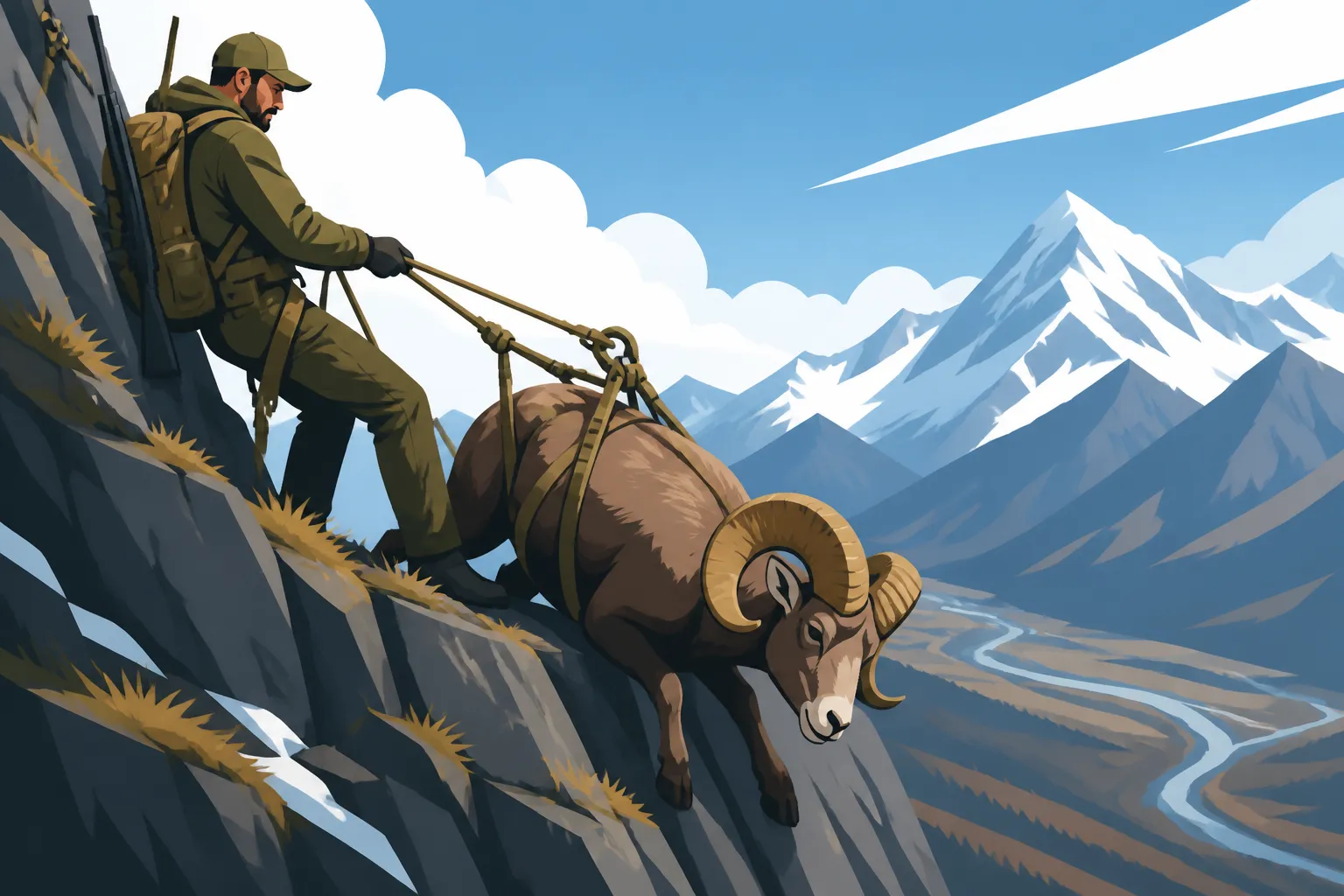
You’ve just pulled the trigger on the ram of a lifetime, a moment of pure triumph high on an Alaska ridge. The adrenaline is still coursing, the views are breathtaking, and you’re standing over an animal that represents years of dreaming and grueling effort. But then, the immediate, stark reality hits you: this ram isn't going to walk itself off this mountain, and it’s currently in one of the most remote, unforgiving places on earth, likely perched precariously on a cliff face or a steep, broken slope. The challenge of getting that hard-earned meat and magnificent trophy safely back to civilization can feel even more daunting than the hunt itself. This guide is all about tackling that exact problem, sharing the realities and techniques for safely packing an Alaska ram off truly nasty terrain.
Assessing the Situation and Planning Your Descent
Successfully packing a ram off a cliff face isn't just about brute strength; it's a calculated, methodical operation where safety takes absolute precedence. Before you even touch the ram with a knife, take a moment. Catch your breath. Hydrate. And critically, observe your surroundings.
Safety First: Evaluating the Terrain and Weather
After the shot, the euphoria can make you impulsive, but this is the absolute worst time to rush. You need to switch gears from hunter to mountaineer. Look around you, really look. Is the ground stable? Are you on loose scree that will slide with every step, or solid rock? Are there hidden crevasses, sheer drops, or ice patches lurking just out of sight? The conditions can change drastically within a few hundred vertical feet. Fog can roll in within minutes, reducing visibility to mere feet and turning a clear path into a disorienting labyrinth. Rain can make slick rocks treacherously greasy, and snow can hide dangers or make footholds nonexistent.
Consider the time of day. How much daylight do you have left? Packing a heavy, awkward load down a cliff in fading light or darkness is a recipe for disaster. If it’s getting late, making the decision to hold tight, process the ram, and secure your camp for the night might be the smartest, safest move. You can always come down in the morning, but you can’t un-fall from a cliff. Having a reliable satellite communication device like an inReach and a clear understanding of your pre-arranged check-in schedules for solo hunts can be the difference between a minor delay and a serious emergency if things go south. Prioritize your safety and the safety of your hunting partners above all else. This isn't just about protecting yourself; it's about protecting those who would have to come look for you.
Breaking Down the Ram and Preparing the Load
Once you've assessed the immediate safety and decided on your next steps, the actual work of field dressing and quartering begins. This isn't like breaking down a moose on flat tundra; you'll likely be working on steep, uneven ground, possibly with one knee braced against a rock, or even while facing in towards the slope.
Start by carefully moving the ram to the most stable, level-ish spot you can find, even if it's just a few feet. This might mean carefully dragging it a short distance. Your goal is to break it down into manageable, packable sections as efficiently as possible. This means quartering it into four main pieces of meat, taking the backstraps and tenderloins separately, and meticulously caping for a full shoulder mount or European mount. When it comes to the head, understanding the process for skull plate removal for sheep horns will save you considerable weight and bulk in the long run if you’re not going for a full shoulder mount. The horns themselves are incredibly heavy and awkward, so minimizing the skull bone attached to them is key.
As you break down the animal, get the meat into breathable game bags immediately. This isn’t just about cleanliness; it allows the meat to cool and helps keep flies off. If you’re in an area prone to coastal rain, using game bags that breathe in coastal rain is essential to prevent spoilage and sliminess. Each quarter, along with the backstraps, tenderloins, and the cape, needs its own bag. The skull and horns should be kept separate, protected from the meat but also protected from damage during the pack out.
| Item | Approximate Weight (Dall Ram) | Packing Considerations |
|---|---|---|
| Front Quarter (x2) | 20-30 lbs each | Relatively uniform, easier to pack. |
| Rear Quarter (x2) | 30-40 lbs each | Heavier, can be awkward due to bone structure. |
| Backstraps/Tenders | 10-15 lbs | Smaller, can fill gaps or be packed in a separate small bag. |
| Cape | 15-25 lbs (wet) | Flexible, can be folded/rolled. Protect hair side. |
| Skull and Horns | 25-40 lbs (heavy!) | Bulky, very awkward. Requires careful strapping. |
Remember, every ounce counts when you're navigating vertical terrain. Take only what is required by law and what you intend to consume or preserve. Leave behind unnecessary bone or fat, but always adhere strictly to Alaska’s game salvage laws.
Planning Your Route Down
Before you start loading your pack, take a few minutes to carefully scout your descent route. This is where your earlier observations become critical. You might have been so focused on the stalk and shot that you didn’t truly map out an exit strategy. Now is the time. Look for natural ramps, benches, or less steep sections of scree that offer a more forgiving path. Avoid sheer cliffs, waterfalls, or areas that funnel into tight, boulder-choked gulleys unless absolutely necessary and you have mountaineering equipment and expertise.
Sometimes, the easiest way down isn't a straight line. It might involve a longer traverse, a switchback pattern, or even backtracking a short distance to find a safer, albeit longer, route. Consider where you plan to set up a spike camp above a sheep basin, or if you're pushing all the way to a pre-determined pick-up point. Having a good understanding of the surrounding terrain, perhaps from previous scouting using satellite imagery, or by referencing your topographical maps and GPS, is paramount. Even if you've done extensive glassing the Alaska Range: Finding Game Before You Move, the ground-level perspective with a heavy pack is entirely different. Don't be afraid to take detours for safety.
Strategic Packing and Load Distribution
The way you pack your ram out can make or break your descent. A poorly balanced or insecure load will turn a difficult task into a dangerous one, sapping your energy and increasing your risk of a fall.
The Art of the Meat Pack: Balancing Weight and Stability
When you're packing off a cliff, every step needs to be surefooted. This means your pack needs to feel like an extension of your body, not a clumsy, shifting weight. The core principle for heavy loads is to keep the weight high and close to your back. This helps maintain your center of gravity and prevents the pack from pulling you backward or throwing you off balance.
Start with your heaviest items – typically the rear quarters – placed vertically or horizontally along your spine, nestled against the frame sheet or internal frame of your pack. Then, build around them with the front quarters and other meat. Use your soft gear, like sleeping bags or extra clothing, to cushion and stabilize the meat, preventing it from shifting. Every strap, every compression cinch, needs to be tight. Imagine falling; you don't want your load exploding out of your pack. For solo hunters, this meticulous process is even more critical. Trying to manage a full ram, including the head, by yourself is an immense undertaking, often requiring multiple trips or a truly specialized pack designed for expedition-level loads. If you have partners, distribute the load as evenly as possible, ensuring no one person is dangerously overloaded. For more general advice on managing heavy loads, revisit tips on backpack hunting in Alaska: gear weight and meat loads.
Securing the Skull and Horns
This is often the most challenging part of packing a ram. Those beautiful, heavy, curved horns are designed to resist being packed. They are bulky, have sharp points, and will constantly snag on brush or rocks if not properly secured. First, ensure any remaining brain matter or tissue is removed from the skull plate to prevent spoilage and smell. Then, you need to find a way to attach the skull and horns to your pack so they are stable, don't interfere with your head movement, and are protected from damage.
Many hunters will strap the skull and horns to the exterior of their main pack, often inverted (tips pointing down) to keep them from catching on overhead obstacles. Use heavy-duty compression straps or even extra webbing to lash them down tightly to the frame. You might need to experiment with different orientations to find what works best with your specific pack and the ram's unique horn curl. Be especially mindful of the horn tips, as broomed horn tips and the full-curl rule are often key identification markers. These can be surprisingly fragile during a rough descent, and any further horn damage during the pack out can impact its aesthetic value or even legal dimensions if not carefully considered. Some specialized external frame packs have dedicated pockets or straps specifically designed for carrying large, awkward items like horns and antlers, making this task a bit easier. GoHunt's gear reviews sometimes highlight packs that excel in this area.
Navigating the Descent: Techniques and Teamwork
With your pack loaded and secured, the true physical and mental test begins. Descending a steep, unstable slope with a heavy load demands concentration, coordination, and a conservative approach.
Controlled Movement on Steep, Unstable Ground
Forget long, confident strides. When you're packing a ram off a cliff, your movement should be slow, deliberate, and controlled. Take short, shuffling steps. Use trekking poles as a third and fourth point of contact, digging them in firmly before shifting your weight. On very steep or loose scree, you might find it safer to face into the slope, almost as if you’re climbing down a ladder, using your hands for balance and to test holds.
This method, while slower, provides far more control and reduces the risk of a catastrophic slide. Pay meticulous attention to your foot placement. Test every foothold before committing your full weight. Loose rock, wet moss, or patches of soft snow can give way unexpectedly. If you're hunting with a partner, communicate constantly. Point out hazards, call out stable footing, and keep an eye on each other. It’s a lot like trying to find stable shooting positions on Alaska tundra and sidehills, but with a much heavier, more awkward load and the added challenge of gravity pulling you down.
Dealing with Obstacles: Rock Falls, Gully Crossings, and Snow Patches
The mountain is rarely a smooth, consistent slope. You’ll encounter countless obstacles, each demanding a careful approach.
- Rock Falls: A single misplaced foot or a bumped rock can trigger a cascading rock fall. Always be aware of what’s above you and below you. If you’re moving as a team, spread out sufficiently so that a rock dislodged by one person doesn't strike another, but stay close enough for effective communication. Avoid moving directly below another hunter on a steep slope.
- Gully Crossings: Crossing steep, eroded gullies can be particularly dangerous. The sides are often loose, and the bottom can be choked with boulders or rushing water. Look for the narrowest or most stable point to cross, or consider if you can navigate around it entirely. Again, trekking poles are invaluable here for maintaining balance.
- Snow and Ice Patches: Even in late summer, you can find lingering snowfields or hidden ice patches in shaded gullies. These can be extremely slippery. If you’re not equipped with microspikes or an ice axe, these areas should be avoided if possible. If unavoidable, proceed with extreme caution, cutting steps if necessary, or butt-sliding (if safe to do so) for short distances, maintaining control. Reading sheep trails in loose shale can often reveal safer passage points that sheep themselves have worn over time. They tend to find the paths of least resistance, which are often the most stable.
Post-Descent Care and the Long Haul
Congratulations, you've made it off the cliff face! But the journey isn't over. You've conquered the immediate danger, but now you likely face miles of strenuous packing across challenging terrain.
Resting and Re-evaluating Your Plan
Once you reach more stable, flatter ground, immediately take a break. Take off your pack, stretch, rehydrate, and fuel up. You've just expended an incredible amount of energy and mental focus. This is a good time to reassess your remaining journey.
- Check Your Gear: Are any straps chafing? Is anything loose? Are your boots holding up?
- Check Yourself: Are you exhausted? Are you injured? Any blisters forming? Push through pain if you must, but don't ignore an injury that could worsen into a serious problem.
- Check the Meat: Open the game bags briefly to allow fresh air to circulate, if conditions allow. Ensure the meat is still cooling and hasn't picked up too much dirt.
- Review Your Map: Confirm your location and plot your course to your main camp, rendezvous point, or extraction site. How many miles are left? What kind of terrain will you cover? Are there any unexpected rivers or obstacles?
This resting period is crucial for both physical recovery and mental regrouping. It allows you to shift from the hyper-focused, immediate danger of the cliff face to the grinding, sustained effort of the long-distance pack out.
Long-Distance Packing to Camp or Pick-Up
The physical toll of carrying a ram, even after the cliff descent, is immense. You might still have miles of tundra, river crossings, or dense brush to navigate. For many sheep hunters, the closest road or airstrip could be days away.
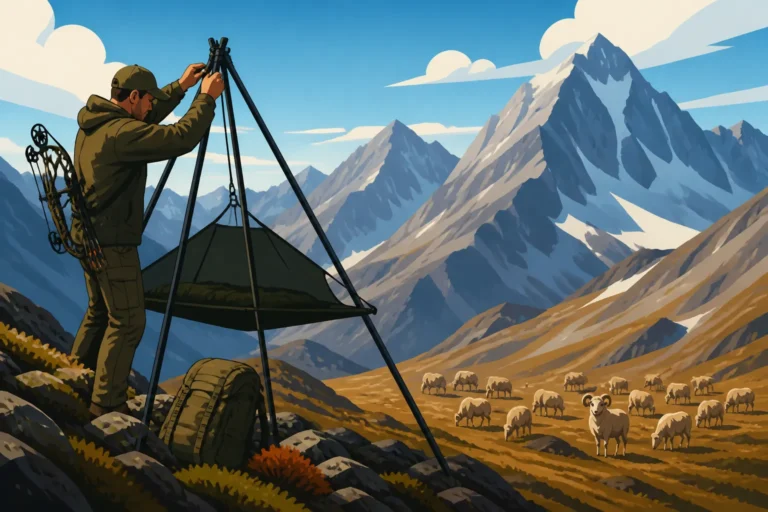
If you’re heading back to a spike camp, remember that you still have to carry your personal gear in addition to the ram. If you're on a multi-day haul, the initial exhaustion after the cliff descent can make the subsequent days feel even harder. Breaking the load down into smaller, more manageable trips, if time and resources allow, can be a sensible strategy. Sometimes, setting up a proper spike camp above a sheep basin, rather than trying to push all the way out, is a smart play. It allows you to secure the meat, get some much-needed rest, and approach the final push with renewed energy.
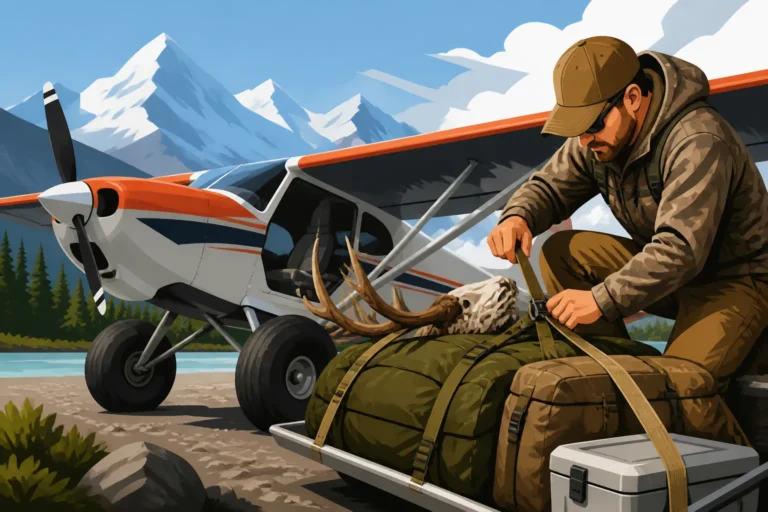
For those using a bush plane or air taxi, precise communication and timing are everything. Ensure your transporter knows your new estimated pick-up time, especially if the cliff descent took longer than anticipated. If you’re relying on a float hunt river system, the challenge then shifts to safely loading a bull moose into a raft, or in this case, a ram, along with all your gear, and then navigating potentially swift currents. No matter the scenario, the "pack out" is an integral part of the hunt that demands respect, preparation, and an unshakeable resolve. The weight on your back is a testament to the high country's challenges and the reward of enduring them.
Disclaimer
The information provided in this guide is for general informational purposes only and does not constitute professional advice. Hunting in Alaska carries inherent risks, and conditions can change rapidly. Always prioritize safety, adhere to all local, state, and federal regulations, and consider consulting with experienced guides or professionals for specific situations. The author and publisher are not responsible for any accidents, injuries, or damages resulting from the use or misuse of this information.