Setting Up a Spike Camp Above a Sheep Basin
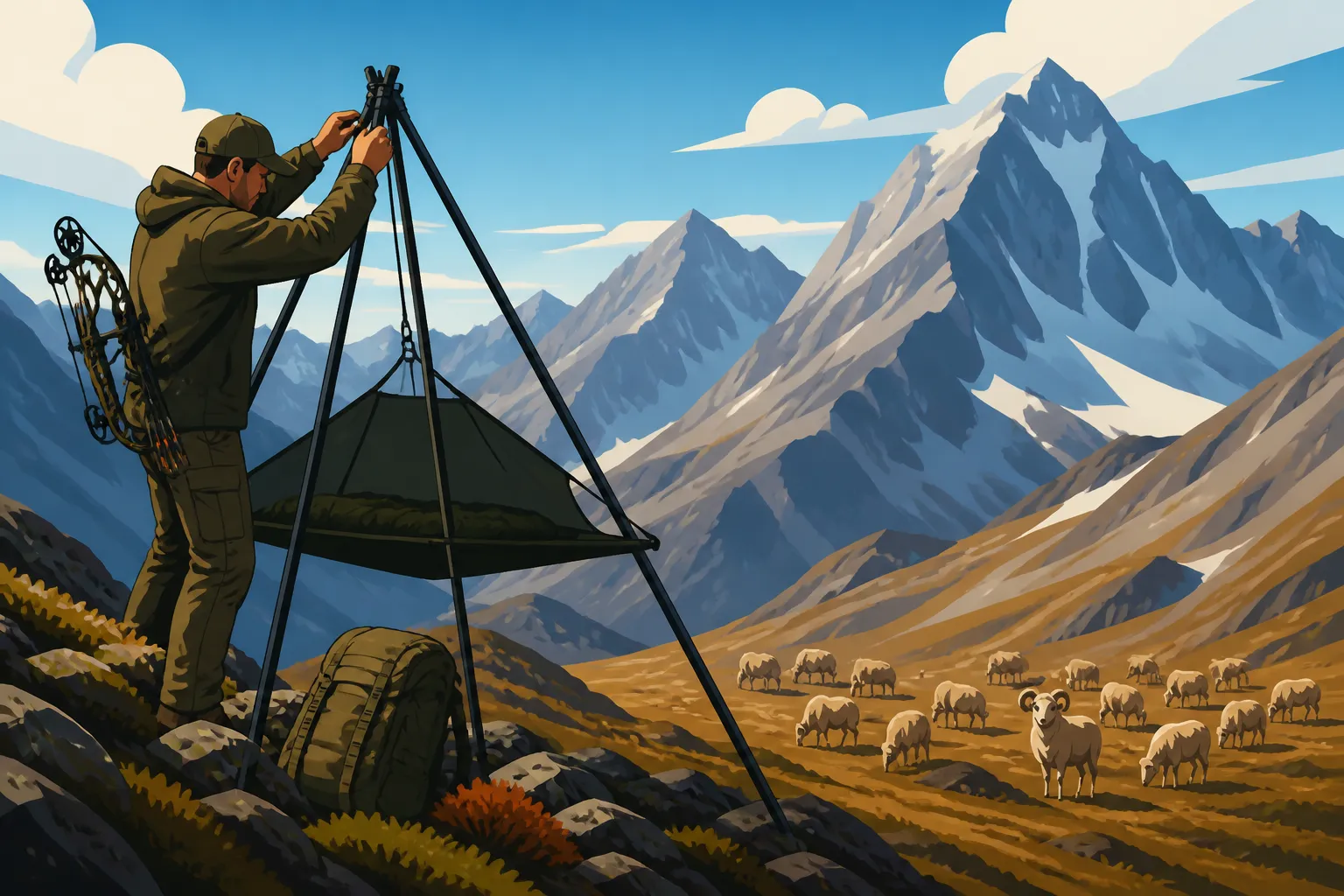
The sheer physical and mental grind of a sheep hunt in Alaska is something few other pursuits can match. You're constantly battling elevation, brutal terrain, and the ever-present threat of weather, all while trying to outwit one of the most elusive game animals on the continent. One of the biggest challenges is simply getting yourself into a position to succeed, and that's where setting up a strategic spike camp high above a sheep basin becomes not just an advantage, but often a necessity. This guide will walk you through the meticulous planning and execution required to establish a functional, safe, and effective spike camp, giving you the best possible chance to connect with a Dall ram.
The Philosophy Behind the High Spike Camp
When you're chasing Dall sheep, it's not like hunting moose in a river bottom or deer on a low-country island. You're up in their world, a realm of rock, ice, and thin air. A spike camp isn't just a place to sleep; it's a critical tactical position that dictates your success or failure. It's about more than just comfort; it's about proximity, observation, and being able to react quickly to the movements of game.
Why Go High? Proximity and Observation
The primary reason to push a spike camp high into the alpine is to put yourself in the immediate vicinity of the sheep. Think about it: every morning you wake up in a low camp, you're facing a grueling, energy-sapping climb just to get to glassing country. By the time you've huffed and puffed your way up, precious hours of first light, when rams are often most active and visible, might be gone. A high camp drastically cuts down on this travel time, allowing you to be set up on a glassing knob before the sun even touches the peaks.
This proximity means you spend more time observing and less time hiking. You can literally roll out of your sleeping bag, grab your binoculars, and start scanning the basin below and across the way. This extended observation period is invaluable for understanding sheep patterns, identifying travel corridors, and, most critically, finding that legal ram. It also means you can get back to camp faster if weather blows in or if you need to adjust your strategy mid-day. The payoff for that extra vertical gain with your pack can be days saved, or the difference between a stalk and a missed opportunity.
Minimizing Impact and Maximizing Stealth
Another subtle but critical advantage of a well-placed high camp is its ability to minimize your disturbance of the basin. When you're constantly climbing up from below, there's a higher chance of spooking sheep, especially if you're crossing through their lower feeding or bedding areas. With a high spike camp, you're often able to approach the basin from above or along a ridge, remaining out of sight and scent range for longer periods.
This stealth applies not just to your approach, but also to your daily activities. A small, minimalist spike camp leaves a far smaller footprint than a larger base camp. There's less noise, less movement, and less scent to carry on the wind. It allows you to become more integrated with the landscape, almost like another rock, rather than a foreign intrusion. The goal is to move like a ghost through sheep country, and a strategic spike camp is a cornerstone of that philosophy. You’re aiming to become part of the natural rhythm of the mountain, not disrupt it.
Scouting Your Basin from Afar: Pre-Hunt Intelligence
Before you ever set foot on an Alaska mountain, the real work of setting up a spike camp begins at home. Modern technology has revolutionized pre-hunt scouting, allowing you to virtually "walk" the terrain and identify potential camp locations and sheep habitat long before your boots hit the shale. This phase is crucial for developing a solid game plan and reducing surprises in the field.
Leveraging Satellite Imagery and Topo Maps
The advent of detailed satellite imagery and digital topographic maps has been a game-changer for Alaska sheep hunters. Tools like those offered by GoHunt or basic Google Earth are indispensable. You can spend hours poring over a unit, identifying likely sheep basins, evaluating access routes, and, most importantly, pinpointing spots that scream "spike camp." Look for benches, saddles, and small plateaus high on ridges or nestled just below a major peak. These locations offer commanding views of the surrounding terrain while often providing some shelter from the relentless alpine winds.
When using these tools, pay close attention to elevation contours. Steep, rocky slopes that look insurmountable from the ground might reveal a hidden bench or a more gradual ramp on satellite view. Identify areas with perennial snowfields, as these often indicate nearby water sources from melt-off. Also, look for distinct changes in vegetation – green patches or willow draws within the rock and scree often mean better forage for sheep and can indicate areas they frequent. Don't just look for where the sheep are, but where you can be, effectively and discreetly, to observe them. For a deeper dive into this, check out our guide on Scouting a Unit From Satellite Imagery Before You Fly.
Identifying Key Terrain Features for Campsites
Once you’ve zoomed in on potential areas, start dissecting the terrain for specific camp features. You're looking for a few critical elements that will make a spike camp viable. First and foremost, you need relatively flat ground. Even a slight incline can lead to an uncomfortable night's sleep and cold spots in your tent. Flat spots are surprisingly rare in vertical sheep country, so identify them early.
Next, consider natural windbreaks. A large rock outcrop, a slight depression, or the lee side of a ridge can offer crucial protection from the fierce, unpredictable winds that whip through the mountains. While satellite imagery won't show you the wind, it can reveal features likely to provide shelter. Finally, consider the approach and departure. Can you get to this spot without exposing yourself to the sheep? Can you quickly retreat if the weather turns or if you need to move to a new area? These are the questions you need to answer before you pack a single piece of gear. Mark several potential sites on your GPS and maps; having backups is always wise in Alaska.
On-the-Ground Reconnaissance: Choosing the Right Spot
Once you're actually in the field, the theoretical planning from your living room translates into real-world decisions. What looked perfect on a screen might be a nightmare on the ground. This phase requires patience, a keen eye, and a willingness to adapt your plans based on the immediate conditions.
Evaluating Access and Escape Routes
Before you even think about dropping your pack, take a moment to evaluate the ground on foot. Is the route to your chosen camp spot safe and manageable with a heavy pack? Are there any unexpected cliff-outs, unstable scree fields, or hidden crevasses that weren't visible from afar? Remember, you'll be traversing this same ground, potentially in the dark or bad weather, and likely with a heavy load of meat if you're successful. Safety is paramount.
Just as important as the access is the escape route. What if a sudden white-out rolls in? What if a grizzled brown bear decides your basin looks like a good place for a nap? You need to know you can safely get out of your camp and off the mountain if necessary. Look for multiple paths down or to another ridge line. Having options is key to survival in this unforgiving environment. Don't commit to a camp until you've fully assessed the immediate surroundings for both ingress and egress.
Water, Wind, and Weather Considerations
Water is life, especially when you're exerting yourself at high altitudes. While satellite images can hint at water sources, you need to confirm them on the ground. Are there reliable snowmelt seeps, small tarns, or trickling springs nearby? Is the water easily accessible without exposing yourself to the sheep? Consider the time of year too; early season might have ample snowmelt, but late season could see many sources dried up. If water is scarce, you’ll need to pack in more, adding significant weight to your already heavy pack. Having a few different water sources marked on your GPS (see Water Sources at a High Spike Camp) can be a lifesaver.
Next, pay close attention to the wind. Even on a calm day, there might be micro-currents that funnel wind through certain saddles or over ridges. Feel for these subtle changes. Strong winds will relentlessly batter your tent, making for a miserable night and potentially compromising your shelter. A slightly lower, more protected spot might be preferable to a more exposed but scenic overlook. Finally, consider the overall weather exposure. Are you in a lightning-prone area? Is there any overhead hazard from loose rock or cornice collapse? The alpine is beautiful, but it's also incredibly unforgiving. Always consider the worst-case scenario.
Natural Cover and Concealment
Sheep have incredible eyesight, and they'll spot anything out of place. Your spike camp needs to be as invisible as possible. Look for natural cover that blends your tent into the landscape. This could be a cluster of large boulders, a shallow depression, or even a small patch of sparse alpine brush. The goal is to set up where you are completely out of sight from any likely sheep travel routes or bedding areas.
Beyond visual concealment, consider acoustics. While sheep aren't known for their hearing, a noisy camp can still alert other wildlife or simply make you feel less connected to the wild. A natural windbreak can also help muffle sounds. Remember, you're not just hiding from sheep; you're also creating a secure base from which to observe and plan. The more you blend in, the more natural the sheep will behave, increasing your chances of a successful hunt. This is also where understanding the contours of the land becomes crucial, as detailed in our article on Reading Contour Lines for Sheep Benches.
| Shelter Type | Weight Range (lbs) | Setup Complexity | Best Use Case | Pros | Cons |
|---|---|---|---|---|---|
| Single-Wall Tent | 1.5 – 3.5 | Moderate | Fast-moving, minimalist trips | Lightweight, compact, quick pitch | Condensation, less durable |
| Double-Wall Tent | 3.0 – 6.0 | Moderate | Extended trips, harsh weather | Excellent ventilation, durable, spacious | Heavier, larger pack size, slower pitch |
| Tarp Shelter | 0.5 – 1.5 | High (requires skill) | Ultra-light, experienced users | Extremely light, versatile, spacious | Requires trekking poles/trees, minimal bug/wind protection |
| Bivy Sack | 0.5 – 1.0 | Low | Emergency, minimalist sleep | Very light, compact, quick deploy | Zero comfort, no space, condensation |
Essential Gear for a High Alpine Spike Camp
The weight of your pack is a constant battle on any Alaska hunt, but it becomes an obsession when you're climbing mountains for sheep. Every ounce counts, but you absolutely cannot compromise on critical safety and survival gear. Striking the right balance between ultralight and utterly functional is the name of the game.
Shelter Systems: Tents and Tarps
Your shelter is your lifeline in the unforgiving alpine environment. It needs to be lightweight enough to carry uphill for miles, but robust enough to withstand howling winds, driving rain, and even unexpected snow. For sheep hunting, most experienced hunters opt for a durable, mountaineering-style tent. Look for models designed for three- or four-season use, with strong pole structures and tear-resistant fabrics. Double-wall tents, while slightly heavier, offer superior condensation management and better insulation than single-wall alternatives, which can be critical when you’re socked in for days.
Some ultralight enthusiasts might choose a tarp-based system or a bivy sack, but these come with significant compromises in comfort and protection, especially during prolonged storms. When you’re spending multiple nights above timberline, a solid tent like a Hilleberg, MSR, or Big Agnes tent designed for alpine conditions will be your best friend. Remember, you’re not just sleeping; you might be weathering a storm for a day or two, and that requires a reliable fortress. For insights into managing the load, especially for multi-day trips, consider tips found in Backpack Hunting in Alaska: Gear Weight and Meat Loads. Don't skimp on a good tent if you value your life and sanity in the Alaska high country; explore options mentioned in Two-Man Tent Weight for a Sheep Hunt.
Cooking and Hydration in Remote Terrain
Eating well and staying hydrated are non-negotiables for maintaining energy and mental focus on a sheep hunt. For cooking, a lightweight, reliable stove is essential. Jetboil systems are popular for their speed and efficiency, especially for melting snow or boiling water for dehydrated meals. Canister stoves like those from MSR or Soto are also excellent choices, but always carry enough fuel for your planned trip, plus a contingency. Dehydrated meals are the standard for spike camps – they’re light, packable, and calorically dense. Supplement with high-energy snacks like nuts, jerky, and energy bars.
For hydration, a robust water filter or purification system is crucial. Brands like Sawyer or Katadyn offer reliable filters that can process glacial meltwater or tarn water. Even if you find pristine-looking water, filtering is a smart precaution. Consider carrying a small collapsible water bladder for easy collection and transport from your water source to camp. Remember to account for the additional water needed if you're not able to easily resupply from a natural source, and ensure you have a backup purification method, like chemical tablets, in case your primary system fails.
Lightweight Sleep Systems
A good night's sleep is paramount for recovery after a strenuous day of climbing. Your sleep system needs to be warm, lightweight, and packable. Start with a high-quality down sleeping bag rated for temperatures at least 10-20 degrees Fahrenheit colder than what you expect to encounter. Alpine nights, even in August, can drop below freezing, and a cold hunter is a miserable and ineffective hunter. Look for bags with a good warmth-to-weight ratio, typically achieved with high fill-power down.
Complement your sleeping bag with an insulated sleeping pad. This isn't just about comfort; it's about preventing heat loss to the cold ground. Inflatable pads like those from Therm-a-Rest or Exped offer excellent R-values (insulation ratings) for their weight. Don't underestimate the importance of a good pad – a warm bag on a cold ground is like sleeping directly on ice. Finally, consider a lightweight inflatable pillow or simply use your packed clothing in a stuff sack for head support. Every small comfort adds up when you're pushing your body to its limits.
Setting Up Camp: Best Practices for Comfort and Safety
With your gear carefully selected and your spot chosen, the actual act of setting up camp is where good planning meets the realities of the mountain. This isn't just about pitching a tent; it's about establishing a temporary home that can withstand the elements and keep you safe and effective for the duration of your hunt.
Site Preparation and Leveling
Once you've arrived at your chosen spike camp location, the first thing to do is prepare the site. Clear away any sharp rocks, sticks, or debris that could damage your tent floor or make for an uncomfortable sleep. Even small pebbles can feel like boulders after a long day. If the ground isn't perfectly flat, try to orient your tent so your head is slightly uphill, or at least level. Sleeping with your feet elevated is generally more comfortable than the reverse.
If you’re camping on a slight slope, a technique called "bench leveling" can create a more comfortable platform. This involves carefully scraping away a small amount of dirt and rock from the uphill side of your tent site to create a flatter area. Be mindful of disturbing the fragile alpine tundra, and try to minimize your impact. A flat, clear, and stable tent site is the foundation of a good night’s rest and sets the tone for a successful hunt.
Securing Your Shelter Against Alpine Winds
The wind is your constant companion and biggest foe in the Alaska high country. A properly pitched and secured tent can mean the difference between a restful night and a shredded shelter. Start by orienting your tent to present the smallest profile to the prevailing wind. Most mountaineering tents are designed with an aerodynamic shape to deflect wind, so pay attention to the manufacturer's recommendations.
Use all available guy-out points and stakes, even if the weather seems calm. Conditions can change in an instant, and you don't want to be scrambling to secure your tent in a sudden gale. If the ground is too rocky for stakes, use large rocks to anchor guy lines or even place inside your tent around the edges to hold it down. A crucial tip for truly exposed sites is to build a rock wall or windbreak around the windward side of your tent. This might seem like extra work, but it dramatically reduces the wind load on your tent fabric and poles, providing a much more peaceful and secure sleep. Trust me, you'll be thankful for the extra effort when the wind howls at 40 mph.
Food Storage and Bear Safety
Even in high alpine sheep country, bears are a real concern. Both black bears and grizzlies are incredibly opportunistic and have an uncanny ability to find food. Proper food storage is not just a recommendation; it's a matter of safety for you and for the bears. All food, scented items (toothpaste, deodorant), and cooking gear must be stored well away from your sleeping area. Ideally, this means hanging it from a sturdy rock overhang or using a bear-resistant container. If neither is available, try to cache your food in a natural crevice and cover it with heavy rocks, but be aware this is less secure.
Cooking should also be done away from your tent, downwind if possible, to prevent food odors from permeating your sleeping gear. Dispose of all food waste properly – pack it out! Never bury food scraps. Carry bear spray, readily accessible, and know how to use it. Many hunters also carry a sidearm in bear country. For detailed strategies on securing your kill and camp, especially around active bear populations, refer to our comprehensive guide on Bear Fence Setup at a Meat Cache. Always be bear aware, even if you haven't seen any sign. They are masters of stealth.
Living and Hunting from Your High Camp
A spike camp isn't a luxury resort; it's a functional base of operations. How you manage your time, conserve energy, and react to changing conditions from this elevated position will directly impact your hunting success.
Daily Routines and Observation Tactics
Life in a high spike camp revolves around the hunt. Your daily routine needs to be highly disciplined to maximize your chances. Wake up well before first light – often an hour or more before sunrise. This gives you time to make coffee or hot cocoa, eat a quick breakfast, and be ready on your chosen glassing knob as the first hint of daylight appears. Rams are often most active during these low-light periods, moving from bedding to feeding areas.
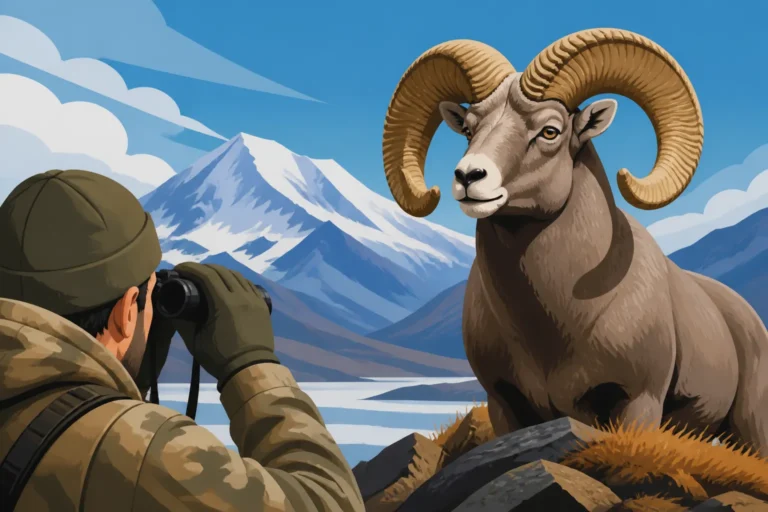
Effective glassing is an art form. Instead of randomly scanning, use a systematic approach, like breaking the basin into a grid. Use your binoculars first to scan broad areas, then switch to your spotting scope for detailed examination of anything that looks promising. Pay special attention to shady areas, small benches, and transition zones where rock meets vegetation. Be patient; sheep can blend in incredibly well. You might have to stare at a rock for ten minutes before it suddenly shifts and becomes a ram. For comprehensive strategies on maximizing your observation time, read up on Glassing at First Light Versus Midday and Glassing Grids That Cover a Whole Basin.
Packing for Day Hunts from the Spike Camp
Even from a spike camp, you’ll be making daily forays, often covering significant distances and elevation. Your day pack needs to be meticulously organized to carry everything you need for 10-14 hours on the mountain, without being overly cumbersome. Essential items include water, high-energy snacks, a rangefinder, binoculars, a spotting scope (with a lightweight tripod, ideally with a sturdy Tripod Height for All-Day Glassing for comfort), game bags, a knife, an emergency kit (first aid, fire starter, space blanket), a headlamp, and navigation tools (GPS, map, compass).
Crucially, include extra layers of clothing. The weather in the alpine can turn from sunny to sleet in minutes. A good rain shell and insulated puffy jacket are non-negotiable. Don't forget a shooting rest, whether it's a bipod or simply a small bag of rice. Every item should have a purpose, and you should know exactly where it is in your pack. The efficiency of your day pack will often determine how far and effectively you can hunt from your spike camp.
Dealing with Inclement Weather and Emergencies
Alaska's mountains are notorious for their unpredictable and severe weather. You must be prepared for anything from white-out blizzards to torrential rain and freezing temperatures, even in summer. If bad weather moves in, the best strategy is often to hunker down in your tent. Have good books, podcasts, or cards to pass the time. Ensure you have enough fuel and food for unexpected delays. This is where the robust shelter and lightweight sleep systems discussed earlier truly prove their worth.
Emergencies happen, and being in remote sheep country means you are hours, or even days, from help. Always carry multiple forms of communication, such as a satellite messenger (Garmin inReach, Zoleo) or a satellite phone. Have a check-in plan with someone outside the field, and stick to it. If you're hunting solo, this is absolutely critical. Understand how to use your navigation tools effectively, even when visibility drops to zero. A GPS with downloaded offline maps is essential. Be familiar with Alpine Navigation Without Cell Service and understand how to prolong GPS Battery Life in Cold Camps. Knowing when to call for help, and having the means to do so, could save your life. For comprehensive safety plans, refer to Signal Devices and Check-In Plans for Solo Alaska Hunts.
Disclaimer
Hunting in Alaska involves inherent risks, including but not limited to extreme weather, rugged terrain, dangerous wildlife, and remote conditions. The information provided in this guide is for informational purposes only and should not be considered a substitute for proper training, experience, and professional advice. Always prioritize safety, carry appropriate gear, inform others of your plans, and be prepared for emergencies. Adhere to all Alaska Department of Fish and Game regulations and federal land agency rules. Hunters are responsible for their own safety and decisions in the field.