Alaska’s Same-Day-Airborne Rule and What It Bans
Navigating Alaska's hunting regulations can feel like trying to find your way through a dense fog, especially when you encounter rules like the "Same-Day-Airborne" restriction. This particular regulation often trips up even seasoned hunters and can turn a dream hunt into a legal nightmare if misunderstood. This guide aims to clear up the confusion, providing a thorough explanation of what this rule means, why it exists, and how to ensure your Alaskan hunting adventure stays on the right side of the law.
The Philosophical Backbone of the Same-Day-Airborne Rule
Before we dive into the nitty-gritty details of the same-day-airborne rule, it's helpful to understand the underlying philosophy behind it. Alaska, with its vast and often trackless wilderness, has a strong tradition of fair chase hunting. The state's game managers and many hunters believe that utilizing aircraft to directly locate and pursue game on the same day as the hunt gives an unfair advantage, diminishing the challenge and ethical standards of the pursuit. It's about preserving the wild character of hunting in a truly wild place.
This rule isn't just an arbitrary restriction; it's deeply rooted in the concept of wilderness ethics. The ease and speed of air travel could, theoretically, allow hunters to scout vast areas, spot animals, land nearby, and harvest them within hours. This would significantly reduce the effort, skill, and physical challenge that is inherent to hunting in Alaska, a challenge that many cherish. The rule is designed to ensure that the hunter's skill, knowledge of the terrain, and physical endurance remain paramount, rather than solely relying on the technological advantage of an aircraft. It levels the playing field, so to speak, against the sheer scale of the Alaskan landscape.
The rule also plays a crucial role in wildlife management by reducing harvest pressure in easily accessible areas. Without it, certain popular regions could see disproportionately high success rates due to hunters flying over and immediately pursuing game. This would put undue stress on local populations, potentially leading to overharvest and a decline in herd health. By creating a mandatory separation between airborne scouting and ground hunting, the rule encourages a more dispersed and less impactful hunting effort, contributing to the long-term sustainability of Alaska's iconic big game populations. It reinforces the idea that hunting here is an immersive, multi-day commitment, not just a quick hit-and-run operation.
Defining "Same-Day-Airborne" and What It Restricts
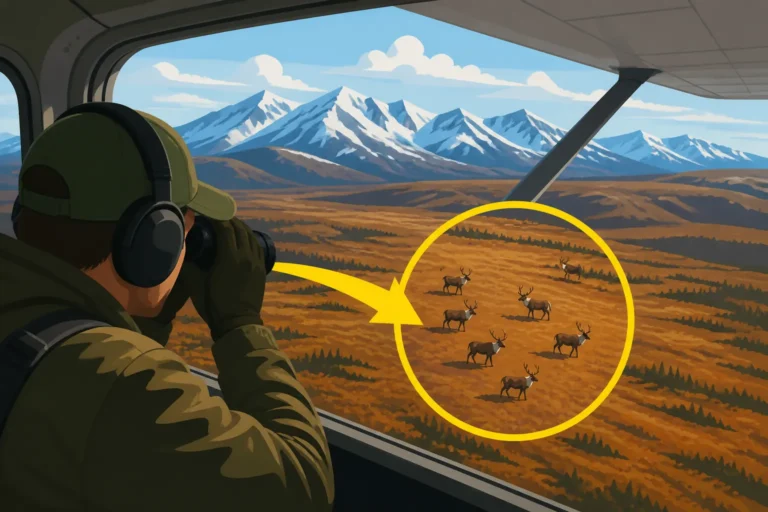
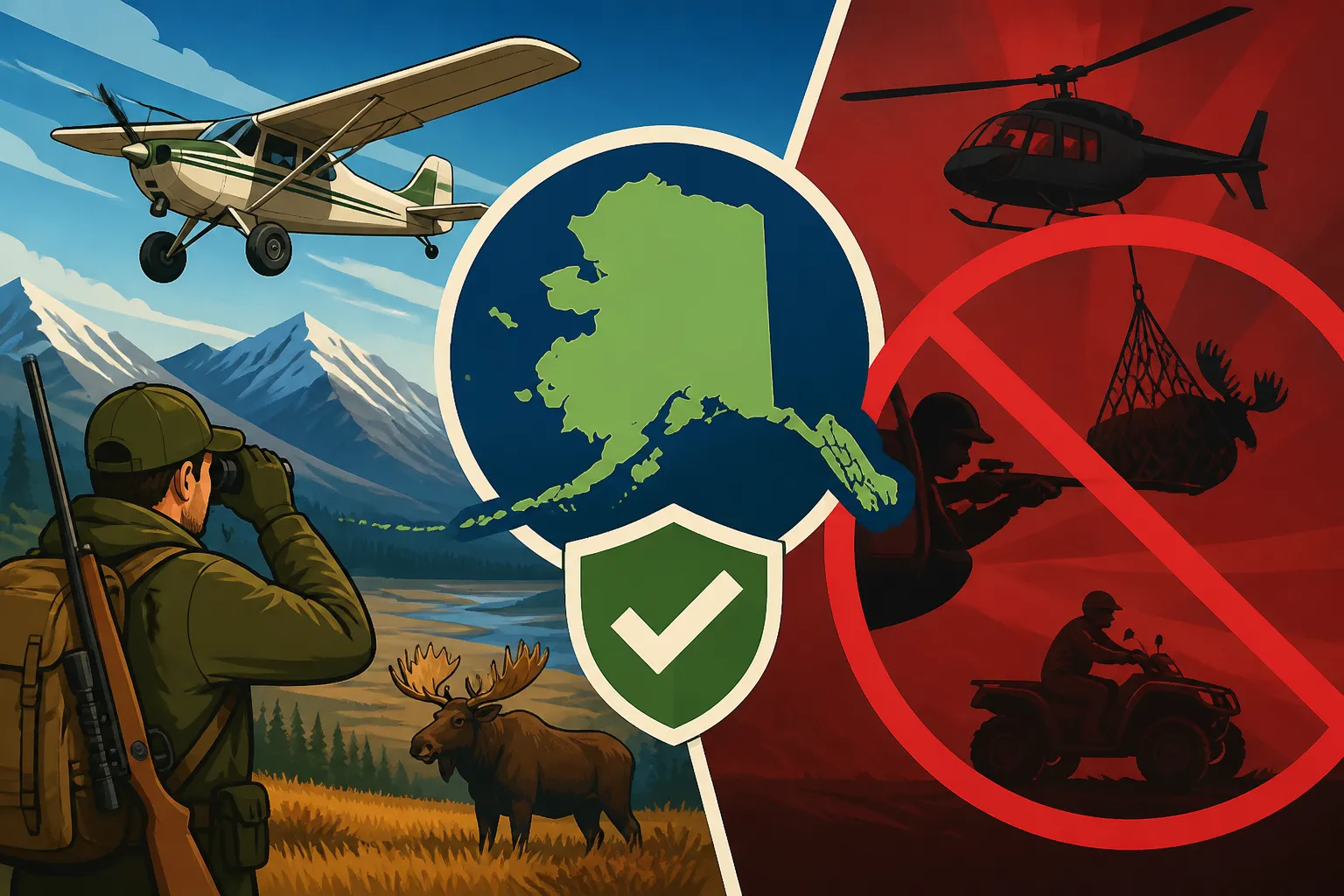
At its core, the same-day-airborne rule prohibits a person from hunting big game on the same day they have been airborne in an aircraft. This applies specifically to hunting from a fixed-wing aircraft, a helicopter, or any other motorized air vehicle. The intent is to prevent hunters from using the aerial view to locate animals and then immediately land and engage in pursuit. This isn't just about shooting from a plane, which is, of course, illegal; it's about the advantage gained by spotting game from a plane.
The key phrase here is "on the same day." This means that if you've been flying in a fixed-wing aircraft, for any purpose, on a given calendar day, you generally cannot hunt big game in Alaska until the next calendar day begins. For example, if your air taxi drops you off at a remote lake at 10 AM on September 1st, you are legally prohibited from hunting big game for the remainder of September 1st. Your hunting can only commence at 12:01 AM on September 2nd. This clear division ensures a mandatory waiting period, forcing hunters to scout on the ground or rely on pre-flight planning and maps rather than immediate aerial observation.
It's important to differentiate this from mere transport. Using an air taxi to get to your hunting camp is completely legal and a standard practice for many Alaskan hunters. The issue arises when that transportation activity, or any flight for that matter, directly precedes a hunting effort on the same day. This rule applies whether you're being flown in by a commercial air service or flying your own private plane. The crucial element is the act of being airborne and then hunting big game within the same 24-hour period.
The Clock Resets: Understanding the 24-Hour Period
The "same day" aspect of the rule is often misunderstood. Many assume it means a continuous 24-hour period from when you step off the plane. However, in Alaska, the clock for the same-day-airborne rule generally resets at midnight, meaning it's based on a calendar day. This distinction is incredibly important for planning your hunt and avoiding unintentional violations.
Let's break down how this works with a practical example. Imagine you fly into a remote area by bush plane, perhaps a gravel bar that works as a landing strip, arriving at 3:00 PM on a Monday. Under the same-day-airborne rule, you would be unable to hunt for the rest of that Monday. However, as soon as the clock strikes 12:01 AM on Tuesday, the "same-day" restriction lifts, and you are legally clear to begin your hunt for big game. This gives you a forced "settling in" period, allowing time to set up camp, organize gear, and potentially do some ground-based scouting without the immediate advantage of aerial reconnaissance.
This calendar-day reset provides a critical buffer that ensures hunters aren't immediately capitalizing on an aerial perspective. It forces a pause, promoting more traditional ground-based scouting and effort. For those flying into remote camps, it means factoring in an arrival day where hunting isn't an option. This period is often used for tasks like setting up your tent, preparing your kitchen, checking your gear, or making sure your rifle is sighted in before you fly to a remote Alaska camp. Planning your trip with this in mind is essential, as underestimating this waiting period could lead to frustrations or, worse, legal trouble. You can read more about When Alaska's Same-Day-Airborne Clock Resets to fully grasp this nuance.
Species Exemptions and Special Considerations
While the same-day-airborne rule broadly applies to most big game species in Alaska, there are some important exemptions and special considerations that hunters need to be aware of. Not every animal falls under this blanket prohibition, and understanding these distinctions is crucial for proper planning and legal compliance.
Generally, the rule primarily targets big game animals like moose, caribou, bear (brown and black), sheep, and goats. These are the species where the aerial advantage is deemed most significant and where fair chase ethics are most stringent. However, when it comes to smaller game animals, furbearers, and birds, the regulations often differ. For instance, hunting waterfowl or ptarmigan as camp meat typically isn't subject to the same-day-airborne restriction. This is because the pursuit of these smaller animals doesn't usually involve the same type of broad-scale aerial scouting for immediate harvest.
Specific exceptions also exist for certain predator species, most notably wolves and wolverines. In many areas of Alaska, wolves can be hunted on the same day airborne. This exemption is often rooted in predator management strategies aimed at controlling wolf populations to benefit ungulate species like moose and caribou. However, these specific exemptions can vary by Game Management Unit (GMU) and year, so it is absolutely critical to consult the most current Alaska hunting regulations booklet for the specific GMU you plan to hunt. Never assume an exemption applies without verifying it against the current regulations. Tools like GoHunt can be invaluable for cross-referencing these regulations with specific areas. You can also dive deeper into Which Species Alaska's Airborne Rule Exempts for more detailed information.
Another important consideration is the context of the flight itself. The rule typically applies to any flight where the primary or secondary purpose, or even an incidental outcome, is the location of big game for hunting on that same day. However, it usually does not apply to scheduled commercial airline flights (e.g., flying from Anchorage to Fairbanks on a commercial jet) as long as you're not using that flight specifically for scouting or to gain a hunting advantage. The spirit of the law focuses on bush flights and private aircraft used to access or survey hunting grounds. This nuance highlights the importance of understanding not just the letter, but also the intent of the regulation.
Practical Strategies for Planning a Legal Fly-In Hunt
Successfully navigating Alaska's same-day-airborne rule requires meticulous planning, especially if you're undertaking a fly-in hunt. This isn't just about avoiding penalties; it's about ensuring your hunt starts on the right foot and maximizes your time in the field, legally and ethically. Proper preparation can make all the difference between a smooth experience and a frustrating encounter with state troopers.
One of the most crucial steps is to build an extra "buffer day" into your itinerary. If you plan to fly into a remote camp on, say, August 10th, understand that August 10th is your travel and camp-setup day, not a hunting day for big game. Plan to begin your actual hunting efforts on August 11th. This allows you to comfortably arrive, unpack, set up your base camp, and get acclimated to the area without the pressure or temptation to violate the rule. This buffer day is also incredibly valuable for making sure your gear is in order, doing a thorough check of your rifle's zero after the flight, and mentally preparing for the days ahead. Many seasoned hunters even use this time to scout on foot around camp, looking for sign or potential game trails. Thinking about Building Extra Days Into a Fly-In Schedule can truly save your hunt.
Communication with your air taxi operator is paramount. When you're working with an Alaska transporter pilot, ensure they understand your hunting intentions and the need to comply with the same-day-airborne rule. A reputable air taxi service will be intimately familiar with these regulations and can advise you on best practices for drop-offs and pick-ups. They're not just flying you in; they're an integral part of your safe and legal access to the wilderness. Discuss your planned hunt dates, species, and the calendar-day rule with them explicitly. Good transporters will make sure they don't contribute to a situation where you might inadvertently violate the rule.
Furthermore, utilize modern mapping and scouting tools like those offered by GoHunt extensively before your boots hit the ground. Spend hours pouring over satellite imagery, identifying potential game habitat, escape routes, and glassing knobs. This pre-trip scouting becomes your "aerial advantage" instead of relying on real-time flight observations. Mark potential landing strips or drop-off points, plan out your initial ground movements from camp, and identify water sources. This thorough digital preparation ensures that when you arrive, you're not trying to orient yourself or spot game from the air, but rather executing a well-thought-out ground plan. This method is not only legal but also deeply satisfying, as it puts the emphasis back on your research and field skills. For more information on navigating this aspect of your trip, consider our guide on Fly-In Hunting: Working With an Alaska Transporter Pilot.
Avoiding Common Pitfalls and Misinterpretations
Even with the best intentions, it's easy to fall into common traps or misinterpretations of the same-day-airborne rule. Alaska's regulations are complex, and subtle differences in wording or context can lead to unexpected violations. Being aware of these common pitfalls can help you steer clear of trouble.
One frequent misunderstanding revolves around the "incidental observation" of game. What if you're flying to your camp, not actively scouting, but you happen to spot a trophy bull moose from the plane? Even if your intent wasn't to scout, the act of seeing that animal from the air on the same day you intend to hunt big game can put you in a precarious position. The safest course of action is to completely disregard any game spotted from the air on your arrival day. Treat that information as if you never saw it. Your hunt for big game must begin fresh, based on ground scouting and effort from the next calendar day onwards. This means no landing near the observed animal, no making a mental note of its location to head straight there first thing the next morning. The rule aims to eliminate any unfair advantage gained from aerial observation, regardless of initial intent.
Another pitfall is assuming the rule is universally applied across all hunting scenarios. While it's a fundamental tenet of Alaska hunting, there might be specific, highly localized exceptions or additional regulations in certain controlled use areas or federal lands. For instance, some federal preserves might have slightly different interpretations or additional layers of rules. Always cross-reference the state regulations with any specific federal, local, or tribal land rules for your exact hunting area. This diligent verification, perhaps using a reliable source like GoHunt to check unit-specific regulations, is crucial. Never rely on hearsay or what "someone told you last year." The regulations can and do change.
Furthermore, the rule applies to any flight for any purpose that precedes big game hunting on the same day. This isn't just about the flight into your primary hunting area. If you take a short "joy ride" flight in the morning over a different area, then are dropped off at your main hunting camp in the afternoon, you're still considered "airborne on the same day" and subject to the restriction. The clock doesn't reset until midnight. This means if you're flying for any reason, you must consider its impact on your big game hunting schedule for that entire calendar day. This is why many hunters planning a remote trip will aim to take their air taxi only on the day they intend to set up camp, minimizing any other airborne activity beforehand.
The Role of Air Taxis and Transporters in Compliance
Air taxis and transporters are absolutely essential for many Alaskan hunters, providing access to remote wilderness areas that would otherwise be impossible to reach. However, their role also comes with the responsibility of facilitating legal hunting practices, particularly concerning the same-day-airborne rule. Understanding how these services operate within the regulatory framework is vital for hunters.
A reputable air taxi or transporter service will be acutely aware of the same-day-airborne rule and will operate in a manner that helps their clients comply. Their pilots are often long-time Alaskan residents with extensive knowledge of the state's hunting regulations. When you book a flight, especially for a drop camp hunt, they will typically clarify the rules with you, explaining that you cannot hunt big game on the day you're flown in. They understand that their part in your hunt is for transportation only, not for guiding or facilitating illegal scouting. Therefore, during your flight in, they will generally avoid circling game animals or pointing out their exact locations, precisely to help you avoid any perception of same-day airborne scouting.
It's also important for hunters to understand the distinction between a "transporter" and a "registered guide-outfitter." A transporter can fly you into a remote area, drop off your gear, and pick you up at a predetermined date. They cannot, however, provide any services that constitute "guiding," such as providing advice on where to hunt, how to hunt, or actively looking for game for you. That falls under the purview of a licensed guide. When it comes to the same-day-airborne rule, a transporter's primary obligation is to get you safely to and from your destination without encouraging or participating in any activities that would violate the rule. This is a critical legal boundary. For a deeper dive into these roles, check out Alaska Transporters and What They Legally Provide.
Furthermore, air taxi operators often work closely with hunters to plan logistics that account for the rule. For example, they might advise you on the best time of day for a drop-off to give you ample time to set up camp before dark, knowing you can't hunt until the next day. They can also provide valuable insights into typical weather delays that might extend your stay, which indirectly affects your same-day airborne planning. Because of the weight limits on a Super Cub drop, and the need to strap gear loads for a bush flight, communication with your pilot about all aspects of your trip is paramount. This collaborative approach ensures that your transportation aligns perfectly with your legal hunting schedule.
Legal Consequences and Enforcement
Violating Alaska's same-day-airborne rule carries serious legal consequences. These aren't minor infractions; they can result in significant fines, forfeiture of game and equipment, and even loss of hunting privileges in Alaska and potentially other states. Understanding the severity of these penalties underscores the importance of strict compliance.
Enforcement of the same-day-airborne rule primarily falls to Alaska Wildlife Troopers. They are highly active in the field, often conducting aerial patrols themselves, setting up checkpoints, and responding to tips. With the vastness of Alaska, it might seem impossible to get caught, but wildlife troopers are skilled at their job and often rely on historical knowledge of hunting patterns, public tips, and their own aerial surveillance. Spotting a fresh kill near a recent air taxi drop-off, or observing suspicious flight patterns, can quickly trigger an investigation. The consequences for being found guilty can be steep. You could face thousands of dollars in fines, and the animal you harvested would almost certainly be confiscated, along with any associated equipment, such as your rifle.
Beyond the immediate financial and material losses, a conviction can also lead to the suspension or revocation of your Alaska hunting license. Furthermore, because Alaska is a member of the Interstate Wildlife Violator Compact, a suspension in Alaska can lead to the suspension of your hunting privileges in all other member states. This means a mistake made in Alaska could prevent you from hunting anywhere else in the country. The long-term impact on your hunting career can be devastating, far outweighing any perceived advantage gained from a same-day-airborne violation.
Given the severity of these penalties, the message is clear: when in doubt, err on the side of caution. Always give yourself more than enough time between your last flight and your first big game hunting activity. If you have any questions about specific scenarios or ambiguities, contact the Alaska Department of Fish and Game (ADF&G) or the Alaska Wildlife Troopers directly for clarification. It's far better to ask a question beforehand than to face the legal repercussions of an unintentional violation. The state takes fair chase ethics seriously, and so should every hunter who ventures into its magnificent wilderness.
| Activity Description | Allowed by Same-Day-Airborne Rule | Example Scenario |
|---|---|---|
| Being flown to camp by air taxi | Yes (with conditions) | Arrive by floatplane Monday at 2 PM. Set up camp. Start hunting Tuesday 12:01 AM. |
| Hunting big game after landing same day | No | Arrive by floatplane Monday at 2 PM. Hunt for caribou at 4 PM Monday. (Violation) |
| Hunting small game after landing same day | Yes (for specific species) | Arrive by floatplane Monday at 2 PM. Hunt ptarmigan at 4 PM Monday. (Allowed, check regulations for species) |
| Using aircraft for "spotting" game | No | Pilot circles a bull moose during flight, and hunter lands nearby to pursue it later that same day. (Violation) |
| Scouting from aircraft (without hunting) | No (if planning to hunt same day) | Fly over a valley in the morning to find moose, then land to hunt that valley in the afternoon. (Violation) |
| Flying out game after a kill | Yes | Hunted and killed a moose on Wednesday. Air taxi picks up meat on Thursday. (Allowed) |
| Flying from home to Anchorage by jet | Yes | Fly commercially from Seattle to Anchorage on Monday, then drive to a hunting area Tuesday. (Allowed) |
| Taking scenic flight over hunting area | No (if hunting big game same day) | Take a scenic flight over a mountain range Monday morning, then hike to hunt sheep in that range Monday afternoon. (Violation) |
Conclusion
The same-day-airborne rule in Alaska is a cornerstone of fair chase hunting, designed to preserve the wilderness character of the hunt and ensure ethical practices. It's a regulation that, while sometimes frustrating to navigate, serves a vital purpose in wildlife conservation and management. By understanding its nuances, planning your trips meticulously, and always erring on the side of caution, you can ensure your Alaskan hunting adventures are both successful and legally compliant. Alaska offers unparalleled hunting opportunities, and respecting its rules is key to enjoying them responsibly.
Disclaimer
The information provided in this guide is for general informational purposes only and does not constitute legal advice. Hunting regulations in Alaska are complex and subject to change. Always consult the official Alaska Department of Fish and Game regulations and, if necessary, speak directly with an Alaska Wildlife Trooper or ADF&G representative before your hunt to ensure full compliance with all current laws.