Bear Baiting in Alaska: How the Registered Site System Works
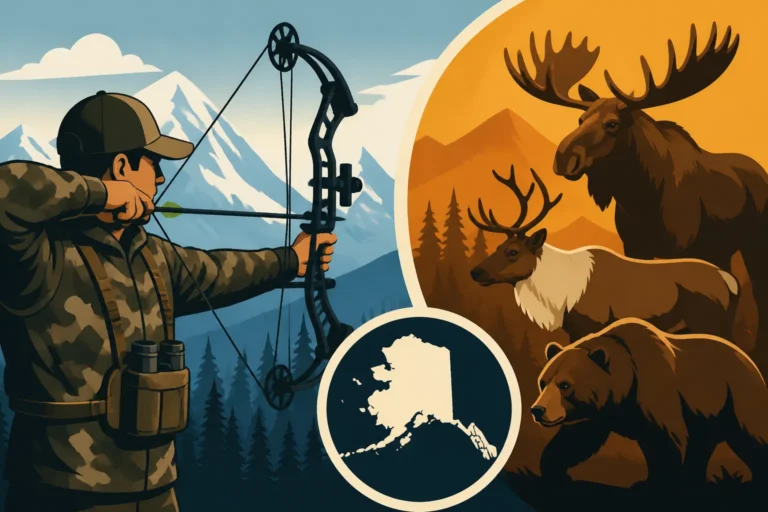
Oh, the world of bear baiting in Alaska. It can feel like navigating a legal minefield, with so many rules and nuances that it's easy to get overwhelmed or, worse, accidentally break a regulation. For many, it's a completely foreign concept, and even seasoned hunters often have questions about how to do it right. This guide is here to demystify the process, walking you through Alaska's registered bear bait station system step-by-step so you can approach your hunt with confidence and clarity.
Understanding Alaska's Bear Baiting Philosophy
Let's be honest, the concept of "baiting" any animal often conjures up images that don't always align with traditional hunting ethics for some. But in Alaska, bear baiting, specifically for black bears, is a deeply regulated and often effective wildlife management tool. It's not about making hunting "easy" – quite the opposite, in many cases – but rather about achieving specific management goals while providing a unique hunting opportunity. Understanding the core philosophy behind these regulations is key to appreciating why the system is structured the way it is.
Why Baiting is Permitted for Black Bears, Not Brown Bears
One of the first questions many hunters ask, especially those new to Alaska, is why you can bait black bears but not their larger cousins, the brown bears (which include grizzlies). The distinction isn't arbitrary; it's rooted in population dynamics, management objectives, and the unique behaviors of each species. Black bears are significantly more numerous across most of Alaska, with robust populations that can often thrive even with sustained hunting pressure. In many areas, black bear populations are abundant, and baiting is considered an effective tool for achieving harvest quotas, especially in dense forest or brush where spot-and-stalk hunting is incredibly difficult. It helps distribute hunter effort and can be a safer method of harvest in thick cover, allowing hunters to positively identify the bear and take a clean shot.
Conversely, brown bear populations, while healthy in many regions, are generally less dense and reproduce more slowly. Their management is often more conservative. Furthermore, brown bears are apex predators with different behavioral patterns. Introducing consistent bait sites could habituate them to human-provided food sources in ways that significantly increase human-bear conflicts, creating dangerous situations not just for hunters but for rural residents and other recreational users of the backcountry. The potential for dangerous encounters with a habituated brown bear at a bait site, especially one guarding a food source, is much higher. The Alaska Department of Fish and Game (ADF&G) has a strict policy against baiting brown bears, reflecting a deep commitment to public safety and maintaining the wild integrity of these magnificent animals. This crucial difference, legally codified, underscores the careful balance the state seeks to maintain between hunting opportunities and conservation. You can dive deeper into this specific regulation by checking out Why Alaska Bans Baiting for Brown Bears.
The Importance of a Structured System
If you've ever hunted anywhere else, you might be used to more relaxed rules around baiting, or perhaps it's entirely prohibited. But in Alaska, the registered site system is paramount, and for good reason. Imagine a scenario where dozens of hunters could just set out bait wherever they pleased. The potential for chaos, safety hazards, and ethical dilemmas would be immense. ADF&G implemented this rigorous registration system precisely to prevent such issues. It creates order in the wilderness, allowing multiple hunters to pursue black bears without inadvertently interfering with each other's hunts or creating dangerous overlaps in activity.
The registration system ensures a degree of exclusivity for a specific site, giving a hunter the right to operate that bait station without competition from others. This not only promotes hunter safety by keeping people from accidentally walking into another hunter's setup but also helps manage the harvest sustainably. ADF&G can monitor the number and distribution of bait sites, which provides valuable data for population management. Without this structure, areas could be over-baited, leading to bears becoming overly reliant on artificial food sources, or leading to an excessive harvest in localized areas that might impact future populations. The system is designed to provide fair chase within a controlled environment, making sure that hunting remains both safe and ethical for everyone involved.
Dispelling Common Misconceptions About Baiting
When you mention "bear baiting," you'll often encounter a range of opinions, some of which are based on incomplete information or outright myths. One of the most prevalent misconceptions is that baiting is "easy" or "unsporting," akin to shooting a bear in a barrel. Let me tell you, nothing could be further from the truth in most Alaska scenarios. Maintaining an active bait site in the Alaskan wilderness is a significant undertaking that demands considerable effort, time, and often, expense. It's not a set-it-and-forget-it endeavor. You need to scout locations, transport heavy bait, monitor the site frequently, and deal with all the challenges Alaska throws at you – relentless bugs, unpredictable weather, and the ever-present threat of other large predators.
Hunters often spend weeks, sometimes months, tending a bait site before they even sit in a stand. There's an art to setting up a successful bait, from creating an effective scent trail to selecting the right type and quantity of bait. It requires a deep understanding of bear behavior, a keen eye for sign, and the patience of a saint. Furthermore, the actual hunt at a bait station demands precise shot placement, careful identification of the animal (especially distinguishing between a legal bear and a sow with cubs), and often involves long, uncomfortable hours in a blind, battling mosquitoes or rain. It's a completely different challenge than a spot-and-stalk hunt, but it's a challenge nonetheless, requiring a unique set of skills and a whole lot of dedication.
The Registered Bear Bait Station System Explained
So, you've decided to give bear baiting a try in Alaska. That's fantastic! But before you start hauling doughnuts into the woods, you absolutely must understand the nuts and bolts of the registered bait station system. This isn't a suggestion; it's a strict legal requirement. Ignoring any part of this process can lead to serious penalties, including fines, loss of hunting privileges, and confiscation of your harvest. The system is designed to be clear and systematic, ensuring that all baiting activities are conducted safely and ethically, and within the state's wildlife management framework.
The Application and Registration Process
The journey to setting up a legal bear bait station begins with the application and registration process, a critical step that secures your right to a specific location. Each year, ADF&G opens a specific window, typically in the spring, for hunters to register their black bear bait sites. You can usually apply at any ADF&G office, but increasingly, much of this process can be handled online, which is a huge convenience for many. When you apply, you'll need to provide precise details about your proposed bait site location, usually requiring GPS coordinates. This isn't just for ADF&G's records; it's how they ensure no two hunters register the same spot, thus granting you exclusive use of that specific site for the season.
There is usually a small registration fee associated with obtaining a bait station permit, which helps cover administrative costs. It's vital to apply during the designated period, as late applications may not be accepted, or available sites might be limited. The permit you receive will list your unique bait station number and the coordinates, serving as your official authorization. This entire process, from application to receiving your permit, is a formal agreement that you will abide by all state regulations concerning that specific bait site. For a deeper dive into the initial steps, you might find Alaska Black Bear Bait Station Registration helpful.
Site Selection and Rules for Placement
Once you understand the registration mechanics, the next critical phase is choosing and legally situating your bait site. This is where many of the strict rules come into play, primarily focused on public safety and preventing conflicts. ADF&G regulations specify minimum distances your bait station must be from public roads, trails, permanent dwellings, campgrounds, and designated public recreation areas. These distances aren't arbitrary; they are designed to minimize the chances of an unsuspecting hiker, camper, or resident stumbling upon an active bear bait site and potentially having a dangerous encounter with a habituated bear. For instance, many areas require a bait site to be at least half a mile (often 880 yards) from a public road or trail.
Careful scouting is absolutely essential here. You can't just pick a spot that looks "beary" and hope it's legal. You need to use maps, aerial imagery, and a GPS device (like those supported by platforms such as GoHunt, which can help with land status) to accurately determine distances and confirm that your chosen location complies with all restrictions. This is also where you need to consider the practicalities: how will you access the site? Is it on state land? What's the topography like for a safe shot? Overlooking these placement rules is a common mistake and one that can easily lead to a citation. Hunters must be diligent in ensuring their site's legality before any bait is ever put on the ground. For more details on specific distance requirements, look into How Far an Alaska Bait Site Sits From a Trail.
Annual Renewal and Site Abandonment
The commitment to a bear bait site extends beyond a single season. If you find a productive location and want to continue using it, the system allows for annual renewal. This is typically a simpler process than the initial registration, often involving a renewal application and fee, usually available before the new season's general application window opens. Renewing your site is crucial if you want to retain exclusive rights to that specific GPS coordinate. If you miss the renewal deadline, your site becomes available for new applicants, and someone else could register it. This incentive encourages consistent management of productive sites.
Just as important as renewal is understanding the rules for abandoning a site. If you decide not to continue baiting a particular location, or if you're done for the season, you have a legal and ethical obligation to remove all man-made materials and bait. This means no barrels, stands, flagging, or any other items left behind. The goal is to leave the area as undisturbed as possible, preventing trash accumulation and minimizing any long-term impact on the wildlife or the landscape. Abandoning a site properly also prevents lingering bait from attracting bears to an area where they might become a nuisance or safety concern after the hunting season concludes. This ensures a clean slate for the next year or for other recreational users of that area.
Legal Bait Materials and Effective Practices
Once your bait site is legally registered and properly situated, the next step involves what you'll actually use to attract those black bears. This isn't a free-for-all; Alaska has specific regulations governing what materials are permitted, and for good reason. The goal is to draw bears effectively while minimizing harm to other wildlife, reducing environmental contamination, and ensuring that any residual bait breaks down naturally. Understanding these rules is just as important as knowing where to place your site.
Permitted Bait Types and Prohibited Substances
When it comes to bait, variety is often the spice of life for attracting bears, but legality is paramount. ADF&G clearly outlines what can and cannot be used. Generally, acceptable baits include sweet items like pastries, doughnuts, candies, and molasses. Many hunters also use meat scraps, fish (if fresh and not excessively oily to avoid attracting brown bears), rendered fat, dog food, or even grain mixed with grease. The key here is "edible by bears" and "biodegradable." These materials are typically safe for bears to consume and will naturally decompose in the environment.
However, there's a strict list of prohibited substances that you must absolutely avoid. This includes human food waste containing non-biodegradable items like metal cans, glass, plastic, or foil. You cannot use any diseased animals or animal parts, nor any toxic materials or chemicals. The reasoning behind these restrictions is clear: to prevent bears from ingesting harmful materials, to avoid contaminating the environment, and to mitigate the spread of disease. It’s also crucial to avoid materials that might attract brown bears disproportionately or in an unsafe manner. Always double-check the current regulations, but sticking to commercially available, natural-food-based baits is generally your safest bet. For a more detailed breakdown, consult Legal Bait Materials for Alaska Black Bear.
Bait Delivery and Maintenance Strategies
Getting the right bait to your site is one thing; keeping it there and keeping it attractive is another. Effective bait delivery and maintenance are crucial for success. Many hunters use sturdy plastic or metal barrels, often chained to a tree or stake, to contain the main bait pile. This prevents bears from scattering the bait too quickly and allows them to work at it, encouraging them to return. Creating a "scent trail" by dragging a bag of pungent bait (like fermented meat scraps or molasses-soaked grain) from your access point to the main barrel can be incredibly effective in luring bears to your site initially.
Consistency is key. Bears are creatures of habit, and regular re-baiting creates an expectation that keeps them coming back. You might start by baiting heavily for the first week or two, then switch to a schedule of every few days, depending on how quickly the bait is consumed. It's also important to be aware of how other animals might be raiding your bait. Raccoons, foxes, and birds can quickly deplete your supply. Some hunters construct sturdy log piles over their bait barrels to make it harder for smaller animals (and even some bears) to access, requiring more effort to get the reward. Safety during bait maintenance is also paramount; always approach your site cautiously, making noise and being aware of your surroundings, as a bear might be bedded nearby.
Managing Wildlife Beyond Black Bears
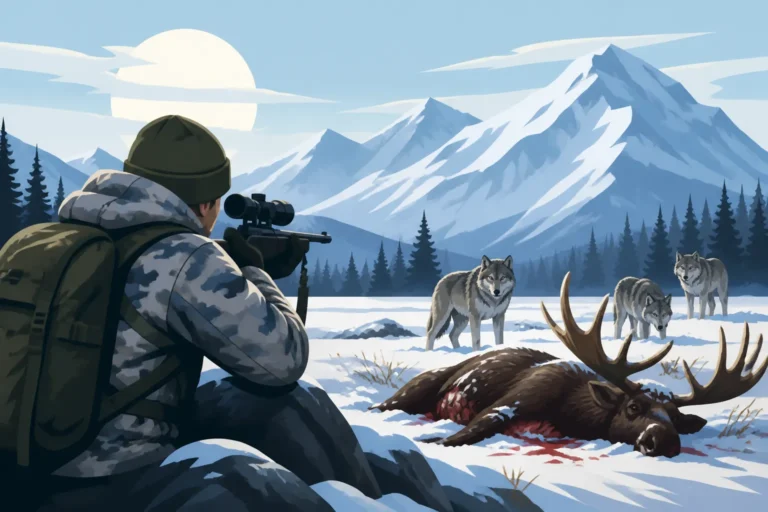
While your primary target is black bears, the reality of baiting in Alaska is that you will attract a variety of other wildlife. It's not uncommon to see everything from small mammals to wolves and, yes, even brown bears at your black bear bait site. This brings up several management challenges and critical safety considerations. You must be prepared for the possibility of a brown bear showing up, and understand that you cannot harvest a brown bear at a black bear bait site. If a brown bear becomes a regular visitor, or if you feel unsafe, it might be necessary to temporarily stop baiting or even abandon the site. Your safety, and the safety of the wildlife, is always the top priority.
Strategies to minimize unwanted visitors include thoughtful bait choices. While meat scraps are legal and effective for black bears, they can be highly attractive to brown bears and wolves. Balancing these attractants with sweets or pastries might reduce the pull for some non-target species. Trail cameras (remember to check Trail Camera Rules at an Alaska Bait Site for legality!) are invaluable tools for monitoring activity at your site, allowing you to identify consistent visitors and adjust your strategy accordingly. Understanding the patterns of other animals can help you decide when it's safe to approach, when to sit, and when to back away. This vigilance is a non-negotiable part of the baiting experience in Alaska.
Safety Protocols and Ethical Considerations
Bear baiting in Alaska, like all forms of hunting in this wild state, comes with inherent risks and significant ethical responsibilities. You're entering a dynamic environment where apex predators live, and you're intentionally drawing them in. Therefore, safety protocols are not just suggestions; they are life-saving necessities. Similarly, upholding strong ethical standards ensures that your hunt is respectful of the animal, the environment, and the broader hunting community.
Bear Safety While Working and Hunting a Bait Site
This cannot be stressed enough: always prioritize bear safety. When you're working or hunting a bait site, you're placing yourself in a situation where a bear, particularly a black bear, is highly likely to be present, potentially guarding a food source. Never go alone if possible. A hunting partner provides an extra set of eyes, an additional deterrent, and help in an emergency. Always carry both bear spray and a powerful firearm, and know how to use both effectively and instinctively. Bear spray is often your first line of defense at close range, but a rifle provides stopping power for critical situations.
When approaching your bait site, make plenty of noise. Talk loudly, clang metal, or use an air horn. This gives any present bears a chance to leave before you surprise them. Pay close attention to the wind direction; you want the wind in your face as you approach to carry your scent away from the site, and ideally, have it carry the bait scent toward your stand during the hunt. Scan the area constantly, looking for any movement, sounds, or fresh sign like tracks or scat. Be especially cautious when retrieving game, as other bears or predators might be drawn to the kill. Understanding scenarios and how to react defensively is paramount. For more detailed guidance on handling a kill in bear country, consult Bear Safety While Butchering a Kill in Alaska. It's a different context, but the principles of vigilance and readiness apply directly.
Responsible Hunting Practices at a Bait Station
Ethical hunting at a bait station means more than just following the rules; it means exercising sound judgment and showing respect for the animal. When a bear arrives at your site, your first priority is positive identification. Is it a legal bear? Is it a sow with cubs? Never, under any circumstances, shoot a sow with cubs. Identifying cubs can be challenging, especially in low light or thick cover, so if there's any doubt, do not shoot. Take your time. Observe the bear's behavior. Wait for a clear, ethical shot placement that ensures a quick, humane kill. A quartering-away shot is often ideal, targeting the vital organs.
Know your firearm's capabilities and your own limitations. Don't take a risky shot just because a bear is present. Wait until the bear is broadside or quartering away, settled and calm. Always aim for the kill zone, typically the lung and heart area. After the shot, observe the bear's reaction. If it runs, mark the last spot you saw it, give it ample time (at least 30 minutes to an hour for a well-hit bear, much longer if unsure) before tracking, and proceed with extreme caution. This respect for the animal and commitment to a clean kill define responsible hunting.
Minimizing Environmental Impact and Leaving No Trace
As stewards of Alaska's wild lands, hunters have a profound responsibility to minimize their environmental footprint and practice Leave No Trace principles. This is especially critical at bait sites, where you're introducing foreign materials into the ecosystem. At the end of the season, or if you decide to discontinue using a site, you are legally and ethically obligated to remove every single man-made item. This includes your bait barrel, chains, stands, blinds, flagging tape, and any other trash or equipment you brought in. Leave no trace of your activity behind.
Beyond physical removal, consider the broader impact. Use biodegradable baits whenever possible. Avoid excessive baiting that might alter natural foraging patterns or lead to unnatural concentrations of wildlife. Be mindful of disturbing sensitive vegetation or creating new trails. The goal is to ensure that after your season is done, the area reverts to its natural state, ready for other wildlife and other users. This commitment to the environment reflects a deep respect for the land that provides us with these incredible hunting opportunities, and helps preserve it for future generations.
Equipment Essentials for an Alaska Bear Bait Hunt
Embarking on an Alaska bear bait hunt requires more than just a hunting license and a willingness to sit still. The right equipment can make the difference between a successful, safe, and comfortable hunt and a miserable, potentially dangerous one. Alaska's conditions are notoriously tough, from relentless rain and wind to swarms of mosquitoes and unpredictable wildlife encounters. Your gear needs to be robust, reliable, and appropriate for the challenges you'll face.
Stand and Blind Considerations
Your choice of stand or blind for a bear bait hunt is paramount for both effectiveness and safety. Unlike deer hunting from an elevated stand, bear hunting often benefits from a ground blind, as bears are less likely to look up and are more sensitive to movement at their eye level. A sturdy, pop-up ground blind offers excellent concealment from both sight and smell, and provides a degree of protection from the elements, especially those infamous Alaskan mosquitoes. When selecting a ground blind, look for durable materials that can withstand rain, wind, and potentially years of use. Consider one with silent windows and ample space for your gear and comfortable sitting. Camouflage patterns should blend with the local vegetation, often dark greens and browns.
If you opt for a tree stand, safety is your absolute highest priority. Always use a full-body harness, and ensure the stand is securely attached to a healthy tree, free of rot or weak branches. Elevated stands can provide a better vantage point, particularly if the terrain is brushy, but they also expose you more to the wind and rain. Regardless of your choice, scent control is critical. Bears have an incredible sense of smell, so minimize human odor as much as possible, using scent-eliminating sprays or storing hunting clothes in sealed bags. Consider where your scent will drift and position your stand or blind downwind of the bait, or crosswind, depending on prevailing conditions.
Optics, Firearms, and Archery Tackle
When you're sitting over a bait, positive identification is everything, and quality optics are your best friend. A good pair of binoculars (10×42 or 12×50) is essential for scrutinizing the bear, looking for sows with cubs, assessing size, and ensuring you're targeting a legal animal. A small spotting scope can also be useful if your shooting lane is long or if you're trying to judge a bear's features more closely. Don't skimp on glass; clear, bright optics make a significant difference, especially in low light conditions often encountered during primetime bear activity.
For firearms, a powerful, reliable rifle capable of delivering a clean, ethical kill on a black bear is crucial. Calibers such as .30-06 Springfield, .300 Win Mag, .338 Win Mag, or even larger, are popular choices. It's not about overkill; it's about ensuring enough energy and penetration for a quick, humane kill on an animal that can be thick-skinned and powerfully built. Ensure your rifle is sighted in perfectly before heading into the field. You should also consider a backup sidearm in a powerful caliber (.44 Mag, 10mm, .454 Casull) for close-quarters bear defense, especially when approaching or leaving the bait site. The principles for a reliable firearm for any Alaska bear hunt are similar, even if the species differs; you can read more about robust choices in Rifle Choice for Alaska Brown Bear Country.
If you're a bowhunter, your tackle needs to be top-notch and capable of standing up to Alaska's wet, rugged environment. A compound bow with a draw weight suitable for big game, paired with heavy, penetrating arrows and razor-sharp broadheads, is non-negotiable. Keeping your bowstring dry and protected from the elements is paramount, as a wet string can affect accuracy and longevity. Many bowhunters opt for durable gear that can handle a consistent soaking, as detailed in Archery Tackle That Survives Ten Days of Rain. Practice extensively from your chosen stand or blind setup, mimicking actual hunting scenarios.
General Camp and Personal Gear
Beyond your primary hunting equipment, the success and safety of your baiting venture depend heavily on your general camp and personal gear. Alaska is notorious for its weather, which can change dramatically in minutes. High-quality rain gear (jacket, pants, and gaiters) is not optional; it's absolutely mandatory. Look for durable, waterproof, and breathable materials like Gore-Tex or similar membranes. Layering is key for managing temperature fluctuations, so pack synthetic or wool base layers, insulating mid-layers, and a warm outer shell.
Insect repellent is your best friend during spring and summer baiting seasons; headnets are often necessary for sanity. A well-stocked first-aid kit, including personal medications, is essential. For navigation, a reliable GPS unit loaded with detailed maps, combined with a physical map and compass, provides redundant safety. Cell service is often non-existent in remote baiting areas, so a satellite messenger device (like an InReach) is critical for communication and emergency alerts. Establishing clear InReach Check-In Schedules for Solo Hunts or with your partners is a smart practice. Other essentials include a headlamp, spare batteries, plenty of water, high-energy snacks, a knife, and fire-starting tools. Being self-sufficient and prepared for any eventuality is the Alaskan way.
Navigating Regulations and Seasons
Hunting in Alaska is an incredible privilege, but it's one that comes with a significant responsibility to understand and adhere to a complex web of regulations. This is especially true for bear baiting, which has unique season dates, tagging requirements, and is subject to dynamic changes. Staying informed isn't just a good idea; it's a legal obligation that protects both you and the resource.
Understanding Alaska's Baiting Season Dates
One of the first things you'll notice about bear baiting in Alaska is that its season structure is distinct from general hunting seasons. Black bear baiting seasons typically run from April to June or July, though exact dates vary significantly by Game Management Unit (GMU) and sometimes even within subunits. These spring and early summer dates coincide with bears emerging from dens and actively seeking food, making them more responsive to bait. It's a prime window before natural food sources become abundant and bears disperse more widely.
It is absolutely crucial to consult the current Alaska Department of Fish and Game (ADF&G) hunting regulations for the specific GMU you intend to hunt. These regulations are published annually, and changes do occur. A season that was open last year might be different this year, or specific bag limits could have changed. You cannot rely on outdated information. Pay close attention to the opening and closing dates, as well as any specific restrictions or quotas for your chosen area. Ignoring these dates means you're hunting illegally, and that's a risk no responsible hunter should take. For a quick reference on how these seasons stack up, review Alaska Baiting Season Versus the General Season.
Tagging and Reporting Requirements
Successfully harvesting a black bear at your bait site is only part of the process; the administrative side is just as important. In Alaska, you'll need to purchase a black bear locking tag before you head into the field. This tag must be immediately validated and attached to the bear once it's harvested, typically to the hide. Each tag corresponds to a specific species and unit, so make sure you have the correct one for black bears in your hunting area.
Beyond the tag, all hunters are required to complete a harvest report, whether successful or not. For black bears, this often involves taking the skull and hide to an ADF&G office or an authorized representative for sealing within a specified timeframe (e.g., 30 days after harvest, or by a certain date after the season closes). During the sealing process, officials will collect biological data, which is vital for ongoing wildlife management. Even if you don't harvest a bear, submitting a "no harvest" report helps ADF&G track hunter effort and participation. Failing to report your harvest or meet sealing requirements can lead to penalties. Always keep track of your Alaska Harvest Report Deadline After the Hunt to stay compliant.
Staying Updated with Emergency Orders
Alaska's wildlife management is dynamic, constantly adapting to population fluctuations, environmental changes, and unforeseen events. This means that hunting seasons and regulations, especially for actively managed species like black bears, can change quickly via "Emergency Orders" (EOs). An EO can close a season early, modify bag limits, or introduce new restrictions with little advance notice. This typically happens if harvest quotas are met sooner than expected or if there are concerns about bear health or population sustainability.
It is your responsibility as a hunter to stay informed about these EOs. ADF&G posts all emergency orders on its website, often with regional-specific alerts. Before and during your hunt, regularly check the ADF&G website or contact your local area biologist or office. Subscribing to email alerts from ADF&G is also an excellent way to receive real-time updates. Arriving at your bait site only to discover the season has been closed by an EO, or that a new regulation is in effect, is a frustrating experience you want to avoid. Being proactive about checking for Alaska Emergency Order Announcements is critical for a legal and successful hunt.
| Bait Type Category | Examples of Legal Bait Materials | Examples of Prohibited Substances | Key Considerations |
|---|---|---|---|
| Sweets & Pastries | Doughnuts, cookies, candies, molasses, stale cake, frosting | Anything with non-biodegradable packaging (e.g., wrappers) | Highly attractive; good for initial scent trails and continuous baiting. |
| Meat & Protein | Meat scraps (from legal game animals), rendered fat, fish (fresh) | Diseased animals, any parts of prohibited animals (e.g., brown bear), human food waste with metal/glass | Strong attractant, but can also draw brown bears and wolves; use with caution. |
| Grains & Feeds | Dog food (kibble), oats, corn, grain mixed with grease/molasses | Toxic substances, chemicals, human food waste with plastic | Cost-effective for bulk baiting; good for long-term presence. |
| Fats & Oils | Lard, cooking grease, beaver castor (scent lure) | Petroleum products, anything non-edible or toxic | Excellent for scent distribution, especially in warm weather. |
Disclaimer
Please remember that hunting regulations in Alaska are subject to change. While this guide provides comprehensive information, it is your responsibility to consult the most current Alaska Department of Fish and Game (ADF&G) regulations, emergency orders, and local restrictions before planning or undertaking any hunting activity. Always confirm specific dates, bag limits, and legal requirements for your chosen Game Management Unit (GMU) directly with ADF&G. This content is for informational purposes only and does not constitute legal advice.