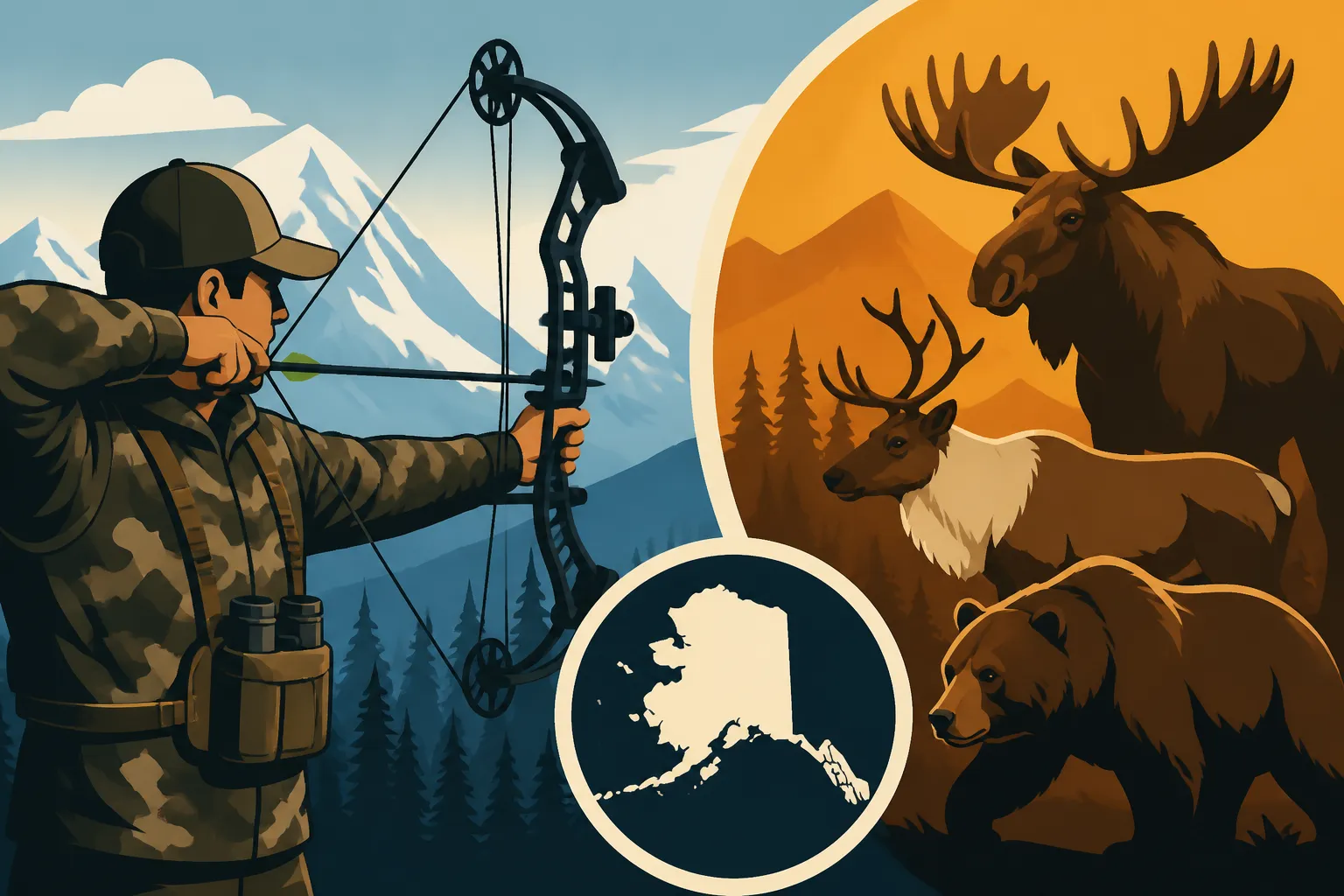
Alaska Archery Draw Weight Minimums for Big Game
It’s incredibly frustrating to spend countless hours researching a hunt, perfecting your shot, and investing in top-tier gear, only to realize you might be overlooking a critical piece of the regulatory puzzle right here in Alaska. So many hunters get caught up in the excitement of planning their big game adventure that they forget the nitty-gritty details of legal equipment. This guide is designed to cut through that confusion, helping you understand Alaska's specific archery draw weight minimums for big game, ensuring your equipment is legal, ethical, and ready for the challenge.
Understanding Alaska's Archery Regulations for Big Game
Diving into big game hunting in Alaska with a bow is an incredible endeavor, but it comes with a strict set of rules designed to protect both the animals and the integrity of the hunt. The Alaska Department of Fish and Game (ADF&G) is very clear about the equipment standards, and for good reason. Understanding these regulations isn't just about avoiding a citation; it's about upholding the principles of ethical hunting.
Why Draw Weight Matters to ADF&G
The regulations around minimum draw weight aren't arbitrary hoops to jump through. They're established with the very serious intent of ensuring a quick, humane, and ethical kill. When you're pursuing an animal as robust as an Alaska moose or a powerful brown bear, your arrow needs sufficient energy to penetrate vital organs. A bow with insufficient draw weight simply can't generate the necessary force for adequate penetration, increasing the risk of wounding an animal without recovering it. This leads to unnecessary suffering for the animal and a heartbreaking experience for the hunter, something ADF&G — and ethical hunters everywhere — strive to prevent. The state wants to ensure that every hunter has the capability to make a clean, effective shot, and draw weight is a fundamental component of that capability. It reflects a commitment to fair chase and responsible wildlife management, minimizing the chance of injured game being left in the vast Alaskan wilderness.
The Specific Draw Weight Requirements
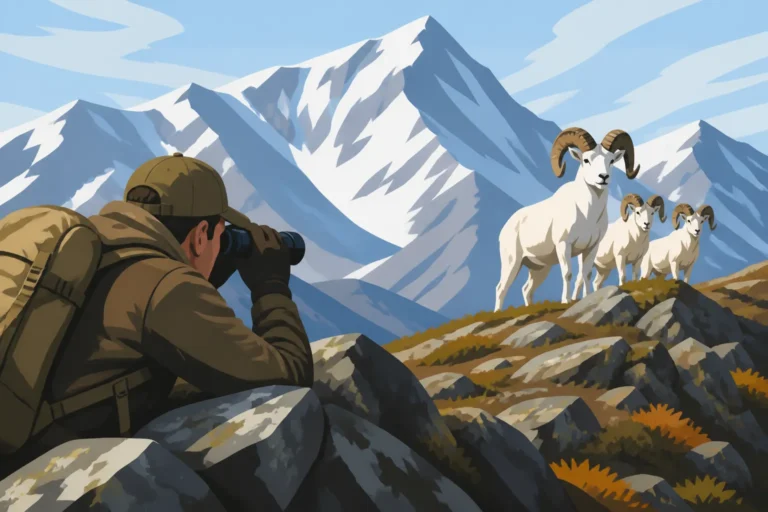
Alaska has quite specific draw weight minimums that vary based on the species you're pursuing. It’s not a one-size-fits-all rule, which can sometimes trip up hunters accustomed to more generalized regulations in other states. For the largest and toughest big game animals in Alaska, such as moose, caribou, elk, bison, muskox, brown/grizzly bear, Dall sheep, and mountain goat, the minimum draw weight for any bow (compound, recurve, or longbow) is 50 pounds. This higher threshold reflects the sheer size and resilience of these animals, demanding a more powerful setup to ensure effective penetration and a swift kill.
However, for slightly smaller big game species like black bear, Sitka blacktail deer, wolves, and wolverines, the minimum draw weight drops to 40 pounds. While still a significant pull, this allows for a bit more flexibility for hunters pursuing these animals without sacrificing ethical standards. It's crucial to understand that these are minimums at the hunter's draw length. If your bow is rated at 50 pounds but you've backed it off to 45, you'd be illegal for a moose hunt. Always double-check your bow's actual draw weight at your personal draw length, especially if you've made any adjustments. Knowing these distinct requirements is paramount to staying legal and, more importantly, ethical in the field.
The Importance of Knowing Your Equipment
Honestly, one of the biggest mistakes a hunter can make is assuming their bow is "good enough" without verifying its actual performance. It's not just about what the bow limbs say; it's about what it truly pulls at your personal draw length. Many bows, especially compounds, can be adjusted in draw weight. You might have your bow set for target practice at a lower poundage, or perhaps you've been working your way up. Before any hunt, especially in Alaska, take your bow to a reputable pro shop or use a quality bow scale to accurately measure the peak draw weight at your specific draw length. Don't eyeball it, and don't rely on memory from last season.
Think about it: if you're on a remote float hunt and encounter a magnificent bull moose, only to realize your bow is set to 45 pounds, you’ve not only jeopardized your hunt but potentially risked the animal's welfare if you were to take an illegal shot. This due diligence also extends to understanding how weather conditions, especially extreme cold, can affect bow performance and a hunter's ability to draw smoothly and powerfully. An honest assessment of your physical capability to consistently and accurately draw your bow at the legal minimum is just as important as the bow's rating itself. Checking and re-checking your equipment's compliance is a non-negotiable step for any responsible bowhunter.
Navigating the Nuances of Archery Tackle in Alaska
Beyond the initial hurdle of meeting draw weight minimums, Alaska's regulations encompass a broader view of your entire archery setup. It's a system designed for maximum effectiveness and ethical responsibility. Understanding how different bow types are measured and what other components of your arrow setup entail is crucial for a successful and legal hunt.
Compound Bows Versus Traditional Bows
The world of archery offers a fantastic array of choices, primarily split between compound bows and traditional bows (recurve and longbow). While the draw weight minimums apply to both, how those weights are achieved and measured can differ significantly. With a compound bow, the draw weight is typically set and often has a "let-off" feature, meaning that once you reach full draw, the actual holding weight is much less than the peak draw weight. When ADF&G specifies a 50-pound minimum, they are referring to the peak draw weight reached during the pull cycle. Most modern compound bows are adjustable, allowing you to increase or decrease the poundage within a certain range. This flexibility means you can tailor your bow to meet specific legal requirements for different game animals while still managing the holding weight for comfortable aiming.
Traditional bows, on the other hand, don't have let-off. The draw weight increases progressively as you pull the string back, reaching its peak at your full draw length. This means a 50-pound recurve or longbow feels like 50 pounds (or more, depending on overdraw) at full draw, and you're holding that entire weight throughout your shot sequence. Traditional archers often train extensively to comfortably handle these sustained weights. Regardless of the bow type, the onus is on the hunter to ensure the bow can, at minimum, achieve the required poundage at their personal full draw. For example, a recurve rated 50# at 28 inches would only be legal for a moose hunt if the hunter's draw length doesn't exceed 28 inches and still pulls 50 pounds. If their draw length is longer, say 30 inches, that bow might be pulling 55 pounds, making it legal, but if their draw length is shorter, it might only be pulling 45 pounds, making it illegal for that moose.
Arrow and Broadhead Considerations
While draw weight focuses on the bow's power, the arrow and broadhead are where that power truly becomes effective. Alaska's regulations are quite specific here too. For all big game species, your arrow must be at least 20 inches in length. However, for brown/grizzly bear, bison, muskox, and elk, the arrow must be a minimum of 24 inches. This is a crucial distinction to remember and often overlooked! This added length requirement ensures stability and sufficient mass for these larger, tougher animals. When choosing your arrows, matching their spine (stiffness) to your bow's draw weight and your draw length is paramount for accuracy. An improperly spined arrow will flex excessively (or insufficiently) upon release, leading to erratic flight and poor accuracy.
Then there are broadheads. Alaska mandates that for big game, a broadhead must have at least two opposing cutting edges and have a minimum cutting diameter of 7/8 inch. This means no blunt points or single-edge broadheads are allowed for big game. Both fixed-blade and mechanical (expandable) broadheads are generally permitted, provided they meet the minimum cutting diameter when open. However, mechanical broadheads are often subject to intense scrutiny by hunters and wildlife agencies regarding their reliability and penetration, especially on large, dense-boned animals. You might want to read more about Broadhead Rules for Alaska Big Game to ensure your choice is fully compliant and effective. Ultimately, a legal draw weight combined with a well-matched, sharp, and properly constructed arrow and broadhead system is your best guarantee for an ethical harvest.
Practical Tips for Meeting Minimums
So, what if your current setup doesn't quite meet Alaska's minimums, or you're just starting out? Don't despair! There are several practical steps you can take. First and foremost, if your bow is a compound, check its limb bolts. Most compound bows allow for some adjustment in draw weight, usually within a 10-20 pound range. You might be able to simply tighten the limb bolts (following manufacturer instructions) to increase the draw weight to the legal minimum. If you're physically struggling to pull the required weight, consider a bow with a higher let-off percentage to make holding at full draw easier, or invest in a bow with a wider adjustment range.
For traditional archers, meeting draw weight minimums usually means selecting a bow with the appropriate poundage for your draw length. If your current recurve or longbow is too light, it's time to consider a new set of limbs or a new bow altogether. This isn't just about legality; it's about effectiveness. Regularly practicing with your hunting weight is key. Muscle memory and strength training will help you consistently draw the bow smoothly and accurately, even after a long stalk in cold, wet Alaskan weather. Don't underestimate the impact of cold and fatigue on your ability to draw a heavy bow. Some hunters, myself included, will even recommend practicing with heavier weights than they intend to hunt with, just to build that extra reserve strength. Resources like GoHunt often provide forums and articles where experienced Alaskan bowhunters share tips on training and gear selection specific to the state's rugged conditions, which can be invaluable.
Beyond Draw Weight: Other Archery Regulations You Can't Ignore
While draw weight is a fundamental aspect of archery legality in Alaska, it's far from the only regulation you need to be aware of. The ADF&G has a comprehensive set of rules governing everything from hunter education to the types of devices you can and cannot use. Ignoring these can lead to severe penalties, regardless of your draw weight compliance.
Hunter Education and Certification
Before you even think about nocking an arrow in Alaska's big game country, you need to ensure you've met the state's hunter education requirements. This is particularly relevant for bowhunters. Anyone born after January 1, 1986, must have successfully completed an approved hunter education course to hunt big game in Alaska. This typically involves a certification card from Alaska or a state with reciprocal agreements. For bowhunters, there's an additional layer: if you plan to hunt in a designated "Archery Only Area," you must complete an approved Alaska Bowhunter Education course or show proof of having completed an equivalent course in another state. This isn't optional; it's a mandatory step designed to ensure bowhunters possess specific knowledge and skills related to archery hunting ethics, shot placement, and recovery techniques that are vital for clean, ethical harvests with archery equipment. You can find more details on how to fulfill this crucial requirement by looking into the Alaska Bowhunter Education Requirement. It’s an investment in your safety and the welfare of the game animals, so don’t skip it.
Prohibited Devices and Methods
Alaska is fairly stringent about what constitutes legal archery equipment beyond just draw weight and broadheads. For instance, you absolutely cannot use any electronic devices attached to the bow or arrow that aid in target acquisition or arrow guidance. This means no laser sights, no electronically amplified sights, and no devices that project a light or image onto the target or into the bow sight. While lighted nocks are generally permissible, some specific areas or hunt types might have additional restrictions, so always check the regulations booklet for your particular Game Management Unit (GMU) and hunt number. Crossbows, in particular, have very specific regulations and are not generally allowed for big game hunting in Alaska during general archery seasons unless you possess a valid disabled hunter permit. They are often treated more like firearms in terms of regulations during general seasons.
Furthermore, any type of bow that uses a mechanical device to hold the bow at full or partial draw, other than the hunter's physical strength, is prohibited. This means no string trackers or release aids that lock the string in a drawn position without constant tension from the hunter. The intent is to maintain the challenge and skill inherent in traditional archery hunting. Staying updated on these nuances is essential. Websites like GoHunt often compile regulatory updates and helpful summaries, but nothing beats consulting the official ADF&G regulations directly, as they can change from year to year.
The Ramifications of Non-Compliance
Let's be blunt: hunting in Alaska with illegal equipment, whether it's an underweight bow, non-compliant broadheads, or prohibited electronic devices, is a serious offense. The consequences can range from substantial fines and confiscation of your equipment and harvested game, to the loss of your hunting privileges for years, or even permanent revocation of your license. This isn't just a slap on the wrist. A violation could derail a hunt you've planned and saved for over a decade, costing you thousands of dollars and an irreparable reputation.
Beyond the legal penalties, there’s the ethical cost. Wounding an animal with underpowered or improper equipment and failing to recover it is a profound failure of responsible hunting. It diminishes the resource and reflects poorly on all hunters. The state of Alaska, with its vast and wild landscapes, holds its hunters to a high standard because the resource is so precious and often difficult to manage. Therefore, ensuring every single piece of your gear adheres to the regulations is not just about avoiding trouble; it’s about honoring the game, respecting the land, and upholding your integrity as a hunter. Make sure you're always checking your gear, like your Archery Tackle That Survives Ten Days of Rain, and adhering to all rules, including those for Packing Out Meat in Alaska: The Salvage Law Hunters Must Follow, to ensure a responsible and rewarding hunt.
Here’s a quick overview of the draw weight minimums for common Alaska big game species:
| Big Game Species | Minimum Draw Weight (Pounds) | Minimum Arrow Length (Inches) |
|---|---|---|
| Moose, Caribou, Elk | 50 | 20 |
| Bison, Muskox | 50 | 24 |
| Brown/Grizzly Bear, Dall Sheep, Mt. Goat | 50 | 24 |
| Black Bear, Sitka Blacktail Deer | 40 | 20 |
| Wolf, Wolverine | 40 | 20 |
It is crucial to verify the latest regulations directly from the Alaska Department of Fish and Game before any hunt, as rules can change. Remember, these are the minimum requirements; many experienced hunters choose to exceed these for greater ethical assurance. When you're preparing for a hunt in Alaska, whether it's calling bull moose during the Alaska Moose Hunting Tactics for the September Rut or stalking Hunting Sitka Blacktail Deer in the Alpine Before Snow, ensuring your archery setup is fully compliant is your first and most important step. Don't forget other vital preparations like understanding Signal Devices and Check-In Plans for Solo Alaska Hunts if you're venturing out alone, or planning how you'd manage a kill during a Float Hunting Alaska Rivers for Moose and Caribou expedition. Comparing the regulations for archery to other methods, such as Muzzleloader Hunts in Alaska Draw Areas or even Rifle Choice for Alaska Brown Bear Country, highlights the distinct considerations for bowhunting. Always be informed, be prepared, and stay safe in the field, maybe even by knowing about Carrying a Sidearm Around a Kill Site when you're in bear country. Don't forget to review the Alaska Hunting Seasons and Tag Rules Explained before finalizing your hunt details.
Disclaimer
The information provided in this guide is for general informational purposes only and is not intended as legal advice. Hunting regulations in Alaska are subject to change and can be complex, varying by Game Management Unit, species, and hunt type. Always consult the official Alaska Department of Fish and Game (ADF&G) regulations booklet, available online and at local offices, before planning or engaging in any hunting activities. It is the hunter's sole responsibility to understand and comply with all current federal, state, and local hunting laws and regulations.