Spot-and-Stalk Dall Sheep Hunting Above Alaska Timberline
The crisp, thin air above Alaska's timberline holds a special allure for hunters, a place where the majestic Dall sheep roams. But pursuing these ghost-like white rams in their rugged, high-alpine domain is arguably one of North America's most physically and mentally demanding hunts, often leaving even seasoned outdoorsmen feeling overwhelmed by the sheer scale and unforgiving nature of the landscape. This comprehensive guide will meticulously break down the spot-and-stalk tactics essential for success, from intense physical preparation and choosing the right gear to mastering the art of glassing, executing a flawless stalk, and ensuring a safe and ethical hunt in the Last Frontier.
Understanding Dall Sheep Country and Behavior
Hunting Dall sheep is less about chasing them and more about understanding their world. Their survival depends on the harsh, beautiful landscape they inhabit, and a successful hunter must learn to read this environment as well as the sheep itself. It's a game of vertical chess, where every move is dictated by terrain, weather, and the sheep's innate defenses.
The Alpine Environment and Sheep Habitat
Dall sheep are creatures of the high country, thriving in the steep, rocky, and open terrain above the tree line. When you picture sheep country, think towering peaks, dramatic rock faces, and vast expanses of scree fields and loose shale. This is not a gentle rolling landscape; it’s a world of sheer cliffs, deep canyons, and expansive, bowl-shaped basins that offer both excellent forage and critical escape routes from predators. You'll find them at elevations typically ranging from 4,000 to over 7,000 feet, depending on the specific mountain range. For instance, the Dall Sheep in Alaska's Brooks and Alaska Ranges carve out an existence in these challenging environments, utilizing the sparse tundra vegetation for feed and the broken terrain for security.
The vegetation here is hardy and low-lying, consisting mainly of grasses, sedges, lichens, and small forbs – perfect sustenance for sheep. They navigate these treacherous slopes with an uncanny agility, using every contour, every rock outcrop, and every snow patch to their advantage. Their white coats, while striking, offer remarkable camouflage against the snow and light-colored rocks, making them incredibly difficult to spot. Understanding their habitat means recognizing where they'll feed (often on south-facing slopes that melt out faster in spring, or on benches with good green-up), where they'll bed (typically in defensible positions with good views below), and crucially, where they'll flee when threatened (straight up into the most inaccessible cliff faces).
Daily Routines and Seasonal Movements
Dall sheep, like many wild ungulates, have predictable daily patterns, though these can be influenced heavily by weather, hunting pressure, and the rut. Typically, rams will move from their bedding areas at first light to feed. They prefer to graze on nutrient-rich grasses and forbs, often working their way across benches or down into small alpine meadows. As the sun climbs higher and temperatures warm, they'll seek out cooler, shadier spots to bed down, often on a rocky ledge or a small plateau where they have a commanding view of their surroundings. These bedding sites are usually strategically chosen to offer protection from the wind and immediate escape terrain.
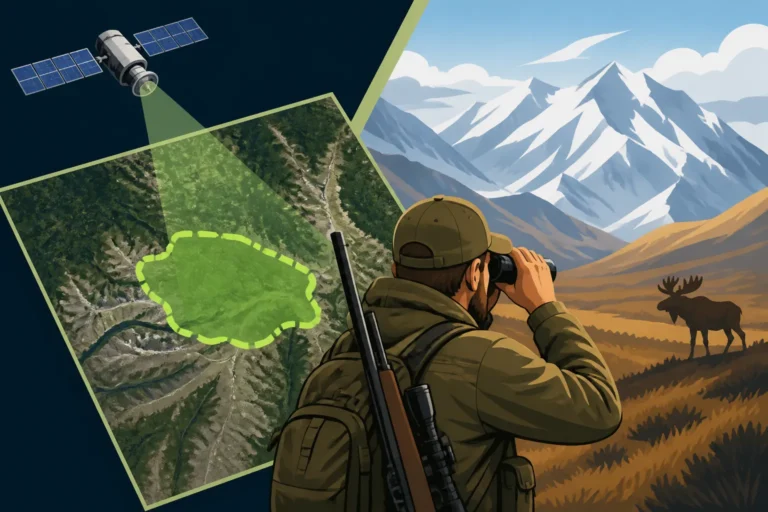
Their seasonal movements are also driven by food availability and breeding. In summer, rams and ewes often segregate, with ram groups forming bachelor herds higher in elevation. As fall approaches, leading into the rut, rams will descend slightly to meet ewe bands, and you’ll see more active movement across larger swaths of country as they search for mates. Post-rut, they'll again climb to their higher, more protected winter ranges, often relying on wind-swept ridges to keep snow cover minimal and forage accessible. Knowing these patterns helps narrow down where to focus your glassing efforts. A tool like GoHunt's mapping system can be invaluable here, allowing you to scout potential bedding and feeding areas from satellite imagery before you ever step foot on the mountain.
Identifying Legal Rams and Judging Full Curl
Alaska's Dall sheep regulations are strict, primarily focusing on the "full curl" rule or age. For a ram to be legal, one horn tip must either extend beyond the dorsal (top) plane of the skull, or the ram must be at least eight years old. This rule is designed to protect younger rams and ensure older, genetically superior rams can contribute to the herd for longer. Judging a full-curl ram in the field requires patience, keen observation, and often, high-quality optics.
Many hunters find themselves in a challenging spot, trying to judge a full-curl ram from below, which can be deceptive. A ram may appear legal from certain angles only to reveal a horn tip still short of the plane when viewed from above or directly level. Take your time. Watch the ram move, and try to observe him from multiple angles if possible. The curl doesn't have to complete a perfect circle; it simply needs to "break the plane" of the skull. Experienced sheep hunters often carry a small, light object like a piece of paper or cardboard, holding it up parallel to the ram's head through their spotting scope to help visualize the plane. Another indicator is the base of the horn—older rams often have much larger, heavier horn bases. While counting annuli rings on a live ram is incredibly difficult, you can look for the general thickness and wear on the horn tips, often referred to as "brooming," which is a good indicator of age. Rams that are 8 years or older will generally have very heavy horn bases and considerable wear on their horn tips, even if the curl doesn't quite break the plane. Don't rush this decision; mistaking a sublegal ram for a legal one can lead to severe penalties.
Pre-Hunt Preparation: Physicality and Gear
Dall sheep hunting is not for the faint of heart, or the out of shape. The mountains of Alaska demand peak physical conditioning and a gear system that is both lightweight and utterly reliable. Neglecting either can quickly turn a dream hunt into a survival situation.
Building Physical and Mental Stamina
Forget your typical deer hunt; Dall sheep hunting is an endurance sport. You'll be gaining thousands of feet in elevation, traversing unstable scree and boulder fields, and potentially packing out hundreds of pounds of meat and hide over multiple trips, all at high altitudes where the air is thin. Training for a Backpack Sheep Hunt should begin months, if not a year, in advance. Focus on a combination of cardiovascular endurance, strength training, and specific mountain-related conditioning. Think long hikes with a weighted pack, stair climbing or stadium steps, and plenty of squats and lunges to build leg strength. Don't underestimate the mental game either. There will be bad weather, missed opportunities, and days of pure grind. The ability to push through fatigue, stay positive, and maintain focus when discomfort sets in is just as vital as physical prowess. Practice making decisions when tired and cold; visualize challenging scenarios and how you'd react. Alaska will test every fiber of your being.
Essential Gear for Alpine Hunts
Your gear needs to be top-notch, lightweight, and versatile enough to handle everything the Alaska alpine can throw at you. Optics are paramount; you'll spend far more time glassing than walking. Invest in a high-quality spotting scope, preferably with an angled eyepiece for comfort during long sessions, mounted on a sturdy tripod. Consider the Tripod Height for All-Day Glassing to ensure it's comfortable for extended viewing. Combine this with excellent binoculars (10x or 12x are common choices) for scanning closer areas and quick checks. A good rangefinder is also non-negotiable for ethical shot placement.
For clothing, think layers, layers, layers. A synthetic or merino wool base layer to manage moisture, a mid-layer for insulation (fleece or lightweight puff), and a bombproof outer shell for wind and rain. Rain Gear Guides Actually Recommend typically consists of durable, breathable Gore-Tex or similar waterproof-breathable fabrics that can withstand relentless downpours and sharp rocks. Don't forget a warm hat and gloves, even in August. Your backpack needs to be comfortable with a robust frame, capable of carrying not just your daily essentials but also a heavy meat load. Look for packs in the 4,000 to 7,000 cubic inch range. Finally, navigation is critical: a reliable GPS unit with pre-loaded maps, a satellite messenger like an InReach or Garmin inReach Mini for emergency communication and check-ins (refer to InReach Check-In Schedules for Solo Hunts), and a physical map and compass as backup. Download Offline Maps Before a Fly-In to ensure you have coverage in remote areas.
Rifle, Ammunition, and Shooting Skills
When it comes to rifles for Dall sheep, precision and manageable recoil are key. Common calibers range from .270 Winchester up to .300 Winchester Magnum. The flatter trajectories of cartridges like the 6.5 PRC or 7mm Remington Magnum are also popular. Whatever you choose, ensure you are intimately familiar with your rifle and ammunition, especially its performance at extended ranges and on steep angles. This isn't a close-range timber hunt; shots can often be 300-500 yards across basins.
Practice shooting positions on Alaska Tundra and Sidehills, simulating real-world scenarios. You won't always have a flat bench rest. Practice shooting from prone, kneeling, and sitting positions, using your backpack or trekking poles as improvised rests. Account for uphill and downhill angles, which dramatically affect point of impact. Many hunters use an inclinometer or their rangefinder's angle compensation feature. And critically, practice when you're physically exhausted. Hike up a steep hill with your pack, then immediately set up and take a shot. The ability to make an accurate, ethical shot when your lungs are burning and your legs are screaming is a skill that must be honed before you ever leave home.
The Art of Glassing: Locating Sheep
If Dall sheep hunting had a single most important skill, it would be glassing. You simply cannot walk up on these animals in their open, expansive habitat. Your optics are your eyes, and patience is your greatest virtue.
Strategic Glassing Positions
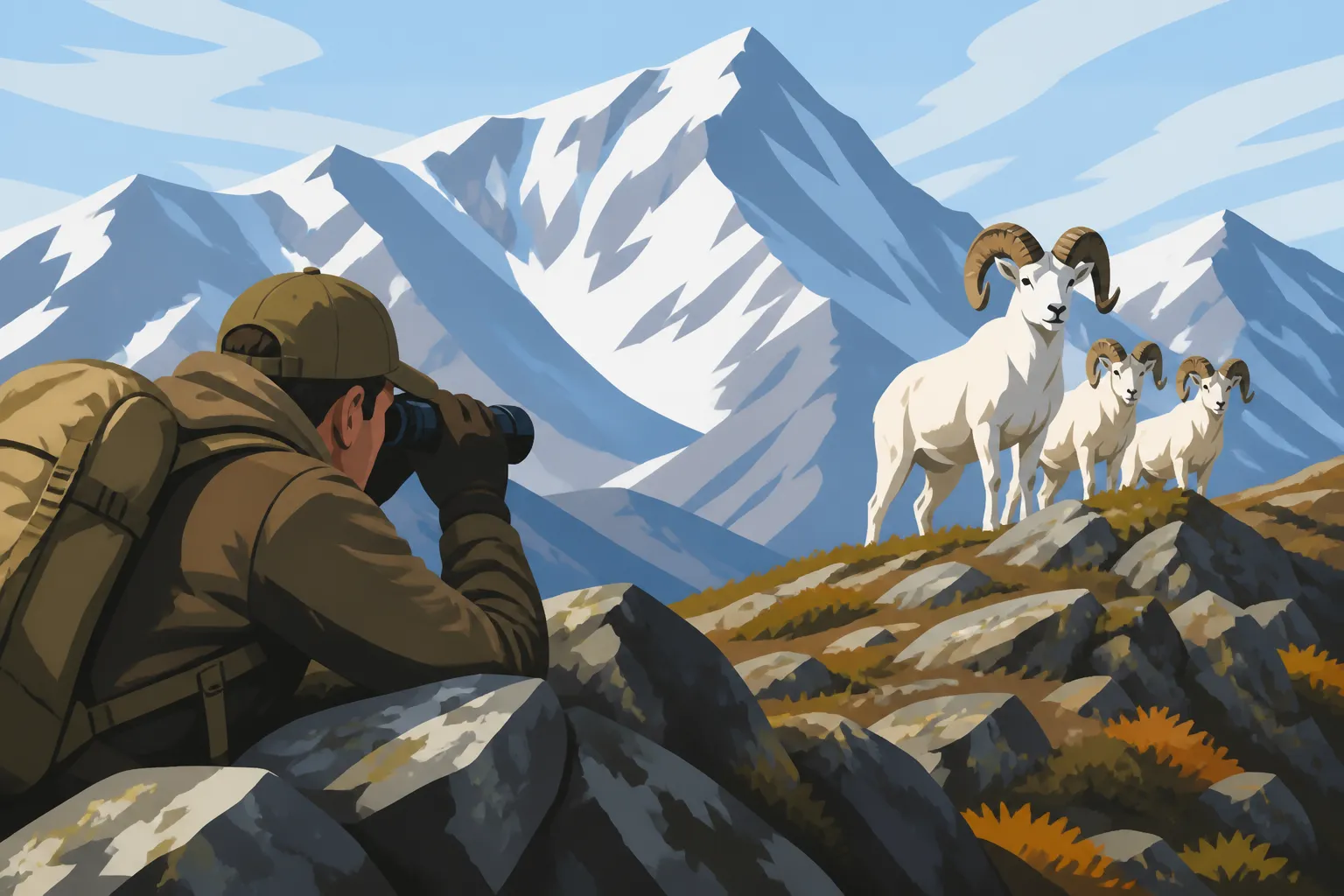
Choosing the right glassing knob is foundational to finding sheep. A good glassing knob offers a wide, unobstructed view of multiple basins, ridges, and potential sheep holding areas. It should ideally be positioned to take advantage of the prevailing wind, keeping your scent from drifting into areas you're observing. Consider the sun's angle – early morning glassing can be hampered by direct sun, and shadows can conceal sheep. Reading Sheep Country From a Glassing Knob involves not just finding a high point, but understanding how sheep will use the terrain below you. Look for key features: benches, natural saddles, old game trails, green-up patches, and escape routes into cliffs. You want a position that allows you to methodically pick apart the mountainside without exposing yourself unnecessarily or having to move frequently. A stable, comfortable perch is crucial, as you'll be spending hours, perhaps an entire day, behind your glass. Setting up a spike camp above a sheep basin can extend your effective glassing time and allow for multi-day observation.
Systematic Glassing Techniques
Once settled, don't just randomly scan. Employ systematic glassing techniques to ensure you cover every square inch of potential habitat. The "grid pattern" is highly effective: start at a distant point, slowly traverse your spotting scope or binoculars across a section of the mountain, then drop down a bit and traverse back in the opposite direction, creating an invisible grid that leaves no stone unturned. Glassing Grids That Cover a Whole Basin is a time-consuming but incredibly thorough method. Zoom in on areas of interest – darker patches, anything that looks "out of place," or distinct features that could hide a ram. Pay close attention to the interfaces between rock and vegetation, and any shadows or slight depressions.
Vary your glassing intensity. Spend long periods slowly scanning with your binoculars or spotting scope, then take a break and let your eyes reset, returning to fresh scanning. Remember that Glassing at First Light Versus Midday can reveal different things. Early mornings are often best for spotting sheep moving from bedding to feeding, while midday can be good for finding them bedded down, sometimes standing out against a contrasting backdrop. Look for the tell-tale white patches against rock, the unique shape of a horn, or subtle movements. Even a flick of an ear or a swish of a tail can give away a sheep's location.
Interpreting Sign and Ram Behavior
Beyond spotting the animals themselves, learn to interpret the signs they leave behind. Fresh tracks in soft dirt or snow can tell you how recently sheep have been in an area and which direction they were headed. Droppings, rub marks on rocks, and distinct bedding areas can indicate a preferred hangout. However, remember that fresh sign doesn't mean the sheep are still there. They are constantly on the move, especially if spooked.
When you do find sheep, don't immediately plan your stalk. Observe them for an extended period, understanding their patterns. How Long to Watch a Ram Before Shooting? Sometimes hours. What are they feeding on? Where do they bed? Do they have a clear escape route? Are there other rams nearby you hadn't spotted? Understanding their typical behavior will allow you to predict their movements and plan a more successful approach. This is also where you'll make your final determination of legality. GoHunt's satellite imagery can help here too, allowing you to mark observations and plan approaches.
The Stalk: Closing the Distance
Once a legal ram is spotted and thoroughly evaluated, the real challenge begins: the stalk. This is where patience, stealth, and an intimate understanding of terrain and wind come into play. A good stalk can take hours, sometimes an entire day, and often involves significant backtracking and navigating difficult terrain.
Planning the Approach
Before you take a single step towards the ram, meticulously plan your approach from your glassing vantage. The wind is your absolute master in sheep hunting. A slight shift can betray your presence instantly, sending the ram bounding for safety. Always approach from downwind, even if it means taking a significantly longer, more difficult route. Use a wind checker constantly throughout the stalk. Consider the terrain features that offer the most cover: draws, ridges, large boulders, and folds in the mountain. These natural contours are your friends. Avoid skylining yourself on ridges; always stay just below the crest. The sun's angle is another factor – try to keep the sun at your back or to the side, preventing the glare from silhouetting you or catching the sheep's eye.
Always have an exit strategy planned. What will you do if the ram spooks? Where will it likely go? Is there another way to intercept it? Knowing the animal's potential escape routes can sometimes allow you to cut them off, though this is rare and requires exceptional fieldcraft. GoHunt's advanced mapping features can be a game-changer here, allowing you to visualize elevation changes, potential cover, and wind direction effects on a topographical map, helping you plan the most discreet and effective route to within shooting range.
Executing the Stalk: Movement and Patience
The execution of the stalk itself demands extreme patience and deliberate movement. Move slowly, carefully placing each foot to avoid dislodging rocks or making noise. Sheep have incredible eyesight and can pick up even the slightest movement from a great distance. Use periods when the ram is feeding with its head down, or when it’s behind a ridge or rock, to advance. When it lifts its head, freeze. Become part of the landscape. If the ram is bedded, it might be an all-day affair, waiting for it to stand and offer a better opportunity or to move into a more favorable position for your approach.
If you are hunting with a partner, communicate silently using hand signals. One person might stay back on the glass, guiding the other through difficult terrain or alerting them to changes in the ram's behavior. Resist the urge to rush. A fast stalk is almost always a failed stalk. The most successful sheep hunters are masters of invisibility, melting into the terrain and moving like shadows. Remember that Dall sheep rely on their senses for survival, and the slightest mistake can mean the end of your hunt.
Common Stalking Challenges and Solutions
Alpine stalking is fraught with challenges. One of the most common frustrations is the "false crest" – you hike for an hour expecting to reach a ridge, only to find another ridge beyond it, and then another. What looked like a gentle slope from afar turns into a series of cliffs and impassable terrain up close. The solution is constant re-evaluation of your route with your optics and map, and being prepared to backtrack.
Unexpected changes in weather, like a sudden fog rolling in or a violent wind shift, can either halt a stalk entirely or present new opportunities. If fog obscures your view, it might be time to hunker down and wait, or cautiously retreat if the situation becomes too dangerous for Alpine Navigation Without Cell Service. Other animals, like marmots or ground squirrels, can inadvertently give you away by whistling alarms. Learn to anticipate their presence and move even more slowly through their territories. Finally, rams themselves can be unpredictable; they might suddenly decide to move to another basin or stand up and scan their surroundings at precisely the wrong moment. The key is adaptability. Be ready to change your plan, find new cover, or even pull out and restart the stalk entirely if the odds turn against you. Sometimes, the best stalk is the one you abandon to save for a better opportunity.
The Shot and Post-Kill Procedures
Reaching shooting range is a monumental achievement in Dall sheep hunting, but the work is far from over. The shot must be precise, and the post-kill procedures efficient to honor the animal and preserve the trophy.
Ethical Shot Placement and Follow-Up
When the moment arrives, the pressure is immense. The first rule is ethical shot placement. Dall sheep are not large animals, but they are tough, and often standing on precarious ledges. Aim for the vitals (heart-lungs) just behind the shoulder. Be mindful of steep uphill or downhill angles, which can shift your point of impact relative to your aiming point. Practice these scenarios beforehand. A stable shooting platform is absolutely critical; use your backpack, trekking poles, or a natural rock formation to steady your rifle. Take a deep breath, control your heartbeat, and focus on a clean break of the trigger.
After the shot, do not rush. Observe the ram's reaction. Did it drop? Did it run? If it ran, note the direction and any landmarks. Give it time, especially if the shot wasn't immediately fatal. A wounded animal on steep terrain can be incredibly dangerous to recover. If the ram drops, take a moment to ensure it is expired before approaching cautiously. Reload your rifle immediately. If a follow-up shot is needed, take it. The goal is a quick, humane kill.
Field Care and Trophy Preservation
The clock starts ticking the moment the ram is down. In the high alpine, temperatures can be cool, but proper field care is still paramount, especially for meat quality and trophy preservation. First, get the animal to a safe, relatively flat spot if possible. Take photos, but don't delay the work. Skinning for a shoulder mount requires careful cuts: one encircling the body behind the front legs (about halfway back), and cuts down the back of each leg to meet the body cut. Then, a careful cut up the back of the neck to the base of the skull, and circling the eyes, nose, and lips. The goal is to get as much hide as possible for the taxidermist. Cape and Skull Care for a Brown Bear Hide principles, though a different animal, apply here for skinning around the head and eyes.
Meat salvage is equally critical. In Alaska, it is illegal to waste edible meat (Packing Out Meat in Alaska: The Salvage Law Hunters Must Follow). Quarter the animal, separating the front shoulders, hindquarters, and backstraps. Remove the tenderloins. Get the meat out of the hide quickly to cool. Place meat in breathable game bags, such as those made from synthetic cheesecloth or canvas, and hang them in the shade and wind to cool. This helps prevent bacterial growth and "souring." While you might not be dealing with warm September weather, keeping meat clean and cool is always a priority. If you encounter wet conditions, Salting a Hide in Wet Weather can be necessary to prevent hair slip, but it adds weight and requires thorough rehydration later.
Packing Out the Trophy and Meat
This is arguably the most physically demanding part of a Dall sheep hunt. A mature ram can yield a substantial amount of meat and hide, often necessitating multiple trips or an extremely heavy single load. A typical load for a Dall ram could easily be 80-100 pounds or more, navigating treacherous terrain. Break down the load intelligently. The skull and cape are the trophy and should be handled with utmost care. The meat should be distributed evenly in your pack.
Packing a Ram Off a Cliff Face or down a steep, rocky slope requires extreme caution. Slow and steady wins the race. Use trekking poles for stability. Watch every foot placement. Loose scree can be like walking on ball bearings, and a fall with a heavy pack can be disastrous. If packing out over several days, ensure your meat cache is secure from predators. Horn Damage During the Pack Out is a real concern; protect the horn tips and bases, perhaps by wrapping them in clothing or securing them within the pack frame. The satisfaction of carrying that hard-earned trophy off the mountain is immense, but it will test your physical and mental limits to their absolute maximum.
Safety and Contingency in the Alaska Alpine
The Alaskan alpine is stunningly beautiful but unforgiving. Safety should be paramount in all aspects of your hunt, from planning to execution. Being prepared for the unexpected is not just a suggestion; it’s a necessity.
Navigating Remote and Treacherous Terrain
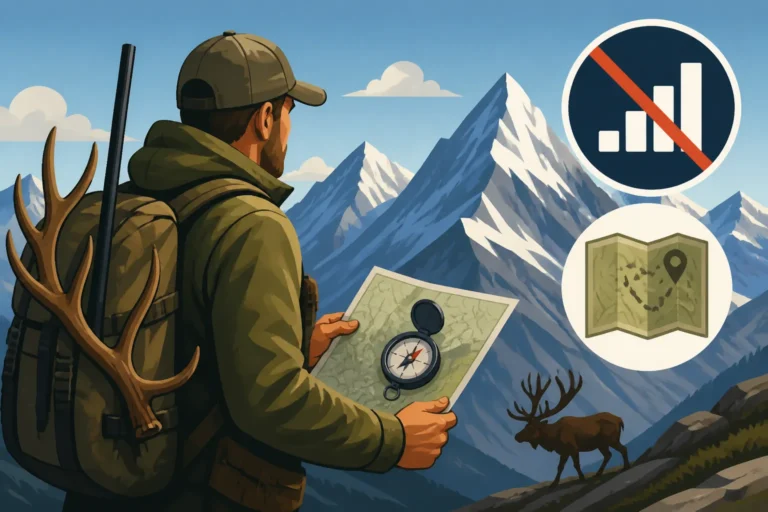
Getting lost in the vastness of the Alaska Range or Brooks Range can turn dangerous very quickly, especially if fog rolls in or darkness falls. A reliable GPS unit with detailed topographic maps is essential. Mark your camp, critical waypoints, and any potential dangers. Understand how to use your GPS for "track back" in whiteout conditions. But never rely solely on electronics; batteries die, devices fail. Carry a physical map and a compass, and know how to use them. Alpine Navigation Without Cell Service means you need to be self-sufficient. Familiarize yourself with contour lines on your map – they tell you everything about the steepness of terrain, ridges, and valleys. Downloading Offline Maps Before a Fly-In ensures you always have your navigational aids, even in the most remote areas. Always leave a detailed trip plan with someone responsible back home, including your intended route, expected check-in dates, and emergency contacts.
Weather Preparedness and Emergency Protocols
Alaska weather is famously unpredictable. A sunny morning can turn into a raging blizzard in minutes, even in August or September. Hypothermia is a constant threat. Your layering system, mentioned earlier, is your first line of defense. Always carry emergency shelter, whether it's a lightweight tarp, a bivy sack, or an emergency blanket. Know how to build a fire in wet conditions.
Communication is key for safety. A satellite messenger (like an InReach) allows you to send text messages, receive weather updates, and, most critically, send an SOS signal with your exact coordinates to emergency services. Establish clear Signal Devices and Check-In Plans for Solo Alaska Hunts or with your group. For instance, agree to check in daily at a specific time, and if that check-in is missed, your contact knows to initiate a search. Carry a well-stocked first-aid kit capable of handling severe injuries, not just minor cuts. Be trained in basic wilderness first aid.
Wildlife Encounters and Bear Safety
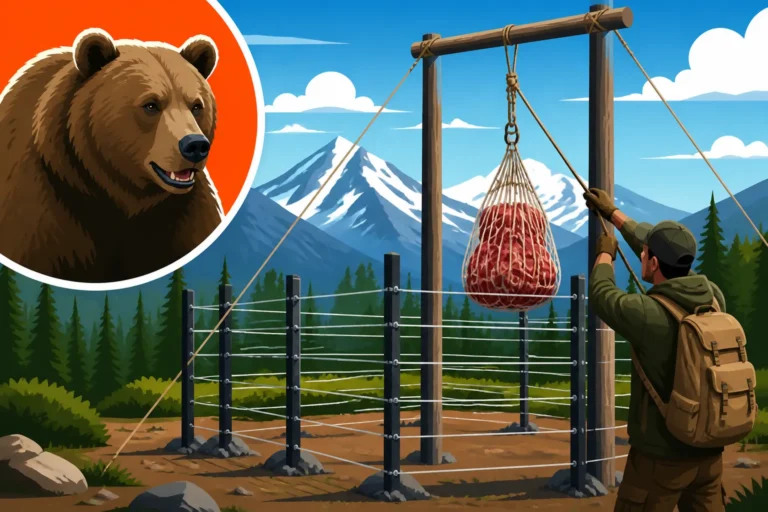
While sheep country is generally above the densest bear habitat, you can and will encounter bears in the alpine, especially grizzly bears (interior brown bears) who travel widely in search of food. Never assume you are in "bear-free" country. Always carry bear spray and know how to use it. A powerful firearm can also offer protection, but bear spray is often preferred for close-quarters encounters due to its effectiveness and non-lethal nature. Always ensure your food is stored properly, preferably in bear-resistant containers or hung from a tree if available, even in areas where you think bears are scarce. Bear Fence Setup at a Meat Cache is a smart move if you're leaving meat cached overnight. Stay vigilant, especially around a kill site where bears are often drawn by the smell of fresh meat. If you do encounter a bear, make noise, make yourself look large, and never run. Understanding GoHunt's data on game unit specifics can provide insights into predator populations in your hunt area.
Regulations and Ethical Considerations
Hunting Dall sheep in Alaska comes with the immense privilege of pursuing one of North America's most iconic big game animals. With that privilege comes significant responsibility to adhere to regulations and uphold the highest ethical standards.
Adhering to Alaska's Hunting Laws
Alaska's hunting regulations are complex and can change annually. It is your responsibility to know and follow them. Always ensure you have the correct nonresident hunting license costs in Alaska, along with the appropriate Alaska Dall Sheep Tag Price for Nonresidents. The Dall sheep tag is a "locking tag," meaning once you make a kill, you must attach it to the animal immediately. When to Attach an Alaska Locking Tag After the Kill is clearly outlined in the regulations. You'll also need to be aware of the Alaska Hunter Education Card Requirements; if you're a nonresident and haven't hunted big game in Alaska before, you'll likely need to complete a certified hunter education course.
Furthermore, all harvested big game, including Dall sheep, must be reported to the Alaska Department of Fish and Game. The Alaska Harvest Report Deadline After the Hunt is critical, as failure to report can result in fines and loss of future hunting privileges. Unit-specific regulations, such as special permit hunts or unique age/curl restrictions, are also common. Always consult the most current Alaska Hunting Regulations booklet for the specific Game Management Unit (GMU) you plan to hunt. GoHunt, with its robust tools, often provides regulation overviews integrated with its mapping software, which can be an excellent resource for initial planning, but always cross-reference with the official ADF&G regulations.
Ethical Hunting Practices and Respect for the Game
Ethical hunting is about more than just following the law; it's about respecting the animal, the land, and the tradition of hunting. Fair chase is a cornerstone of this philosophy, meaning the hunter should not have an unfair advantage over the animal. This includes avoiding tactics that are considered unsporting, such as using motorized vehicles to pursue game.
Minimize your impact on the pristine alpine environment. Pack out everything you pack in, and perhaps even a bit more. Leave no trace of your presence – no trash, no human waste, no unnecessary disturbance to the delicate ecosystem. This ethos ensures that future generations can enjoy these same wild places. Respect other hunters and outdoor enthusiasts; maintain distance and avoid interfering with their experiences. Finally, never compromise on meat salvage. Every effort should be made to utilize all edible portions of the animal, as mandated by law. Alaska's meat salvage laws are strict, and for good reason—it ensures that an animal's life is taken with purpose and that its resources are not wasted. By upholding these ethical standards, you not only ensure the longevity of the resource but also honor the incredible challenge and reward of Dall sheep hunting in Alaska.
| Optics Type | Primary Use Case | Key Features for Sheep Hunting | Pros | Cons |
|---|---|---|---|---|
| Binoculars (10x-12x) | General scanning, wide field of view, locating animals | Lightweight, compact, good light transmission, wide field of view | Excellent for initial scans, quicker target acquisition, less fatigue than spotting scope for short bursts | Limited magnification for detailed judging, difficult to hold steady for long periods |
| Spotting Scope (20-60x or 25-75x) | Detailed examination, judging legality, long-range observation | High magnification, often angled eyepiece for comfort, crucial for full-curl assessment | Essential for accurate field judging, extends effective observation range significantly | Heavier, bulkier, narrower field of view, requires a stable tripod |
Disclaimer
The information provided in this guide is for general informational purposes only and is not a substitute for the official hunting regulations published by the Alaska Department of Fish and Game (ADF&G). Hunters are solely responsible for knowing and adhering to all current state and federal hunting laws, regulations, and permit requirements before participating in any hunting activity in Alaska. Always consult the most recent ADF&G regulations, hunt supplements, and emergency orders.