Wanton Waste Penalties in Alaska
There's a nagging fear many Alaska hunters carry with them into the field, a worry that can sometimes overshadow the excitement of the chase: the risk of a wanton waste citation. It's an issue that can turn a successful hunt into a nightmare of legal troubles and deep personal disappointment. This guide is here to demystify Alaska's wanton waste regulations, explain the heavy penalties, and most importantly, equip you with the knowledge and practical strategies to ensure you always fulfill your legal and ethical obligations to the game you pursue.
Understanding Alaska's Wanton Waste Laws and Their Purpose
The concept of "wanton waste" isn't unique to Alaska, but in a state where hunting is so deeply ingrained in the culture and provides vital sustenance for many, the regulations are particularly stringent and the consequences severe. It's about respecting the animal, preventing waste, and upholding the integrity of hunting.
Defining "Edible Meat" in the Alaskan Context
One of the biggest areas of confusion for hunters often revolves around what exactly constitutes "edible meat" that must be salvaged. It's not just the prime cuts you might typically package for your freezer. In Alaska, the law generally requires the salvage of all muscle tissue suitable for human consumption. This goes beyond the tenderloins and backstraps to include the ribs, neck meat, briskets, and even some organs in specific cases. Essentially, if a reasonable person would consider it edible, you're expected to pack it out. The goal is to ensure that when an animal gives its life, as much of it as possible is utilized, not just the "trophy" parts or the most convenient cuts. This critical regulation is explicitly detailed in sections like our guide on Which Cuts Count as Edible Meat in Alaska.
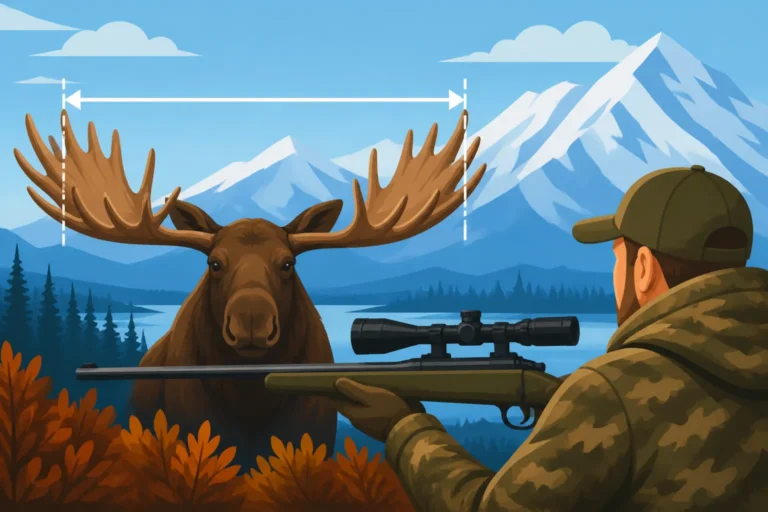
It's a common frustration to look at a massive bull moose, especially when you're miles from the nearest trail, and wonder how on earth you're supposed to pack out every scrap. However, the law makes no allowances for inconvenience. This means meticulous field dressing and a commitment to multiple trips if necessary. For instance, on a large animal like a moose, not only are the hindquarters and front shoulders mandatory, but sections like the brisket and neck meat are also considered essential. Some hunters, particularly those unfamiliar with these requirements, might mistakenly leave these parts behind, thinking they're not "good" meat or too much trouble. This oversight, however, can quickly lead to serious legal issues.
Furthermore, these definitions can also be species-specific, and it's vital to consult the current Alaska Department of Fish and Game (ADF&G) regulations booklet for the most up-to-date and precise language. What applies to a moose might differ slightly for a caribou or even a smaller game animal. Being prepared means knowing these details intimately before you even step foot into the field. This attention to detail is where resources like GoHunt can be invaluable, helping you pore over regulations specific to your chosen game and unit.
The Spirit Behind Salvage Laws: Conservation and Respect
Beyond the letter of the law, the spirit of wanton waste regulations is deeply rooted in conservation and an ethical respect for wildlife. Alaska’s game populations are a precious resource, and responsible hunters understand their role as stewards. Leaving significant portions of an animal to rot in the field not only dishonors the animal's sacrifice but also feeds into negative perceptions of hunting by the general public.
When non-hunters or anti-hunting groups see images or hear stories of wasted game, it fuels their arguments against hunting entirely. These laws are designed to demonstrate that hunters value the animal as a whole, not just as a trophy or a means to an easy meal. They underscore a commitment to sustainable harvest and the efficient use of natural resources. This ethos is particularly strong in Alaska, where wildlife plays such a significant role in subsistence lifestyles and the overall ecosystem.
This deep respect also extends to the practical realities of wildlife management. If a significant amount of meat is consistently left in the field, it could artificially inflate harvest numbers without true utilization, potentially leading to incorrect population assessments or misguided bag limits. The strict salvage requirements encourage hunters to be selective, only taking animals they can realistically process and transport, thereby ensuring a more thoughtful and sustainable approach to hunting pressure. It’s a collective responsibility, and every hunter’s actions contribute to the broader perception and future of hunting in Alaska.
Common Scenarios That Lead to Unintentional Waste
It’s rare for a hunter to intentionally waste meat in Alaska, but accidental or unintentional waste often occurs due to poor planning, unforeseen circumstances, or a lack of understanding of the regulations. One common scenario is misjudging the effort required for a pack out. You might drop a large bull moose three miles back in a thick alder swamp, only to realize the sheer impossibility of getting all the meat out before it spoils, especially if you're alone or ill-equipped.
Another frequent issue arises from inadequate field care, particularly in warmer weather. Many September hunts, especially for moose, can encounter daytime temperatures well above 50 degrees Fahrenheit. Without proper cooling techniques, such as getting the hide off quickly, quartering the animal, and elevating the meat, spoilage can occur rapidly, rendering large portions of the animal inedible and thus "wasted" in the eyes of the law. Our detailed guide on Meat Care in 50-Degree September Weather offers vital strategies to combat this. Imagine a scenario where you make a kill mid-day, but it takes hours to reach the animal, and then you struggle with the quartering process. By the time you get the meat hung, bacterial growth could already be setting in, especially if the air isn't circulating properly. This exact situation can lead to significant waste.
Lastly, some hunters, particularly those new to Alaska or specific species, might not realize that certain parts beyond muscle tissue are also legally required to be salvaged. For example, the skull and hide of a brown bear, or the skull with horns of a Dall sheep, are mandatory components that must be preserved and presented for sealing. Failure to do so, even if the meat is salvaged, can be considered wanton waste or a separate violation, leading to significant penalties. This highlights the importance of thorough preparation and knowing the nuances of each species' regulations, which you can often find discussed in forums or articles from reputable sources like GoHunt before your hunt.
The Steep Penalties for Wanton Waste
The state of Alaska takes wanton waste very seriously, and the penalties reflect this gravity. It's not just a slap on the wrist; these can be life-altering consequences for a hunter.
Legal Consequences: Fines, Jail Time, and Seizure
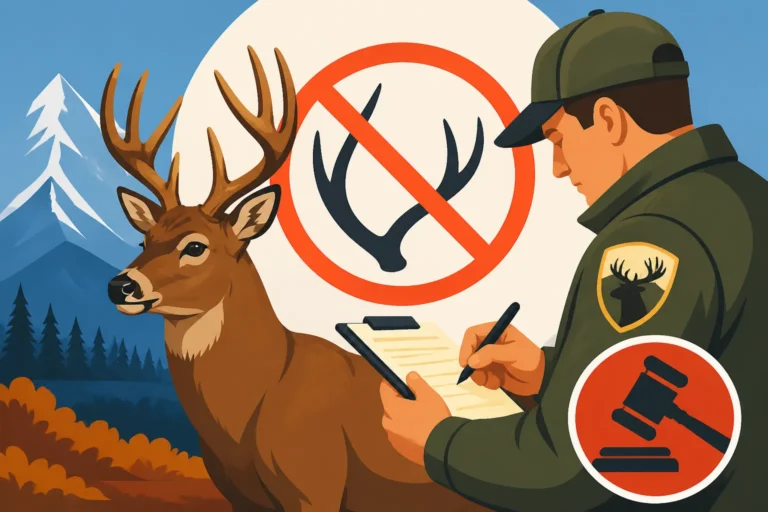
The immediate repercussions for a wanton waste citation can be severe. Depending on the species, the amount of waste, and any prior offenses, charges can range from a misdemeanor to a felony. Fines often start in the thousands of dollars and can escalate quickly. For a serious offense involving a large big game animal, you could be looking at fines upwards of $10,000, restitution payments to the state for the value of the game animal, and even jail time.
Beyond monetary penalties, a conviction can lead to the seizure of your hunting equipment, including firearms, ATVs, boats, and even aircraft used during the illegal activity. Imagine having your prized rifle or the ATV you rely on for access confiscated indefinitely. This adds a tremendous financial burden on top of the fines and legal fees. Furthermore, the legal process itself is lengthy, stressful, and expensive, often requiring multiple court appearances and the retention of legal counsel. This alone can drain a hunter's resources and time, impacting their ability to work and live normally for months, or even years, after the incident.
These are not just theoretical possibilities; Alaska Wildlife Troopers actively investigate suspected wanton waste, and they have the resources and determination to pursue cases. They understand the value of the state's wildlife resources and are committed to enforcing these laws vigorously. It's a stark reminder that preparing for a hunt involves not just gear and logistics but also a deep understanding and respect for the legal framework that governs hunting in Alaska.
Long-Term Impacts on Your Hunting Privileges
Perhaps even more devastating than the fines and potential jail time is the long-term impact on your ability to hunt. A conviction for wanton waste in Alaska will almost certainly result in the revocation of your hunting license and permits for a significant period, often years. This isn't just an Alaska-specific consequence; due to interstate compacts like the Wildlife Violator Compact, a suspension in Alaska can mean losing your hunting privileges in almost all other member states.
This means that a single mistake or oversight could effectively end your hunting career, at least for a very long time. For many, hunting is a way of life, a deep connection to nature, and a source of food for their families. Losing the privilege to participate in this tradition can be emotionally crushing. Furthermore, trying to apply for future licenses or draw permits after a revocation becomes incredibly difficult, if not impossible, for many years. Even after the official suspension period is over, future applications will carry the mark of that violation, making it harder to obtain permits for limited-entry hunts or special seasons.
Think about the time and money you might invest in planning a dream hunt for species like Dall sheep or brown bear, only to have all future opportunities vanish due to a preventable error. The long-term implications underscore why every hunter must prioritize proper salvage and adherence to the law. Losing the privilege to hunt in Alaska also means losing the ability to teach future generations, passing on traditions that connect families to the land and its resources.
The Ripple Effect on the Hunting Community's Reputation
Beyond individual consequences, every wanton waste incident casts a shadow over the entire hunting community. Alaska's hunters pride themselves on their ethics and respect for game, but a single publicized case of waste can quickly erode public trust and damage the hard-won reputation of responsible hunters. In today's interconnected world, news travels fast, and negative stories often gain more traction than positive ones.
When instances of wanton waste come to light, they are frequently seized upon by anti-hunting organizations to paint all hunters with the same broad brush, portraying them as irresponsible, cruel, or disrespectful of wildlife. This makes it harder for wildlife managers to implement sound, science-based management plans, as public opinion becomes swayed by emotional arguments rather than factual data. It also creates a divide between hunters and non-hunting residents who might otherwise support or tolerate hunting as a legitimate activity.
Responsible hunters understand that they are ambassadors for their sport. Every ethical choice in the field, including meticulous meat salvage, reinforces the positive image of hunting as a conservation tool and a respectful way to harvest food. Conversely, wanton waste undermines these efforts and makes the task of preserving hunting opportunities for future generations significantly harder. It's a collective burden we all bear, and it's why the discussion around preventing wanton waste is so critical within the hunting community.
Practical Strategies to Ensure Full Salvage and Compliance
Navigating the complexities of Alaska's wanton waste laws successfully boils down to a combination of diligent preparation, sound field practices, and a clear understanding of your responsibilities.
Pre-Hunt Planning: Researching Salvage Requirements and Conditions
Before you even load your rifle or pack your backpack, comprehensive planning is your first line of defense against wanton waste. This means delving deep into the current ADF&G hunting regulations for your specific game management unit (GMU) and the species you intend to hunt. Regulations change, so relying on old information is a recipe for disaster. Are there specific parts, beyond the edible meat, that must be salvaged for your target species? For example, Cape and Skull Care for a Brown Bear Hide is crucial for bear hunters.
Consider the terrain and access to your chosen hunting grounds. Will you be deep in the wilderness, requiring multiple pack trips, or closer to road systems? This will dictate the gear you bring, such as robust game bags that breathe, like those discussed in Game Bags That Breathe in Coastal Rain, and extra frames if you anticipate heavy loads. Utilize mapping tools like those available through GoHunt to identify potential obstacles, water crossings, or long hauls from potential kill sites. Having a realistic assessment of the logistical challenges before the hunt can prevent you from making poor decisions in the heat of the moment. It also allows you to plan for adequate help if you anticipate a heavy animal far from access.
Crucially, always consider the weather forecast for your entire hunt duration. If warm temperatures are expected, you'll need to prioritize quick processing and cooling. This might mean adjusting your hunt timing or choosing an area known for cooler conditions. Think about how long it might take to reach a downed animal and begin processing. Building in contingency time for unforeseen events—like mechanical failures or getting weathered in—is also a smart move that can prevent rushed decisions leading to waste.
Field Care Best Practices: Cooling, Cleaning, and Protecting Your Harvest
Once an animal is down, the clock starts ticking, especially in Alaska's often-mild September and October. Immediate and proper field care is paramount to prevent spoilage. The first step is to gut the animal promptly, removing all entrails to allow the body cavity to cool. For large game like moose or caribou, skinning and quartering the animal is usually the most effective way to cool the meat rapidly. Each quarter, along with the backstraps and tenderloins, should be separated from the bone, making it lighter and easier to handle. Don't forget to debone the rib meat and neck meat, which are often overlooked but legally required salvage parts. Our guide on Salvaging Ribs and Neck on an Alaska Bull provides more specific details on this.
Once the meat is separated, it needs to be placed into quality game bags. These aren't just for keeping dirt off; breathable game bags allow air circulation, which is essential for cooling, while also protecting the meat from insects and scavengers. Hang the bagged meat in the shade, off the ground, and separated from each other to maximize airflow. If you're in bear country, hanging meat high and establishing a Bear Fence Setup at a Meat Cache is not just about protection, but about preserving the meat from potential loss.
Finally, cleanliness throughout the process is key. Use clean knives and surfaces to avoid introducing bacteria that can accelerate spoilage. If you're planning to make multiple trips, ensure the cached meat is well-protected from sun, rain, insects, and scavengers. This attention to detail in the field significantly increases the likelihood of salvaging all edible meat and avoiding any unwanted attention from wildlife enforcement.
Overcoming the Pack-Out Challenge in Remote Terrain
The pack out is often the most physically demanding aspect of an Alaska hunt, and it's where many hunters, even experienced ones, can find themselves in a bind, leading to potential waste. Realistic assessment of your physical capabilities and proper gear are crucial. For larger animals in remote locations, you must assume multiple trips will be necessary. This means having sturdy pack frames, comfortable backpacks, and enough game bags to handle the entire load.
If you're hunting alone, the challenge is compounded. Consider smaller, more manageable loads per trip rather than attempting hero carries that exhaust you and increase the risk of injury or further delaying meat care. Knowing how to efficiently bone out an animal can significantly reduce the weight you need to carry, though always double-check if your unit has antler-in-possession rules that might require bringing out bone-in quarters. Refer to Packing Out Meat in Alaska: The Salvage Law Hunters Must Follow for general guidelines. For instance, a boned-out moose can still weigh 400-600 pounds, requiring many trips.
Technology can also assist. GPS devices or satellite communicators (like an InReach) can mark kill sites and help you navigate back and forth efficiently, especially when visibility is poor or darkness falls. Remember to conserve GPS battery life in cold camps. Don't underestimate the mental fortitude required for a pack out. Fatigue can lead to poor judgment, so planning for rest, nutrition, and hydration during this arduous process is just as important as during the stalk itself. It’s an endurance event, and preparing for it physically and mentally is a critical component of ensuring full legal salvage.
Species-Specific Salvage Considerations
While the general rule is "all edible meat," Alaska's regulations often have specific requirements for certain species, particularly concerning hides, skulls, and horns.
Moose and Caribou: Maximizing Meat Yield
For moose and caribou, the emphasis is heavily on meat salvage. As discussed, this includes all muscle tissue suitable for human consumption. This means hindquarters, front shoulders, backstraps, tenderloins, neck meat, brisket, and even rib meat. Many hunters, especially new ones, will debone the major muscle groups but leave the meat attached to the ribs or miss substantial portions around the neck and backbone. This is a common point of contention during wanton waste investigations.
To avoid issues, consider cutting the entire rib cage into sections, then carefully trimming off all muscle tissue. For the neck, aggressive trimming is necessary to get every usable piece. Some hunters will even saw the backbone into manageable sections to ensure all edible meat is removed, though typically just the muscle groups are required. It's about being thorough and leaving behind as little as possible that could be considered "edible." For hunters focused on the trophy, remember that the antlers and skull plate are separate from the meat requirements. You still need to retrieve all legal meat from the head and neck, even if you’re planning a European mount.
Always remember that once the animal is down, the priority shifts from the hunt itself to efficient and complete salvage. This can be grueling, especially with a large bull moose, but it’s a non-negotiable part of the hunting contract in Alaska. Planning your approach to quartering a bull moose alone in the field, for example, is critical for efficient meat removal.
Bears and Sheep: Salvaging Hide, Skull, and Horns
For species like brown bears, black bears, and Dall sheep, the regulations extend beyond edible meat to include specific "trophy" parts that must be salvaged and presented to ADF&G for sealing. For bears, this means the skull (with a certain amount of bone attached to the hide) and the entire hide, including claws, paws, and evidence of sex. Even if you only intend to eat the meat, failure to salvage and properly care for the hide and skull is a wanton waste violation. Our guide on Cape Care for a Life-Size Bear Mount underscores this importance.
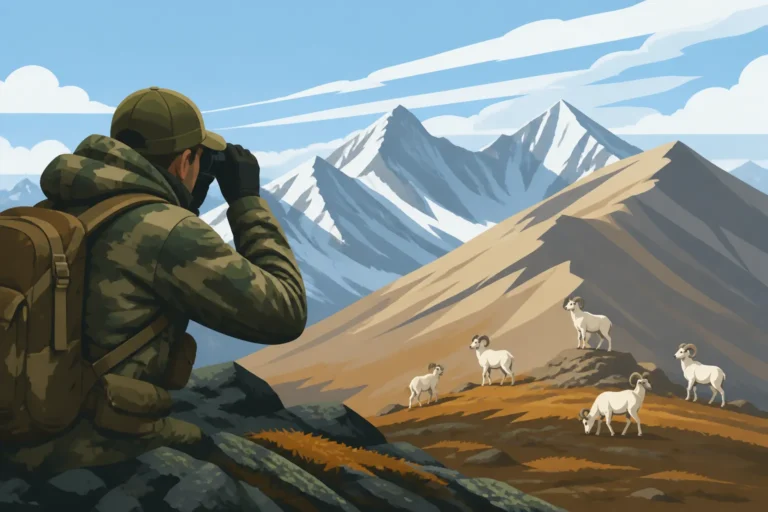
For Dall sheep, the requirement is to salvage the skull with horns attached, along with all edible meat. There are very specific rules about what constitutes a legal ram, often based on horn curl or age, and presenting the skull for sealing is part of verifying legality. Damages to horns during the pack out are unfortunate, but accidental Horn Damage During the Pack Out doesn't negate the salvage requirement. Hunters must also attend a mandatory Alaska Sheep Hunter Orientation before hunting Dall sheep.
It's imperative to know these species-specific sealing requirements before you hunt. A lost or damaged skull, or a hide that spoils due to improper care, can lead to serious charges, even if all the meat was salvaged. These parts are critical for biological data collection and for verifying the legality of your harvest, and their proper care is a legal obligation.
Navigating Smaller Game and Upland Birds
While the focus of wanton waste often falls on big game, the principle still applies to smaller game animals like Sitka blacktail deer, caribou, and even upland birds such as ptarmigan or grouse. For deer, all edible meat must be salvaged, similar to moose and caribou, just on a smaller scale. This includes backstraps, hindquarters, front shoulders, and neck meat. Don't be tempted to leave the smaller, less convenient cuts behind.
For upland birds, the regulations typically require that a "reasonable portion" of the breast meat be salvaged. While you're not expected to debone every tiny piece, intentionally leaving an entire bird to rot after shooting it would absolutely constitute wanton waste. This applies even if you're Shooting Small Game With a Big Game Rifle for camp meat. The idea is that if you shoot it, you should make a reasonable effort to consume it.
The key takeaway here is consistency. The spirit of the law applies across all species: if you take an animal's life, you have a responsibility to utilize its resources to the fullest extent possible, according to the current regulations. Never assume a smaller animal means lesser responsibility.
| Species | Required Salvage (Meat) | Required Salvage (Other) | Common Pitfalls |
|---|---|---|---|
| Moose | All edible muscle tissue (quarters, backstraps, tenderloins, neck, rib meat, brisket) | Antlers (if applicable for trophy) | Leaving neck/rib meat; spoilage in warm weather |
| Caribou | All edible muscle tissue (quarters, backstraps, tenderloins, neck, rib meat) | Antlers (if applicable for trophy) | Leaving smaller cuts; not planning for herd movements |
| Brown/Grizzly Bear | All edible muscle tissue | Entire hide with claws, skull with evidence of sex | Spoiled hide/skull; improper field care; missing sex evidence |
| Black Bear | All edible muscle tissue | Entire hide with claws, skull with evidence of sex | Same as brown bear; often overlooked for smaller bears |
| Dall Sheep | All edible muscle tissue | Skull with horns attached | Leaving meat on tough terrain; damaged horns/skull |
| Sitka Blacktail Deer | All edible muscle tissue (quarters, backstraps, tenderloins, neck) | Antlers (if applicable for trophy) | Leaving smaller cuts; not field dressing quickly |
| Mountain Goat | All edible muscle tissue | Skull with horns attached | Leaving meat on steep slopes; damaged horns/skull |
| Upland Birds | Reasonable portion of breast meat | None specified (unless specific regulation dictates otherwise) | Shooting and leaving entire bird |
Note: Always consult current Alaska Department of Fish and Game regulations for the most up-to-date and specific requirements for your hunting unit and species.
When the Unforeseen Happens: Navigating Difficult Situations
Even the most meticulous hunters can face situations beyond their control that threaten to compromise meat salvage. How you respond in these moments is critical.
Dealing with Unforeseen Spoilage in the Field
Imagine you've done everything right: a clean shot, quick field dressing, quarters hung in breathable bags. But then, an unseasonal heatwave hits, or an unexpected delay means you can't get back to your cached meat for an extra day. Spoilage can happen quickly, turning pristine meat into a rotten, inedible mess. The immediate frustration and despair can be overwhelming.
In such a scenario, the key is to honestly assess the condition of the meat. If it is genuinely spoiled to the point of being inedible, you are not expected to pack out rotten meat. However, you must document the situation thoroughly. Take clear, dated photos and videos of the spoiled meat, showing the extent of the damage. Note the weather conditions, the specific cause of the delay, and any efforts you made to mitigate the spoilage. It's also wise to contact Alaska Fish and Game (ADF&G) as soon as possible to report the situation. They may ask for specific details or even send an officer to inspect the site. Transparency and proactive communication are vital here. Trying to conceal spoiled meat or simply abandoning it without reporting will almost certainly lead to a wanton waste citation.
This is where your pre-hunt preparation, including carrying a satellite communicator for emergency contact, becomes invaluable. Being able to communicate with authorities from a remote location can make all the difference in demonstrating your good faith and diligence.
Accidental Loss or Damage During Recovery
Sometimes, despite your best efforts, parts of an animal can be accidentally lost or damaged during the recovery process. A pack frame breaks on a steep slope, sending a quarter tumbling into an inaccessible ravine. A strong current sweeps a game bag away during a river crossing. Or perhaps a bear gets into your cache overnight, as discussed in Hanging Meat Out of Bear Reach, before you can retrieve all the meat. These are gut-wrenching situations, but they do happen in Alaska's rugged environment.
Again, documentation is paramount. Take photos of the accident scene, the broken equipment, the inaccessible terrain, or signs of animal activity at your cache. Detail the sequence of events leading to the loss or damage. If a bear raid occurred, describe your bear safety while butchering a kill in Alaska measures, such as a bear fence or carrying a sidearm, to show you took precautions. Just like with spoilage, immediately contacting ADF&G to explain the situation is crucial. They need to hear your account and see your evidence.
While not all accidental losses will result in a waiver of wanton waste charges, demonstrating that you made every reasonable effort to prevent loss and immediately reported the incident significantly strengthens your case. It shows respect for the law and the resource, even when circumstances conspire against you.
Proactive Communication with Alaska Fish & Game
One of the best pieces of advice for any hunter facing a difficult salvage situation is to communicate openly and proactively with the Alaska Department of Fish and Game. Many hunters fear calling ADF&G, worried that any contact will automatically lead to a citation. However, the opposite is often true. Wildlife Troopers prefer to be informed of potential issues before they discover them through other means.
If you have a kill that's going to be exceptionally difficult to recover, if you've encountered unexpected spoilage, or if any part of your harvest is lost or damaged, pick up the satellite phone or InReach and make the call. Explain the situation clearly, calmly, and factually. Offer to provide photos, GPS coordinates, and a detailed account. The goal is to demonstrate that you are a responsible hunter who respects the regulations and is doing your utmost to comply, even when facing adversity.
While there's no guarantee against a citation, being proactive shows good faith and can often lead to understanding or advice on how to proceed legally. It establishes a positive relationship rather than a confrontational one. Remember, most game wardens are hunters themselves and understand the challenges of the Alaskan wilderness. They are primarily concerned with upholding ethical hunting practices and preventing deliberate waste. Transparency is your best asset in these difficult moments. You can find contact information for local ADF&G offices or the Alaska Wildlife Troopers online, sometimes even through resources like GoHunt, which often have regulatory quick links.
Disclaimer
The information provided in this guide is for general educational purposes only and is not intended as legal advice. Hunting regulations in Alaska are complex and subject to change. Always consult the official Alaska Department of Fish and Game (ADF&G) hunting regulations booklet, available on their website, and any applicable emergency orders before engaging in any hunting activities. It is your responsibility as a hunter to know and adhere to all current laws and regulations.