Which Cuts Count as Edible Meat in Alaska
It’s a scenario that keeps many Alaska hunters up at night, especially those new to the Last Frontier: standing over a downed animal, knife in hand, and wondering exactly how much meat you’re legally obligated to salvage. The fear of "wanton waste" violations is very real, and the regulations can feel like a minefield. This guide will clarify what truly counts as edible meat under Alaska state law, so you can focus on the hunt and the respectful use of your harvest.
Understanding Alaska’s Salvage Law: The "Wanton Waste" Principle
Alaska’s hunting regulations are built on a deeply held principle of respecting the game animals we pursue. This isn't just about conservation in a broad sense; it's about the ethical responsibility of each hunter to utilize the animal they harvest. The "wanton waste" law is a cornerstone of this ethic, making it illegal to intentionally waste or spoil any edible portion of game meat. For many, this is a breath of fresh air, a testament to the fact that hunting here is about sustenance, not just a trophy. However, the exact definition of "edible portion" can be a bit murky, leading to genuine anxiety in the field.
Imagine the frustration: you’ve just made a perfect shot on a magnificent bull moose after days of arduous effort, maybe even on a challenging Float Hunting Alaska Rivers for Moose and Caribou adventure. You're exhausted, the weather is turning, and now you have to make precise decisions about what cuts absolutely must come out. It’s not just about getting the big pieces; it's about knowing the letter of the law and ensuring you don't inadvertently run afoul of it. The consequences for non-compliance can be severe, ranging from hefty fines to loss of hunting privileges, which nobody wants after a successful, hard-earned hunt.
Defining "Edible Meat" for Alaska Game Animals
The Alaska Department of Fish and Game (ADF&G) regulations are pretty clear about what constitutes edible meat, but it often extends beyond what many hunters might typically take in other states or for smaller game. In Alaska, "edible meat" generally refers to all parts of the carcass that are good for human consumption and can be reasonably preserved. This means more than just your prime steaks and roasts; it encompasses a significant portion of the animal.
Let's break down the specific cuts that must be salvaged:
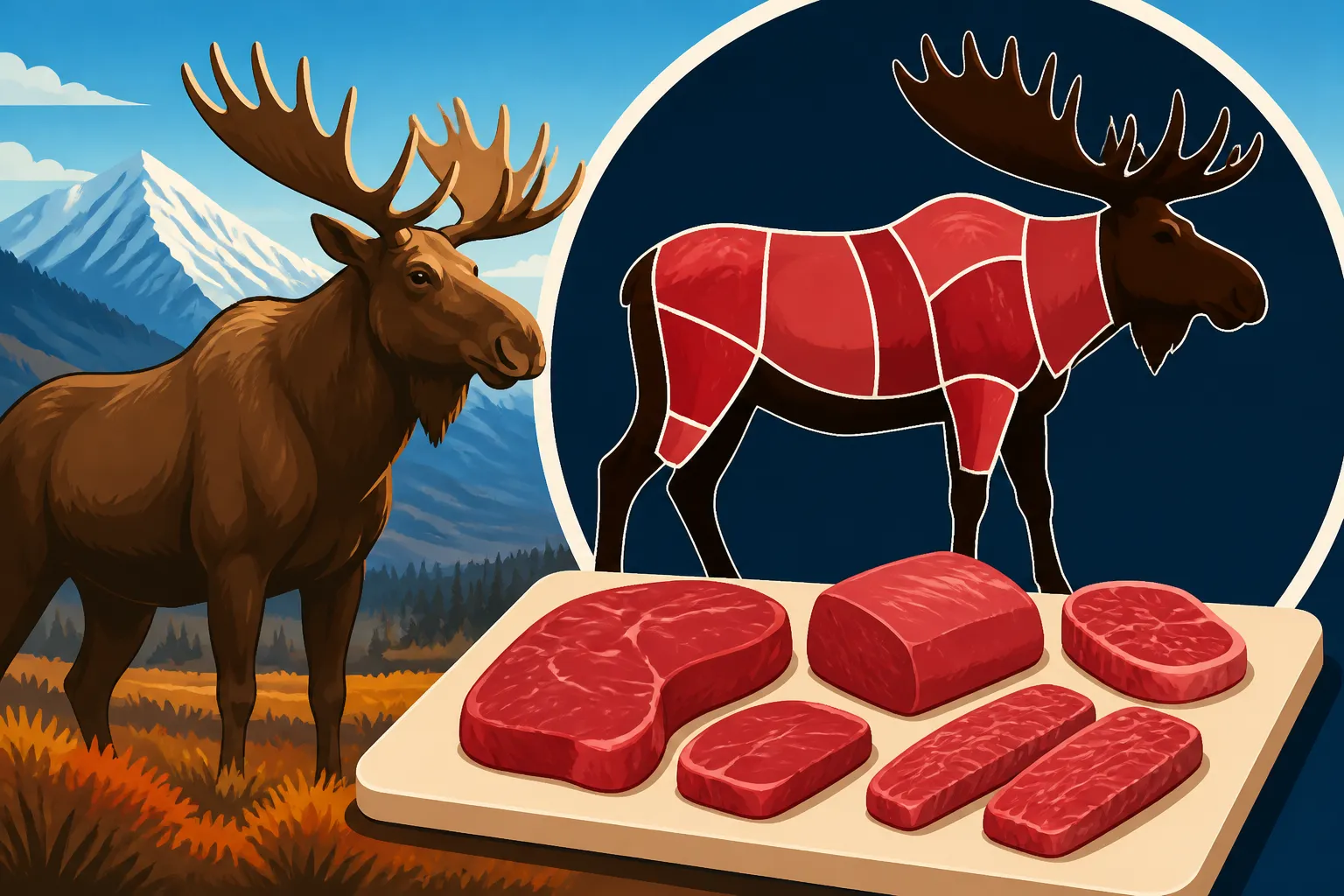
- All four quarters: This includes all muscle tissue from the forelegs and hind legs, from the knee/hock up to the body. This isn't just the large, easily accessible muscle groups, but often involves boning out the lower legs to ensure maximum salvage.
- Backstraps: These are the long, prime muscle strips that run along either side of the spine. They are highly prized and absolutely required.
- Tenderloins: Often overlooked, these are the smaller, incredibly tender muscle strips found inside the body cavity, along the underside of the spine. They are perhaps the most succulent cuts and must also be taken.
- Neck meat: This is a huge area of often underestimated meat, especially on large animals like moose and caribou. While it requires more effort to process, it is considered edible and must be salvaged. Salvaging Ribs and Neck on an Alaska Bull details how to approach this.
- Rib meat: The muscle tissue between the ribs, and significant muscle adhering to the ribs themselves, must be taken. Many hunters find this tedious, but it's a non-negotiable part of the regulation. This is often an area where hunters from other regions, accustomed to discarding ribs, run into trouble.
- Brisket: The large muscle mass in the chest area, while often tough and requiring slow cooking, is also considered edible meat.
- Other significant muscle tissue: Any other substantial muscle groups that are not severely bloodshot or contaminated must be salvaged. This can include parts of the diaphragm or flank.
Here’s a quick overview to help clarify what's expected:
| Meat Cut / Body Part | Salvage Required? | Notes |
|---|---|---|
| Front Quarters (muscle) | Yes | All muscle tissue, from knee up. |
| Hind Quarters (muscle) | Yes | All muscle tissue, from hock up. |
| Backstraps | Yes | Long muscles along both sides of the spine. |
| Tenderloins | Yes | Interior muscles along the spine (inside cavity). |
| Neck Meat | Yes | All significant muscle tissue from the neck. |
| Rib Meat | Yes | All significant muscle tissue from between and adhering to the ribs. |
| Brisket | Yes | Chest muscle, often tough but edible. |
| Bloodshot/Severely Damaged Meat | No (if truly inedible) | Only the portion rendered truly inedible by bullet or impact. Salvage around it. |
| Organs (Heart, Liver, Kidneys) | No (Optional) | Not legally required, but highly prized by many hunters and often taken. |
| Head (e.g., moose cheeks) | No (Optional) | Not legally required, but moose cheeks are considered a delicacy by some. |
| Bones (after boning) | No (typically) | Once muscle tissue is removed, bones are generally not required to be salvaged. |
For species like black bears or brown bears, specific regulations also require the skull to be salvaged for sealing, and the hide for sealing and often for its value. While bear meat is edible, it's crucial to be aware of Alaska Bear Meat Salvage and Trichinosis Risk and ensure proper cooking. Regardless of the species, the core principle remains: if it's edible muscle tissue, you need to make every reasonable effort to get it out of the field.
Practical Steps for Ensuring Full Meat Salvage and Compliance
Knowing the rules is one thing; executing them in the rugged Alaska backcountry is another entirely. This is where meticulous planning and efficient fieldcraft become absolutely critical. You want to be confident that when you turn away from your kill site, you've left nothing behind that could lead to a citation.
Equipping for Success
First off, come prepared. You'll need sharp knives, a good quality sharpening stone or steel, and a sturdy bone saw. A small hatchet can also be incredibly useful. But don't forget the most important tool: high-quality game bags. Not just any bags, but breathable, durable game bags that protect the meat from flies, dirt, and moisture. Game Bags That Breathe in Coastal Rain are a lifesaver, allowing air circulation to aid in cooling while keeping pests at bay. Don't skimp here; cheap game bags can tear, leading to contaminated meat and a potential waste violation.
The Art of Field Dressing and Quartering
As soon as an animal is down, the clock starts ticking, especially in warmer weather. Getting the hide off and the animal cooled rapidly is paramount. This means quickly gutting the animal to remove the entrails, which generate a tremendous amount of heat. For larger animals like moose, you'll likely be performing a "gutless" method or quartering the animal in place.
- Quartering: Remove the four leg quarters with as much meat as possible. Take care to get all the muscle tissue.
- Backstraps and Tenderloins: These should be carefully cut away. The tenderloins are often found as you open up the body cavity for larger animals or roll them over.
- Neck and Ribs: This is where many struggle. For the neck, carefully bone out the muscle along the cervical vertebrae. For the ribs, you can either bone out the meat between each rib or take the entire rib cages and process them later at camp or home. Removing rib meat in the field can be tedious but ensures compliance.
Keep your meat as clean as possible. Avoid dragging quarters through dirt or mud. Place them on a clean tarp or hang them in trees as you work. This not only preserves the quality of the meat but also makes your life easier during the pack-out and later butchering.
Cooling and Protecting Your Harvest
Rapid cooling is vital. Leaving meat piled up, especially with the hide on, is a recipe for spoilage. Once the quarters are off, spread them out to allow air circulation. If you're in an area with bears, this immediately raises concerns. Hanging Meat Out of Bear Reach is essential, whether it's high in a tree or securely placed in a bear-resistant cache.
Consider the ambient temperature. If it's warm, say 50-degree September weather, you'll need to be extra vigilant. Meat Care in 50-Degree September Weather is a crucial read. Airflow and shade are your best friends. If you're on a multi-day hunt, a good cooler in a shady spot back at camp (if accessible) can make all the difference for smaller game or initial cuts.
Planning the Pack Out
Alaska game animals are big, and the meat is heavy. A mature bull moose can yield 500-800 pounds of boned-out meat. Planning how you'll get that meat from the kill site to your transportation is just as important as the shot itself. Are you backpack hunting? Then you need to understand Backpack Hunting in Alaska: Gear Weight and Meat Loads. Are you on an ATV trail? Consider how you'll secure the load. Riding Out Meat Before Dark becomes a major safety consideration. Resources like GoHunt can be invaluable here, offering articles and forums where experienced Alaska hunters share their strategies for dealing with massive meat loads in challenging terrain. For instance, if you’ve harvested a moose alone, you’ll definitely want to know the best methods for Quartering a Bull Moose Alone in the Field.
Always anticipate the worst-case scenario. What if you get an animal down late in the day, far from camp, and the weather turns? Having a plan for overnighting with meat, including bear safety protocols, is not just smart, it’s necessary. Bear Safety While Butchering a Kill in Alaska is not a topic to take lightly.
Navigating Common Misconceptions and Avoiding Pitfalls
Even with the best intentions, it's easy to fall prey to common misunderstandings or face unexpected challenges that can lead to violations if not handled correctly.
The Bloodshot Meat Conundrum
One of the most frequent questions hunters have is about bloodshot meat. The regulations generally state that edible meat must be salvaged. If a portion of meat is so severely damaged by a bullet or impact that it is truly rendered inedible, you are not required to salvage that specific, ruined portion. However, this is not an excuse to discard large amounts of otherwise good meat due to minor bruising. You must make a reasonable effort to trim around the damaged area and salvage all unaffected edible meat. An Alaska State Trooper will be looking for clear evidence of gross negligence, not a tiny speck of bruising. When in doubt, salvage more, not less.
Timeliness and Continuous Effort
Another pitfall is the expectation of continuous effort. Once an animal is killed, you are expected to immediately begin the process of salvaging and preserving the meat and to continue that effort without undue delay. This doesn't mean you can't take a necessary break, but it does mean you can't kill an animal, leave it overnight unquartered, and expect to be in the clear, especially if spoilage occurs. This is particularly relevant in units with road access where some might be tempted to leave an animal and return with a vehicle later. Know your hunt unit's specific regulations; some controlled use areas or areas near roads have stricter rules on how quickly you must move meat. Using a platform like GoHunt can provide detailed unit-specific information, helping you understand any unique constraints on your chosen hunting ground.
Respect for the Resource
Ultimately, the best way to ensure compliance and avoid issues is to approach every hunt with the utmost respect for the animal and the resource. Alaska's abundant wildlife is a privilege to pursue, and that privilege comes with significant responsibility. Planning your hunt, from researching regulations (which GoHunt can assist with) to understanding Alaska Moose Meat Salvage Requirements, to having the right gear and the knowledge to use it, will not only ensure you stay legal but also honor the animal that provided for you. Don't hesitate to consult the official ADF&G regulations booklet, talk to experienced local hunters, or even call an ADF&G office if you have specific questions before heading into the field.
Disclaimer
This article is for general informational purposes only and does not constitute professional advice. Laws, prices and regulations vary by location and change over time. Consult a qualified professional for guidance on your specific situation.