Alaska Wolf Trapping Versus Hunting Seasons
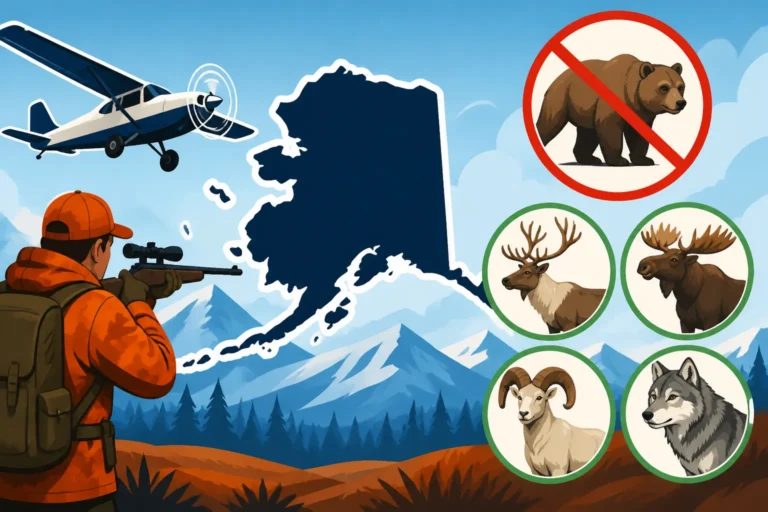
Navigating the ins and outs of Alaska's hunting and trapping regulations for wolves can feel like trying to solve a puzzle with half the pieces missing. Many folks get confused by the different season dates, bag limits, and legal methods, especially when you're trying to figure out if you're holding a rifle or setting a snare. This guide is here to untangle that confusion, walking you through the distinct worlds of wolf hunting and trapping in Alaska, so you can head into the field with confidence, knowing you're on the right side of the law and respecting the animal.
Understanding the Core Differences Between Hunting and Trapping Wolves
It’s easy to lump "hunting" and "trapping" into the same category when you’re talking about taking an animal, but in Alaska, they are two entirely separate disciplines, especially when it comes to wolves. The state meticulously defines each activity, dictating everything from required licenses to the specific methods you can employ, and crucially, the season dates. Ignoring these distinctions isn't just a minor oversight; it can lead to serious legal trouble and a lot of heartache in the field.
Think of it this way: hunting generally involves actively pursuing an animal with a firearm or bow, often requiring you to be physically present and engaged in the moment of the kill. Trapping, on the other hand, involves setting devices that capture an animal, which you then check at regular intervals. It’s a more passive, yet equally demanding, method that requires a completely different skillset and understanding of animal behavior and local regulations. Many hunters, myself included, have looked at the extensive seasons for wolves and thought about trying to expand their toolkit, only to find that the learning curve for trapping is steep, and the legal framework is unique. For anyone considering getting into wolf management, whether for sport or conservation, knowing these foundational differences is paramount.
Distinct Legal Frameworks and Licensing
One of the most immediate and impactful differences you'll encounter is the licensing structure. To legally hunt wolves in Alaska, you'll need a current Alaska hunting license and a free harvest ticket for wolves. This is pretty straightforward, similar to what's required for other big game species you might pursue. The hunting license grants you the privilege to pursue game with conventional hunting methods during established seasons. However, if you plan to set traps or snares for wolves, that hunting license won't cut it.
For trapping, you're required to purchase an Alaska trapping license. This is a separate license entirely, reflecting the specialized nature of the activity. It's not just a matter of different paperwork; it represents a commitment to understanding a different set of regulations, ethics, and practices. These licenses are more than just permits; they're legal acknowledgments of your intent and method. A good resource for understanding these different permits is the guide on Alaska Harvest Tickets, Registration Permits and Draw Permits. For non-residents, the cost of these licenses can vary significantly, so it’s wise to look into the Nonresident Hunting License Costs in Alaska well in advance. Many aspiring wolf hunters or trappers often get tripped up right at this first hurdle, assuming one license covers all bases, but that's simply not how it works in the Last Frontier.
Divergent Season Dates and Open Areas
Another critical distinction between hunting and trapping wolves lies in their respective season dates and the specific Game Management Units (GMUs) where these activities are permitted. While there can be some overlap, hunting seasons for wolves tend to be longer and may start earlier or end later than trapping seasons in many areas. For example, you might find wolf hunting open from August through March in some units, whereas trapping might run from November to March. These seasons are set by the Alaska Department of Fish and Game (ADF&G) and are designed to align with population management goals, furbearer prime times, and general hunting seasons for other species.
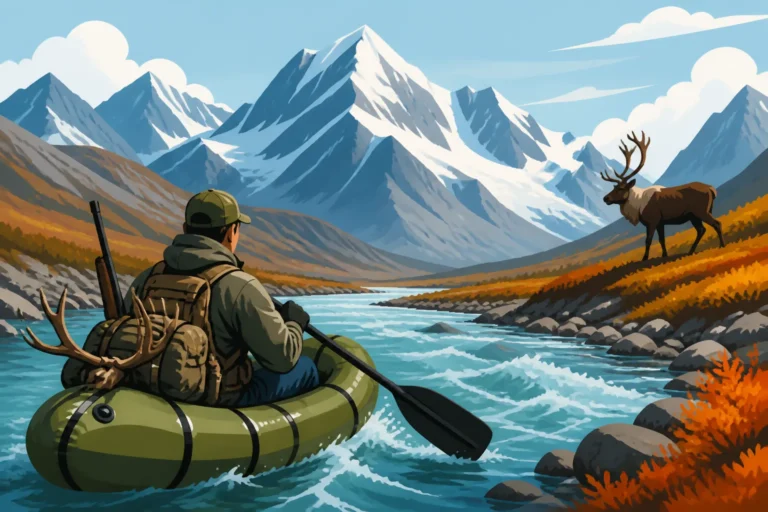
It's not uncommon for hunters to take a wolf incidentally during a moose or caribou hunt in the fall, which typically falls within the general wolf hunting season. Trappers, on the other hand, often target the winter months when wolf pelts are at their thickest and most valuable. The specific dates and open areas are incredibly granular and can change annually, or even within a season via emergency orders, so always, always consult the most current Alaska Hunting Regulations and Trapping Regulations booklets for the specific GMU you plan to operate in. Websites like GoHunt offer updated regulatory information that can be very helpful for planning. Knowing Alaska Hunting Seasons and Tag Rules Explained is fundamental to planning any hunting trip, and wolves are no exception to the rigorous checks required.
Wolf Hunting Seasons and Allowed Methods
When it comes to hunting wolves in Alaska, it often feels more like a strategic chess game than a simple pursuit. Hunters are bound by the general hunting regulations, which means actively pursuing the animal and making a clean kill with a legal firearm or bow. It’s a highly dynamic activity that relies on keen observation, understanding wolf behavior, and often, a bit of luck. The seasons for hunting wolves are generally quite generous across much of the state, often spanning many months, sometimes even year-round in certain areas, reflecting management objectives to maintain healthy prey populations.
The methods employed are largely conventional hunting techniques. This might mean calling them in, spotting them from a distance and stalking, or taking them as an opportunistic bonus while hunting other species. The thrill of calling in a wary wolf pack or intercepting one on a frozen riverbed is a unique experience. However, it requires patience, resilience, and a deep respect for an incredibly intelligent predator.
Common Hunting Methods for Wolves
Wolf hunting typically involves methods that directly engage the hunter with the animal. One of the most popular and effective strategies is calling. This can involve using electronic callers or mouth calls to mimic injured prey or wolf howls, drawing curious or territorial wolves into range. Imagine being out in the vast Alaskan wilderness, the air crisp and still, and then letting out a lonesome howl. The hairs on your neck stand up as a chorus of howls answers back, getting closer with each passing minute. This is the essence of predator calling for Alaska wolves. Knowing how to use various calls and when to deploy them can be the difference between an empty stand and a successful hunt.
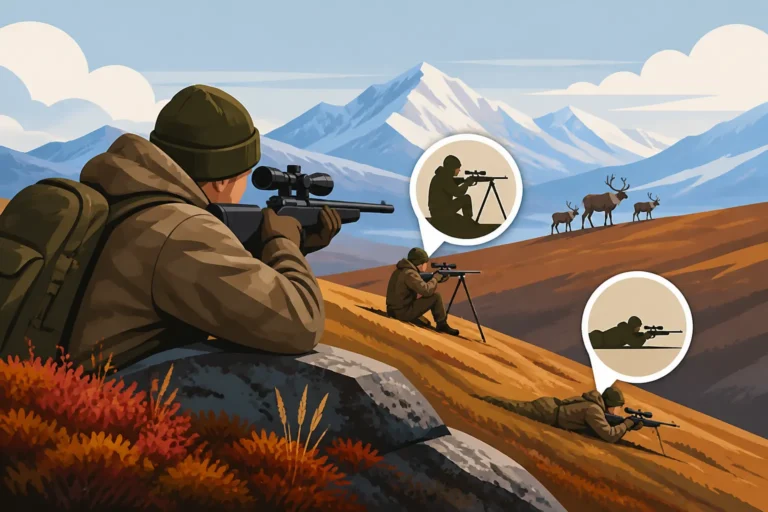
Another prevalent method is spotting and stalking. This often happens in open country, like the tundra or sparsely treed burns, where visibility is good. Hunters might spend hours glassing vast landscapes, searching for the tell-tale movement of a wolf pack or a lone individual. Once spotted, a careful stalk begins, using terrain and wind to close the distance without alerting the keen senses of the wolf. This takes immense patience and physical stamina, especially in Alaska’s challenging terrain. Sometimes, wolves are taken opportunistically. Many a hunter focused on Alaska Moose Hunting Tactics for the September Rut or chasing caribou has had a wolf appear, presenting an unexpected but welcome chance to fill another tag. In these scenarios, the wolf often presents itself as a byproduct of being in prime big game country.
Season Lengths and Bag Limits for Hunters
Alaska's wolf hunting seasons are remarkably long in many Game Management Units (GMUs), often extending from late summer (August or September) all the way through winter into March or April. In some specific GMUs, particularly those with high wolf densities or a strong need to reduce predation on vulnerable prey species like moose or caribou, the season might even be open year-round. This extended season reflects the state's recognition of wolves as an important part of the ecosystem, but also as a predator that can impact ungulate populations.
Bag limits for hunters can also be quite liberal, often allowing for multiple wolves per regulatory year. It's not uncommon to see bag limits of five, ten, or even unlimited wolves in certain GMUs. This allows hunters to contribute significantly to population management. However, always confirm the specific bag limits and season dates for your chosen GMU. Regulations can vary wildly from one GMU to the next. For instance, Unit 20A, known for its high moose populations, might have different wolf regulations than coastal Unit 1, where Sitka blacktail deer are the primary prey. Information on Wolf Pack Sizes in Interior Alaska and How Wolves Affect Moose Calf Survival often informs these regional bag limits and season structures. It’s critical to remember that while the seasons are long and limits can be high, success is far from guaranteed; wolves are notoriously difficult to hunt.
Wolf Trapping Seasons and Allowed Methods
Wolf trapping is a completely different animal, pun intended, compared to hunting. It requires a distinct set of skills, an understanding of scent, sign, and animal pathways, and a robust knowledge of regulations regarding trap types, placement, and checking intervals. Trapping is typically a winter endeavor in Alaska, for a couple of key reasons: the snow makes tracking and identifying travel routes easier, and more importantly, the wolf pelts are in their prime condition, thick and luxurious, making them more valuable.
Trappers need to be incredibly diligent, checking their trap lines regularly to ensure humane take and to prevent spoilage of the fur. It's a solitary pursuit that demands patience, resilience against the elements, and a deep respect for the animals being targeted. Many trappers view their activity as both a traditional pursuit and a valuable tool for wildlife management, helping to balance predator-prey dynamics in vast wilderness areas.
Legal Trapping Devices and Placement Regulations
The world of wolf trapping in Alaska is governed by strict rules regarding the types of devices you can use and where you can place them. Typically, foothold traps and snares are the primary tools of the trade. Body-gripping traps, like Conibears, are generally restricted for wolves due to their potential to catch non-target species or larger animals that might not be instantly killed. Foothold traps must meet certain jaw spread requirements, and snares have specific loop sizes, cable diameters, and breaking strengths. The goal is to ensure that captured animals are held humanely until the trapper can dispatch them.
Placement is also highly regulated. Traps and snares often have setback requirements from public roads, trails, and certain dwellings to ensure public safety and minimize the chance of catching domestic animals. For example, a snare might need to be set a certain distance from a designated snowmachine trail. Trappers must also mark their traps with their license number, a clear indication that trapping is a serious, regulated activity. This intricate web of rules is designed to promote ethical trapping practices and minimize conflicts. Always refer to the latest Alaska Trapping Regulations, which are separate from the hunting regulations, for precise details on legal devices and placement.
Optimal Season Timing for Trapping
Wolf trapping seasons in Alaska generally kick off later in the fall and extend through the winter, usually from November through March or April. This timing isn't arbitrary; it’s strategically chosen for several reasons. Firstly, as the ground freezes and snow blankets the landscape, wolves tend to travel more predictable routes, making it easier for trappers to identify prime locations for sets. Snow also makes it easier to spot tracks, interpret wolf movements, and keep an eye on trap sites.
Secondly, and perhaps most significantly for many trappers, the winter months are when wolf pelts reach their peak prime condition. The colder temperatures stimulate the growth of thicker, denser fur, which is highly sought after for its quality and value. Trapping a wolf in August would yield a thin, shedding pelt with little commercial or aesthetic value. Waiting for the deep cold ensures a beautiful, full prime fur. This focus on prime fur quality is a hallmark of responsible trapping and underscores the traditional aspect of furbearer management. Websites like GoHunt often highlight optimal trapping times in different regions based on historical weather patterns and fur primeness.
Navigating Regulations and Ethical Considerations
Whether you choose to hunt or trap wolves, the responsibility of understanding and adhering to Alaska's regulations rests squarely on your shoulders. Ignorance of the law is never an excuse, and the ADF&G takes wolf management very seriously. Beyond the written rules, there's also an unwritten code of ethics that successful and respected wolf hunters and trappers uphold. This includes maximizing meat salvage, ensuring quick and humane kills, and being a good ambassador for the sport.
The vastness of Alaska and the variation in regulations across its many Game Management Units (GMUs) means that thorough research is not just recommended, it's mandatory. What's legal in one unit might be strictly prohibited in another. This level of detail can be daunting, but resources are available, and a careful approach ensures a rewarding and lawful experience.
Specific Rules for GMU 20A and Other Critical Areas
Alaska's hunting and trapping regulations are often highly localized, with specific rules tailored to individual Game Management Units (GMUs). Take GMU 20A in Interior Alaska, for instance, which is renowned for its robust moose populations. Due to the significant impact wolf predation can have on moose calf survival in this area, wolf hunting and trapping regulations here might be more liberal than in other GMUs. This could mean longer seasons, higher bag limits, or even different methods allowed to help manage wolf numbers. Conversely, areas near urban centers or popular recreational trails might have more restrictive rules regarding trap setbacks or the use of firearms.
It's absolutely crucial to consult the ADF&G regulations booklet specific to the current regulatory year and for the specific GMU you intend to hunt or trap in. This information is often available online, and specific sites like GoHunt provide excellent summaries and tools to help hunters navigate these complex rules. For example, some units might have special registration requirements for wolf hunting or trapping, or specific reporting deadlines beyond the standard harvest ticket requirements. Understanding Alaska Game Management Units and How They Are Numbered is the first step in decoding these localized regulations.
Ethical Responsibilities for Hunters and Trappers
Beyond the letter of the law, ethical conduct is paramount in both wolf hunting and trapping. For hunters, this means striving for quick, humane kills and making every effort to recover the animal. Just like with any big game, Alaska Moose Meat Salvage Requirements apply to wolves, meaning you must salvage all edible meat from a wolf, if practical and depending on local regulations (check current rules, as regulations on wolf meat salvage can vary by specific unit). It also involves respecting private property, being mindful of other users of public lands, and understanding the role of wolves in the ecosystem. Hunters often feel a deep connection to the wild and part of that connection is respecting the animals they pursue.
For trappers, ethical responsibilities extend to checking trap lines frequently—usually every 24-72 hours, depending on regulations and weather—to prevent undue suffering for captured animals and to ensure high fur quality. It also means using appropriate, well-maintained equipment, placing traps to minimize the capture of non-target species, and dispatching animals humanely. Trappers often contribute valuable data to wildlife management, and their responsible practices are essential for the public perception and future of trapping. Both hunters and trappers share the responsibility of promoting a positive image of their activities, adhering to safety protocols, and ensuring the long-term health of Alaska’s wolf populations. Remember, the way we conduct ourselves in the field reflects on all hunters and trappers.
Comparative Overview: Hunting vs. Trapping Wolves
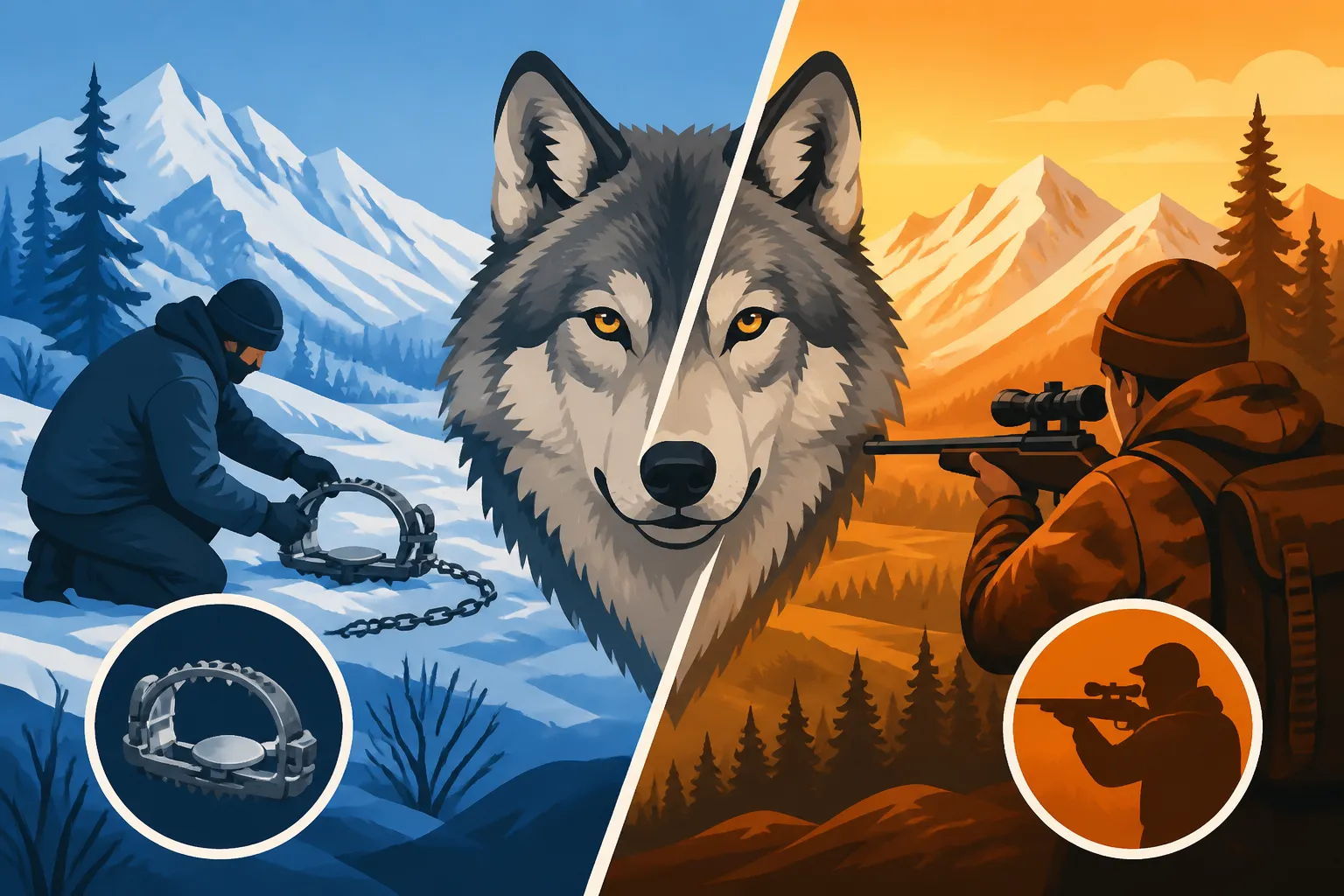
To help clarify the distinctions, let's look at a comparative overview of wolf hunting and trapping in Alaska. This table highlights the primary differences across various key aspects, giving you a quick reference point for what to expect from each discipline.
| Feature | Wolf Hunting | Wolf Trapping |
|---|---|---|
| Primary Intent | Sport, population management, opportunistic take during other hunts | Furbearer harvest (pelts), population management |
| Required License | Alaska Hunting License + Free Wolf Harvest Ticket | Alaska Trapping License |
| Typical Seasons | Long, often August/September through March/April; sometimes year-round in certain GMUs | Primarily winter, often November through March/April |
| Methods | Calling (howls, distress), spot & stalk, incidental take, stand hunting (over bait, where legal) | Foothold traps, snares; requires regular checking and specific placement rules |
| Equipment | Firearm, bow, optics, calls, camouflage | Traps, snares, specialized tools for setting and checking, snowshoes/snowmachine for access |
| Bag Limits | Often liberal (e.g., 5-10 per year), unlimited in some GMUs | Typically unlimited |
| Skill Set | Patience, tracking, shooting proficiency, understanding wolf behavior/vocalizations | Patience, knowledge of trap types, scent, sign, animal travel routes, weather resilience |
| Primary Challenge | Locating wary wolves, closing distance, making a clean shot | Setting effective traps, consistent checking, dealing with weather and non-target animals |
| Trophy/Harvest | Skull, hide, edible meat (where salvage is required/practical) | Prime winter pelt (fur value), skull, edible meat (where salvage is required/practical) |
This comparison underscores that while both activities involve taking wolves, they are fundamentally distinct in their approach, required permits, and execution. Each demands a specific set of skills, a different mindset, and a thorough understanding of their respective regulations.
Conclusion: Choosing Your Path in Alaska's Wolf Management
Ultimately, the choice between hunting and trapping wolves in Alaska comes down to your personal interests, skillset, and how you want to engage with these incredible animals. Both hunting and trapping play vital roles in Alaska's wildlife management, helping to balance predator and prey populations and offering unique challenges and rewards to those who participate. Whether you're drawn to the thrill of calling in a pack during the crisp fall or the quiet, strategic challenge of running a trap line through a snowy winter, understanding the clear distinctions between these two methods is your first, most important step.
Remember, responsible participation in either activity means a deep commitment to learning the regulations, ethical practices, and the natural history of wolves. It's not just about the harvest; it's about the experience, the respect for the animal, and upholding the integrity of Alaska's hunting and trapping heritage. So, read those regulations, talk to experienced hunters and trappers, and prepare yourself for an adventure into the wild world of Alaska's wolves.
Disclaimer
Please remember that hunting and trapping regulations in Alaska are subject to change. Always consult the most current Alaska Department of Fish and Game (ADF&G) hunting and trapping regulations manuals and emergency orders before planning or undertaking any hunting or trapping activity. This guide provides general information and should not be considered a substitute for official regulatory documents.