Alaska Moose Meat Salvage Requirements
You’ve just dropped a magnificent bull moose, and the adrenaline is still coursing through your veins. That initial rush of triumph is unforgettable, but the real work—and the real responsibility—is just beginning. Many hunters, especially those new to Alaska, underestimate the absolute gravity of meat salvage requirements here. It’s not just about getting the prime cuts out; it's about honoring the animal and avoiding severe legal consequences that can tarnish an otherwise incredible hunt. This guide is dedicated to demystifying Alaska's moose meat salvage laws, ensuring you approach your harvest with the knowledge and respect it deserves.
What Exactly is "Edible Meat" in Alaska?
When you’re standing over a downed moose in the vast Alaskan wilderness, it's easy to get tunnel vision, thinking only about the prized backstraps and hindquarters. But the state of Alaska’s definition of "edible meat" is far more comprehensive, and failing to understand this can quickly land you in hot water. The law is designed to prevent waste and ensure that as much usable meat as possible from a harvested animal is utilized. This isn't just a suggestion; it's a legal obligation with serious implications.
Defining Salvageable Cuts
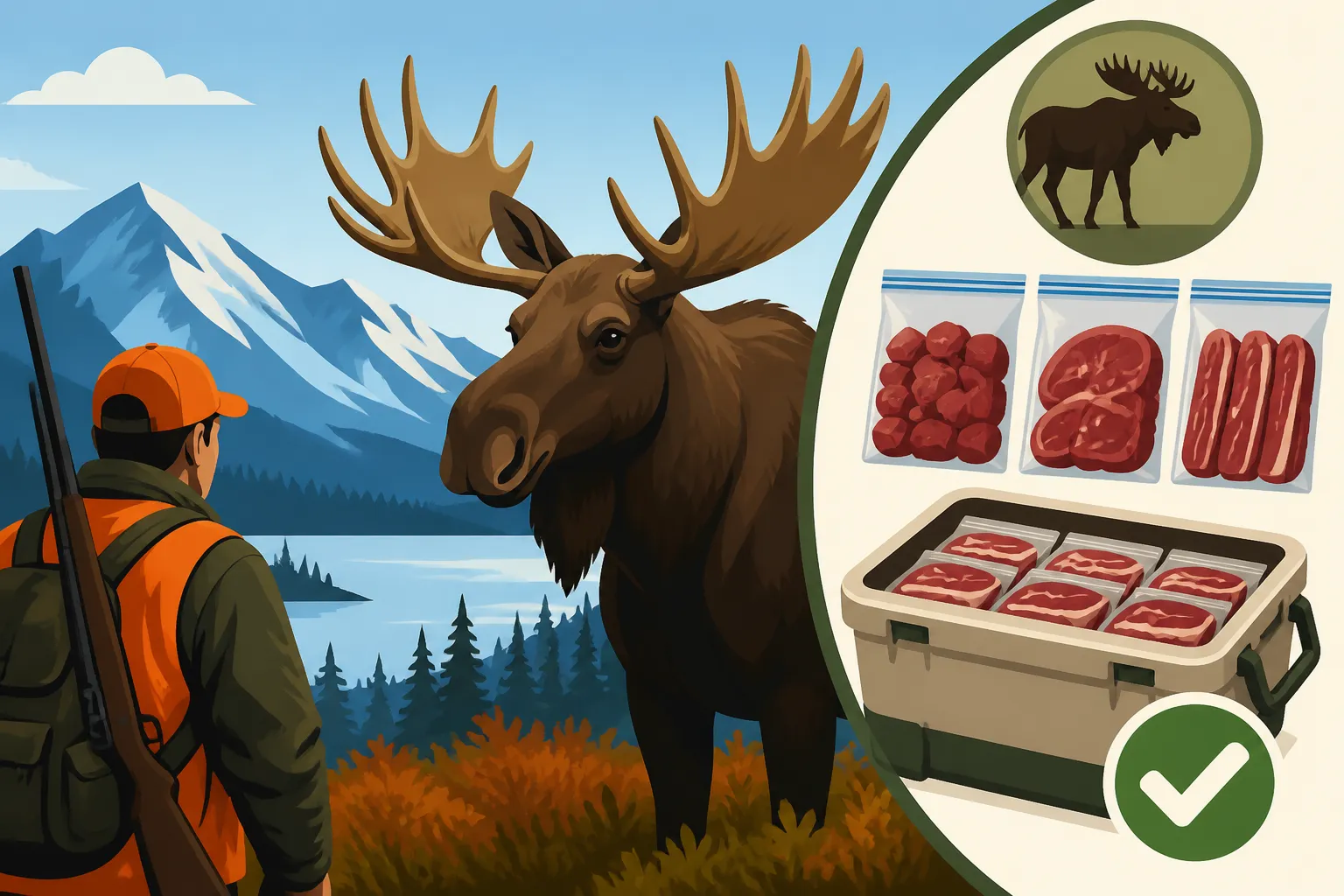
In Alaska, "edible meat" isn't limited to the premium cuts you might envision for steaks and roasts. The regulations are quite explicit, demanding that all skeletal meat be salvaged. This means every bit of muscle tissue that can reasonably be removed from the bones must be taken. Think about it this way: if it’s meat, and it’s attached to the skeleton, you’re generally expected to salvage it. This includes, but isn't limited to, the backstraps, all four quarters (often broken down into smaller pieces), neck meat, brisket, rib meat, and even the tenderloins that lie along the inside of the spine.
Many hunters are surprised by the expectation to remove the neck and rib meat, which can be laborious, especially on a large bull. However, these areas contain a significant amount of palatable meat perfect for grinding, stews, or slow cooking. The intention behind these rules is clear: minimize waste from a valuable resource. It's a stark contrast to some other hunting jurisdictions where only specific prime cuts might be required. For a deeper dive into the specifics, it's worth understanding Which Cuts Count as Edible Meat in Alaska. Additionally, focusing on Salvaging Ribs and Neck on an Alaska Bull is key to staying compliant and making the most of your harvest.
The "Reasonable Effort" Standard
Alaska Statute Title 5, Fish and Game, specifically addresses the prevention of wanton waste, defining it as failing to salvage edible meat. But what exactly constitutes a "reasonable effort" to salvage all edible meat? This is where things can get a little nuanced, as it's not always black and white. Factors like terrain, weather conditions, distance from transport, and even the presence of bears can influence what is deemed "reasonable."
For instance, if you're in a deep, mosquito-infested swamp 10 miles from the nearest pick-up point, and a sudden warm spell hits, the speed and efficiency with which you can process and cool the meat become paramount. However, this doesn't excuse abandoning large portions of the animal. The expectation is that you plan accordingly, bringing adequate game bags, tarps, and perhaps even a portable meat hoist, to handle the animal responsibly. A "reasonable effort" implies proactive planning and diligent execution, not just doing what's easy. It's about demonstrating a genuine commitment to utilizing the animal you've taken, even when conditions are challenging. Your preparation, including understanding how to manage Meat Care in 50-Degree September Weather, directly reflects your "reasonable effort."
The Harsh Reality of Wanton Waste Penalties
The term "wanton waste" in Alaska isn't just a regulatory phrase; it's a serious charge that carries significant penalties. Hunters who disregard the strict meat salvage laws aren't just facing a slap on the wrist; they could be looking at hefty fines, forfeiture of their harvested animal, loss of hunting privileges, and even jail time. It’s a grim prospect that underscores the state’s unwavering commitment to ethical hunting practices and the conservation of its precious wildlife resources.
Understanding the Law and Its Intent
The core intent of Alaska's wanton waste laws is deeply rooted in the principle of conservation and respect for the game animal. When a hunter takes a life, there is an inherent ethical obligation to utilize that animal to the fullest extent possible. The law translates this ethical obligation into a legal one, preventing individuals from treating wildlife as mere trophies to be discarded after the antlers or hide are removed. This ensures that the resource benefits both humans and, through ethical practices, the ecosystem as a whole.
For many Alaskans, hunting isn't just a sport; it's a vital part of their subsistence and a tradition passed down through generations. Wasting meat is seen as an affront to these values and to the resource itself. The regulations serve as a deterrent, reinforcing that hunting is a privilege, not a right, and that privilege comes with profound responsibilities. You can learn more about the specifics by looking into Wanton Waste Penalties in Alaska.
Real-World Consequences
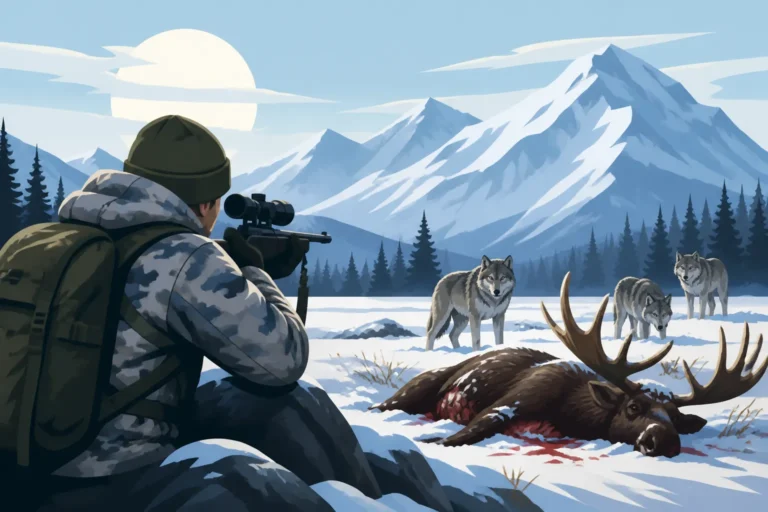
Let's not sugarcoat it: a wanton waste citation in Alaska is a black mark that can follow a hunter for years. Imagine this scenario: you've successfully harvested a moose, but due to poor planning or underestimating the effort involved, you leave a significant amount of rib or neck meat in the field. A wildlife trooper on patrol could discover it, or another hunter might report it. The investigation would typically involve examining the kill site, assessing the amount of edible meat left behind, and potentially interviewing witnesses.
If found guilty, the immediate consequence would likely be a substantial fine, possibly running into thousands of dollars. Beyond that, your hunting license and tags could be revoked for a period, meaning no hunting in Alaska for years. The harvested animal, if still retrievable, would be confiscated. For non-residents, this can be even more devastating, potentially impacting future hunting opportunities across the country or even internationally, as wildlife violations can be shared across state lines. The reputation damage within the hunting community can also be significant. Resources like GoHunt often publish articles and forum discussions about these regulations, serving as a reminder of the need for thorough preparation and adherence to the rules. It’s a harsh lesson, but one designed to protect the integrity of hunting in Alaska.
Practical Steps for Proper Moose Meat Salvage
Successfully salvaging a moose in the field is a monumental task, especially if you're alone or inexperienced. It requires physical stamina, the right tools, and a methodical approach. The goal is to get the meat off the animal, cleaned, and cooled as quickly as possible to prevent spoilage and satisfy legal requirements. This is where preparation truly pays off.
Field Dressing and Quartering in the Field
The moment your moose is down, time becomes your enemy. The faster you can begin the field dressing and quartering process, the better. Start by field dressing the animal to remove the guts, which immediately helps with cooling the carcass. For a moose, this is a massive undertaking. Once gutted, you'll need to begin breaking down the animal into manageable pieces. This usually means skinning and then removing the four quarters, followed by the backstraps and tenderloins. The neck meat and rib meat are often overlooked but are legally required to be salvaged.
Breaking down a large bull moose, which can weigh over 1,500 pounds, by yourself is incredibly challenging. Having a hunting partner, or two, makes this task much more feasible. Be prepared with a sharp knife, a honing steel, a small saw, and a good game bag system. The goal is to get the meat off the bone as cleanly as possible and separated from hair and dirt. If you're tackling this solo, an excellent resource to study beforehand is Quartering a Bull Moose Alone in the Field, which provides detailed techniques for managing such a large animal efficiently.
Protecting Your Harvest: Cooling and Caching
Once the meat is off the bone, the next critical step is to cool it down as rapidly as possible. In Alaska's often mild September temperatures, spoilage can occur quickly. Get the meat into breathable game bags immediately. Quality game bags are crucial; avoid plastic tarps or bags that trap heat and moisture, which accelerate bacterial growth. Hang the game bags from trees or poles, allowing air to circulate freely around them. This airflow is vital for cooling.
However, hanging meat in the bush comes with another significant challenge: bears. You are now essentially advertising a fresh meal to every bear in the vicinity. You need a robust strategy to protect your meat cache. This might involve hanging it high, stringing up an electric bear fence, or simply staying vigilant and rotating watch duties if you have partners. Regularly checking on your meat, especially in warmer weather, is also key. For specific strategies on preventing spoilage, consider reading Cooling a Carcass Before the Flies Find It. To ensure your efforts aren't undone by wildlife, learning about Hanging Meat Out of Bear Reach and strict Bear Safety While Butchering a Kill in Alaska are non-negotiable aspects of a successful hunt. GoHunt's gear guides often feature highly-rated game bags that can make a huge difference in preserving your meat, particularly those made with breathable materials designed for Game Bags That Breathe in Coastal Rain.
| Edible Meat Cut | Salvage Requirement | Common Use/Consideration |
|---|---|---|
| Backstraps | Required | Prized for steaks, roasts. |
| Tenderloins | Required | Delicate cuts, best grilled or pan-fried. |
| All Four Quarters | Required | Steaks, roasts, stew meat, grind. Break down from bone. |
| Neck Meat | Required | Excellent for grind, stew, slow cooking. Often underestimated. |
| Rib Meat | Required | Grind, stew, BBQ ribs (if enough meat). Labor-intensive to remove. |
| Brisket | Required | Grind, stew, slow cooking. |
| Organs (Heart, Liver, Kidneys) | Recommended/Optional* | Highly nutritious, often consumed fresh. Check specific regs. |
| Fat (excess) | Not Required | Render for cooking, or leave. Bears love it. |
| Bone/Cartilage | Not Required | Left in field (except skull plate for trophy). |
Note: While organs are highly edible and nutritious, regulations often focus on skeletal muscle. It is always best practice to salvage what you reasonably can and verify specific regional requirements.
Beyond the Field: Transporting and Caring for Your Harvest
Getting the meat processed and ready for the freezer is the final leg of your meat salvage journey. This stage is often physically demanding and logistically complex, especially when hunting deep in the Alaskan backcountry. The care you take during transport can make all the difference in the final quality of your table fare.
Moving Meat from Remote Camps
Once the meat is cooled and secured in game bags, the real heavy lifting begins: getting it out of the field. This can involve a variety of methods, each with its own challenges. If you're on a float hunt, loading a massive bull moose into a raft requires careful planning and immense effort. It’s a delicate balance of distributing weight and ensuring stability in often swift currents. For those utilizing this method, a thorough understanding of Loading a Bull Moose Into a Raft is absolutely essential to prevent capsizing or damaging your precious cargo.
For hunters using ATVs, especially off a road system like the Denali Highway, the focus shifts to carefully strapping multiple heavy loads onto trailers or racks. The terrain can be rough, and securing the meat properly to prevent loss or contamination is crucial. You’ll also be racing against daylight and potential weather changes, making efficient packing and multiple trips a common necessity. Learning the best practices for Riding Out Meat Before Dark can save you from a cold, late night or worse. Backpack hunters face the most grueling challenge, often making multiple trips under immense loads, sometimes covering many miles over uneven terrain. This requires significant physical fitness and mental fortitude. No matter the method, planning for the extraction of your meat is as important as the hunt itself.
Final Processing and Storage Considerations
Once the meat makes it out of the field, the journey isn't over. You need to ensure it's properly processed and stored for long-term enjoyment. For many, this means a trip to a professional butcher shop. Alaska has many excellent processors that specialize in wild game, understanding how to handle large quantities of meat and prepare it to your specifications (steaks, roasts, grind, sausage). They can also vacuum seal and freeze the meat, which is critical for preserving quality.
If you opt to process the meat yourself, you’ll need a dedicated workspace, proper tools, and plenty of freezer space. Maintain strict hygiene throughout the process to prevent contamination. Quickly cutting, packaging, and freezing the meat is key to locking in freshness and preventing freezer burn. Some hunters choose to age their meat for a few days in a controlled, cool environment before processing, which can tenderize it, but this requires specific conditions to avoid spoilage. Whether you choose professional processing or DIY, the ultimate goal is to transform your field-salvaged moose into delicious, wholesome meals that will feed you and your family for months, serving as a constant reminder of your successful and ethical hunt. Many GoHunt users share their favorite processing tips and recipes on their forums, making it a great place to gather advice for this final stage.
Disclaimer
Please note: The information provided in this guide is for general informational purposes only and does not constitute legal advice. Hunting regulations in Alaska are complex and subject to change. It is the sole responsibility of every hunter to consult the most current Alaska Department of Fish and Game (ADF&G) regulations and local ordinances for the specific hunting unit and species they intend to hunt before going into the field. Failure to do so can result in citations, fines, and forfeiture of hunting privileges.