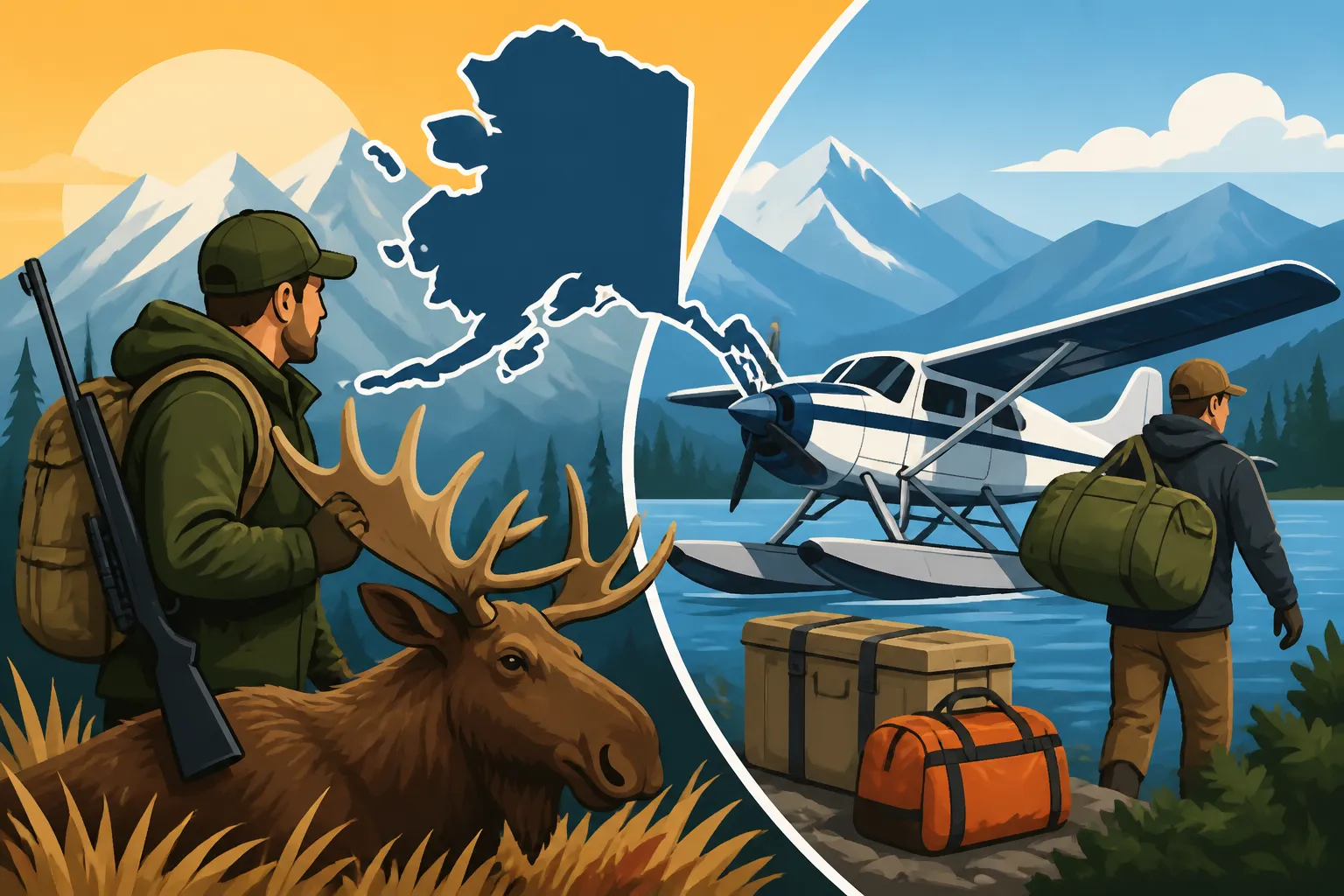
Alaska Transporters and What They Legally Provide
Planning an Alaska hunt can feel like navigating a legal labyrinth, especially when you start looking at the difference between hiring a registered guide and opting for a simpler transporter service. Many hunters, particularly those new to the Last Frontier, get these two crucial roles confused, which can lead to frustrating misunderstandings, wasted money, or even serious legal issues in the field. This comprehensive guide aims to cut through that confusion, clearly outlining what an Alaska transporter legally provides, what their limitations are, and how you can best utilize their services for a successful, self-guided adventure in the Alaskan wilderness.
The Critical Difference: Transporter vs. Guide
Let's get right to the heart of the matter. In Alaska, the distinction between a "transporter" and a "registered guide-outfitter" isn't just a matter of semantics; it's a difference enforced by strict state law, deeply impacting what services they can legally offer you in the field. Misunderstanding this can turn your dream hunt into a nightmare of regulatory violations.
What an Alaska Registered Guide-Outfitter Legally Does
When you hire a fully licensed and registered Alaska Guide-Outfitter, you're investing in a comprehensive, full-service hunting experience. These professionals are licensed and insured to provide direct hunting assistance. This means they can accompany you into the field, make hunting decisions with you, advise you on game movement, glass for animals, help call them in, track wounded game, assist with field dressing, and even help you pack out meat and trophies. They are actively involved in the pursuit and taking of game. They essentially take on a significant portion of the planning and execution responsibilities of the hunt, from camp setup to ensuring you adhere to local regulations and ethical practices. Their expertise and hands-on involvement are what many hunters seek, especially for species like brown bear, Dall sheep, or mountain goat, where nonresidents are required by law to have a guide or hunt with a close relative. A guide acts as your boots on the ground, making real-time decisions, sharing their deep knowledge of the area and its wildlife, and significantly increasing your odds of success and safety. The relationship is one of direct mentorship and assistance. To understand the full scope, you can delve into What an Alaska Registered Guide-Outfitter May Contract For.
The Strict Limitations of an Alaska Transporter
In stark contrast, an Alaska transporter operates under much more restrictive legal boundaries. Think of them primarily as a taxi service for the wilderness. Their role is purely logistical: to move you, your gear, and your harvested game from point A to point B. This means they can fly you in a fixed-wing plane or floatplane, or transport you by boat, ATV, or snowmachine to a remote hunting area. They can also pick you up from that remote location and transport any legal game you've harvested. That's it. Crucially, they are legally prohibited from providing any services that could be construed as "direct hunting assistance." This includes, but is not limited to, spotting game from the air or ground and pointing it out to you once on the ground, calling game, tracking game, providing hunting advice, furnishing equipment for the actual hunt (like firearms or optics), or making any decisions related to the actual pursuit or taking of game. Their primary responsibility is your safe and timely transportation, and they are forbidden from influencing your hunting choices or actions in any way. The line is very clear: they move people and things; they do not help you hunt. If you're wondering about the fine print, the article Alaska Transporter Services Versus Guide Services offers more detail on these distinctions.
Services a Transporter Can (and Cannot) Provide
Navigating the Alaskan wilderness, especially for a self-guided hunt, often hinges on reliable transportation. Transporters are absolutely essential for reaching many of the state's prime hunting grounds that are inaccessible by road. But it’s vital to know precisely what services you can expect and, more importantly, what you cannot.
Legal Transportation of Hunters and Gear
The bread and butter of an Alaska transporter is, quite simply, moving you and your equipment. This most commonly involves air taxi services, utilizing aircraft like Cessnas on wheels or floats, or even larger planes depending on your group size and gear volume. You’ll be flown from a base camp or small airstrip directly into your chosen hunting area, often landing on a remote lake, gravel bar, or tundra strip. These flights are how many hunters access the vast interior and countless roadless areas of Alaska. When booking, expect discussions about weight limits, as every pound counts on a bush plane. Overweight charges are common, so packing strategically is key. Similarly, boat charters can transport hunters along coastal areas, across large lakes, or up navigable rivers, providing access to areas like the Southeast islands or river drainages further inland. It's all about getting you where you need to be, safe and sound, so you can begin your unguided adventure. Knowing Alaska Air Taxi Hourly Rate and Round-Trip Cost is a good first step in planning your budget.
Field Pick-ups of Meat and Trophies
One of the most critical functions a transporter provides, and often one that brings immense relief to a successful hunter, is the pick-up of your harvested game. Imagine you've just taken down a bull moose deep in the wilderness. Now what? You quarter the animal, hang the meat to cool, and then contact your transporter for extraction. They will fly or boat back into your location specifically to retrieve the meat and trophy, often requiring multiple trips if it's a large animal like a moose or brown bear, which can be immensely heavy. This logistical support is invaluable, as packing out hundreds of pounds of meat across rough terrain is a monumental task that most hunters cannot accomplish alone. However, remember the "no assistance" rule still applies: the transporter will not help you quarter the animal or drag it to the pickup spot; that's entirely your responsibility as the hunter. Be prepared for the possibility of Second Trip Charges for Meat Hauling if your kill is particularly large or far from the landing zone.
Camp Supplies and Emergency Runs
While the primary mission is transportation, transporters can also serve as a lifeline for camp resupplies or, in critical situations, emergency support. If your hunt extends longer than anticipated, or if you simply run out of a crucial item like fuel or specialized food, a transporter might be able to fly in a resupply for an additional fee. This is less common on shorter trips but can be a godsend for extended wilderness forays. More importantly, in the event of a medical emergency or a critical gear failure that compromises safety, transporters play a vital role in evacuation. While they aren't emergency medical personnel, they are typically the quickest way to get a seriously injured or ill hunter to professional medical care. Having a clear communication plan and understanding their emergency protocols is non-negotiable for any self-guided hunt. Planning for this possibility, and understanding Emergency Evacuation Plans in Remote Alaska, is part of being a responsible hunter.
Where Transporters Draw the Line: Prohibited Activities
This is where many hunters, especially those new to Alaska, can unknowingly fall into legal trouble. A transporter cannot provide any service that directly aids in the hunting process. This means:
- No spotting game: They cannot fly you over an area, spot an animal, and then land you close to it. Even after landing, they cannot point out game they might see from their aircraft or boat. Spotting Game From a Plane Before You Land is specifically prohibited and would constitute a "same-day-airborne" violation if it led to a hunt.
- No calling or tracking: They cannot use game calls, track wounded animals, or help you locate game you've shot.
- No hunting advice: They cannot tell you where to hunt, suggest tactics, or advise you on legal animals. They cannot help you field judge an animal, for example, telling you if a moose meets antler restrictions or if a ram is full curl.
- No providing hunting equipment: They cannot supply firearms, ammunition, optics, or other tools directly used for hunting.
- No field dressing or packing assistance: While they will pick up your harvested game, they cannot physically help you quarter the animal, drag it to the pickup point, or perform any taxidermy-related field care.
- No camp setup beyond dropping gear: They can drop your gear off at a designated spot, but they won't set up your tent, build a fire, or prepare your camp for you.
Their involvement begins and ends with transportation. Hunters must be entirely self-sufficient in all aspects of the actual hunt.
Understanding Drop Camps: The Transporter's Specialty
For many experienced hunters seeking an unguided adventure in Alaska, the "drop camp" is the go-to option, and it's where transporters truly shine. This method allows you to access remote, unpressured areas, offering a true wilderness experience without the higher cost of a fully guided hunt.
What Exactly is a Drop Camp Hunt?
A drop camp hunt is essentially a self-guided expedition where a transporter provides the crucial logistical link. You arrange for an air taxi or boat charter to fly or boat you and your gear into a pre-determined remote location, often a lake, gravel bar, or tundra strip. This spot becomes your base camp, typically for a week to ten days, though it can be longer. From there, you are entirely on your own for the duration of the hunt. You're responsible for all aspects: navigating, scouting, hunting, field dressing, meat care, cooking, and ensuring your own safety. When your agreed-upon pick-up date arrives, the transporter returns to retrieve you, your gear, and hopefully, your harvested game. It's a fantastic way to immerse yourself in the Alaskan wilderness and test your skills as a hunter and outdoorsman. The core appeal is the self-reliance and the opportunity to hunt vast, untouched landscapes on your own terms. For a clearer picture of the financial commitment, it helps to review Alaska Drop Camp Versus Fully Guided Costs.
Planning Your Drop Camp with a Transporter
Successful drop camp hunts are built on meticulous planning, and clear communication with your transporter is paramount. Before you ever set foot on the plane, you need to establish a detailed itinerary. This includes your exact drop-off and pick-up dates and times, your designated hunting area (often identified by GPS coordinates or specific landmarks), and a comprehensive list of all your gear, including estimated weights. You'll need to discuss contingency plans for bad weather delays, potential changes to your pick-up location if you move camp, and emergency communication protocols. Many transporters offer "drop camp packages" that might include a tent, stove, and some basic camp furniture, but remember, the actual hunting equipment and all food are your responsibility. You'll also need to have a very realistic understanding of your physical capabilities and hunting skills, as there will be no guide to bail you out of a tough situation. Your transporter isn't there to advise you on hunting strategy, so all your scouting, game plan, and regulatory knowledge must come from your own research and experience. What an Alaska Drop Camp Package Includes will vary, so scrutinize these details carefully.
Potential Challenges and Risks in a Drop Camp
While incredibly rewarding, drop camp hunts come with inherent challenges and risks that every participant must be prepared for. The most common hurdle is weather. Alaska's weather is notoriously unpredictable and can change in an instant, leading to flight delays or cancellations. This could mean you're dropped off late, or worse, picked up late, extending your stay in the wilderness unexpectedly. You must pack extra food and fuel for at least two to three extra days, just in case. Another major risk is self-reliance in emergencies. If someone in your party gets injured, you are the first responder. Bear encounters are a constant possibility in much of Alaska, and you need to be proficient in bear safety and defense without a guide backing you up. Navigation errors can lead to being lost, and equipment failures can leave you vulnerable. There's no one to make the tough decisions for you when things go sideways. This level of self-sufficiency requires advanced outdoor skills, excellent physical conditioning, and a calm demeanor under pressure. Understanding What Happens if Weather Traps You in Camp is not just theoretical; it's a very real possibility.
Cost Considerations for Transporter Services
Alaska is not a cheap place to hunt, and transportation costs can be a significant portion of your overall budget, especially for remote fly-in hunts. Understanding the pricing structure of transporters is key to avoiding sticker shock and planning a realistic adventure.
Factors Influencing Transporter Pricing
Several key factors determine the cost of an Alaska transporter service. First and foremost is the type of aircraft or boat used. Larger planes or specialized boats that can carry more weight or operate in specific conditions (like shallow rivers) often come with a higher price tag. The distance to your drop-off and pick-up location is another major driver; the farther into the bush you go, the more fuel and flight time are consumed. This isn't just a straight line on a map; the pilot has to consider weather, wind, and landing conditions. Many transporters charge by the hour of flight time, which includes "deadhead" time—the time the plane flies without you on board, often to get to your pickup point or return to base after dropping you off. The amount of gear and number of hunters also plays a role, as more weight might necessitate multiple trips or a larger, more expensive aircraft. Some transporters offer flat rates for popular routes, while others provide a per-mile or per-hour quote. Always clarify what's included in the price. Websites like BookYourHunt or GoHunt sometimes feature listings that allow you to compare various transporter options and get a feel for the shape of the cost, though you'll always need to contact the actual provider for current figures. For a deeper dive into how this all works, check out How Air Taxi Pricing Works in Alaska.
Budgeting for Unexpected Costs
Even with a detailed quote, it's wise to budget for the unexpected when using a transporter in Alaska. The most common unforeseen expense is related to weather delays. If a storm rolls in and prevents the pilot from flying for a day or two, you might incur additional charges for the delayed pickup, or the pilot might need to stage in a different location, increasing their operational costs, which could be passed on to you. It's crucial to clarify who bears the cost of these "weather days" in your contract. Another common added expense is for extra pick-ups, especially if you harvest a very large animal like a moose. A single plane might not be able to carry all the meat and your entire camp in one go, necessitating a second trip. Overweight luggage can also lead to additional fees. Beyond transportation, remember to factor in potential costs for emergency supplies, unforeseen gear repairs, or even temporary lodging if your flights are delayed coming into or out of Alaska. Always pad your budget with at least 15-20% for these kinds of contingencies. It's truly better to have it and not need it than to need it and not have it. The guide on Weather Days and Who Pays for Them provides more insights into managing these uncertainties.
Comparing Transporter Costs to Guided Hunts
Generally speaking, a transporter-assisted drop camp hunt will be significantly less expensive than a fully guided hunt. A guided hunt includes the expertise of a professional guide, camp services, and often a higher success rate, but it comes at a premium. Transporter services, on the other hand, strip away all direct hunting assistance, leaving you to manage every aspect of the hunt yourself. This reduction in services directly translates to lower costs. For example, a multi-day guided brown bear hunt could cost many thousands of dollars, whereas a transporter to a remote black bear hunting spot might be a fraction of that. However, this cost saving comes with increased responsibility and risk. Unguided hunters need to be highly skilled, experienced, and self-sufficient. For species that require a guide for nonresidents (brown bear, Dall sheep, mountain goat, muskox), a transporter alone is not a legal option unless you are hunting with a second-degree relative. For species like moose, caribou, or black bear, using a transporter for a self-guided hunt offers a much more affordable path to the Alaskan backcountry.
Choosing and Vetting an Alaska Transporter
Selecting the right transporter for your Alaska hunt is just as critical as choosing your rifle or your boots. A reliable, professional transporter can make or break your trip, not just in terms of success, but safety.
Researching Reputable Air Taxis and Boat Charters
Start your research early, ideally a year or more in advance, especially for prime hunting seasons. Begin by looking for air taxi and boat charter operators who specialize in serving hunters in the specific game management unit (GMU) or region you plan to hunt. Online forums, hunting publications, and review sites are good starting points. Look for transporters with a long-standing presence and a strong safety record. It's not uncommon for hunters to share experiences and recommendations, so leverage those networks. Websites like GoHunt or BookYourHunt often feature listings or reviews of various air taxi and boat services, providing a good initial filter. Pay attention to the types of aircraft or boats they operate; different planes are suited for different terrain (e.g., floats for lakes, tundra tires for rough strips). Ask for references from past hunting clients—and actually call them. Ask about punctuality, communication, the condition of their equipment, and how they handled any unforeseen issues. A good reputation often means a safer and more reliable experience.
Key Questions to Ask Before Booking
Once you've narrowed down your choices, prepare a comprehensive list of questions to ask prospective transporters. Don't be shy; this is your safety and hunt success on the line.
- Experience in the specific area: How familiar are they with your intended drop-off location and the surrounding terrain? Have they flown hunters in and out of that specific area before?
- Safety record and maintenance: What is their safety record? How often are their aircraft/boats maintained, and by whom? Are they certified?
- Communication protocols: What is the procedure for check-ins from camp (e.g., satellite phone, inReach, SPOT)? How often do they expect to hear from you? What's the protocol if they don't hear from you? This is vital for Radio or Satellite Check-Ins With a Pilot.
- Emergency procedures: What is their plan for a medical emergency? What if you need an early pickup due to injury or equipment failure?
- Weight limits and extra charges: Get explicit details on per-person or per-flight weight limits. What are the charges for overweight gear? What's the policy for extra flights for meat and trophies?
- Weather delays: What is their policy if weather delays your drop-off or pickup? Who covers the costs for extended stays?
- Fuel caches (if applicable): For very remote or extended hunts, some transporters might cache fuel, but this comes with its own considerations and costs.
- Payment terms and cancellation policy: Understand the deposit requirements, payment schedule, and what happens if you need to cancel your hunt for any reason.
Understanding Contracts and Agreements
Never, ever book a transporter service without a clear, written contract. This document is your protection and should explicitly detail every aspect of the service you are paying for.
Your contract should clearly state:
- Dates and locations: Exact drop-off and pick-up dates, times (even if approximate due to weather), and precise geographical coordinates or descriptions of your hunting area.
- Services rendered: A detailed list of what the transporter will provide (e.g., transportation for X hunters and Y pounds of gear, one round trip, etc.).
- Pricing: The total cost, itemized breakdown of services, and any potential extra fees (e.g., overweight, additional trips, weather delays).
- Payment schedule: When deposits are due, final payments, and acceptable payment methods.
- Cancellation and refund policy: What happens if you cancel, or if the transporter cancels (e.g., mechanical issues, unforeseen circumstances).
- Liability waivers: Understand what you are signing regarding risks and responsibilities.
- Emergency contacts and protocols: Clear information on how you will communicate and what actions will be taken in an emergency.
Read every line, ask questions about anything unclear, and ensure you have a signed copy. A professional transporter will have a clear, easy-to-understand contract.
Legal & Ethical Considerations for Transporter Users
Hunting in Alaska means accepting a higher level of personal responsibility, especially when utilizing transporter services. The legal and ethical onus falls squarely on the hunter, and ignorance of the law is never an excuse.
Hunter's Responsibility for Regulations
When you opt for a transporter-assisted, self-guided hunt, you become the sole interpreter and enforcer of all hunting regulations for your party. The transporter is not there to advise you on bag limits, season dates, antler restrictions, or legal shooting hours. They are not a shield from the law. This means you must thoroughly understand the current Alaska hunting regulations booklet for your specific Game Management Unit (GMU) and the species you are pursuing. This includes, but isn't limited to:
- Licensing and tags: Ensuring all hunters have current licenses and appropriate locking tags for big game.
- Antler restrictions: Accurately field judging moose or caribou to ensure they meet legal antler requirements (e.g., 50-inch spread, brow tines).
- Same-Day-Airborne Rule: Adhering strictly to Alaska's infamous Alaska's Same-Day-Airborne Rule and What It Bans, which prohibits hunting on the same day you have been airborne in an aircraft. This includes flying to your camp, spotting game, and then deciding to hunt that animal later that day. The rule is designed to prevent unfair advantage.
- Meat salvage laws: Knowing and adhering to the requirements for salvaging all edible meat from your kill.
- Reporting: Understanding all harvest ticket and sealing requirements and deadlines for your species.
Any violation, even if unintentional, will be your responsibility, not the transporter's.
Avoiding the "Guide Creep" Trap
This is a subtle but critical ethical and legal boundary that hunters must be vigilant about. "Guide creep" occurs when a transporter, either through well-meaning but misguided intent or a lack of understanding of the law, starts to provide services that cross the line into guiding. This could manifest as the pilot mentioning where they saw "a big bull last week" on a certain ridge while flying you in, or suggesting a "good spot" to set up camp based on recent game movement. Even seemingly innocuous advice can constitute illegal guiding.
As the hunter, it's your responsibility to politely but firmly ensure these lines are not crossed. Do not solicit hunting advice from your pilot or boat captain, and if they offer it, understand that acting on it could put both you and them in legal jeopardy. The transporter's job is to get you there and back; your job is to do the hunting. Maintaining this clear separation is essential for the integrity of your hunt and for respecting Alaska's guiding laws.
Respecting Land Use and Environmental Impact
Hunting in remote Alaska often means operating in pristine wilderness. Ethical hunters who utilize transporters are committed to minimizing their environmental footprint. This includes strict adherence to "Leave No Trace" principles:
- Pack it in, pack it out: Everything you bring into the wilderness, including all trash (food wrappers, spent casings, broken gear), must be packed out.
- Human waste management: Proper disposal of human waste to prevent contamination and aesthetic impact.
- Minimal impact camping: Choosing durable surfaces for camps, minimizing fire impacts, and leaving your campsite cleaner than you found it.
- Respecting private and Native Corporation lands: While much of Alaska is public land, there are significant tracts of private and Native Corporation lands. Always verify land ownership for your hunting area beforehand. Trespassing, even unintentionally, can lead to serious legal consequences and erode public access. How to Check Alaska Land Status Before a Hunt is a critical piece of pre-hunt research.
Your actions in the field reflect on all hunters. Being a responsible steward of the land ensures these wild places remain accessible and healthy for future generations.
Essential Gear and Preparedness for a Transporter-Assisted Hunt
Since you'll be entirely self-reliant on a transporter-assisted hunt, your gear selection and personal preparedness are paramount. Every item needs to be carefully considered for its weight, durability, and utility in a remote Alaskan environment.
Packing Smart for Weight and Space Limits
Bush planes have strict weight and space limitations, and exceeding them can lead to costly overage fees or, worse, leaving essential gear behind. This requires ruthless efficiency in your packing.
- Prioritize essentials: Shelter, sleeping system, food, water purification, navigation tools, first-aid kit, and bear defense are non-negotiable.
- Lightweight and durable: Invest in high-quality, lightweight gear. Every ounce adds up. Look for multi-functional items.
- Consolidate and compress: Use compression sacks for sleeping bags and clothing. Distribute weight evenly among duffel bags, ideally waterproof ones. Avoid rigid cases if possible, as they are harder to load in small aircraft.
- Field processing gear: Bring lightweight game bags, a sharp knife, a saw, and paracord for hanging meat.
- Food planning: Opt for dehydrated meals or calorie-dense, lightweight foods. Repackage everything out of bulky boxes.
- Weapon security: Rifles and bows should be broken down and secured in soft cases if allowed by the air taxi, or in robust hard cases that protect them from vibration and impact during transport. Ensure your ammunition is safely and legally stored.
It's a delicate balance between being prepared and staying under the weight limit. You might find more tips on Strapping Gear Loads for a Bush Flight to help you get organized.
Communication and Navigation in Remote Camps
In much of remote Alaska, cell service simply doesn't exist. Reliable communication and navigation are not luxuries; they are fundamental safety requirements.
- Satellite communication devices: An inReach, SPOT, or satellite phone is absolutely essential. These devices allow you to send and receive messages, check in with your transporter or loved ones, and, critically, send an SOS in an emergency. Ensure your device is fully charged, has extra battery life, and that you know how to use it proficiently before your trip.
- GPS unit: A dedicated GPS device, or a robust smartphone app with downloaded offline maps, is crucial for navigation. Mark your drop-off point, potential hunting areas, and any significant landmarks. Remember that Downloading Offline Maps Before a Fly-In is non-negotiable, as you won't have internet access to download them in the field.
- Physical map and compass: Always carry a detailed topographic map of your area and a reliable compass. Know how to use them. Electronics can fail, run out of battery, or get damaged. These analog tools are your backup.
- Emergency signaling: A signal mirror, whistle, or even a brightly colored tarp can aid in signaling aircraft in an emergency.
Emergency Preparedness and Survival Skills
Being truly self-sufficient means being prepared for the worst and having the skills to cope until help arrives.
- First Aid: Carry a comprehensive first-aid kit and know how to use its contents for common injuries, severe trauma, and illnesses. Consider taking a wilderness first aid course.
- Bear Safety: You will be in bear country. Carry bear spray (and know how to deploy it quickly) and/or a reliable firearm appropriate for bear defense. Understand bear behavior and how to minimize encounters. Bear Safety While Butchering a Kill in Alaska is a particularly important consideration.
- Shelter and Fire: Be proficient in setting up your tent in adverse weather and building a fire in wet conditions. A small emergency tarp or bivy can provide crucial extra shelter.
- Water Purification: Carry a water filter or purification tablets. Dehydration can quickly incapacitate you.
- Signaling for help: Know how to create visual and audible signals for aircraft.
- Survival mindset: Perhaps most importantly, cultivate a resilient, problem-solving mindset. Remote Alaska can be unforgiving, and your mental fortitude will be tested.
Being prepared isn't about expecting disaster; it's about empowering yourself to handle challenges confidently and safely, ensuring your transporter-assisted hunt is an adventure, not an ordeal.
Guided vs. Transporter-Assisted Hunts: A Comparison
To help you decide which approach is right for your Alaskan adventure, here's a quick comparison of fully guided hunts versus transporter-assisted drop camp hunts.
| Feature | Fully Guided Hunt | Transporter-Assisted (Drop Camp) Hunt |
|---|---|---|
| Direct Hunting Aid | Yes, guide actively assists with all aspects of the hunt. | No, transporter only provides logistics; hunter is self-reliant. |
| Cost | Significantly higher (often many thousands of dollars). | Generally lower, as it's primarily for transportation. |
| Responsibility | Shared with guide (though hunter is still accountable). | Entirely on the hunter for all hunting decisions and safety. |
| Legality | Required for nonresidents for certain species (e.g., brown bear, sheep). | Legal for nonresidents for other species (e.g., moose, caribou, black bear). |
| Logistics | Guide handles camp setup, cooking, field care, etc. | Hunter handles all aspects of camp, food, field care, etc. |
| Safety Net | Guide provides expertise in bear country, first aid, navigation. | Hunter is entirely responsible for own safety and emergencies. |
| Flexibility | Generally less flexible, following guide's plan. | High flexibility to hunt as you choose, within legal limits. |
| Experience Needed | Good for all experience levels, especially beginners. | Requires significant wilderness and hunting experience. |
| Success Rate | Often higher due to guide's expertise and knowledge. | Depends entirely on hunter's skill, preparation, and luck. |
Disclaimer
This article is for general informational purposes only and does not constitute professional advice. Laws, prices and regulations vary by location and change over time. Consult a qualified professional for guidance on your specific situation.