What an Alaska Drop Camp Package Includes
The dream of hunting Alaska's vast, untamed wilderness is a powerful one, but the logistics of getting yourself and your gear into truly remote country can feel like an impossible puzzle. Many hunters, especially nonresidents, are drawn to the idea of a do-it-yourself (DIY) adventure but quickly realize the sheer scale of the challenge. That's where an Alaska drop camp comes into play, offering a bridge between a fully guided hunt and a true solo bush expedition. This guide will meticulously break down what you can realistically expect when you book an Alaska drop camp package, helping you understand the services, limitations, and responsibilities involved so you can plan your hunt with confidence.
The Core Promise: Transportation and Remote Access
At its heart, an Alaska drop camp package is fundamentally about getting you and your hunting party safely into and out of a remote location. This isn't a simple ride to a trailhead; it's often a deep dive into the bush, far from any roads or towns, facilitated by a skilled air taxi operator or transporter. Think of them as your essential link to the wild, enabling access that would otherwise be impossible.
The Air Taxi Flight In and Out
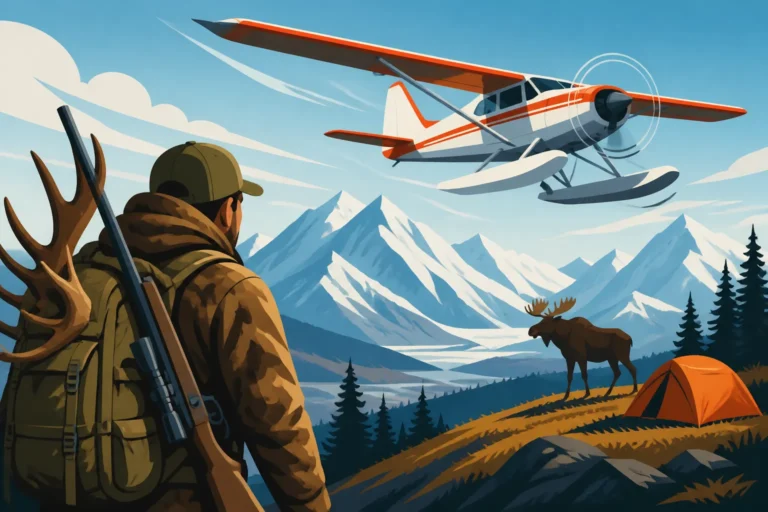
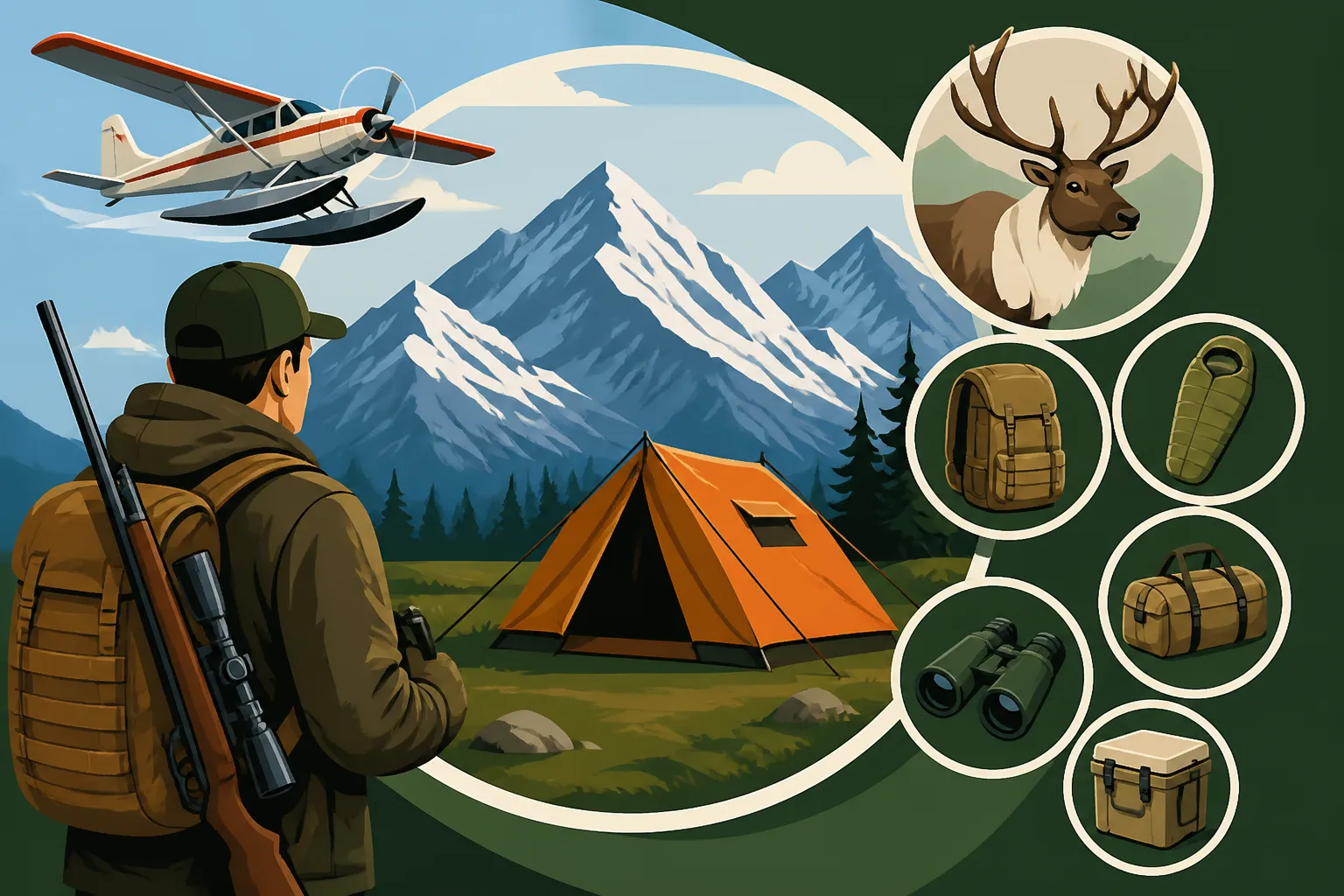
Your drop camp experience revolves entirely around the bush plane. This isn't your typical commercial airliner; these are rugged workhorses—like a Super Cub, Cessna 185, or Beaver—piloted by individuals who know Alaska's terrain and weather intimately. The "package" always includes the flight in to your pre-determined drop-off point and the flight out at the end of your scheduled hunt, hopefully with your game meat and trophies.
What you'll quickly learn is that weight limits are king. These planes have strict payload capacities, and your air taxi operator will be very clear about how much gear, food, and hunters they can legally and safely carry on each leg. This means you'll need to be incredibly disciplined with your packing. Every ounce counts. Hunters often have to split gear across multiple flights, or even have the pilot "deadhead" (fly empty) back to base after dropping off part of your party or gear, incurring additional costs. This isn't a hidden fee; it's just the reality of bush flying. Understanding How Air Taxi Pricing Works in Alaska is crucial for budgeting.
Designated Drop-Off and Pick-Up Locations
When you book a drop camp, you'll work with the air taxi operator to select a specific landing zone. This might be a lake where a floatplane can land, a gravel bar suitable for a wheel plane, or even a pre-approved strip in certain areas. This isn't arbitrary; these locations are chosen for their suitability for landing, their proximity to good hunting grounds, and often, their historical use as drop-off points. The transporter will usually have designated areas within a Game Management Unit where they routinely drop hunters, often areas they know can hold game.
It's vital that you understand and agree upon this location ahead of time. It's your initial base of operations, and your pickup point will typically be the same spot. Deviating from this plan in the field, especially without prior arrangement and good communication, can lead to serious logistical nightmares and additional expense. Good air taxi operators are also proficient at Gravel Bar Landings for Wheel Planes in Alaska, expanding your options for remote access.
The Critical Role of Weather Delays
Here's where the rubber truly meets the Alaskan road: weather. No drop camp package can guarantee perfect flying weather. Rain, fog, high winds, or low ceilings can ground planes indefinitely. This is not a slight against your transporter; it's a fundamental reality of flying in Alaska. You must build in buffer days on both ends of your trip. Arriving a day or two early in the departure town and having a few days after your scheduled pickup before you need to catch a commercial flight home is non-negotiable.
Empathy is key here: your pilot is just as frustrated by delays as you are, but they won't compromise safety. A responsible air taxi operator won't fly in conditions that put lives or expensive equipment at risk. If you find yourself asking What Happens if Weather Traps You in Camp, rest assured, every experienced Alaskan hunter has faced this scenario. This is why reliable Radio or Satellite Check-Ins With a Pilot are paramount for your safety and peace of mind.
Camp Infrastructure: More Than Just a Tent
While a drop camp is an "unguided" experience in terms of direct hunting assistance, many transporters offer more than just a ride. They often provide some basic camp infrastructure to make your remote stay a little more comfortable and safer, essentially a bare-bones base camp. This is where the term "package" truly starts to apply beyond just transportation.
Basic Shelter and Cooking Essentials
A common inclusion in many drop camp packages is a basic tent setup. This usually means a durable, weather-resistant wall tent or Arctic Oven style tent, often with a wood stove for heat. Having a solid shelter waiting for you when you land, especially after a long flight and facing unpredictable Alaskan weather, is a huge bonus. It saves significant weight in your personal gear load and means you're not fumbling to set up camp in the rain or dark.
Some packages might also include basic cooking equipment, such as a cook stove (often propane-powered, with the propane supplied), a cooking table, and perhaps some basic pots and pans. This isn't gourmet kitchenware, but it's enough to prepare your meals. Again, confirm these details with your transporter. Every operator is different, and this level of amenity can vary greatly. Remember, while a stove may be provided, your Gear Lists Alaska Guides Send Before a Hunt (or transporter) will still detail plenty of personal items you'll need.
Communication and Safety Devices
While you should always carry your own personal satellite communicator (like a Garmin InReach or Spot device) for your safety and peace of mind, some drop camp operators will provide a camp-wide satellite phone or VHF radio. This device is primarily for coordinating your pickup with the pilot, or for emergency communication back to base if there's a serious medical issue or unforeseen problem.
This isn't for daily check-ins with loved ones, and it's certainly not for calling friends to brag about your bull! It's an emergency lifeline. Understanding how to use it, and adhering to strict check-in schedules if provided, is crucial. Your transporter might also provide a bear fence for camp protection, which is a huge benefit in certain areas. For solo hunters, developing solid Signal Devices and Check-In Plans for Solo Alaska Hunts is an absolute must.
Meat Care Considerations in Camp
One of the biggest challenges of remote Alaska hunting is meat care, especially if you harvest a large animal like a moose far from refrigeration. Some drop camp packages include specific items to help with this. This could be large game bags, a meat pole setup (either pre-built or materials to construct one), or advice on how to best salvage and cool your game.
A good transporter will always discuss this with you, particularly if you're hunting species that yield a lot of meat. They want you to succeed and salvage your harvest legally and ethically. They can also offer guidance on how to keep meat cool and protected from scavengers while you wait for your pickup, which is vital when Hanging Meat in Warm September Weather.
What's NOT Typically Included (and Why It Matters)
This is perhaps the most critical section for setting realistic expectations. A drop camp is not a guided hunt, and understanding the clear boundaries is essential to avoid disappointment or legal trouble. The transporter's role is access; your role is the hunt itself.
Personal Gear, Food, and Licensing
Let's be crystal clear: everything you need to survive, thrive, and hunt effectively in the Alaskan wilderness for the duration of your trip is your responsibility. This means:
- Personal Hunting Gear: Your rifle, bow, ammunition, optics, backpack, sleeping bag, sleeping pad, rain gear, warm clothing, boots, and all personal hygiene items. No one else is packing this for you.
- Food and Water: All your meals, snacks, and a reliable water filtration system. While some camps have natural water sources nearby, you'll need to purify it.
- Licensing and Tags: Your Alaska hunting license and any required locking tags (like for moose, caribou, or bear) must be purchased well in advance. You're also responsible for obtaining any necessary harvest tickets or drawing permits. Understand Alaska Hunting Seasons and Tag Rules Explained before you even think about booking.
- Navigation: Your GPS device, maps, compass, and the knowledge to use them effectively are solely your responsibility. While the pilot will drop you off, finding game and navigating the terrain is up to you. For instance, Downloading Offline Maps Before a Fly-In is a smart move.
The transporter is not responsible for forgotten items, poor food choices, or incorrect licensing. This is a DIY hunt enabled by air access.
Guiding Services and Game Processing
This is the biggest point of confusion for many first-time Alaska drop camp hunters. A transporter or air taxi operator is legally distinct from a licensed hunting guide.
- No Guiding: Your transporter cannot advise you on where to hunt, how to hunt, or even help you find game. They can't accompany you into the field, track animals, or call for you. Their legal role is strictly transportation. If you are a nonresident hunting brown bear, Dall sheep, or mountain goat, you are legally required to have a licensed guide or be accompanied by an Alaskan resident relative (second-degree of kinship). A drop camp alone will not suffice for these species. If you need guiding services, you'll need to research Hiring an Alaska Registered Guide-Outfitter.
- No Game Processing: While they may offer some basic meat care supplies or advice, your transporter is not responsible for skinning, quartering, butchering, or packing your animal out of the field. That monumental task falls entirely on your hunting party. If you manage to harvest a bull moose, you'll quickly learn the challenges of Quartering a Bull Moose Alone in the Field. They will, however, usually help load your processed meat into the plane for the flight out.
This distinction is not just a nuance; it's a legal line that Alaska takes very seriously. Both the hunter and the transporter can face penalties for crossing it.
Unexpected Costs and Contingencies
While a drop camp package aims to be comprehensive for its defined services, the Alaskan wilderness is inherently unpredictable. Here are some costs and contingencies you must plan for:
- Extra Flights for Meat/Trophy: If you shoot a truly enormous animal, like a huge bull moose, it might exceed the weight limits for your initial pickup flight along with your gear and party. You might need to pay for a separate "meat flight" to get it all out, which is essentially a Second Trip Charges for Meat Hauling and can add significant cost.
- Weather Delays: As mentioned, extra days in town due to weather mean extra hotel nights and food expenses. Some operators charge for delayed pickups beyond a reasonable window, though many try to work with you. Hunting insurance, which can cover trip interruptions, is a wise investment. Consider platforms like BookYourHunt or GoHunt for finding operators who provide clear contracts on these matters.
- Emergency Evacuation: While unlikely, a serious injury or medical emergency could require an expensive emergency flight. While your satellite communicator can call for help, the cost of that extraction often falls on you. Ensure you have robust travel insurance that covers remote medical evacuation.
- Shipping Meat/Trophies: Once you're back in the departure town, you're responsible for getting your game meat processed, frozen, and shipped home, as well as handling your trophy with a taxidermist. These costs are substantial and completely separate from your drop camp package. Meat Processing and Freight From Bush Alaska can add up fast.
The table below summarizes typical inclusions and exclusions:
| Feature | Typically Included in Drop Camp Package | Typically NOT Included in Drop Camp Package |
|---|---|---|
| Transportation | Round-trip air taxi flight to/from camp | Extra flights for overweight game/gear |
| Camp Gear | Wall tent/Arctic Oven, wood stove | Personal sleeping bag, pad, cooking utensils |
| Cooking Gear | Camp stove (often with propane) | All food, drinks, and snacks |
| Safety | Camp satellite phone (for emergencies/pickup) | Personal satellite communicator |
| Hunting Services | None | Guiding, animal tracking, calling, field dressing |
| Licensing/Permits | None | Hunting license, tags, draw permits |
| Meat/Trophy Care | Basic game bags, meat pole setup | Quartering, skinning, packing from kill site |
| Logistics | Pre-arranged drop-off/pickup points | Hotel/food during weather delays |
| Emergencies | Communication for emergencies | Emergency medical evacuation costs |
Choosing the Right Drop Camp for Your Hunt
Selecting the right drop camp operator is almost as critical as the hunt itself. You're entrusting your safety, your success, and a significant investment to them. Don't just pick the cheapest option or the first one you find. Do your homework. Many hunters use resources like GoHunt or BookYourHunt to research and compare operators.
Asking the Right Questions Before You Book
Before you commit to anything, have a detailed conversation with the air taxi operator. Here’s a checklist of questions to get you started:
- What exactly does your drop camp package include? (Get it in writing, specifically confirming shelter, stove, cooking gear, etc.)
- What are your weight limits per person/per plane load? (And what happens if we exceed them?)
- What are your policies for weather delays and extra days in camp? (Is there a charge for delayed pickup? Who covers extra days in town?)
- What communication devices do you provide, and what is the check-in protocol?
- Do you offer any assistance or advice for meat care in the field?
- What specific landing strip/lake will you drop us at? (Can we see it on a map?)
- How many hunters do you put in this general area during the season? (To gauge pressure.)
- Can you provide references from past drop camp clients? (This is invaluable.)
- What type of aircraft do you fly, and what are the typical flight times to this area?
- What are your safety protocols, especially regarding bear encounters at the kill site? This is especially important for Bear Safety While Butchering a Kill in Alaska.
A reputable operator will be happy to answer all these questions thoroughly. Red flags include evasiveness, vague answers, or rushing you off the phone.
The Importance of a Clear Contract
Once you've decided on an operator, ensure you receive a clear, written contract that outlines every detail of your drop camp package. This should cover:
- Dates of your flight in and out.
- Agreed-upon landing and pickup locations.
- Itemized list of all included gear and services.
- Policies and fees related to weight overages, weather delays, and extra flights.
- Cancellation and refund policies. Deposit Amounts on an Alaska Guided Hunt are common, and you need to understand the refund policy.
- Payment schedule.
This contract protects both you and the transporter. Read it carefully, ask for clarification on anything you don't understand, and keep a copy for your records. A well-defined agreement helps prevent misunderstandings when things don't go exactly as planned – and in Alaska, things rarely go exactly as planned.
Ultimately, an Alaska drop camp package is a fantastic way to experience the challenge and reward of a DIY hunt in remote country. It takes care of the single biggest logistical hurdle: access. But it’s crucial to remember that it’s just that – access. The real work, the real hunting, and all the associated responsibilities, are entirely yours. Go prepared, go informed, and you’ll be well on your way to an unforgettable Alaskan adventure.
Disclaimer
This article is for general informational purposes only and does not constitute professional advice. Laws, prices and regulations vary by location and change over time. Consult a qualified professional for guidance on your specific situation.