Meat Processing and Freight From Bush Alaska
One of the biggest hurdles after a successful hunt in Alaska, especially deep in the bush, isn't just making the shot, but figuring out how on earth to get all that valuable meat out and home in prime condition. It's a logistical puzzle that can turn into a nightmare if not planned meticulously. This guide dives deep into the realities of meat processing and freight from remote Alaska, helping you understand the challenges and strategize for a smooth recovery of your hard-earned game.
The Harsh Realities of Field Processing in Remote Alaska
After the excitement of a successful hunt fades, the real work begins. Field processing isn't just about butchering; it's about making critical decisions under pressure, often in challenging conditions, to ensure your meat is salvageable and transportable.
Quartering Large Game Alone or With Limited Help
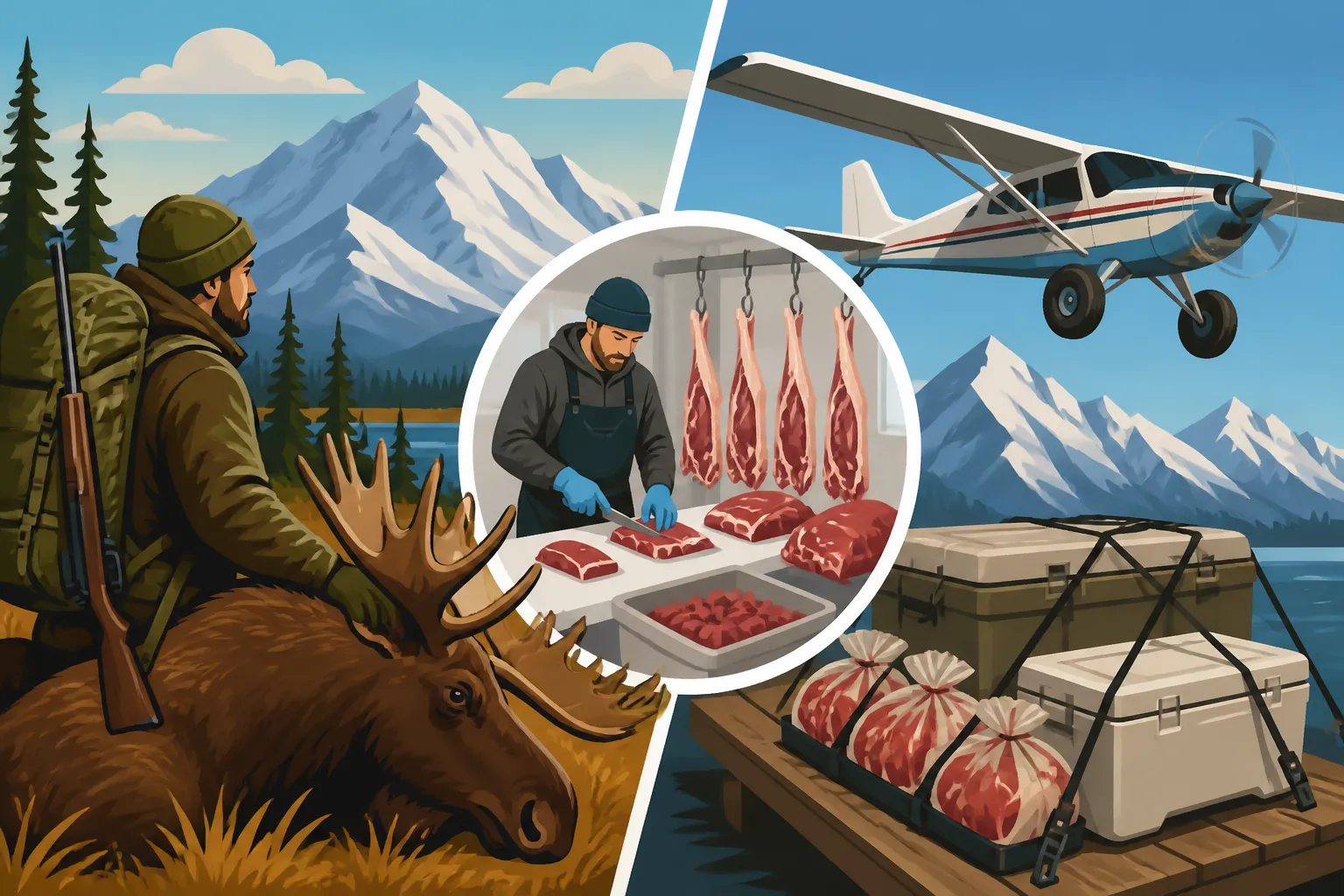
Picture this: you've just downed a magnificent bull moose in a swampy willow thicket, miles from any trail or camp. The sun is dipping below the horizon, the temperature is still stubbornly in the 50s, and the hum of mosquitos is already a symphony around your head. Quartering an animal of that size, alone or with one partner, is a monumental task. You're working on uneven, often muddy ground, trying to keep the meat clean while fighting against fatigue and fading light. Quartering a Bull Moose Alone in the Field details the immense effort involved. The sheer weight of each quarter, the careful articulation to remove joints cleanly, and the precision needed to strip the meat from the bone without wasting a single ounce—it's physically demanding work that pushes you to your limits. Add the mental strain of constantly scanning for potential bear encounters, and it's clear this isn't a job for the faint of heart.
Even with a partner, efficiency is key. Every minute counts when temperatures are marginal, and the threat of spoilage looms. Knowing where to make each cut, understanding the anatomy, and having sharp, reliable tools are paramount. Many hunters underestimate the time and effort required, leading to rushed jobs and potential waste. It’s not just about getting the meat off the animal; it’s about doing it cleanly and quickly enough to start the cooling process.
Keeping Meat Cool in Unpredictable Bush Temperatures
Alaska's weather is famously unpredictable. A crisp, cool morning can quickly turn into a warm, sunny afternoon, especially during the early fall hunting seasons. This swing in temperature can be devastating for freshly processed meat. Once an animal is down, the clock starts ticking. The goal is to cool the meat as rapidly as possible to inhibit bacterial growth. Leaving quarters exposed to direct sunlight, even on a cool day, can quickly raise the internal temperature, creating a prime breeding ground for bacteria.
The critical factor is air circulation. Meat needs to breathe to shed heat. Piling quarters directly on the ground, or in a tight space where air can't flow, will trap heat and lead to rapid spoilage. This is where strategic hanging and positioning come into play. Hunters often struggle to find ideal hanging spots in dense timber or open tundra, sometimes resorting to creating makeshift tripods or hanging meat from low branches. The challenge is exacerbated by the often-marshy ground or dense brush, which limits airflow from below.
Dealing with Environmental Factors: Bugs, Rain, and Bears
Beyond temperature, the bush throws a gauntlet of other challenges at field processors. Flies and yellow jackets are relentless, seemingly appearing from nowhere the moment an animal hits the ground. These insects are not just a nuisance; they lay eggs that can quickly hatch into maggots, contaminating your hard-won meat. This means constant vigilance and protective measures.
Rain is another constant threat. A sudden downpour can soak everything, including game bags, making it harder for meat to cool and creating a damp environment conducive to spoilage. Keeping meat dry is a battle, often involving tarps or carefully chosen natural shelters. And then, of course, there are bears. You're working at a kill site, surrounded by the smell of fresh meat, in their territory. Bear Safety While Butchering a Kill in Alaska is not just good advice, it’s a necessary strategy. The constant awareness of your surroundings, having bear spray or a firearm readily accessible, and making noise are all part of the job description. Hunters often tell stories of bears circling, watching, or even attempting to approach while they are still quartering. It’s an added layer of stress to an already arduous task.
Essential Field Meat Care for Preservation
Proper field care is the first and most critical step in ensuring your game meat makes it from the remote wilderness to your freezer in excellent condition. This isn't an optional step; it's the foundation of salvaging your harvest.
The Critical Role of Proper Game Bags
Think of game bags as your meat's first line of defense. These aren't just glorified pillowcases; the right game bags are engineered to protect your meat while allowing it to breathe and cool. Old cotton bags might seem fine, but they can easily get saturated with blood and moisture, hindering cooling and becoming heavy. Modern synthetic game bags, often made from breathable, washable materials, are a game-changer. Brands like TAG Bags or Kuiu's meat bags are designed to protect against flies, dirt, and debris, while still allowing air to circulate freely around the meat.
Investing in quality game bags specifically designed for big game is non-negotiable. They need to be large enough to accommodate quarters without stuffing them, strong enough to handle the weight, and durable enough to withstand snags and tears in the brush. Without proper game bags, your meticulously quartered meat is vulnerable to rapid contamination from flies, dirt, and other environmental factors that will quickly render it unappetizing or even inedible. They buy you precious time in the field.
Hanging and Airing Out Meat in the Field
Once your game is quartered and bagged, the next step is to get it off the ground and into the air. This process, often called "airing out," is crucial for cooling the meat down to a safe temperature. Finding a suitable spot to hang quarters, especially large moose or caribou, can be a challenge. You need sturdy trees or a robust tripod setup that can support hundreds of pounds, and the location needs to allow for maximum airflow on all sides. Elevated positions also help protect against ground scavengers like wolves, wolverines, and bears, though nothing is truly bear-proof if they're determined.
In areas where tall trees are scarce, like the open tundra, hunters often get creative, building makeshift structures or hanging meat from sturdy pack frames. The idea is to create a chimney effect, where cooler air flows up and around the meat, drawing heat away. This is particularly important in Hanging Meat in Warm September Weather, where daytime temperatures can hover around 50 degrees or more. Keeping the meat in the shade is equally vital. The longer the meat can hang and cool, the better its quality will be. This might mean leaving it overnight, checking it frequently, and ensuring nothing is impeding the airflow.
Deboning Versus Bone-In for Weight and Space Efficiency
This is a critical decision point for many bush hunters, especially those relying on aircraft for extraction. Keeping meat bone-in offers some advantages: the bone helps maintain the meat's shape, and some argue it keeps the meat cleaner and cools more slowly (which can be a pro or con depending on conditions). However, for backpack hunters or those with strict weight limits on bush planes, deboning is often the preferred method. Removing the bone can reduce the overall weight by 20-30%, a significant factor when every pound counts. Backpack Hunting in Alaska: Gear Weight and Meat Loads illustrates just how much difference a few pounds can make.
Deboning also makes the meat more compact, allowing more to fit into game bags and aircraft cargo holds. The downside is that it exposes more surface area, which can lead to faster drying (crusting) or potentially faster contamination if not handled meticulously. When deboning, extra care must be taken to keep the meat clean and immediately bag it. The choice between bone-in and deboned often comes down to the species, the distance to extraction, the mode of transport, and the specific weight limits imposed by the air taxi. For a massive bull moose flown out by a small plane, deboning is almost always the smarter, more practical choice to maximize your load.
Getting Your Meat to the Nearest Logistics Hub
Once your meat is cared for in the field, the next major hurdle is moving it from the kill site to a place where it can be properly frozen and prepared for its journey home. This usually means coordinating with air taxis or other transport services.
Coordinating With Your Air Taxi or Transporter
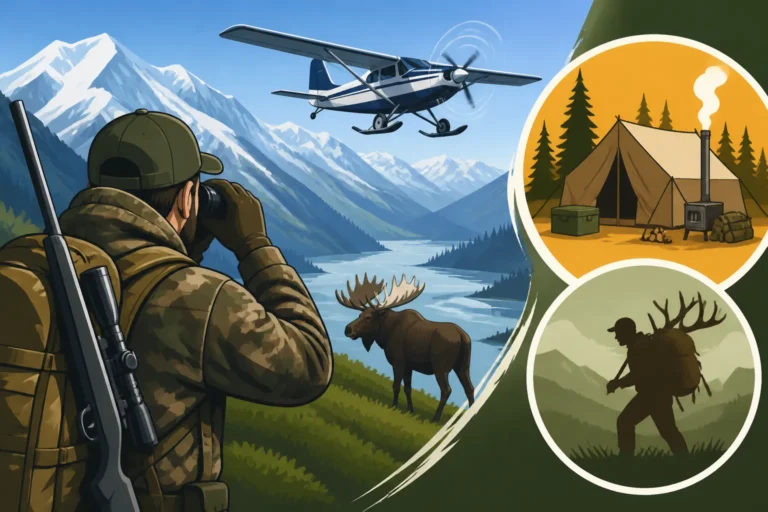
Your air taxi pilot isn't just a pilot; they're often your lifeline to the outside world and a critical partner in your meat recovery plan. Communication is absolutely paramount. Before your hunt, discuss your expected meat volume and how you plan to get it out. Most transporters have strict weight limits, and overloading an aircraft is not only illegal but extremely dangerous. A massive moose or caribou kill often requires multiple trips, especially if you're flying in a smaller plane like a Super Cub or Cessna 185. Fly-In Hunting: Working With an Alaska Transporter Pilot stresses the importance of this relationship.
Be prepared for the reality of "deadhead" time and extra flight costs for additional loads. These aren't hidden fees; they're the cost of operating in remote Alaska. Pilots charge for every hour the plane is in the air, and if they have to fly empty to pick up meat, that's still billable time. Always clarify these potential costs upfront. Having a clear plan for your meat pickup location, how it will be staged, and how many loads you anticipate is crucial for a smooth and efficient extraction.
Utilizing Community Airstrips and Local Services
Sometimes, your bush plane might not take you directly to a major hub like Anchorage or Fairbanks, but rather to a smaller village airstrip. These remote communities can be unexpected assets in your meat recovery plan. Many small villages have a community freezer, often run by a local co-op or a savvy resident, where you can temporarily store your meat. This can be a lifesaver if weather delays your connecting flight or if you need to consolidate multiple meat loads.
It’s not uncommon to find local residents willing to help with basic processing or short-term cold storage for a fee. While you shouldn’t count on this as your primary plan, being open to these services can be invaluable in a pinch. However, remember that these are small, often isolated communities; resources are limited, and communication can be challenging. Always have cash on hand, as credit card machines are often non-existent. These local connections highlight the unique nature of hunting in Alaska, where self-reliance is key, but adaptability and community goodwill can make all the difference.
Managing Multiple Loads and Weather Delays
The dream scenario is one trip in, one trip out, with all your gear and meat. The reality, particularly with large game like moose or caribou, often involves multiple flights. A typical bull moose can yield hundreds of pounds of bone-in meat, far exceeding the cargo capacity of many bush planes alongside your hunting gear and camp. Weight Limits on a Super Cub Drop illustrate the constraints. This means your pilot will often drop you and your gear, and then, after a successful harvest, return for the meat, possibly requiring a second or even third trip, depending on the plane size and load.
Weather is the ultimate wildcard in Alaska. A clear morning can give way to heavy fog, strong winds, or snow, grounding aircraft for days. This can leave your precious meat stranded in the field, increasing the risk of spoilage if not properly cared for. Building Extra Days Into a Fly-In Schedule is wise advice for any Alaska bush hunt, precisely to account for these inevitable weather delays. Always have a contingency plan for your meat, including extra game bags, ways to re-hang it securely, and potentially more ice or cooling methods if you anticipate a long wait. This flexibility is what separates a prepared hunter from one facing a costly and heartbreaking loss of game.
| Aspect of Field Meat Care | Bone-In Quarters | Deboned Meat | Game Bags | Hanging/Airing |
|---|---|---|---|---|
| Weight for Transport | Higher | Significantly Lower | Essential | Critical |
| Space Efficiency | Less compact | More compact | Essential | Aids airflow |
| Cooling Rate | Slower, bones retain heat | Faster, more surface area | Aids cooling | Maximizes cooling |
| Protection from Pests | Covered by skin/bags | Needs immediate bagging | Primary barrier | Protects from ground scavengers |
| Risk of Contamination | Lower if kept clean | Higher if not meticulously clean | Reduces risk | Reduces ground contact |
| Ease of Handling | Can be awkward/heavy | Easier to pack and carry | Makes carrying easier | Keeps meat off ground |
Options for Final Processing and Shipping Home
Once your hard-earned game meat makes it out of the bush and into a more accessible location, you're faced with another set of decisions: how to get it fully processed and then shipped all the way home.
Commercial Processors in Alaskan Hubs (Anchorage, Fairbanks)
For many hunters, especially non-residents or those without the time or facilities for extensive home processing, commercial game processors in major Alaskan cities like Anchorage or Fairbanks are a godsend. These facilities specialize in handling wild game and offer a full suite of services. You can drop off your field-dressed quarters, and they'll take care of everything: cutting, grinding, wrapping, freezing, and even turning some of your meat into specialty products like sausage, jerky, or summer sausage. Brands like Indian Valley Meats or Fritz Creek Custom Cutting are well-known among hunters.
The convenience is undeniable, but it comes at a cost. Prices vary based on the animal's size, the desired cuts, and any additional services like smoking. It's crucial to research these processors well in advance of your trip. Call them, inquire about their current rates, turnaround times, and whether they have capacity during your hunting season. Many operate on a "first-come, first-served" basis, but during peak hunting seasons, they can be swamped. Booking a slot or at least making arrangements beforehand can save you a lot of headache and ensure your meat is processed promptly, minimizing the risk of freezer burn or quality degradation from prolonged storage.
Self-Processing Facilities and DIY Approaches
If you're on a tighter budget, have the skills, and prefer to handle your meat yourself, some facilities offer self-processing options. These might include renting freezer space, or in some cases, a small cutting room with basic equipment. This approach requires significantly more time and effort on your part, as you'll be responsible for all the butchering, wrapping, and packaging. However, it offers complete control over the final product and can save you a substantial amount of money compared to commercial services.
For residents or those with access to an RV or extended stay, a DIY approach can be very rewarding. You'll need to source your own wrapping paper, freezer bags, and potentially even cutting tools if the facility doesn't provide them. The biggest challenge here is often finding adequate space and time. After a long, arduous hunt, the last thing many hunters want is to spend another few days butchering, but for those who enjoy the process or need to conserve funds, it's a viable option.
Freight Forwarding and Cold Storage Solutions
Once your meat is processed and frozen solid, the next step is often to get it from the processor to a freight forwarder or a temporary cold storage facility if you're not flying out immediately. These services are invaluable for managing large quantities of frozen meat that might not fit in your luggage or for consolidating shipments. Freight forwarders specialize in shipping goods, including frozen perishables, by air cargo or even by sea (barge service is slower but cheaper for very large shipments) to your home state.
They will guide you on proper packaging requirements, which typically involve sturdy, insulated coolers or boxes designed for frozen goods, often with dry ice to maintain temperature during transit. The cost of freight depends on the weight, destination, and speed of service. It’s important to communicate clearly with the freight company about your needs and to schedule pickup or drop-off well in advance. Keep in mind that mishandling or improper packaging can lead to spoilage, so adhering strictly to their guidelines is crucial. Ensure your contact information and destination details are clearly labeled on every package.
The Logistics of Shipping Your Trophy Meat Home
After all the hard work of hunting and processing, getting your valuable game meat home is the final, crucial step. This phase is fraught with its own set of rules, costs, and potential pitfalls.
Airline Regulations for Frozen Game Meat
Shipping frozen game meat on commercial airlines requires careful attention to detail. Airlines have specific regulations regarding the type of cooler, weight limits, and the use of coolants like dry ice. Generally, frozen meat must be packed in sturdy, leak-proof containers, typically hard-sided coolers. Soft-sided coolers are often prohibited as checked baggage for meat. Many airlines allow dry ice, but there are strict limits on the quantity you can carry, usually around 5 pounds per package, and it must be properly vented. Always check with your specific airline before you pack, as policies can vary. Airline Rules for Frozen Game Meat provides an excellent overview of these requirements.
Labeling is also critical. Your name, address, phone number, and flight information should be clearly visible on each cooler. Expect your coolers to count as checked baggage, incurring standard baggage fees, and potentially overweight or oversized fees if they exceed the airline's limits. Planning for this in your budget is essential. The goal is to keep the meat frozen solid until it reaches your home freezer, so minimizing transit time and ensuring robust packaging are key.
Calculating Costs: Processing, Storage, and Shipping
Many hunters budget meticulously for their license, tags, and travel, but then get hit with sticker shock when it comes to the post-hunt expenses. The costs associated with processing, cold storage, and freighting meat home can easily add hundreds, or even thousands, of dollars to your overall hunt budget. For a large animal like a moose, commercial processing can run into several hundred dollars, depending on the cuts and added products. Add to that the cost of airline baggage fees for multiple coolers, or the freight charges for shipping by cargo, and you're looking at a substantial outlay.
A useful exercise is to create a detailed spreadsheet of all potential post-kill expenses. This includes:
- Commercial processing fees (per pound or per animal)
- Cost of specialty products (sausage, jerky)
- Short-term cold storage fees (if needed)
- Cost of coolers/boxes
- Dry ice
- Airline baggage fees (initial, overweight, oversized)
- Air cargo or freight forwarding fees (per pound, by volume)
- Any tips for ground handlers or services
Factoring these in realistically will prevent financial surprises and help you make informed decisions in the field. GoHunt or BookYourHunt resources can sometimes help estimate these costs when planning a hunt.
International Shipping Considerations (for non-US hunters)
For hunters coming from outside the United States, shipping game meat home introduces an entirely new layer of complexity: international regulations. This isn't just about airline rules; it's about customs, import/export permits, and often stringent veterinary health requirements from your home country. Many countries have strict bans or quotas on importing wild game meat to prevent the spread of diseases.
You will likely need to obtain CITES permits for certain species (though not typically for standard game meat unless it's a specific, protected species), and definitely require customs declarations. Some countries demand veterinary inspections and health certificates from a USDA-approved facility before they will allow entry of game meat. This is not a last-minute detail; you need to research your home country's specific import laws well in advance, ideally before you even book your hunt. Without proper documentation, your valuable meat could be confiscated at the border, rendering all your efforts and expenses moot. Consult with the commercial processor and freight forwarder in Alaska, as they may have experience with international shipments, but the ultimate responsibility lies with you, the importer.
Planning Ahead: Making Meat Recovery Part of Your Hunt Strategy
The best way to avoid the last-minute scramble and potential heartbreak of spoiled meat is to integrate meat recovery planning into your overall hunt strategy from the very beginning. It's just as important as choosing your rifle or packing your tent.
Researching Processing Facilities Before Your Trip
This step cannot be overstressed. Don't wait until you've got quarters sitting in a cooler to start Googling "meat processors Anchorage." Before you even leave home, identify several potential commercial processors in the Alaskan hub cities where you anticipate ending your hunt. Call them, introduce yourself, and ask detailed questions:
- What are their current prices per pound or per animal?
- What services do they offer (cutting, wrapping, grinding, smoking, freezing)?
- What are their hours of operation?
- What is their average turnaround time during the hunting season?
- Do they accept drop-offs from air taxis or transporters?
- Do they have cold storage available if you can't pick up immediately?
- Are appointments or reservations required for processing?
Some high-demand processors fill up fast, especially for popular species like moose during peak season. Knowing their requirements and possibly even booking a tentative slot can save you immense stress and ensure your meat gets processed quickly and professionally.
Building a Realistic Budget for Meat and Trophy Freight
Too often, hunters view the hunt itself as the primary expense, overlooking the significant costs involved in getting their harvest home. As discussed, processing, storage, and shipping can add hundreds, if not thousands, of dollars to your overall trip cost. A realistic budget needs to account for every stage of the meat's journey. This includes estimating:
- Commercial processing fees (based on average animal size and desired cuts).
- Additional fees for specialty products (sausage, jerky).
- The cost of quality coolers and dry ice.
- Airline excess baggage fees or air cargo freight charges (per pound or by volume).
- Any necessary export permits or veterinary certificates for international travel.
Adding a buffer, say 10-15%, to these estimated costs is a smart move, as unexpected charges or longer-than-anticipated storage might arise. Integrating these costs into your initial hunt budget, as you would with Budgeting Licence, Tags and Fees for an Alaska Hunt, ensures you're financially prepared for the entire process, not just the thrill of the chase. Resources like BookYourHunt or GoHunt often provide budgeting tools or advice that can help in this planning stage.
Communicating Your Plan to Your Hunting Partners or Guide/Transporter
Effective communication is the linchpin of a successful meat recovery. If you're hunting with partners, ensure everyone understands the field dressing and quartering plan, who is responsible for what, and how the meat will be managed until extraction. This collective understanding minimizes confusion and maximizes efficiency when time is of the essence.
If you're using a guide or transporter, communicate your meat recovery expectations and preferences clearly well before the hunt. Discuss how they typically handle meat, what their capacity is, and what the associated costs might be. For example, some transporters will make separate trips for meat as part of their standard service, while others charge extra. Confirming pickup locations, estimated timings, and contingency plans for weather delays will ensure everyone is on the same page. This proactive communication builds trust and ensures your entire team is working towards the same goal: getting that precious Alaska game meat safely home.
Disclaimer
This article is for general informational purposes only and does not constitute professional advice. Laws, prices and regulations vary by location and change over time. Consult a qualified professional for guidance on your specific situation.