Alaska’s Second-Degree-Kindred Alternative to a Guide
It's no secret that Alaska, the Last Frontier, holds some of the most sought-after big game hunting experiences in the world. But for many non-resident hunters, the dream hunt can quickly hit a snag when they realize that for certain iconic species, Alaska law requires them to hire a registered guide. This isn't just a suggestion; it's a legal mandate, and it can add a significant chunk to an already expensive adventure. However, there's a lesser-known alternative that can open up these opportunities without the formal guide requirement: hunting with a "second-degree-kindred" Alaska resident. This guide will walk you through exactly what that means, who qualifies, the responsibilities involved, and what you need to consider before planning such a monumental trip.
Understanding Alaska's Guide Requirement for Non-Residents
Before we dive into the alternative, it's crucial to grasp why this guide requirement exists and for which animals. Many non-residents are surprised by this rule, especially if they're used to hunting unguided in other states. Alaska's vast, wild, and often dangerous landscape, coupled with its unique wildlife management principles, underpins these regulations.
Which Species Mandate a Guide?
The big four that draw most non-resident hunters to Alaska are also the ones that require a registered guide:
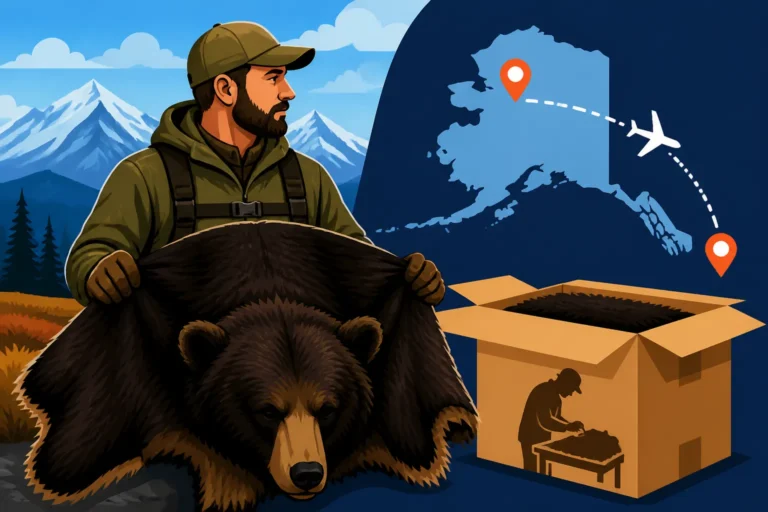
- Brown Bear: This includes both coastal brown bears (often larger, found in Unit 9 on the Alaska Peninsula or Kodiak) and interior grizzly bears. The sheer power and potential danger of these animals, especially when wounded, necessitate experienced guidance.
- Dall Sheep: Hunting these magnificent white rams in the high, unforgiving mountains of the Alaska Range or Brooks Range demands specific skills, extreme physical fitness, and an intimate knowledge of alpine terrain.
- Mountain Goat: Similar to sheep, mountain goats inhabit incredibly steep and treacherous country. Their elusive nature and the inherent risks of hunting in their vertical world make a guide invaluable for safety and success.
- Muskox: Found in specific, remote areas like Nunivak Island or the Seward Peninsula, muskox hunts often involve navigating unique environments and understanding herd dynamics.
The reasoning behind mandating guides for these species often boils down to a combination of conservation, hunter safety, and the sheer difficulty of successful, ethical harvesting in Alaska's challenging environments. These hunts are often conducted in remote, roadless areas, far from any amenities or immediate help. An experienced guide not only helps locate game but also ensures proper field dressing, meat care, and extraction in often difficult conditions. Without a guide, a non-resident might not fully appreciate the scale of the challenge or the intricate regulations involved, leading to potential violations or dangerous situations. The legal ramifications for hunting these species without a guide or a qualifying kindred resident are severe, ranging from hefty fines to forfeiture of equipment and even jail time.
What Exactly Does "Guided" Mean in Alaska?
When the state says "guided," they're referring to services provided by an Alaska Registered Guide-Outfitter. These individuals are licensed professionals who possess a deep understanding of hunting regulations, local game movements, and wilderness survival. They are authorized to lead non-resident hunters in the field for the species that require a guide. Their role encompasses everything from scouting and setting up camp to tracking game, advising on shot placement, assisting with field dressing, and ensuring proper trophy care and meat salvage.
It's a common misconception that simply having someone drop you off by air taxi, often called a "transporter service" or "drop camp," counts as guided. It does not. An air taxi can legally transport you and your gear to a remote location and pick you up later, but they cannot provide any services that assist in the taking of game. This means no directing you to specific animals, no calling, no tracking, and certainly no field dressing assistance. A registered guide, on the other hand, is literally with you in the field, actively assisting in all aspects of the hunt. If you're considering a truly guided hunt, it's wise to understand the full scope of their services and responsibilities. You can learn more about Hiring an Alaska Registered Guide-Outfitter to get a clearer picture of what a professional guiding service entails.
The Second-Degree-Kindred Exemption: Who Qualifies?
This is where many non-resident hunters find a potential pathway to hunting those coveted species without the significant cost of a commercial guide. Alaska Statute 08.54.600(a) carves out a specific exception to the guide requirement, allowing a non-resident to hunt brown bear, Dall sheep, mountain goat, or muskox if accompanied by an Alaska resident who is related within the second degree of kindred. This isn't a loophole; it's a specific legal provision, but understanding its limits is absolutely essential.
Defining "Second-Degree-Kindred"
The term "second-degree-kindred" is a legal definition that refers to a very specific set of familial relationships. In Alaska hunting law, it covers:
- Spouse: Your husband or wife.
- Child: Your biological or legally adopted son or daughter.
- Grandchild: Your child's child.
- Parent: Your biological or legally adoptive mother or father.
- Grandparent: Your parent's parent.
- Brother: Your male sibling.
- Sister: Your female sibling.
Notice the emphasis on direct lineage or immediate siblings. This means a very tight family circle. For example, if your Alaskan cousin invites you on a brown bear hunt, you cannot legally hunt under the kindred exemption, because a cousin is not within the second degree of kindred. The same goes for aunts, uncles, nieces, nephews, or in-laws other than your spouse. These relationships are simply too distant under the legal definition. It’s critical to remember that the resident must accompany the non-resident in the field, meaning they are physically present during the hunt. This isn't a "sign a paper and go" kind of deal.
Proving Kinship for Alaska's Guide Exemption
This isn't just about saying you're related. The Alaska Department of Fish and Game (ADF&G) requires that you be able to prove this kinship with official, verifiable documentation. Imagine being checked by a game warden deep in the Alaska Range. They won't just take your word for it. They need proof.
The types of documents generally accepted to establish these relationships include:
- Birth Certificates: To prove parent-child relationships, or sibling relationships (if they share the same parents).
- Marriage Licenses: To prove spousal relationships.
- Adoption Papers: To prove legal parent-child relationships.
It's vital that these are official documents, not just photocopies or scans on a phone. You need to be prepared to present original documents or certified copies in the field. This means thinking about how to protect these important papers from the harsh Alaskan weather, perhaps by laminating them or keeping them in waterproof bags. Not being able to produce valid proof of kinship on demand could lead to the same severe penalties as hunting without any guide at all. Remember, the burden of proof rests squarely on your shoulders. You can find more specific guidance on Proving Kinship for Alaska's Guide Exemption through ADF&G resources.
Practical Considerations for a Kindred Hunt
Embarking on a kindred hunt is an incredible opportunity, but it also shifts a significant amount of responsibility from a paid guide to the resident hunter. This isn't merely about saving money; it's about embracing a truly do-it-yourself (DIY) ethos within a family context. Both the resident and non-resident must fully understand their roles and responsibilities.
The Resident's Responsibility
The Alaska resident accompanying the non-resident in a kindred hunt essentially steps into the shoes of a guide, albeit unpaid. This means they are responsible for ensuring the hunt is conducted safely, ethically, and legally. This is a monumental task that requires more than just local residency. The resident needs to be:
- Highly Experienced Hunter: They must have extensive experience hunting in Alaska, particularly for the species targeted. This includes knowing game habits, local terrain, weather patterns, and advanced backcountry skills.
- Master of Regulations: The resident must have an encyclopedic knowledge of all current Alaska hunting regulations, including season dates, bag limits, sealing requirements, and any specific rules for the hunt unit. Ignorance of the law is no excuse for either party.
- Safety and Navigation Expert: Alaska wilderness is unforgiving. The resident needs to be proficient in wilderness first aid, bear safety, navigation (GPS, map, and compass), and emergency communication. They are responsible for making critical decisions regarding weather, terrain, and potential hazards.
- Ethical Steward: They must ensure proper shot placement, ethical pursuit of game, and meticulous meat and trophy care. This includes quartering a large animal like a moose or bear, salvaging all edible meat, and caping a trophy correctly.
- Logistical Planner: From transportation to camp setup, food, water, and extraction plans, the resident often spearheads the logistical nightmare that can be an Alaskan hunt.
For the resident, this isn't just a favor; it's a serious commitment. They are legally accountable for the non-resident's adherence to hunting laws. This responsibility requires not only expertise but also a willingness to lead and make tough calls in challenging situations. Furthermore, both the resident and non-resident should have their Alaska Hunter Education and Orientation Requirements in order, as this fundamental knowledge is key to safe and responsible hunting.
Planning and Logistics: A Joint Effort
While the resident takes on significant responsibility, a successful kindred hunt is truly a joint effort in planning and execution. This collaborative approach can foster deeper bonds but also requires clear communication and mutual understanding.
- Financial Implications: While you save on a guide fee, Alaskan hunts are never "cheap." All other costs remain: licenses, tags, airfare, bush flights, gear, food, and potential meat processing and shipping. It's crucial to have open discussions about how these expenses will be split. Will the non-resident cover all bush plane costs, or will it be a 50/50 split? Transparency is key to avoiding financial strain on the relationship.
- Gear Considerations: Who owns the specialized gear? Does the resident have a suitable tent, stove, satellite communication device, and pack frames for heavy loads? If not, who will purchase or rent them? Packing lists need to be meticulously reviewed, ensuring both hunters have appropriate clothing layers, rain gear, footwear, and personal safety items. Considering the remoteness, items like a satellite phone or an inReach device are non-negotiable for emergency communication and checking in with loved ones. It's wise to plan for how you'll manage Signal Devices and Check-In Plans for Solo Alaska Hunts, even when hunting together.
- Hunt Planning and Execution: This involves everything from researching hunt units and drawing permits (if applicable) to scouting potential areas, mapping out routes, and developing a detailed emergency plan. The resident's local knowledge will be invaluable here, but the non-resident should be an active participant in research and preparation. Discussion of physical fitness levels, shooting proficiency, and expectations for the hunt are vital. What if a game animal is wounded and must be tracked through difficult terrain? What if weather moves in and traps you for extra days? These scenarios need to be discussed and planned for in advance. Using resources like GoHunt can be invaluable for pre-hunt scouting and planning, even for a DIY or kindred hunt. They offer mapping tools and data that can help identify potential game habitat and access points.
Legal and Ethical Pitfalls to Avoid
The kindred exemption is specific, and trying to bend the rules can have serious consequences. It's not just about avoiding violations; it's about upholding the integrity of Alaska's hunting regulations and the spirit of the exemption.
- Don't Stretch the Definition of "Kindred": As mentioned, the relationships are narrowly defined. Do not attempt to justify a more distant familial connection. Game wardens are highly trained and experienced in identifying attempts to circumvent the law. If your relation isn't explicitly listed, it doesn't qualify.
- Avoid the Appearance of a "Paid" Hunt: This is a crucial distinction. The resident cannot receive any compensation for guiding services. This includes explicit payment, but also any arrangement that makes it appear as though the non-resident is paying for the resident's "guiding" service. While sharing expenses is expected and legal, if the non-resident pays for all the resident's costs, especially if those costs exceed a reasonable share, it could be interpreted as compensation. The hunt should genuinely be a shared family experience, with expenses proportionally divided.
- Uphold the Resident's Active Role: The resident isn't just a name on a piece of paper. They must be actively present and participating in the hunt, guiding the non-resident through the process. They cannot simply drop off the non-resident and leave them to hunt alone. This directly relates to the intent of the law – ensuring an experienced individual is in the field with the non-resident.
- Adherence to All Regulations: Beyond the guide requirement, all other Alaskan hunting laws apply. This includes specific rules like Alaska's Same-Day-Airborne Rule and What It Bans, which prohibits hunting on the same day you've flown in certain areas, and strict adherence to Packing Out Meat in Alaska: The Salvage Law Hunters Must Follow, ensuring all edible meat is salvaged and removed from the field. Ethical considerations are paramount; the resident must ensure the hunt is conducted in a sportsmanlike manner, respecting wildlife and the environment.
| Feature | Guided Hunt (Non-Resident) | Kindred Hunt (Non-Resident & Resident) |
|---|---|---|
| Legal Requirement | Mandated for Brown Bear, Sheep, Goat, Muskox | Resident must be within second degree of kindred |
| Cost | High; includes guide fees, logistics, etc. | Significantly lower; shared expenses with resident |
| Expertise | Provided by licensed professional guide | Provided by experienced resident relative |
| Responsibility | Primarily on guide; hunter follows lead | Shared; heavy burden on resident relative |
| Documentation | Guide's license, hunter's tags | Proof of kinship (birth certs, marriage license) |
| Logistics | Managed by guide | Coordinated by both hunters, resident often leads |
| Support Staff | Often includes packers, cooks | Typically just the two hunters |
| Relationship | Client-service provider | Familial; shared experience and memories |
| Flexibility | Less; adheres to guide's schedule | More; tailored to family's preferences |
Benefits and Challenges of Hunting with a Kindred Resident
Choosing the kindred route for an Alaska hunt is a deeply personal decision with distinct advantages and disadvantages. It's a trade-off between professional support and a more intimate, hands-on experience.
The Advantages: Cost Savings and Shared Experience
The most immediate and obvious benefit of a kindred hunt is the significant reduction in overall cost. Guided hunts for species like brown bear or Dall sheep can easily run into the tens of thousands of dollars, making them inaccessible for many. By foregoing the guide fee, a kindred hunt drastically cuts this expense, making the dream of hunting these animals a tangible reality for more hunters. This financial relief can be a game-changer, allowing funds to be allocated to better gear, longer stays, or return trips.
Beyond the financial aspect, the shared experience with a close family member is often cited as the most rewarding part. Hunting with a spouse, parent, child, or sibling creates memories that transcend the pursuit of an animal. It’s an opportunity to strengthen family bonds, share traditions, and teach valuable outdoor skills in one of the world's wildest settings. The sense of accomplishment on a successful kindred hunt is often amplified because it was a collaborative, self-reliant effort. You're not just a client; you're an active, vital part of the team, tackling the challenges together. This kind of shared adventure often resonates more deeply than a commercially guided trip, fostering a richer, more personal story. For those who love the planning and execution aspects of a hunt, this approach allows for a truly immersive and custom-tailored adventure.
The Disadvantages: Increased Responsibility and Potential Strain
While the benefits are compelling, it's crucial to approach a kindred hunt with open eyes regarding the potential downsides. The most significant challenge lies in the immense responsibility placed upon the resident hunter. Unlike a paid guide, whose livelihood depends on client satisfaction and safe operations, the resident is doing this as a personal favor, carrying all the same legal and ethical burdens without the financial compensation. This can create significant stress, especially if things go wrong.
The lack of professional, dedicated support found in a guided operation is another major factor. A commercial guide typically brings years of specialized experience, dedicated support staff (like packers or camp cooks), extensive gear, and a deep logistical network. On a kindred hunt, it's typically just the two of you, meaning you're responsible for everything: packing heavy loads, cooking, camp chores, and all aspects of field care and extraction. This can be physically demanding and time-consuming, potentially impacting the hunting time itself.
Furthermore, hunting in a high-stakes, stressful environment can, unfortunately, strain even the strongest family relationships. Disagreements over hunt plans, safety decisions, missed opportunities, or simply the grind of wilderness living can test patience and resolve. It's important to have frank conversations about expectations, roles, and potential challenges before leaving home. Understanding the nature of the beast, so to speak, is key. It's a very different experience compared to Guided Versus Unguided Hunting in Alaska where the expectations and roles are clearly defined by a contract.
Alternative Paths for Non-Residents
If the kindred exemption doesn't apply to you, or if the responsibilities seem too daunting, don't despair! Alaska still offers incredible hunting opportunities for non-residents. It's important to know your options and understand what you can hunt without a guide.
Non-Guided Species Opportunities
Many of Alaska's most popular big game species do not require a non-resident to hire a guide. This opens up a world of possibilities for independent hunters who are willing to put in the work for a true DIY adventure. These species include:
- Moose: Alaska-Yukon moose are enormous animals, and hunting them can be an incredibly rewarding experience. Many units across Interior Alaska offer excellent moose hunting for non-residents, often accessible by float plane, ATV, or even road system. Understanding Alaska Moose: Where the Biggest Bulls Live can help you focus your research.
- Caribou: The vast caribou herds of Alaska are a true spectacle. These hunts often involve covering many miles, either on foot or with appropriate vehicle access. They can be very demanding but offer incredible opportunities. You can learn more about Caribou Herds of Alaska and How They Move to plan your approach.
- Black Bear: Found throughout most of Alaska, black bears offer exciting hunting, whether over bait (in areas where baiting is permitted) or spot-and-stalk. They are a popular choice for non-residents looking for an unguided bear hunt.
- Sitka Blacktail Deer: Primarily found in Southeast Alaska and on Kodiak Island, these deer offer accessible and often boat-based hunting experiences.
- Wolf and Wolverine: These predators are often hunted incidentally or specifically pursued in various regions without a guide.
These hunts still require extensive planning, research, and backcountry skills, but they do not carry the additional guide expense or the specific familial relationship requirement. Platforms like BookYourHunt can be useful resources for exploring various types of hunts, including unguided options for these species, and connecting with air taxi services or outfitters who offer transporter services.
Drop Camps and Transporter Services
For non-residents looking to access remote areas for unguided species, but lacking their own bush plane or boat, drop camps and transporter services are the bread and butter of Alaskan hunting.
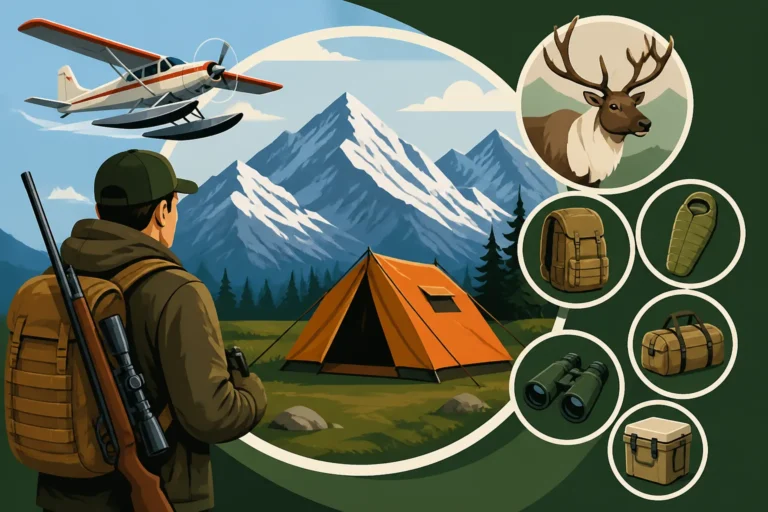
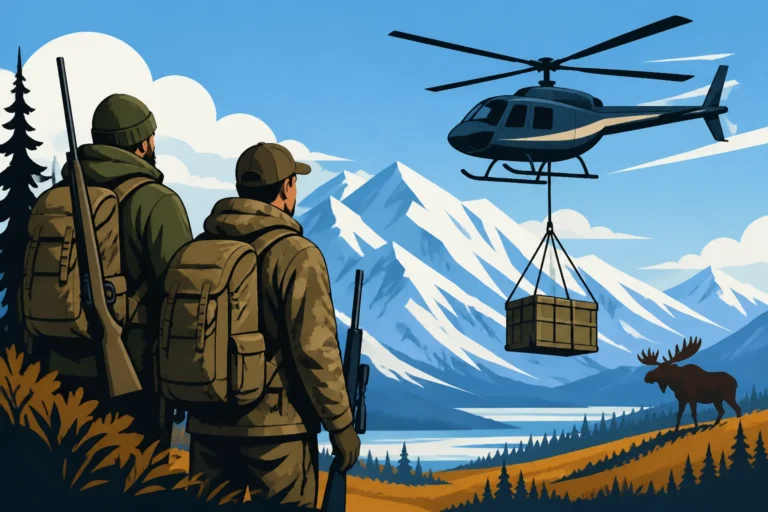
- Drop Camps: This service involves an air taxi operator (or boat captain) flying you and your gear into a remote location, leaving you to hunt independently, and then picking you up on a predetermined date. The air taxi operator cannot offer any "guiding" services, meaning they can't help you spot game, track animals, or advise on hunting tactics once you're on the ground. They are strictly a transportation service. Alaska Drop Camp Hunts Through an Air Taxi are a very popular way to access prime hunting grounds. You'll need to supply all your own camp equipment, food, and hunting gear.
- Transporter Services: Very similar to a drop camp, a transporter provides licensed transportation to and from the field. They cannot assist in the actual taking of game. The key is understanding Alaska Transporters and What They Legally Provide so you don't inadvertently ask for services that cross the legal line into "guiding," which could put both you and the transporter in jeopardy.
These options are excellent for experienced DIY hunters who are confident in their abilities to navigate, hunt, and survive in the Alaskan wilderness independently. They offer a balance of remote access without the full expense or legal requirements of a guided hunt.
Disclaimer
This article is for general informational purposes only and does not constitute professional advice. Laws, prices and regulations vary by location and change over time. Consult a qualified professional for guidance on your specific situation.