Nonresident Aliens and Alaska’s Guide Requirement
Coming to Alaska from another country to hunt can be an incredible, once-in-a-lifetime adventure, but it also comes with a unique set of rules that can feel incredibly confusing. Many non-resident alien hunters wonder if they absolutely need a professional guide, and the answer isn't always a simple yes or no, which adds to the frustration. This guide is here to untangle the complexities of Alaska's guide requirements specifically for non-resident aliens, helping you understand when a guide is mandatory, what exceptions exist, and how to plan for a successful and legal hunt.
Understanding Alaska's Guide Requirements for Nonresident Aliens
The Alaskan wilderness is vast and unforgiving, and the state has very specific rules to ensure hunter safety, ethical practices, and the sustainable management of its incredible wildlife resources, especially when it comes to those who are not residents of the United States. For non-resident aliens, these rules often involve a mandatory guiding component that differs from what a U.S. resident from another state might encounter. It's not just about knowing the local game; it's about navigating a distinct legal framework.
Defining "Nonresident Alien" in Alaska Hunting Law
First, let's clarify who falls under the "nonresident alien" umbrella. In Alaska's hunting regulations, a "nonresident alien" is essentially any person who is not a U.S. citizen and does not qualify as an Alaska resident. This distinction is crucial because it triggers specific guide requirements that do not apply to U.S. residents from other states, even if they are also considered nonresidents of Alaska. Your visa status, whether you're here on a tourist visa, work visa, or any other temporary status, typically places you in this category. It's not about how long you've been in the state, but your citizenship and legal residency status in the United States.
Imagine you're from Germany, passionate about hunting, and dreaming of an Alaskan adventure. Even if you've spent weeks in the state as a tourist, for hunting purposes, Alaska views you differently than someone from, say, Texas. This categorization impacts not only which species you can pursue without a guide but also the potential for any exemptions.
Species That Mandate a Guide for Nonresident Aliens
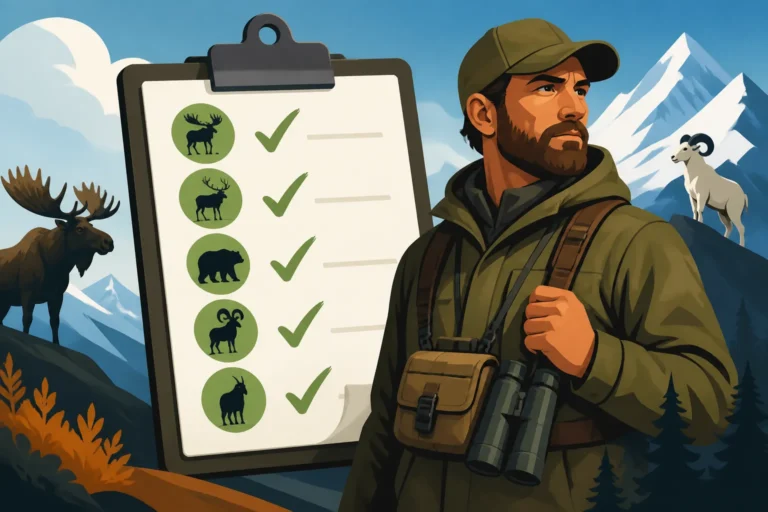
For non-resident alien hunters, there are three primary big game species that legally require you to be accompanied by a registered guide or an eligible Alaska resident second-degree relative. These are:
- Brown Bear/Grizzly Bear: Whether on the coast or in the interior, hunting these powerful predators mandates accompaniment.
- Dall Sheep: Pursuing these iconic white sheep in the high mountains always requires a guide or eligible resident relative.
- Mountain Goat: Hunting these agile cliff dwellers also falls under the mandatory guide rule.
The rationale behind these species having strict guide requirements is multi-faceted. They often involve challenging terrain, potentially dangerous encounters, and complex field judging to ensure a legal harvest. For a guide, this means ensuring safety in bear country and helping assess Full-Curl Judging From Below the Ram or Telling a Billy From a Nanny at Distance. These hunts are considered high-stakes, both for the hunter and the conservation of the species, making professional guidance or a deeply knowledgeable local companion essential.
Why a Guide is Often the Only Practical Option
While the law does allow for an Alaska resident second-degree relative to accompany a non-resident alien for the mandated species, the practical reality for most international hunters is that a professional guide is their only viable path. How many folks from, say, Australia, have an aunt or uncle who lives in Fairbanks and hunts brown bears every spring? Not many, right? Even if you do have family in Alaska, they must be an Alaska resident by law and also be related to you within the second degree of kinship. This makes the kinship exemption a rare opportunity for most non-resident aliens. Therefore, for most international hunters targeting these magnificent animals, investing in a reputable, registered Alaska guide-outfitter is not just a preference, but a legal necessity and the standard way to experience these hunts safely and successfully. You'll want to review Why a Foreign Hunter Always Needs an Alaska Guide for more context.
Navigating the Kinship Exemption: What It Means and Who Qualifies
Alaska hunting regulations can sometimes feel like a labyrinth of specific definitions and exemptions. One common point of confusion, particularly for nonresident hunters, is the "second-degree kinship" rule. It's a provision designed to allow certain family members to hunt together without the need for a professional guide, but its application is very precise, especially for non-resident aliens.
What the Kinship Rule Entails
The kinship rule allows a nonresident hunter to hunt specific big game species without a licensed guide if they are accompanied by a close Alaska resident relative. The "second-degree of kindred by blood or marriage" typically includes:
- Father, mother
- Son, daughter
- Brother, sister
- Spouse
- Grandparents, grandchildren
The critical part here is Alaska Resident. Your accompanying relative must legally reside in Alaska. They're not just a friend who lives here; they need to be a true, legal resident of the state and fall into one of these specific relationship categories. This rule acknowledges the tradition of family hunting and allows Alaskans to share their hunting heritage with their immediate kin from out of state, be they from the lower 48 or another country.
Kinship for Nonresident Aliens on Mandated Species
Now, here's where the nuance really comes into play for non-resident aliens. For species like brown bear, Dall sheep, and mountain goat, a non-resident alien still has a guide requirement, but the kinship exemption can apply. This means that a non-resident alien may be accompanied by an Alaska resident who is a second-degree relative instead of a licensed guide for these specific species.
However, as mentioned, the practical implications are significant. Finding an Alaska resident relative who fits the second-degree kindred definition and is also capable, willing, and experienced enough to guide you on a challenging brown bear or Dall sheep hunt is a tall order for most international visitors. These aren't casual strolls in the woods; they are demanding, often dangerous expeditions requiring specialized knowledge, gear, and bush experience. While the letter of the law provides this exemption, the spirit often points to the need for truly experienced hands in the wilderness. For most non-resident alien hunters, therefore, the path still leads to a professional guide. For more detail, you can read Alaska's Brown Bear, Sheep and Goat Guide Requirement.
Proof of Kinship and Residency
Should you be fortunate enough to have an Alaska resident relative who qualifies and is ready to take you hunting, be prepared to prove it. The Alaska Department of Fish and Game (ADF&G) may require documentation to confirm both the kinship and the Alaskan residency of your accompanying relative. This could involve birth certificates, marriage licenses, proof of Alaska residency for your relative, and other official documents. It's not something you want to leave to chance or try to fudge. Game wardens are diligent, and violations can lead to severe penalties, including fines, confiscation of game, and hunting privilege revocations. Always ensure all your paperwork is in order before heading afield.
The Indispensable Role of a Registered Alaska Guide-Outfitter
For many non-resident alien hunters, especially those without direct family ties to Alaska, a registered guide-outfitter becomes the lynchpin of their hunting adventure. These professionals are much more than just someone who points you to game; they are your gateway to a safe, legal, and truly Alaskan experience. Understanding their role and how to choose one is paramount.
What an Alaska Registered Guide-Outfitter Legally Provides
A registered Alaska guide-outfitter provides a comprehensive service that covers virtually every aspect of your hunt. They are licensed professionals who are legally authorized to:
- Lead and Accompany: They are physically present with you throughout the hunt, providing direct supervision and expertise.
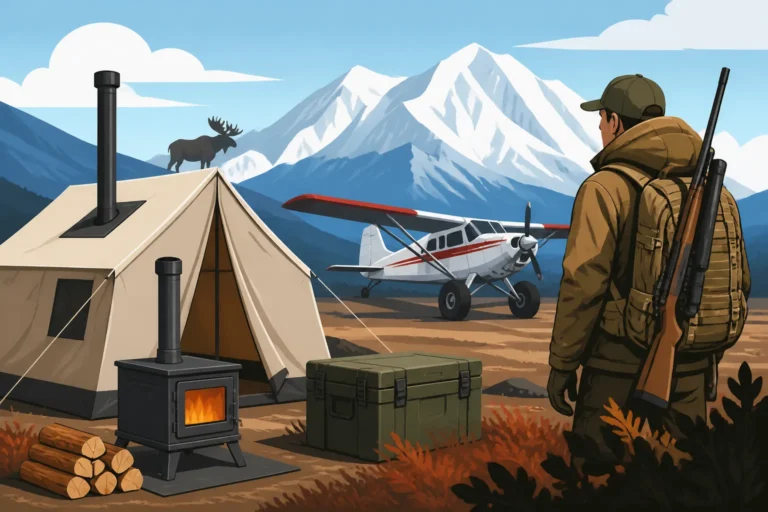
- Provide Equipment: From tents and cooking gear to rafts and satellite communication, they often supply the necessary equipment for your expedition.
- Offer Expert Knowledge: This includes intimate familiarity with game movements, terrain, weather patterns, and local regulations specific to your hunting unit.
- Ensure Safety: Perhaps their most critical role, guides are trained in wilderness first aid, bear safety, navigation, and emergency protocols, drastically increasing your safety margin in remote Alaska.
- Logistics and Planning: They handle everything from bush plane charters, meat care, and trophy preparation to field judging and ensuring your hunt complies with all state and federal laws.
- Meat and Trophy Care: After a successful harvest, they're typically responsible for Quartering a Bull Moose Alone in the Field, caping, salting hides, and making initial preparations for taxidermy and transport.
Think of them as your wilderness captain, responsible for the entire journey. Their expertise can be the difference between a frustrating, unsuccessful, or even dangerous trip and the hunt of a lifetime. If you're looking into Hiring an Alaska Registered Guide-Outfitter, you'll quickly see the breadth of services they offer.
Differentiating Guides from Transporters
This is a critical distinction, especially for non-resident alien hunters. Alaska has both registered guide-outfitters and air taxi/transporter services, and their legal roles are vastly different:
- Registered Guide-Outfitter: As detailed above, they provide a full guiding service, actively participating in and directing your hunt. For non-resident aliens on brown bear, Dall sheep, or mountain goat hunts, this is what you must have (unless you meet the rare kinship exemption).
- Air Taxi/Transporter: These services legally only provide transportation to and from the field. They drop you off and pick you up. They cannot provide any hunting-related services, such as:
- Scouting game for you.
- Providing hunting equipment like firearms or optics.
- Offering advice on where or how to hunt.
- Setting up camp for you (beyond dropping off gear).
- Accompanying you while you hunt.
- Assisting with field dressing or meat retrieval beyond the initial drop-off/pickup points.
For non-resident alien hunters, relying solely on a transporter for species that require a guide is illegal. A transporter cannot fulfill the "accompanied by" requirement for those mandated species. Even for species where a guide isn't legally required (like moose or caribou, where a non-resident alien can hunt unguided), an unguided drop camp hunt through a transporter still means you are completely on your own once they drop you off. Understanding Alaska Transporters and What They Legally Provide is essential for any hunter heading into the bush.
Vetting Your Guide: Due Diligence is Key
Choosing the right guide is one of the most important decisions you'll make for your hunt. Don't just pick the first name you find. Do your homework thoroughly:
- Check Licensing: Always verify that the guide is currently licensed and in good standing with the Alaska Big Game Commercial Services Board. You can check the state's online database. This ensures they meet the legal requirements and have undergone the necessary training and background checks. You'll learn more about this in Alaska Guide Licensing: Assistant, Registered and Master.
- Request References: Ask for a list of recent clients (within the last 1-3 years) and call them. Ask about the guide's professionalism, camp conditions, hunting ethics, safety protocols, and how they handled challenges.
- Review Contracts Carefully: A clear, written contract is essential. It should outline hunt dates, species, services included, payment schedule, cancellation policy, and what happens in case of unforeseen circumstances like weather delays.
- Inquire About Logistics: Discuss specific travel arrangements, meat and trophy care, communication methods in the field, and emergency plans. Clarify what happens if the hunt is unsuccessful, or if you need to Building Extra Days Into a Fly-In Schedule due to weather.
- Ask About Concessions: If hunting on federal lands (like National Preserves), ensure your guide has the necessary permits and concessions to operate legally in that area.
Platforms like BookYourHunt and GoHunt can be good starting points for researching guides and seeing client reviews, but always follow up with direct verification through the state and personal calls to references. This due diligence ensures you're partnering with a reputable professional who can deliver on the promise of an authentic Alaskan hunting experience. You can even gain insights into how a guide's season went by Reading Guide Success Rates Honestly.
Planning Your Guided Hunt as a Nonresident Alien
Embarking on a guided hunt in Alaska as a non-resident alien involves significant planning, often spanning months or even years. It's not just about showing up with your rifle; it's a complex logistical puzzle that requires careful attention to detail and a substantial financial commitment.
Booking Timelines and Deposits
Alaska's top guide-outfitters, especially for highly sought-after species like Dall sheep and brown bear, often book out years in advance. It's not uncommon for prime dates to be reserved 2-5 years ahead of time. This extended lead time is due to limited permits, short seasons, the unique nature of the hunts, and the sheer demand from hunters worldwide.
When you decide on a guide and a hunt, be prepared to pay a significant deposit to secure your spot. This deposit typically ranges from 25% to 50% of the total hunt cost. Understanding the deposit schedule and cancellation policy in the guide's contract is crucial. Life happens, and sometimes plans change. Look into Hunt Insurance for Cancellations to protect your investment in case you can't make the trip. Most guides will have strict policies, as they often incur costs long before you arrive in camp.
For example, a hunter from the UK might dream of a Dall sheep hunt. They'll need to start researching guides, making contact, and likely putting down a deposit well in advance, sometimes even before they apply for the necessary hunting license and tags for the target year. This long-term planning requires patience and a clear vision of your desired hunt. Consider reading Booking an Alaska Sheep Hunt With a Guide for more specific insights.
Understanding Costs Beyond the Guide Fee
While the guide fee itself is a major component of your budget, it's far from the only expense. Non-resident alien hunters need to budget for a comprehensive array of costs, which can quickly add up:
- Hunting License and Tags: You'll need to purchase a nonresident alien hunting license and locking tags for each big game species you plan to harvest. These costs vary by species, with brown bear and Dall sheep tags being among the most expensive. What an Alaska Brown Bear Tag Costs $1,000 gives you an idea of these significant costs.
- Airfare: Round-trip international flights to Alaska (usually Anchorage or Fairbanks), plus any necessary domestic flights to smaller regional hubs, can be substantial.
- Bush Plane Charters: For most guided hunts, particularly those for sheep, goat, and interior brown bear, you'll need a charter flight from a regional air taxi service to get into and out of the remote hunting area. This is often an additional cost on top of the guide fee and can vary based on distance, aircraft type, and load weight.
- Meat Processing and Shipping: After a successful harvest, the meat needs to be processed, frozen, and shipped home. This can be a complex and costly endeavor, involving local processors and specialized freight services.
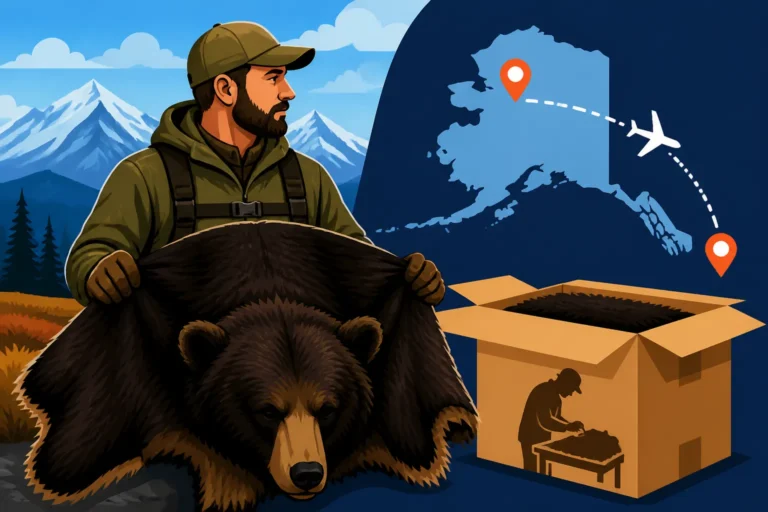
- Trophy Care and Taxidermy: If you plan to take your trophy home, you'll incur costs for proper field preparation, potential initial tanning, and shipping to your chosen taxidermist, whether in Alaska, your home country, or elsewhere. Shipping an Alaska Bear Hide to a Taxidermist provides more information on this.
- Tips: Tipping your guide and any camp staff (cooks, packers) is customary and expected in the guiding industry. This can add a significant percentage to your total trip cost.
- Gear: While your guide may provide communal camp gear, you'll need personal hunting clothing, boots, optics, and other specialized equipment suitable for Alaska's challenging environment.
- Contingency Fund: Always budget for unexpected expenses like weather delays that might require extra hotel nights, additional bush plane time, or unforeseen gear repairs.
Creating a detailed budget that accounts for all these elements is crucial. A simple rule of thumb is that the guide fee is often just one-third to one-half of the total trip cost once everything else is factored in. For a complete picture of potential expenses, refer to Budgeting Licence, Tags and Fees for an Alaska Hunt.
Navigating Import/Export Regulations
Bringing firearms into the U.S. and then importing trophies back to your home country involves a layer of international regulations that are critical to understand.
- Firearms: If you plan to bring your own hunting rifle, you'll need to complete specific U.S. Customs and Border Protection forms (e.g., CBP Form 4457 for proof of ownership) and adhere to airline regulations for transporting firearms and ammunition. Coordinate this well in advance with your airline and guide.
- Trophy Export: For species like brown bear, you will likely need CITES (Convention on International Trade in Endangered Species of Wild Fauna and Flora) permits to export your trophy from the U.S. and import it into your home country. This is a federal process that can take time and requires careful documentation. Your guide and an experienced taxidermist will be invaluable in navigating this. Failing to obtain the correct permits can result in severe penalties, including seizure of your trophy. This is where Export Permits for an Alaska Brown Bear Hide becomes incredibly important. Always work with your guide and an experienced taxidermist to ensure all paperwork is in order before you even pull the trigger.
The Unforgettable Alaska Experience with a Guide
While the logistical and financial hurdles of a guided hunt for a non-resident alien in Alaska are undeniable, the experience itself is truly unparalleled. A professional guide doesn't just meet a legal requirement; they unlock a deeper, safer, and often more successful connection to the Alaskan wilderness.
Safety in Remote Alaska
Alaska's wilderness is breathtakingly beautiful but also inherently dangerous. The terrain can be rugged and unpredictable, weather can change in an instant, and encounters with dangerous wildlife, particularly bears, are a real possibility. For non-resident aliens unfamiliar with the unique challenges of this environment, a guide is not just a luxury; it's a vital safety net.
Guides are intimately familiar with the areas they hunt, knowing the safe routes, potential hazards, and how to react in an emergency. They carry satellite communication devices, often possess extensive first aid training, and are equipped to handle unexpected situations, from broken bones to aggressive bears. Their presence significantly mitigates risks. Imagine being deep in the Alaska Range, a sudden whiteout descends, and you're miles from camp with no cell service. A guide's experience in alpine navigation without cell service and ability to lead you safely through such conditions is priceless. Furthermore, a guide will instruct you on critical safety measures around a kill site, especially in Bear Safety While Butchering a Kill in Alaska.
Increased Success Rates and Ethical Hunting
Let's be honest: one of the primary reasons to embark on a guided hunt is to increase your chances of success. Guides spend countless hours scouting, monitoring game movements, and learning the habits of specific animals in specific areas. They know Where Alaska Bulls Concentrate During the Rut or What Dall Sheep Eat Above Timberline, giving you a significant advantage. Their ability to field judge animals quickly and accurately ensures you're harvesting a legal animal, a particularly crucial aspect in antler-restricted moose hunts or full-curl sheep hunts.
Beyond success in harvesting an animal, a good guide instills and enforces ethical hunting practices. They ensure fair chase, proper shot placement, and thorough meat retrieval, adhering to Alaska's strict salvage laws. This commitment to ethics ensures that your hunt honors the animal and contributes positively to the conservation efforts that keep Alaska wild. Reviewing Reading Guide Success Rates Honestly can help you choose a guide who aligns with your hunting goals and values.
Beyond the Harvest: Cultural and Wilderness Immersion
While harvesting a trophy animal is often the goal, the true value of a guided Alaska hunt extends far beyond the kill. A professional guide offers a profound immersion into Alaska's unique wilderness and culture. They share stories of the land, explain wildlife behavior, and offer insights into what it means to live and thrive in this remote environment.
You'll learn about the subtle signs of game, the resilience of the ecosystem, and perhaps even some bushcraft skills. It's an opportunity to connect with nature on a deeply personal level, far from the distractions of modern life. The memories forged during long days in the field, challenging climbs, and quiet evenings around a campfire with a seasoned Alaskan professional will last a lifetime, regardless of whether you punch your tag. This educational and experiential aspect is an integral part of the investment and makes a guided hunt truly unforgettable for the non-resident alien explorer.
Disclaimer
This article is for general informational purposes only and does not constitute professional advice. Laws, prices and regulations vary by location and change over time. Consult a qualified professional for guidance on your specific situation.