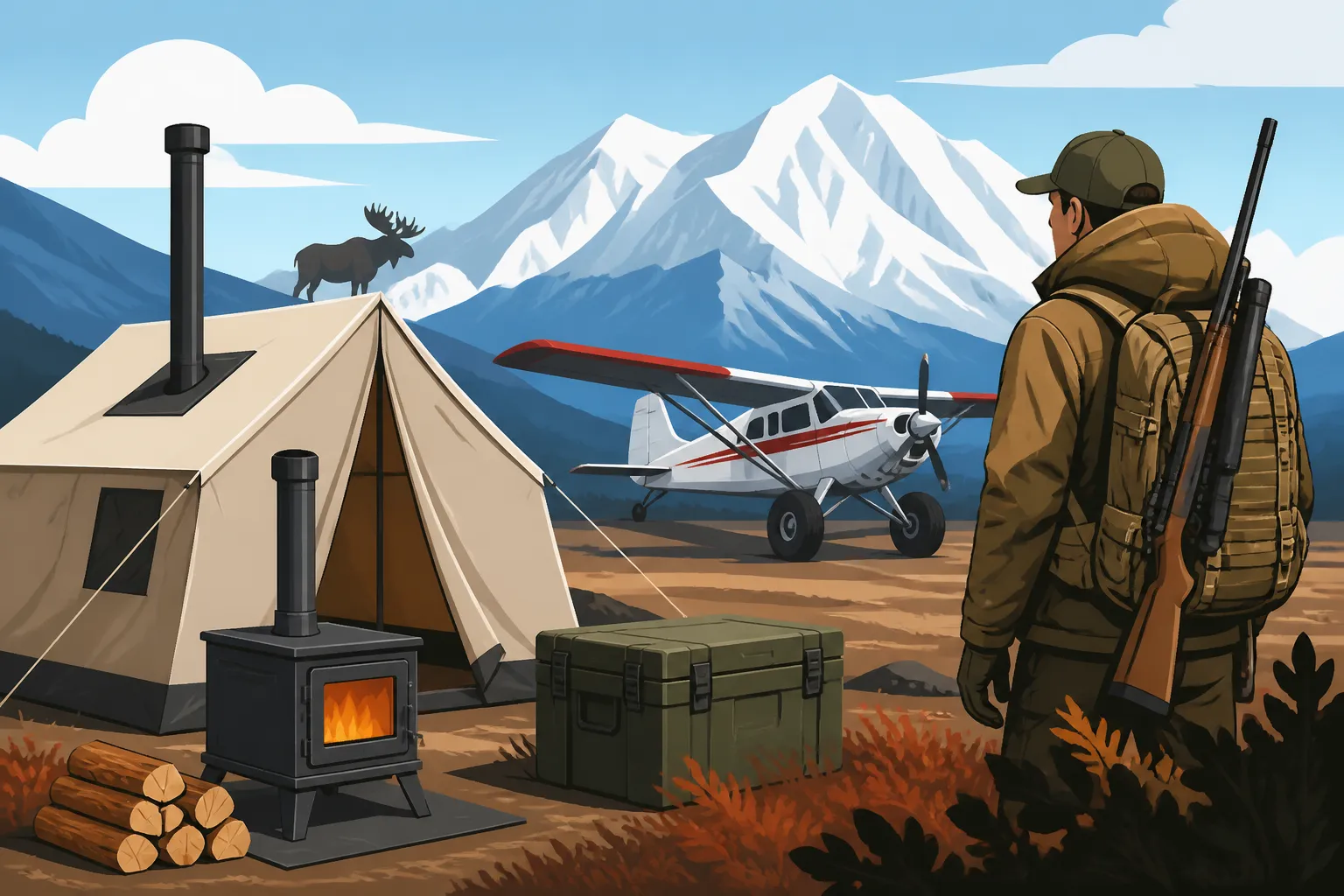
Tent and Stove Rentals From an Alaska Transporter
The logistical puzzle of planning a remote Alaska hunt is enough to make even the most seasoned outdoors enthusiast pull their hair out. Between coordinating flights, managing gear weight, and just trying to figure out how to get a sturdy, warm shelter into the backcountry, it can feel like you need a degree in advanced logistics just to get started. One of the biggest headaches often revolves around camp essentials: specifically, how do you get a reliable tent and a decent stove to your remote hunting location without breaking the bank or losing your sanity? This guide is going to walk you through how Alaska transporters can be your secret weapon for solving this very problem, offering practical rental options that can drastically simplify your wilderness adventure.
The Logistics Lifeline: Why Renting Camp Gear is a Game Changer
Let's be honest, getting yourself to a remote Alaska hunting camp is half the battle. You’re already thinking about rifles, optics, clothes, and enough food to survive a small apocalypse. Adding a bulky, heavy tent and a wood stove to that mental checklist, let alone the physical packing list, often pushes people to their breaking point. That's where the option of renting from your air taxi or river transporter truly shines, turning a major headache into a streamlined solution.
The Weight and Bulk Conundrum for Remote Hunts
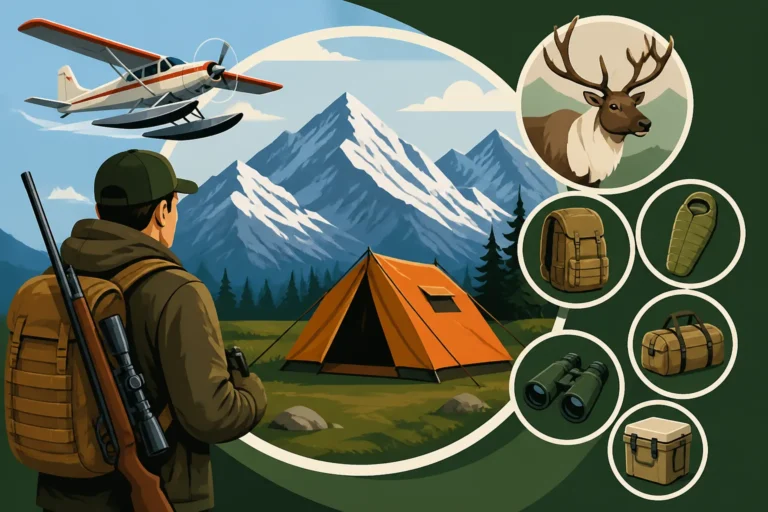
Imagine you've booked a bush plane, maybe a Super Cub or a Beaver, to drop you deep into a prime moose hunting area. Your pilot has given you a strict weight limit – and for good reason. Every pound counts when you’re pushing the limits of an aircraft in the remote Alaskan wilderness. Now, picture trying to squeeze a massive canvas wall tent, its poles, and a heavy cast-iron stove into that already packed plane alongside your rifle, pack, and all your personal gear. It's not just about the weight; it's the sheer volume. A good, robust tent, especially one designed for Alaska's conditions, is not small or light. A wood stove, even a collapsible one, adds significant weight and awkward dimensions.
Hunters often find themselves trying to shave ounces from every item, only to realize their tent and stove gobble up a huge chunk of their allowance before they even pack a sleeping bag. This isn't just a hypothetical problem; it's a very real one that can lead to Extra Charges for Overweight Gear or, worse, having to leave essential items behind. By renting these items directly from your transporter, you're sidestepping this entire logistical nightmare. The gear is already at their base, ready to be loaded, and often, the weight of their own rental equipment is factored into your flight cost differently, or at least it’s a known quantity they’ve planned for.
Avoiding Airline Hassles and Damage
Beyond the bush plane, think about the journey to Alaska. Commercial airlines have increasingly restrictive baggage policies, and the idea of checking a large, oddly shaped tent bag or a stove box can be daunting. You worry about lost luggage, damaged equipment, or simply the exorbitant fees for oversized or overweight items. I've heard countless stories of hunters arriving in Anchorage only to find their specialized tent poles bent or their stove components missing, turning their meticulously planned hunt into an immediate scramble.
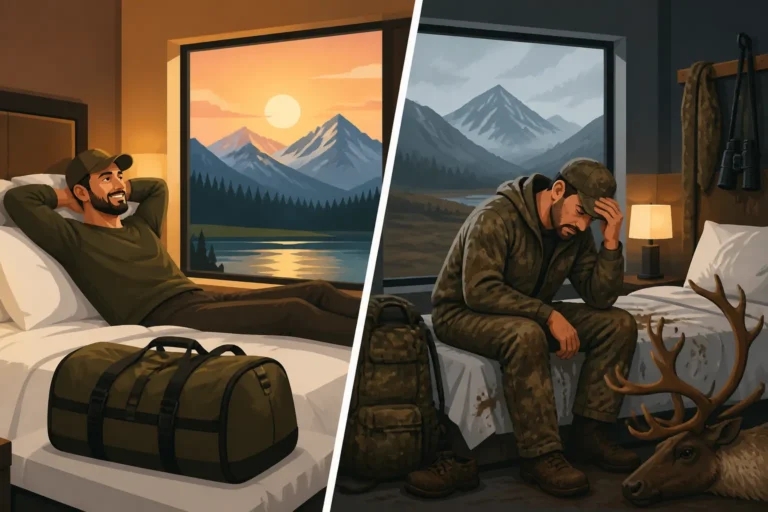
When you rent from an Alaska transporter, these concerns largely disappear. The gear is already in Alaska, safely stored at their base of operations. You just show up, pack your personal items, and load up. It’s a huge relief to know that your critical shelter and heating system aren’t somewhere in a baggage carousel black hole between Seattle and Fairbanks. This frees you up to focus on the truly essential items you must bring yourself, like your hunting rifle, optics, and personal clothing, rather than worrying about the logistics of bulky camp equipment.
Gear Suited for Alaska's Conditions
Let's face it: not all outdoor gear is created equal, especially when it comes to the demands of Alaskan weather. That lightweight backpacking tent you love for summer trips in the Lower 48 might not stand up to the relentless winds and driving rain of a September storm in the Alaska Range. Your small backpacking stove might be fine for boiling water, but it won't keep you warm in an unexpected cold snap or dry out your gear after a multi-day downpour.
Alaska transporters are intimately familiar with the conditions of the areas they fly into. They know what kind of tents can withstand alpine gales, what stoves can burn wet spruce, and what will keep hunters safe and relatively comfortable. When you rent from them, you're getting gear that is tried, tested, and proven in Alaskan conditions, not just a generic outdoor store solution. This expertise is invaluable. They're not going to rent you something that's likely to fail and leave you in a bad spot, because that just creates a bad situation for everyone involved, including them. Their reputation often hinges on the quality of the service, including the reliability of their rental gear.
What's on Offer: Common Rental Gear from Transporters
So, you're convinced that renting makes sense. But what exactly can you expect to rent? It's not just a generic tent and stove; many transporters offer a range of options designed to fit different hunting styles and group sizes, from ultralight spike camps to comfortable base camps. Understanding these options can help you decide what's best for your particular adventure.
Shelter Solutions: From Spike Camps to Base Camps
Transporters typically stock a variety of tents to suit different needs. For a nimble, fast-moving hunt, like Spot-and-Stalk Dall Sheep Hunting Above Alaska Timberline, you might only need a lightweight, durable mountaineering tent. These are designed for minimal weight and maximum protection in exposed, high-altitude environments. They’re usually smaller, fitting two or three hunters tightly, and are built to shed wind and snow efficiently.
For those planning a longer stay in one location, perhaps a Float Hunting Alaska Rivers for Moose and Caribou trip where you're setting up a more permanent base camp, a larger dome tent or even a canvas wall tent might be available. These offer more interior space, allowing hunters to stand up, organize gear, and dry out clothes. Wall tents, in particular, are fantastic for base camps, providing a robust, home-like feel in the wilderness, especially when paired with a wood stove. They often come with an internal frame system that provides great stability. You’ll want to clarify with your transporter what sizes and styles they have available and which might be best suited for your target species and hunting style.
Warming Up: Stove Options for Alaskan Weather
A reliable heating source can make or break an Alaska hunt, not just for comfort but for safety. Transporters often offer a couple of main stove options:
- Wood Stoves: These are the champions for warmth and drying out gear. Typically made from lightweight steel or titanium, they're designed to break down for transport and are paired with a wall tent. The psychological comfort of a crackling fire in a warm tent after a cold, wet day on the tundra is immeasurable. The trade-off is the need for firewood. While Alaska has vast timber resources, finding dry, usable wood can be a chore in some areas or during prolonged wet spells. You'll need to factor in time for gathering and processing wood if you opt for this.
- Propane or Diesel Heaters: These offer convenience and consistent heat without the need for wood. They're often smaller, lighter (without the fuel), and can be used in a wider range of tents (though proper ventilation is always critical). The main drawback is carrying the fuel. Propane tanks add significant weight, and diesel fuel, while efficient, needs careful handling. Your transporter can advise on the best option based on the duration of your hunt, the expected temperatures, and the availability of fuel. Sometimes, even a robust cook stove is sufficient if you just need to boil water and warm up some food, rather than heat an entire tent for sleeping.
Beyond the Basics: Other Useful Rentals
Don’t stop at just tents and stoves! Many transporters have a wider inventory of items that can make your hunt more comfortable and safe, while further reducing your personal gear load. This might include:
- Sleeping Systems: Think comfortable, insulated sleeping pads or even cots, which lift you off the cold ground and make for a much better night's rest.
- Cooking Gear: Basic pots, pans, utensils, and maybe even a small folding table.
- Water Filtration: Reliable pumps or gravity filters are essential for safe drinking water in camp.
- Bear Safety Equipment: Some transporters might rent electric Bear Fence Setup at a Meat Cache systems or bear-resistant food containers, which are vital in many parts of Alaska.
- Communication Devices: For solo hunters or groups venturing far off the grid, renting a satellite phone or an InReach device is a smart move. These are crucial for emergency communication and for daily check-ins with your transporter, as detailed in Signal Devices and Check-In Plans for Solo Alaska Hunts.
- Game Bags: While often disposable, some transporters might offer heavy-duty, reusable game bags.
Always ask your chosen transporter for a full list of their available rentals. You might be surprised at what else they can provide to make your remote camp a functional and comfortable base.
The Practicalities: Cost, Booking, and Care Considerations
Deciding to rent your tent and stove is just the first step. Understanding the practical aspects – how much it costs, what your responsibilities are, and how far in advance to book – is crucial for a smooth experience. These details can often trip up even well-prepared hunters if not addressed upfront.
Understanding Rental Fees and Deposits
Rental costs for tents and stoves can vary quite a bit depending on the size, type, duration of the rental, and the specific transporter. Most operate on a daily or weekly rate structure. For example, a heavy-duty wall tent with a wood stove might cost more per day than a smaller, lighter dome tent. It’s absolutely vital to get a clear, itemized breakdown of all rental fees before you commit. Don't be afraid to ask for a written quote.
Beyond the rental fee, expect to pay a deposit. This deposit serves as insurance for the transporter against damage or loss of their equipment. Clarify what conditions might lead to a forfeiture of part or all of your deposit. Is normal wear and tear acceptable? What if a bear chews a guy line or the wind rips a tent flap? Knowing these policies upfront prevents unwelcome surprises later. Many hunters use resources like BookYourHunt to find and compare transporters, and once they've narrowed down their choice, they delve into the specific rental terms directly with the provider. Similarly, research tools like GoHunt can help you vet transporters and understand the general expectations for such services.
Inspection, Responsibility, and Damage Policies
This is where being proactive saves you a lot of grief. When you pick up your rental gear, take the time to inspect it thoroughly before it gets loaded into the plane. Look for any existing rips, broken poles, missing components, or stovepipe damage. Take photos or videos as documentation. This way, if there’s a dispute about damage when you return the gear, you have proof of its condition at the outset.
You, as the renter, are generally responsible for the care and return of the equipment in the condition you received it, accounting for reasonable wear and tear. Accidents happen in the backcountry – tents get snagged, stoves get dinged – but gross negligence can result in a charge against your deposit. Understand what constitutes damage versus normal wear. For instance, a small tear from a sharp branch might be covered by your deposit, whereas packing a wet tent away for days, leading to mildew, might result in a cleaning fee. Always clarify these points with your transporter. They should have a clear policy on how they handle damage.
Timing is Everything: Booking and Pick-up/Drop-off
Just like booking your air taxi flights, you should arrange your tent and stove rentals well in advance, especially if you’re hunting during peak season (August through September). Transporters often have a limited inventory of quality rental gear, and the best equipment gets booked quickly. Waiting until the last minute is a recipe for disappointment, potentially leaving you scrambling to buy unfamiliar, and possibly unsuitable, gear in a remote Alaskan town.
Coordinate your gear pick-up and drop-off times with your flight schedule. Flexibility is often the name of the game in Alaska, as Weather Days and Who Pays for Them can easily throw a wrench in even the best-laid plans. If you anticipate a delay in returning to base, communicate immediately with your transporter. They need to know when their gear will be available for the next client. Clear communication throughout the process is key to a smooth and stress-free experience for everyone. Always ask about their policy for late returns, especially if weather delays your pickup from camp.
Weighing Your Options: Rent or Bring Your Own?
The decision to rent or bring your own tent and stove isn't always cut and dry. It depends heavily on your specific hunt, your budget, your personal preferences, and how often you plan to hunt in Alaska. There are clear advantages to both, but for many, the benefits of renting from an Alaska transporter far outweigh the perceived downsides.
Cost-Benefit Analysis for Your Specific Hunt
Let’s be realistic about the costs. Buying a high-quality, Alaska-appropriate tent and stove can be a substantial investment. Then factor in the potential for extra baggage fees on commercial flights, the hassle of packing and unpacking bulky items, and the risk of damage or loss in transit. For a hunter making a once-in-a-lifetime trip, or even just a few trips, renting often makes more financial sense than purchasing all new, specialized gear.
| Feature | Renting from Transporter | Bringing Your Own Gear |
|---|---|---|
| Initial Cost | Rental fees + deposit (often lower upfront) | Purchase price of high-quality tent/stove (significant) |
| Logistics | Gear already in Alaska, no airline hassle | Commercial airline baggage fees, potential damage risk |
| Weight/Bulk | Reduces personal gear weight, fits bush plane limits better | Can exceed bush plane weight/volume limits, expensive overages |
| Suitability | Proven, Alaskan-specific gear maintained by experts | Relies on your research and experience, may not be optimal |
| Maintenance | Transporter handles cleaning, repairs, storage | You handle all maintenance, repairs, and off-season storage |
| Flexibility | Can try different setups for different hunts | Limited to your owned gear unless buying more |
| Responsibility | Responsible for care during rental period | Responsible for all aspects of ownership and transport |
As you can see, for many, the logistical simplicity and immediate cost savings make renting a very attractive option. This table highlights some of the key differences, helping you decide where your priorities lie.
Personal Preference and Hunt Style
Ultimately, some decisions come down to personal preference. Some hunters simply prefer the familiarity of their own gear, no matter the extra effort. If you’ve spent years refining your packing system, know your tent inside and out, and trust your stove implicitly, then bringing your own might be a comfort. This is especially true for those who are frequent, experienced Alaskan hunters or who consistently utilize similar base camp setups.
However, for those venturing into Alaska for the first time, or trying a new hunt style (say, moving from a road-system hunt to a remote fly-in), renting provides a safety net. It ensures you have robust, appropriate gear without having to make a massive upfront investment in equipment you might only use once or twice. Consider the type of hunt: What an Alaska Drop Camp Package Includes may specify that tents and stoves are already a part of the provided infrastructure, while a more DIY approach might leave it entirely up to you. If your hunt involves a lot of moving, like a true Backpack Hunting in Alaska: Gear Weight and Meat Loads expedition, then even a small rental tent might be too much, and you'd use your own ultralight shelter. But for a fixed base camp, the benefits of a larger, more comfortable rental are undeniable.
Leveraging Transporter Expertise
One of the often-overlooked benefits of renting from your air taxi or river transporter is the opportunity to tap into their vast local knowledge. These individuals aren't just pilots or boat captains; they are often seasoned Alaskan outdoorsmen who live and breathe the bush. They know the terrain, the weather patterns, and what works (and what doesn't) in their specific operating areas.
When you rent a tent and stove from them, you're not just getting equipment; you're getting a piece of their experience. They've likely chosen and maintained that gear because it's proven reliable under tough conditions. Don't hesitate to ask them for advice on setting up camp, managing your stove, or even tips on where to find dry firewood. Their insights can be invaluable, especially if you’re new to hunting a particular unit or facing unfamiliar conditions. This direct connection to local expertise is a huge advantage that you simply don’t get when you bring your own gear from thousands of miles away.
Renting tents and stoves from an Alaska transporter is a smart, practical strategy that can significantly reduce the logistical burdens and costs associated with planning a remote hunt. It ensures you have reliable, Alaska-proven gear, eliminates commercial airline hassles, and lightens your personal packing load. By understanding the options, clarifying costs and responsibilities, and booking in advance, you can focus less on gear anxieties and more on the incredible hunting adventure that awaits you in the Last Frontier.
Disclaimer
This article is for general informational purposes only and does not constitute professional advice. Laws, prices and regulations vary by location and change over time. Consult a qualified professional for guidance on your specific situation.