Filing a Complaint Against an Alaska Guide
It's an incredibly frustrating experience to save up for years, plan every detail, and commit to an Alaska hunting adventure, only to have it marred by a guided trip that falls far short of expectations or, worse, involves serious misconduct. When things go sideways with an Alaska hunting guide, knowing your options and the proper channels for recourse can feel overwhelming. This guide will walk you through the process of how to file a formal complaint against an Alaska guide, helping you understand when it's appropriate, what evidence you'll need, and what you can expect from the process.
When and Why You Might Need to File a Complaint
It's easy to feel disappointed if a hunt doesn't pan out. Maybe the weather turned sour, the animals were scarce, or you simply didn't connect with your guide on a personal level. But there's a crucial difference between a less-than-ideal hunt and a situation that warrants a formal complaint. Understanding this distinction is your first step.
Differentiating a Serious Issue from a Bad Hunt
Let's be real: hunting in Alaska is tough. There are no guarantees. You might encounter unseasonable blizzards, uncooperative game, or just have an off day with your shooting. These are the inherent risks of hunting, and they don't typically form the basis for a formal complaint. A guided hunt where you didn't see an animal, but the guide did everything according to the contract and safety protocols, usually falls into the category of "bad luck" or "unfulfilled expectations," not misconduct.
However, a complaint becomes necessary when there are clear violations of the guide's ethical obligations, safety regulations, or legal requirements. Did your guide fail to follow state game laws, putting you at risk of a citation? Was safety consistently disregarded, creating genuinely dangerous situations? Did the guide abandon you, misrepresent services significantly, or operate without proper licensing? These are the serious issues that the state's regulatory body wants to know about. Think about instances of gross negligence, unethical behavior, or outright illegal acts. For example, if your guide knowingly hunted in a closed area, or refused to properly salvage edible meat, those are serious breaches. Packing Out Meat in Alaska: The Salvage Law Hunters Must Follow details some of these legal obligations.
The Role of Your Guide Contract
Before you even step foot in Alaska, your guide contract is your most important document. This legal agreement outlines the services promised, the dates of the hunt, the species to be hunted, and often specific clauses about cancellations, refunds, and what happens in unforeseen circumstances. Many valid complaints stem from a clear breach of this contract.
Did the guide fail to provide the agreed-upon camp amenities? Were fewer hunting days delivered than paid for? Was the guide-to-hunter ratio different from what was stipulated? These contractual discrepancies can form the backbone of a complaint. It's why we always emphasize reading your contract thoroughly before you sign it and asking questions about anything unclear. A good contract protects both you and the guide, and when it's violated, it provides a solid foundation for your grievance. Keep a copy of your signed contract in a safe place, both physically and digitally. Many hunters use resources like GoHunt or BookYourHunt to research and compare guides, and these platforms often highlight the importance of clear contracts. Always review the guide's specific terms, not just general promises. Guide Contracts and Deposits in Alaska elaborates on the importance of this document.
The Official Avenue: Alaska's Big Game Commercial Services Board
When you have a legitimate complaint against an Alaska hunting guide, you don't call the Fish and Game department directly. The state has a specific regulatory body designed to oversee and discipline licensed guides and transporters: the Alaska Big Game Commercial Services Board. This distinction is incredibly important for ensuring your complaint goes to the right place.
Understanding the Board's Authority
The Alaska Big Game Commercial Services Board is the state agency responsible for licensing, regulating, and disciplining big game hunting guides, assistant guides, and hunting transporters. Their mandate is to protect the public (that's you, the hunter!) and maintain the integrity of Alaska's guided hunting industry. They investigate allegations of professional misconduct, negligence, and violations of state laws and regulations related to guiding services. They are not directly involved in managing wildlife populations or setting seasons (that's the Board of Game's job), but rather in ensuring that those who commercially engage in hunting services operate ethically and legally.
If your complaint alleges that a guide acted unprofessionally, unethically, or illegally in their capacity as a commercial guide, this is the board you need to contact. They have the authority to impose disciplinary actions ranging from fines and license suspensions to permanent revocation of a guide's license. This means they can prevent a problematic guide from operating in Alaska, which is a significant deterrent and a protection for future hunters. You can often find information on a guide's license status, and sometimes even past disciplinary actions, by checking with this board directly. Alaska Guide Complaints and How to Check a Licence covers how to do just that.
Accessing Complaint Forms and Procedures
To file a complaint, you'll need to go through the official channels of the Alaska Big Game Commercial Services Board. The most direct way to do this is to visit the Alaska Department of Commerce, Community, and Economic Development's professional licensing division website. Navigate to the Big Game Commercial Services Board section, where you should find information about their complaint process and links to the necessary forms.
Generally, the process involves:
- Obtaining the Complaint Form: Download the official complaint form from the Board's website. Do not attempt to write a free-form letter as your initial complaint; use their structured form.
- Completing the Form Thoroughly: Fill out every section of the form completely and accurately. This includes your contact information, the guide's name and license number (if known), the dates and location of the hunt, and a detailed description of the alleged violations. Be specific, objective, and stick to the facts. Avoid emotional language, personal attacks, or speculation. Focus on what happened, when it happened, and who was involved.
- Attaching Supporting Documentation: This is where all your evidence comes into play. The form will usually prompt you to attach copies of your contract, correspondence, photos, or other documents that support your claim. Do not send originals; keep those for your own records.
- Submitting the Complaint: Follow the instructions on the form for submission. This typically involves mailing the completed form and all attachments to the Board's office in Juneau or Anchorage. Ensure you send it via a method that provides proof of delivery, like certified mail.
It's crucial to understand that there will likely be a specific deadline for filing a complaint after the incident occurs. Check the Board's rules for these timelines, as waiting too long could jeopardize your case.
Building Your Case: Essential Evidence Gathering
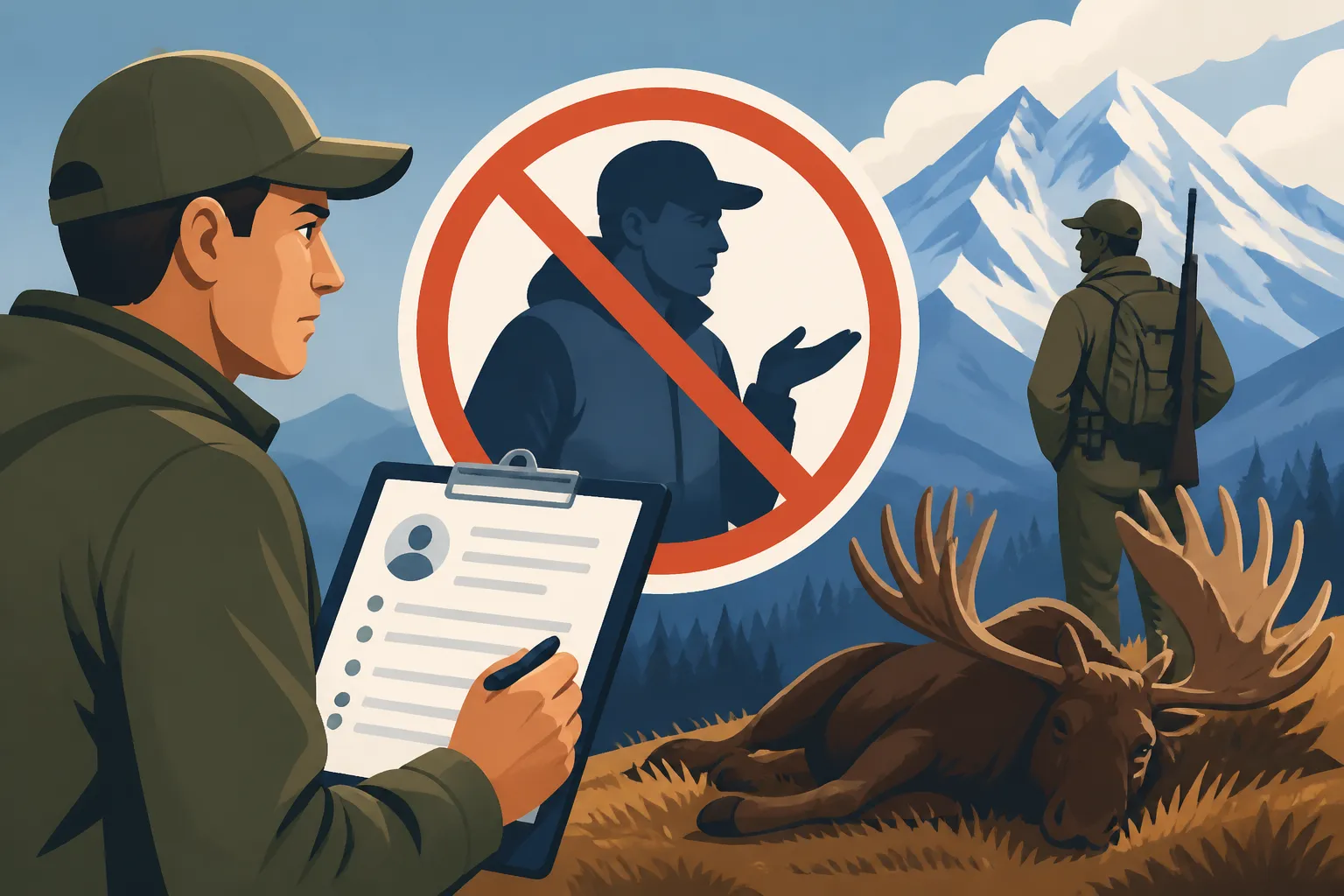
A complaint, no matter how heartfelt, needs to be backed by concrete evidence to be taken seriously by the Alaska Big Game Commercial Services Board. Think of yourself as building a legal case, even if you're not in a courtroom. The more detailed, objective, and verifiable your evidence, the stronger your complaint will be.
Documenting Incidents: The More Detail, The Better
From the moment something feels "off" during your hunt, start documenting. This isn't about being paranoid, it's about being prepared.
- Written Records: Keep a hunting journal. Note dates, times, specific locations (GPS coordinates if possible), and exactly what happened. Who said what? Who did what? Be precise. For instance, instead of writing "The guide was unsafe," write "On September 12th, at approximately 10:30 AM, Guide John Doe instructed me to cross a rapidly flowing glacial river without a safety line, despite my express concerns and visible hazards. He did not check the water depth or current speed beforehand."
- Photos and Videos: Visual evidence is incredibly powerful. If you see an illegal kill, an unsafe camp setup, improper meat care, or a guide consuming alcohol while on duty, capture it. Make sure photos and videos are time-stamped if your device allows it. These can prove things like the condition of game meat, the state of the camp, or even proof of location. For example, if your guide claimed to be in one area but was actually in another, GPS-tagged photos could reveal this. Cape and Skull Care for a Brown Bear Hide and Hanging Meat in Warm September Weather touch on proper animal care, and photos could show neglect.
- Keep Everything: Save receipts, emails, text messages, and even notes from phone calls. If you spoke to the guide, their assistant, the air taxi pilot, or anyone else involved, jot down the date, time, and main points of the conversation.
Communication Records and Witness Testimony
Your interactions before, during, and after the hunt are all part of your evidence.
- Email and Text Messages: These are invaluable as they provide a written, time-stamped record of communication. If you expressed concerns about safety, asked for clarification on contractual points, or tried to resolve issues directly with the guide, those messages are crucial. Do not delete them.
- Witness Statements: If you were hunting with a partner, or if other camp staff or even other clients witnessed the alleged misconduct, ask them to provide a written statement. A good statement should include their name, contact information, a description of what they saw or heard, the date and time, and their signature. The more independent witnesses, the better. This is especially true if a guide violates Alaska's Same-Day-Airborne Rule and What It Bans, as multiple observers could confirm the violation.
- Refusal to Communicate: If the guide suddenly stops responding to your attempts to resolve the issue, document that too. A lack of communication can sometimes be indicative of a guide trying to avoid accountability, and the Board will note this.
| Evidence Type | Examples | Why it's Important |
|---|---|---|
| Written Records | Detailed journal entries (dates, times, locations, specific actions/quotes), original guide contract, receipts for payments, flight itineraries, packing lists. | Provides a chronological, factual narrative; proves contractual agreements and payments; establishes baseline expectations. |
| Visual Evidence | Time-stamped photos or videos of unsafe practices, illegal game (if taken), improper meat care, unsuitable camp conditions, specific locations, damaged equipment. | Offers undeniable proof of incidents; illustrates the severity of issues; can verify locations and times. |
| Communication Logs | Saved emails, text messages, written notes from phone calls (date, time, summary), social media messages, booking confirmations. | Documents attempts at resolution, guide's promises/responses, warnings given, or lack of communication. |
| Witness Statements | Signed, dated statements from hunting partners, other clients, or camp staff describing specific incidents they observed. Includes their contact info. | Provides independent verification of your claims, adding credibility and demonstrating a pattern of behavior if multiple witnesses exist. |
| Official Documents | Copies of hunting licenses, tags, permits, air taxi invoices, any official warnings or citations received (if applicable and related). | Proves legal status of hunter and guide; clarifies what was permitted; supports claims of illegal activity or misrepresentation. |
After You File: What to Expect from the Process
Once you've meticulously gathered your evidence and submitted your complaint to the Alaska Big Game Commercial Services Board, the waiting game begins. It's important to set realistic expectations about what happens next and what outcomes are possible. The wheels of bureaucracy can turn slowly, but they do turn.
Investigation and Review Timelines
The Board will review your complaint to determine if it falls within their jurisdiction and if there's enough information to proceed with an investigation. If it meets these initial criteria, an investigator will typically be assigned to your case. This individual will contact you for more details, interview the guide against whom the complaint was filed, and gather any further evidence. They might also contact witnesses you've named or request additional documents.
This process is rarely swift. Investigations can take weeks or even months, especially if the guide is remote, if there are multiple parties involved, or if the alleged violations are complex. The investigator needs time to gather facts, review regulations, and prepare a comprehensive report for the Board. Be patient, cooperative, and responsive to any requests from the investigator. Resist the urge to constantly call for updates; they will usually contact you when they have significant progress to report or need more information.
Potential Outcomes for the Guide (and You)
It's vital to understand that the primary purpose of the Alaska Big Game Commercial Services Board is to regulate the guiding industry and protect the public, not to mediate disputes or secure financial compensation for individual hunters. While your complaint might be found valid, leading to disciplinary action against the guide, it doesn't automatically mean you'll get your money back.
Potential outcomes for the guide can include:
- Dismissal: If the Board finds insufficient evidence or determines the complaint doesn't fall under their purview, the complaint might be dismissed.
- Letter of Warning: For minor infractions, the guide might receive an official letter warning them about their conduct and reminding them of their obligations.
- Fines: The guide could be assessed monetary penalties.
- License Suspension: For more serious violations, the guide's license could be suspended for a period, preventing them from operating during that time.
- License Revocation: In the most severe cases, particularly involving gross negligence, repeated offenses, or criminal activity, a guide's license could be permanently revoked. Alaska Guide Licensing: Assistant, Registered and Master outlines the different license types a guide holds, and any disciplinary action impacts their ability to hold these.
For you, the hunter, the outcome is primarily the satisfaction of knowing you've held a guide accountable and potentially prevented similar incidents for others. If you are seeking financial reimbursement, you would typically need to pursue that through civil court. The Board's actions are administrative and disciplinary, not about awarding damages.
In summary, filing a complaint against an Alaska guide is a serious undertaking that requires diligence and patience. By understanding the proper channels, gathering strong evidence, and maintaining realistic expectations, you can navigate this process effectively and contribute to maintaining the high standards of Alaska's hunting community.
Disclaimer
This article is for general informational purposes only and does not constitute professional advice. Laws, prices and regulations vary by location and change over time. Consult a qualified professional for guidance on your specific situation.