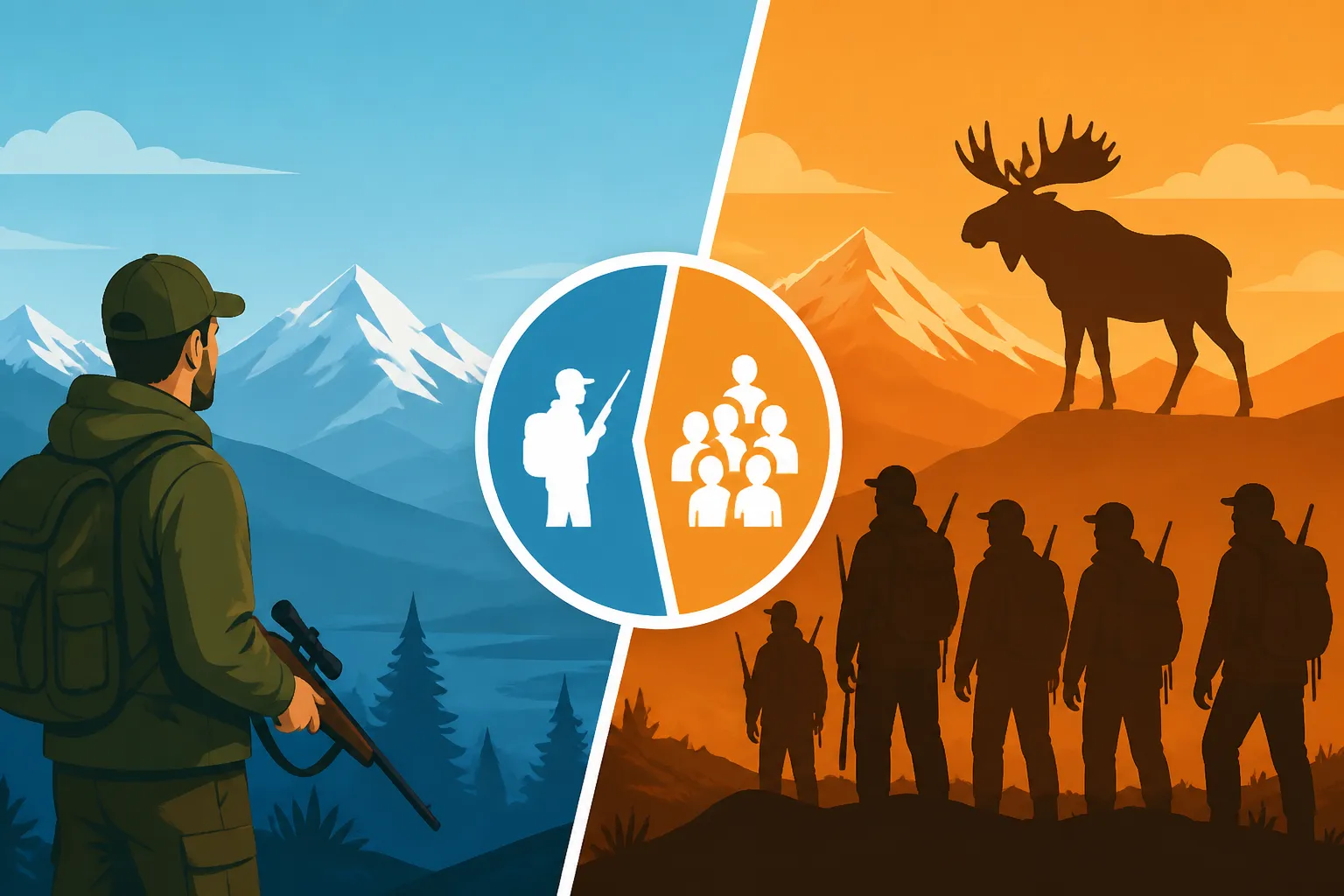
What a Guide-to-Hunter Ratio Means for You
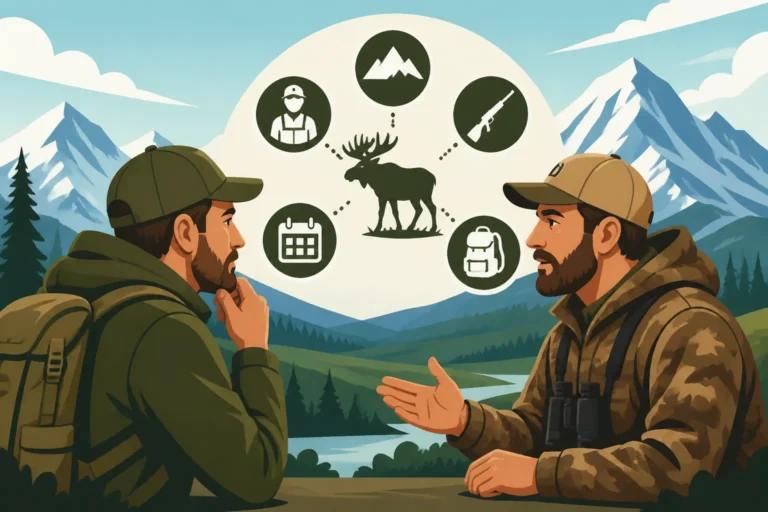
One of the most common anxieties for hunters planning an Alaska adventure, especially for the first time, is not truly knowing what to expect once they're out in the field with a guide. You hear terms like "one-on-one" or "two-on-one" thrown around, but what do those numbers really mean for your actual hunting experience, your success, your comfort, and even your safety? It's a critical detail that can shape your entire trip, and understanding the nuances of a guide-to-hunter ratio before you sign on the dotted line is absolutely essential to manage expectations and ensure you pick the right outfitter for your personal goals.
Understanding Guide-to-Hunter Ratios in Alaska
When you start researching guided hunts in Alaska, you’ll quickly encounter terms like "1×1" or "2×1" in the descriptions. These aren't just marketing buzzwords; they represent the guide-to-hunter ratio, a fundamental aspect of your hunt that dictates how much personalized attention you'll receive, the pace of the hunt, and often, the overall cost. Many hunters overlook how profoundly this ratio can impact everything from your shooting opportunities to your camp experience. It's not just about how many people are in the tent; it's about the guide's focus, the strategy, and the shared responsibility in the field.
What Do the Numbers Mean?
Let's break down the common terminology you'll see:
-
1×1 (One-on-One): This means one guide is dedicated solely to one hunter. It's the most personalized and often the most expensive option available. You and your guide are a team, moving together, glassing together, and making decisions together. There’s no splitting up, no waiting for another hunter, and the entire focus of the guide is on your success and experience. This ratio is typically sought after for highly demanding hunts, like Dall sheep or brown bear, where every moment counts and a clear, singular objective is paramount. It allows for maximum flexibility and responsiveness to changing conditions.
-
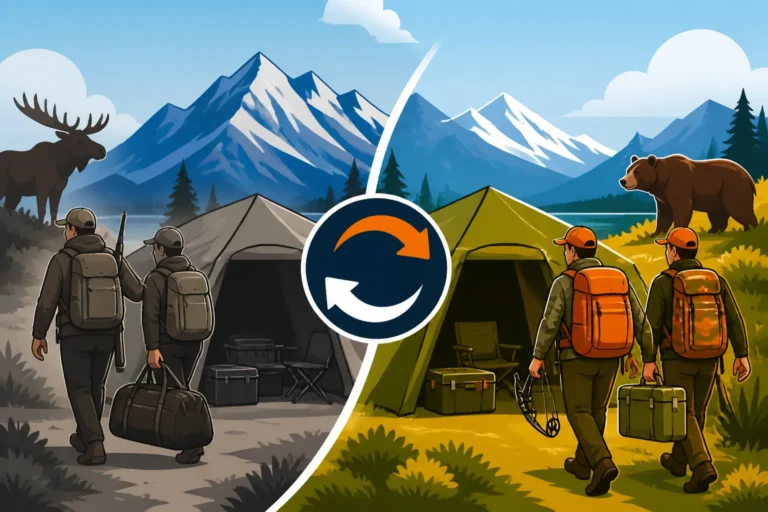
2×1 (Two-on-One): This ratio means one guide is accompanying two hunters. This is a very common arrangement, especially for species like moose or caribou, and it's generally more economical than a 1×1 hunt. In a 2×1 scenario, the guide effectively manages the hunt for both individuals simultaneously. This could mean glassing for two sets of eyes, stalking for two different shooting opportunities, or even splitting the hunters for short periods if the terrain allows. It often involves more coordination and compromise among the three individuals, but it can also foster a great sense of camaraderie.
-
1×2 (One Guide, Two Hunters – often same as 2×1): Sometimes you'll see this reversed, but it means the same thing: one guide, two hunters. The convention is usually hunter-to-guide (e.g., 2:1), but some outfitters might phrase it as guide-to-hunter. Always clarify if you're unsure.
-
Higher Ratios (e.g., 3×1, 4×1): While less common for big game in Alaska due to the demanding nature of the terrain and the intense focus often required, some outfitters might offer higher ratios, particularly for specific types of hunts like waterfowl or certain caribou hunts where larger groups can be managed effectively. For big game, anything beyond 2×1 is quite rare for nonresident hunters unless it's a specialty situation or multiple guides are present (which then typically becomes multiple 2×1 or 1×1 groups operating from the same base camp). Always be wary of very high ratios for demanding big game, as it can significantly dilute the quality of the individual hunter's experience and opportunities.
Beyond the Math: What It Implies for Your Hunt
The guide-to-hunter ratio isn't just about simple arithmetic; it's about the very fabric of your hunting experience. It impacts the daily routine, the flexibility of the stalk, the amount of physical exertion, and even the camaraderie (or lack thereof) in camp. For instance, a 1×1 hunt on a remote mountain for Dall Sheep in Alaska's Brooks and Alaska Ranges is an intensely personal endeavor. You're climbing with your guide, often sharing hushed conversations, making strategic decisions moment-by-moment, and pushing your limits together. Every decision, from where to glass next to how to approach a ram, is centered around your specific hunt.
Contrast this with a 2×1 moose hunt where one guide is juggling the desires and capabilities of two hunters. If one hunter is less fit, the pace might be slower for everyone. If two bulls appear, the guide has to make a quick decision about which hunter gets the primary opportunity, or how to set up two simultaneous stalks. There's a constant balancing act. It also means twice the conversations, twice the personalities, and potentially twice the gear to manage during the daily movements. Knowing this upfront, and discussing it with your potential guide, is crucial. You can use platforms like BookYourHunt or GoHunt to filter guides by their advertised ratios, which can help narrow down your options based on your preferences.
The Intimacy and Intensity of a 1×1 Hunt
Choosing a 1×1 hunt in Alaska is often a significant investment, both financially and personally. It’s for the hunter who craves an immersive, singularly focused experience where the guide's full attention is dedicated to their success. This isn't just a luxury; for some species and hunting styles, it's almost a necessity.
When a Solo Focus Is Worth the Investment
Think about hunts where stealth, precision, and quick decisions are paramount. A brown bear hunt on the Alaska Peninsula, for example, often demands a 1×1 ratio. When you’re stalking a large, potentially dangerous animal, having your guide's undivided attention on safety, wind direction, shot placement, and immediate follow-up is invaluable. There’s no second guessing, no splitting focus, and no trying to coordinate multiple shooters. The entire tactical approach is streamlined around one individual. The same goes for chasing a ram high in the alpine. Fitness Expectations on an Alaska Sheep Hunt are already high, but a 1×1 allows the guide to tailor the pace and duration of the stalk entirely to your physical capabilities and comfort level, maximizing your chances of reaching the right vantage point without blowing out your lungs or spooking the animals.
Furthermore, a 1×1 hunt offers unparalleled flexibility. If weather patterns shift suddenly, or if a prime area isn't producing, the guide can pivot quickly to a new strategy without needing to consult a second hunter or manage differing expectations. This nimbleness can be a game-changer in Alaska's often unpredictable environment. You become an extension of your guide, working as a seamless unit, which is particularly effective in tracking, spotting, and stalking. This personalized approach can significantly increase the quality of the hunting experience, regardless of whether a trophy is taken.
Physical Demands and Personalized Attention
A 1×1 hunt means the physical demands can be tailored precisely to you. If you’ve been diligently Training for a Backpack Sheep Hunt, your guide can push you hard, covering more ground, ascending steeper ridges, and spending longer hours glassing, knowing that you’re both on the same page regarding physical capability and ambition. Conversely, if you have specific physical limitations or simply prefer a more deliberate pace, the guide can adjust accordingly without affecting another hunter’s experience. This level of personalized pacing is a huge advantage, especially in rugged Alaska terrain where a misstep or exhaustion can be costly.
Beyond the physical, the emotional and mental aspects of the hunt are also heightened. You develop a deeper rapport with your guide. Conversations often extend beyond hunting to life experiences, conservation, and the sheer wonder of the Alaskan wilderness. This intense connection can make the entire trip far more memorable and meaningful. Moreover, in a 1×1 setting, all scouting and game interpretation is done with your preferences and skill set in mind. If you’re a bowhunter, for example, the guide will be focused purely on getting you into optimal archery range, not trying to balance that with a rifle hunter’s needs. This focus translates directly into more opportunities tailored to your method. Before booking, ask your guide directly about their approach to managing the physical and mental aspects of a solo hunter, especially when discussing Emergency Evacuation Plans in Remote Alaska.
The Dynamics of a 2×1 Hunt and Beyond
The 2×1 guide-to-hunter ratio is arguably the most common setup you’ll find in Alaska, especially for species like moose and caribou, and it's a fantastic way to experience the wild while sharing the adventure (and the costs). However, it comes with its own set of dynamics that every hunter should understand clearly before committing.
Sharing the Experience and the Costs
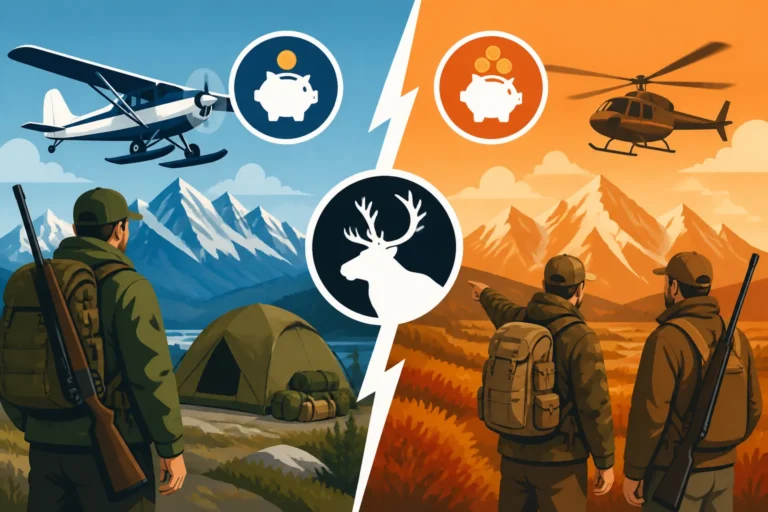
One of the biggest advantages of a 2×1 hunt is the cost savings. By splitting the guide's fee, charter flights, and other camp expenses with another hunter, the overall price tag becomes more accessible for many. This makes grander Alaska adventures, like a float hunt for Alaska Moose: Where the Biggest Bulls Live, more attainable. Beyond the economics, many hunters truly enjoy the camaraderie that comes with a shared experience. Having a hunting partner to debrief with at the end of a long day, share stories with, and celebrate successes (or commiserate over misses) adds a rich social dimension to the trip. It can also provide an extra set of eyes in the field, helping to spot game or notice subtle signs that one person might miss.
Outfitters often structure their offerings around 2×1 groups, so you might be paired with a friend or family member, or even a complete stranger. If you’re being paired with an unknown individual, it’s worth asking your outfitter about their process for matching hunters. While some outfitters have strict matching criteria, others might simply pair the next two available hunters. Websites like GoHunt and BookYourHunt often allow you to search for group rates, and some even have forums or communities where hunters look to form 2×1 pairs to reduce costs. This is an important consideration; your hunting partner will be a significant part of your daily life in camp, and compatibility can heavily influence your enjoyment.
Compromises and Coordination in a Group Setting
While the benefits of a 2×1 can be great, it's vital to acknowledge the inherent need for compromise and coordination. With one guide and two hunters, every decision, from the morning's hunting plan to the pace of a stalk, involves at least three perspectives. If one hunter wants to push hard all day and the other prefers a more relaxed pace, the guide has to find a middle ground. This often means the pace will be dictated by the slowest or least experienced member of the trio, or by the specific needs of the current situation.
Hunting opportunities can also require careful management. If a legal bull steps out, the guide might need to quickly assess which hunter has the better shot, or if a simultaneous double-kill is feasible and legal. This means one hunter might have to defer to the other, or opportunities might be lost due to the logistics of setting up two shooters. Communication is absolutely key. Hunters in a 2×1 group must be willing to work together, communicate openly, and understand that individual desires might sometimes take a backseat for the good of the group or the success of the hunt as a whole. Discussing Camp Food and Dietary Needs can also become a bit more complex with two hunters, compared to a single hunter and guide.
Here's a quick comparison of the common ratios:
| Feature | 1×1 Guide-to-Hunter Ratio | 2×1 Guide-to-Hunter Ratio |
|---|---|---|
| Personalized Attention | Max (Guide's sole focus is on one hunter) | Moderate (Guide balances needs of two hunters) |
| Cost | Higher (Guide's fee split by one) | Lower (Guide's fee split by two) |
| Flexibility | Very High (Easy to change plans, pace) | Moderate (Requires coordination, more planning) |
| Pace of Hunt | Tailored to individual hunter's fitness and goals | Dictated by the group, often the slower hunter |
| Camaraderie | Deep bond with guide, intense personal journey | Shared experience with another hunter, social dynamic |
| Decision-Making | Quick, direct with guide | Collaborative, requires compromise |
| Best For | Demanding species (sheep, bear), specific preferences | Common for moose, caribou, hunters seeking value |
| Potential Drawbacks | Higher cost, can be lonely for some | Potential for personality clashes, less individual focus |
Choosing the Right Ratio for Your Alaska Adventure
Deciding on the right guide-to-hunter ratio isn't a trivial matter; it's a decision that should align with your personal hunting philosophy, your budget, and the specific goals you have for your Alaskan hunt. It truly is about understanding yourself as a hunter and what you prioritize.
Self-Assessment: Hunter's Experience and Goals
Before you even start looking at guides, take an honest look in the mirror. What kind of hunter are you? How much experience do you have in demanding wilderness environments? What are your physical capabilities? If you’re a seasoned backpack hunter who thrives on pushing limits and demands hyper-focused attention to detail for a once-in-a-lifetime Dall sheep ram, a 1×1 hunt is likely your best bet, despite the higher cost. The investment in a Guided Dall Sheep Hunt Price in Alaska reflects that intense personal commitment and the unique demands of the species.
However, if this is your first big Alaska hunt, or if you're looking for a more social experience and are comfortable with a bit of compromise, a 2×1 hunt could be perfect. It offers a great balance of professional guidance and shared adventure. It's also a good option if your primary goal is to simply experience the Alaskan wilderness and successfully harvest an animal, rather than focusing solely on a record-book trophy that might require exceptional tactical agility. Many guides are excellent at managing 2×1 groups, ensuring both hunters have ample opportunity, but it’s still a different dynamic than having a guide solely for yourself.
Researching Guides and Their Typical Offerings
Once you have a clear idea of what you’re looking for, it’s time to research guides. Don’t just look at the success rates; delve into the details of their offerings. Most reputable outfitters will clearly state their typical guide-to-hunter ratios on their websites or within their brochures. When you contact them, ask specific Questions to Ask an Alaska Guide Before Booking about their approach to managing different ratios.
- For 1×1 hunts: Ask about the guide's specific experience with solo clients for your target species. How do they handle periods of intense physical exertion? What is their communication style like?
- For 2×1 hunts: Inquire about their strategies for giving both hunters equal opportunities. Do they rotate who takes the first shot? How do they handle differences in hunter fitness or experience within a group? Will you be paired with another hunter they know, or a stranger? What kind of group dynamic do they foster?
Platforms like BookYourHunt and GoHunt are excellent resources for comparing various outfitters and their packages, often including details on guide ratios. Pay close attention to the Alaska Guided Hunt Price Ranges by Species and see how the ratio affects the overall cost. Also, make sure the chosen ratio is explicitly stated in your Guide Contracts and Deposits in Alaska. This legally binding document should leave no room for ambiguity about who you will be hunting with. Don't be shy about asking for references from past clients who hunted with the same ratio you are considering. Hearing directly from others who have experienced that specific dynamic can provide invaluable insight into what you can truly expect.
Ultimately, the guide-to-hunter ratio is more than just a number; it’s a critical component of your Alaska hunting strategy. By understanding what each ratio entails and honestly assessing your own needs and preferences, you can make an informed decision that leads to an unforgettable, and successful, Alaskan adventure.
Disclaimer
This article is for general informational purposes only and does not constitute professional advice. Laws, prices and regulations vary by location and change over time. Consult a qualified professional for guidance on your specific situation.