Dall Sheep in Alaska’s Brooks and Alaska Ranges
For many intrepid hunters, the dream of a Dall sheep hunt in Alaska isn't just about the magnificent ram; it's about the ultimate test of physical and mental endurance in some of the most unforgiving, yet breathtaking, terrain on Earth. The sheer scale of the Alaskan wilderness, combined with the elusive nature of these white ghosts of the mountains, can be incredibly daunting, leaving many wondering where to even begin their planning. This comprehensive guide aims to demystify the process, offering deep insights into the habitat, behavior, and essential strategies for successfully pursuing Dall sheep in the iconic Brooks and Alaska Ranges.
The Allure and Challenge of Alaska's Dall Sheep
There's something uniquely captivating about Dall sheep. Perhaps it's their pristine white coats against the rugged, dark rock faces, or their incredible agility in places where humans struggle for purchase. For hunters, it’s the pursuit itself – a true wilderness experience that strips away the comforts of modern life and forces a deep connection with the wild.
Why Dall Sheep Hunting is Unique
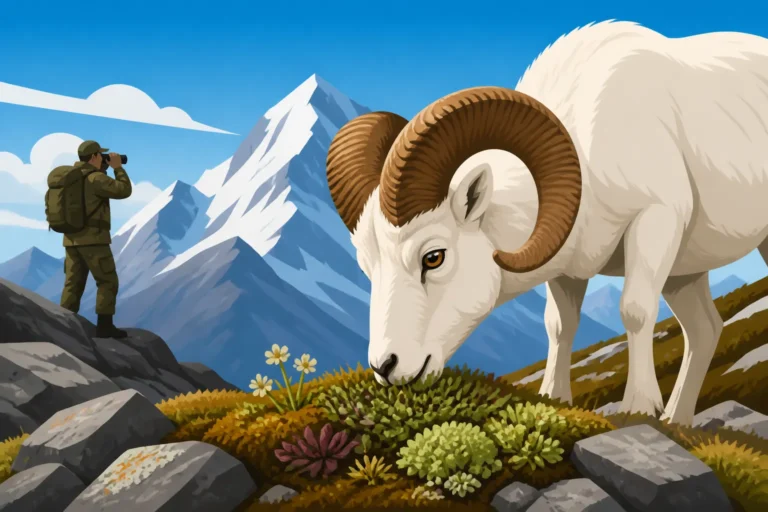
Hunting Dall sheep isn't like hunting other big game species. It's often described as a vertical pursuit, requiring you to climb into their high-altitude domain. You won't find sheep in thick timber or dense brush; their world is one of open, windswept ridges, steep scree slopes, and dizzying cliffs. This open country offers incredible glassing opportunities, but it also means the sheep have an unparalleled view of their surroundings, making a successful stalk an exercise in patience, stealth, and exploiting every scrap of cover. It's a game of chess played on a mountain, where the ram always seems to be three moves ahead.
The very essence of a Dall sheep hunt is its distinctiveness. Unlike many other hunts where dense cover might hide your approach, here the landscape itself dictates the strategy. You're not just looking for a sheep; you're deciphering the mountain, reading the thermals, and predicting where a ram might bed down for the day or feed in the early morning. Every decision, from your choice of glassing knob to the route of your stalk, is amplified by the vast, exposed environment. The reward isn't just the animal, but the profound sense of accomplishment that comes from outwitting a creature in its own harsh, spectacular realm.
The Physical and Mental Demands
Let's be real: a Dall sheep hunt is not for the faint of heart or the out of shape. You'll be carrying heavy packs—often 60 to 80 pounds—up steep, unstable terrain, often covering many miles a day at high altitudes. The air is thinner, the weather is unpredictable, and comfortable flat ground is a distant memory. Your quads will burn, your lungs will ache, and every muscle will protest. Beyond the physical toll, there's the mental game: the persistent rain, the biting wind, the endless glassing, the inevitable setbacks, and the sheer fatigue that tries to chip away at your resolve. It truly tests your grit, demanding resilience, patience, and an unwavering spirit.
The mental fortitude required often surpasses the physical. Imagine spending days, sometimes a week or more, without seeing a legal ram, enduring relentless weather, or experiencing the frustration of a blown stalk after hours of effort. Self-doubt can creep in, pushing you to question your abilities or even the entire endeavor. This is where the mental training becomes as important as the physical. Learning to break down the hunt into manageable segments, celebrating small victories like spotting a distant band of rams, and maintaining a positive outlook despite the discomfort are crucial. A successful sheep hunter isn't just strong, they're stubbornly optimistic and mentally unbreakable.
The Ethical Pursuit of a Ram
Ethical hunting is paramount in Alaska, especially when it comes to a prized species like Dall sheep. The focus is always on a clean, quick kill and ensuring the proper salvage of meat and trophy. Given the remote and rugged nature of these hunts, recovering an animal can be extremely challenging, sometimes requiring difficult descents or intricate planning to pack out the meat. Responsible hunters meticulously plan their shots, understand their limitations, and are prepared for the arduous work that begins once the animal is down. This respect for the animal and the landscape is a cornerstone of the sheep hunting tradition.
Beyond the shot, the ethical pursuit extends to understanding and abiding by all regulations. This includes proper How to Judge a Full-Curl Ram in the Field, ensuring the animal meets legal requirements before pulling the trigger. The remoteness of the hunting grounds means that self-reliance and adherence to regulations are even more critical, as oversight is minimal. Every hunter bears the responsibility for their actions, and the integrity of the hunt rests on their commitment to ethical practices. This includes proper Cape and Skull Care for a Brown Bear Hide (though for a ram here) to honor the animal.
Understanding Dall Sheep Habitat in Alaska
Dall sheep are creatures of the high country, thriving in some of Alaska's most spectacular and severe landscapes. Their habitat dictates everything about their behavior and, by extension, how we hunt them. Knowing these environments is key to finding success.
The Brooks Range: Rugged Arctic Wilderness
The Brooks Range, stretching across northern Alaska, is a vast, ancient mountain range that defines true Arctic wilderness. Here, Dall sheep thrive in an environment characterized by dramatic, treeless slopes, deep river valleys, and an endless expanse of tundra. The hunting season often coincides with the onset of colder weather, and hunters can expect anything from mild, sunny days to driving snowstorms within hours. The remoteness of the Brooks Range means access is almost exclusively by aircraft, dropping hunters into basins and drainages far from any roads or human settlements. The sheep here are often found on high, windswept ridges and rocky outcroppings, utilizing the terrain for both feeding and predator evasion.
The sheer scale of the Brooks Range is hard to comprehend until you're immersed in it. The mountains aren't necessarily as high as some southern ranges, but their ruggedness and the absolute lack of human impact are profound. Water sources are often meltwater streams and small alpine lakes, and vegetation is limited to hardy tundra plants, lichens, and sparse willows in lower elevations. This challenging environment shapes the sheep, making them incredibly wary and resilient. Hunters often find themselves miles from their drop-off point, navigating by map and compass, relying solely on their skills and gear. It's an experience that truly epitomizes self-reliance in the rawest form.
The Alaska Range: Iconic Peaks and Deep Valleys
Further south, the Alaska Range presents a different, yet equally formidable, sheep hunting environment. Home to Denali, North America's highest peak, this range is known for its towering, glaciated mountains, deep valleys carved by ancient ice, and a mix of alpine tundra and subalpine spruce forests. The sheep in the Alaska Range often inhabit steeper, more jagged terrain than their northern counterparts, utilizing the dramatic relief for escape. Access can be via aircraft, but some areas may also be reachable by extended backpack trips from road systems or by ATV on designated trails like those near the Denali Highway. Weather here can be even more volatile, with coastal influences bringing heavy rain and dense fog, especially during the early season.
The elevation changes in the Alaska Range are often more extreme, requiring sustained climbs and descents. While the Brooks Range is vast and remote, the Alaska Range can feel more confined in certain valleys, with taller peaks creating more pronounced shadows and wind patterns. Hunters might find sheep utilizing lower elevation benches bordered by dense spruce, providing different stalking challenges compared to the open tundra. It's common to spend days Glassing the Alaska Range: Finding Game Before You Move from a high vantage point, patiently picking apart vast slopes and drainages. The sheer majesty of the Alaska Range, with its perpetually snow-capped peaks and immense glaciers, adds another layer of awe to an already incredible hunting adventure.
Key Habitat Features: Alpine and Subalpine Zones
Regardless of the specific range, Dall sheep consistently favor alpine and subalpine zones. These are the areas above the timberline, characterized by rocky slopes, cliffs, scree fields, and open tundra. These areas offer several advantages for sheep: excellent visibility for detecting predators, steep terrain for escape, and a variety of hardy forage plants. They'll gravitate towards south-facing slopes in early spring to take advantage of the first green-up, and use wind-blown ridges in winter to access forage not buried by snow. Knowing these preferences is crucial for locating them.
Within these broad zones, certain micro-habitats are particularly attractive. Mineral licks, often small patches of saline earth or clay, draw sheep in spring and early summer as they seek essential minerals. What Dall Sheep Eat Above Timberline includes a variety of forbs, grasses, and lichens, and sheep will move between different elevations and aspects to find the best forage. They are expert at finding natural shelters, like small caves or overhangs, that offer protection from wind and rain. Understanding these nuances, possibly through tools like GoHunt's detailed maps and habitat overlays, can dramatically improve a hunter's ability to predict where sheep will be and plan effective scouting routes.
Dall Sheep Behavior and Seasonal Movements
Dall sheep are highly adapted to their alpine environment, and understanding their seasonal behaviors is fundamental to a successful hunt. Their movements and social structures often dictate where and when you'll find them.
Ram Groups Versus Ewe Bands and Nursery Areas
One of the most important aspects of Dall sheep behavior for hunters to understand is the segregation of ram groups from ewe bands. For most of the year, mature rams will separate from ewes and lambs, forming their own bachelor groups. These ram groups often inhabit the roughest, steepest, and highest terrain, sometimes moving considerable distances from ewe and lamb nursery areas. Ewe bands, which consist of ewes, lambs, and younger rams (often up to 3 years old), typically utilize slightly less extreme but still rugged terrain, usually where forage is more abundant and escape routes are plentiful for their vulnerable offspring.
Identifying whether you're looking at a ram group or a ewe band is critical, not just for legal purposes (most hunts are ram-only) but also for understanding the dynamics of the herd. Rams are generally larger-bodied and, of course, sport impressive horns that distinguish them. Ewes have much smaller, daintier horns, and you'll often see them accompanied by lambs. GoHunt's species profiles can be incredibly useful for familiarizing yourself with these distinctions pre-hunt. During the August and early September hunting seasons, these segregations are usually quite pronounced, making it easier to focus your efforts on prime ram habitat rather than disturbing ewe bands.
Rutting Behavior and Timing
While most Dall sheep hunts occur in August and September, before the peak rut, understanding the rutting behavior is still valuable as it influences their pre-rut movements. The Dall sheep rut typically begins in late October and peaks in November, much later than the hunting season. During this time, rams will descend to join ewe bands, and intense battles for breeding rights occur. Head-butting clashes, sometimes lasting for hours, are a common sight, showcasing the incredible power and dominance displays of the rams.
Leading up to the rut, rams may begin to move towards areas where ewe bands are more concentrated, sometimes moving into slightly lower, more accessible country as the season progresses. However, for hunters, focusing on traditional ram habitat in the highest, steepest country during the general hunting season (August/September) remains the most effective strategy. By the time rams are actively seeking ewes, most hunting seasons are either closed or winding down. It's a fascinating display of nature's cycle, but not typically a direct factor in planning a legal hunt.
Winter Survival Strategies and Movements
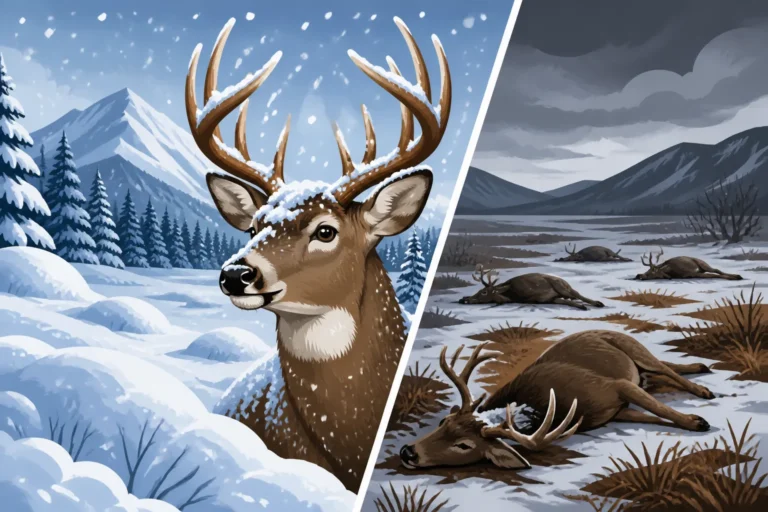
As the harsh Alaskan winter approaches, Dall sheep adapt their movements to survive. They will often utilize south-facing slopes that are blown clear of snow by prevailing winds, allowing them access to crucial forage. They may also move into lower elevations where certain vegetation remains accessible or seek out wind-protected pockets. Their thick, white coats provide excellent insulation, allowing them to withstand extreme cold. However, deep, crusted snow can be devastating, trapping them and making forage inaccessible, leading to significant mortality, particularly among lambs and older individuals.
Their ability to navigate treacherous snow and ice is truly remarkable. Where Dall Sheep Winter in the Brooks Range can vary, but generally, they seek out areas that offer both accessible food and protection from the harshest weather. This often involves moving to south-facing exposures or even into some subalpine valleys where sparse timber might offer a degree of shelter. These winter movements highlight the incredible resilience of Dall sheep, constantly adapting to an environment that would prove fatal to many other species. Understanding these patterns, even if you're not hunting in winter, helps paint a complete picture of their annual cycle and the challenges they face.
Essential Gear for a Dall Sheep Hunt
A Dall sheep hunt demands the absolute best from your gear. Every item in your pack needs to be lightweight, durable, and reliable. There's no room for extraneous items or unreliable equipment when you're miles from anywhere in unforgiving terrain.
Backpack Hunting Gear Weight and Considerations
The golden rule of sheep hunting is "ounces equal pounds, and pounds equal pain." Every item you carry will feel heavier on the steep climbs and long traverses. A lightweight, comfortable, and robust pack is paramount. Aim for a total pack weight, including rifle, optics, and 7-10 days of food, in the 50-70 pound range, though for some, it might creep higher. This means choosing ultralight versions of everything: tent, sleeping bag, sleeping pad, stove, and food. Dehydrated meals are standard, and you’ll want a water filter or purification tablets, as natural sources are usually plentiful but can carry giardia.
Your base weight – everything but food, water, and fuel – should be as low as possible. This requires meticulous planning and often investing in high-end, lightweight gear. Think minimalist: one spare base layer, one extra pair of socks, a small first-aid kit, and essential repair items. Every item serves a purpose, and multi-use items are highly valued. For example, your cook pot might double as your mug. For more in-depth advice, check out our guide on Backpack Hunting in Alaska: Gear Weight and Meat Loads.
Optics: Glassing Grids and Spotting Scopes
Good optics are not just important; they are the most critical tool for Dall sheep hunting, often more so than your rifle. You'll spend 80-90% of your time behind glass, systematically picking apart mountain faces. A high-quality spotting scope (20-60x or 25-75x) with a stable, lightweight tripod is non-negotiable. Pair this with 10x or 12x binoculars, preferably with a tripod adapter, for wide-field scanning. A good set of binos allows you to quickly scan large areas, while the spotting scope is used for detailed examination and Full-Curl Judging From Below the Ram.
Employing effective Glassing Grids That Cover a Whole Basin is essential. Instead of randomly scanning, break down a mountain face into smaller, manageable sections and systematically sweep each one, looking for any anomaly that might be a sheep. The constant use of a spotting scope necessitates a comfortable and stable setup, so consider your Tripod Height for All-Day Glassing to avoid neck strain. Many sheep are spotted at incredible distances, so the clarity and resolution of your optics can make or break your hunt. High-quality optics are a significant investment, but one that pays dividends in sheep country.
Clothing and Layering for Extreme Conditions
Weather in the Brooks and Alaska Ranges is notoriously unpredictable, often shifting from sunshine to sleet or snow in a matter of hours. A versatile layering system is crucial. Start with a moisture-wicking synthetic or merino wool base layer. Add a mid-layer for insulation, such as a fleece or lightweight puffy jacket. Your outer layers must be waterproof and windproof, but also breathable. Think high-quality Gore-Tex or similar material for your jacket and pants. Avoid cotton at all costs, as it absorbs moisture and loses all insulating properties when wet.
You'll also need a warm puffy jacket for glassing sessions or when temperatures drop significantly. Headwear, gloves, and gaiters are also essential. Footwear is paramount: sturdy, broken-in mountain boots with good ankle support are a must, paired with quality wool socks. Wet feet are a quick way to misery and potential frostbite. Given the persistent rain in some areas, especially the Alaska Range, ensuring your Keeping a Bowstring Dry for Ten Days (if bowhunting) or protecting your rifle is also important, so durable dry bags and pack covers are critical components of your gear list.
| Feature | Brooks Range (Northern) | Alaska Range (Southern/Central) |
|---|---|---|
| Terrain | Ancient, rolling, treeless mountains; vast tundra; broad river valleys | Jagged, glaciated peaks; steep, rocky canyons; some subalpine timber |
| Typical Weather | Drier, colder; early snow likely; high winds; severe cold fronts | Wetter, more humid; frequent rain/fog; dramatic temperature swings |
| Vegetation | Sparse tundra, lichens, low willows | Alpine tundra, grasses, some spruce/birch at lower elevations |
| Access | Primarily fly-in (wheel plane or float plane) to remote airstrips/lakes | Fly-in (wheel plane/float plane), some road access points, ATV trails |
| Sheep Density | Can be localized, often in specific drainages | Generally good, spread across vast areas |
| Season Length | Often shorter, due to earlier onset of severe weather | Typically standard August/September seasons |
| Challenge | Extreme remoteness, sustained cold, vast distances | Steepness, persistent wet weather, complex topography |
Scouting and Field Judging Dall Sheep
Finding a legal ram is a culmination of diligent scouting, expert glassing, and a keen eye for detail. Unlike other hunts where you might push through brush, sheep hunting is primarily a visual game.
Reading Sheep Country From a Glassing Knob and Identifying Key Areas
Before you even step foot in the field, "scouting" begins on your computer. Satellite imagery, topographical maps, and tools like those offered by GoHunt are invaluable for identifying potential sheep habitat. Look for high, broken country, open slopes with good visibility, escape terrain, and proximity to water sources. Mark potential glassing knobs – elevated positions that offer expansive views of multiple drainages and mountain faces. Understanding the topography will help you predict where rams might feed, bed, or travel.
Once in the field, patience is your greatest asset. Get to a good glassing knob early, ideally before first light, and methodically Reading Sheep Country From a Glassing Knob. Sheep often bed down in protected spots during the day, making them incredibly hard to spot if you're not carefully scrutinizing every shadow and rock formation. Pay attention to changes in elevation, rock bands, and benches where sheep might traverse. These key areas are where rams feel secure, offering both forage and avenues of escape from predators like wolves or bears.
How to Judge a Full-Curl Ram in the Field
Alaska's Dall sheep regulations generally require a "full-curl" ram, meaning the tip of its horn must extend beyond a line drawn across the brow and perpendicular to the base of the horn, or the ram must be at least 8 years old, or have broomed horns on both sides. This is perhaps the most challenging aspect of Dall sheep hunting. From a distance, judging curl can be incredibly deceptive, especially when looking at the ram from different angles or on varying terrain. It takes experience, practice, and the best optics you can afford.
When you spot a ram, the first thing to do is get a stable rest for your spotting scope and evaluate its horns from multiple angles if possible. Pay close attention to the horn mass, its outward flare, and the precise point where the tip terminates in relation to its eye. Don't rush this process. Many hunters have made mistakes by being too quick to judge, leading to citations for taking a sublegal ram. Take your time, get multiple opinions if hunting with a partner, and use a rangefinder to help calibrate your eye to the distance. Even seemingly minor details like Broomed Horn Tips and the Full-Curl Rule can determine legality.
Common Judging Mistakes and Avoiding Them
One of the most frequent judging mistakes is misinterpreting the angle of the ram to the viewer. A ram quartering away can make its horns appear longer than they are, or a ram facing downhill can make the curl look fuller. Light conditions also play a huge role; shadows can obscure horn tips, and glare can make accurate assessment almost impossible. Another common error is failing to account for terrain features that might hide part of the horn.
To avoid these pitfalls, always try to get a clear, broadside view. If you can’t, move to a different position if feasible, or use your spotting scope to trace the entire horn structure slowly. Take photos or video through your spotting scope if possible to review and discuss with partners. When in doubt, let it walk. There will always be another ram, but a citation for a sublegal ram is a costly and regrettable mistake. This thoroughness is why many spend How Long to Watch a Ram Before Shooting before making a final decision.
Hunting Strategies for Alaska Dall Sheep
Once you've located a legal ram, the real work of getting within shooting range begins. This involves careful planning, stealth, and adapting to the dynamic conditions of the mountains.
The Spot-and-Stalk Approach
The overwhelming majority of Dall sheep hunts rely on the spot-and-stalk method. This involves locating rams from a distance using high-powered optics, then planning a meticulous approach that uses terrain features, wind, and shadows to remain undetected. The vast, open nature of sheep country means that cover is often minimal, making every contour, every rock outcrop, and every patch of scrub a critical component of your stalk. It's a game of inches, where one wrong move or an exposed silhouette can send rams scattering over the horizon.
A successful stalk can take hours, sometimes even a full day. It requires immense patience, often crawling on hands and knees or even on your belly for extended periods. Paying close attention to wind direction is paramount, as sheep have an excellent sense of smell. You must approach from downwind, or at least across the wind, making sure your scent cone doesn't carry to the sheep. Understanding how to use the terrain to your advantage, such as staying on the shady side of a ridge or utilizing small gullies, is crucial for closing the distance on these incredibly wary animals. For more detailed insights, check out Spot-and-Stalk Dall Sheep Hunting Above Alaska Timberline.
Alpine Navigation Without Cell Service
In the remote regions where Dall sheep roam, cell service is a non-existent luxury. This makes robust navigation skills and reliable tools absolutely essential. GPS devices (like Garmin inReach or similar satellite communicators) loaded with topo maps are critical, but always carry a physical map and compass as a backup. Knowing how to use them proficiently, even in adverse weather conditions like dense fog or whiteouts, is not just a good idea—it's a matter of survival.
Before you even leave home, spend time studying your hunting unit's topography on detailed maps. Identify escape routes, prominent peaks, drainages, and potential emergency shelters. Understand how to take Compass Bearings When Fog Shuts Down Glassing so you can safely navigate back to camp or to a predetermined rendezvous point. Regularly check your GPS battery life, especially in cold weather which drains batteries faster. Many experienced hunters use tools like GoHunt's mapping features to pre-plan routes and mark important waypoints, then download these offline maps to their devices for field use. Leaving a detailed trip plan with someone responsible back home, including check-in schedules, is also non-negotiable for safety.
Dealing with Weather and Terrain Challenges
The mountains of Alaska are beautiful but unforgiving. You must be prepared for extreme weather shifts: bright sunshine giving way to torrential rain, dense fog, or sudden snow squalls. These conditions can appear rapidly, reducing visibility to mere feet and making navigation hazardous. Terrain challenges include loose scree slopes, steep rock bands, icy patches, and often snowfields that need to be carefully traversed. Every step must be deliberate and mindful of footing.
Staying dry and warm is critical. Quality rain gear, spare layers, and a meticulous layering system are your best defense against hypothermia. When the weather turns, prioritize safety over the hunt. If fog rolls in or a storm hits, consider hunkering down or retreating to a safer location. Navigating treacherous terrain in poor visibility is an invitation to injury. Patience is key; wait for the weather to clear, or for conditions to improve. A hunter who respects the mountains lives to hunt another day.
Logistics and Regulations for Your Hunt
Planning a Dall sheep hunt in Alaska involves navigating specific regulations, understanding permit systems, and often working with professional services to access remote areas. It's a complex process that demands attention to detail.
Draw Permits Versus General Season Hunts
Alaska offers both general season hunts and drawing permit hunts for Dall sheep. General season hunts are often available in certain game management units (GMUs) where hunters can purchase an over-the-counter tag, provided they meet residency and hunter education requirements. These are typically first-come, first-served and may have specific season dates and bag limits. However, many of the most sought-after sheep hunting areas or those with higher success rates are managed through a limited entry drawing permit system. These hunts require hunters to apply months in advance, and successful applicants are chosen via a lottery.
The odds of drawing a sheep permit can be very low, especially for non-residents, depending on the unit and species. It's crucial to research the specific regulations for your chosen GMU well in advance, paying attention to application deadlines, draw odds, and permit requirements. Using resources like GoHunt or the Alaska Department of Fish and Game (ADF&G) website can provide invaluable information on these opportunities. While a general season tag offers more flexibility, a draw permit often grants access to less pressured or higher quality hunting grounds.
Alaska Hunter Education and Orientation Requirements
For many big game species in Alaska, including Dall sheep, hunters are required to complete a certified hunter education course. For non-residents, this course usually must be approved by the National Hunter Education Association. Beyond the general hunter education, Alaska also has specific requirements for sheep hunters. All resident and nonresident hunters pursuing Dall sheep in Alaska must successfully complete an Alaska Department of Fish and Game (ADF&G) approved sheep hunter orientation program. This program is typically offered online or through in-person classes.
This orientation covers critical aspects of sheep hunting, including field judging a legal ram, proper care of meat and trophy, ethical hunting practices, and specific regulations. It’s a vital step to ensure hunters are well-informed and capable of making sound decisions in the field. Non-residents must complete this orientation before they can hunt sheep. Understanding these requirements well in advance is crucial to avoid any last-minute surprises. More details can be found on Alaska Hunter Education and Orientation Requirements.
Working with Transporters or Guides
For most non-resident Dall sheep hunters, working with either a registered guide-outfitter or an air taxi transporter is a necessity for accessing prime hunting areas. Non-resident hunters for brown/grizzly bear, Dall sheep, or mountain goat are legally required to be accompanied by a licensed guide or an Alaskan resident who is a second-degree of kindred relative. This means that a non-resident hunting sheep usually needs to book a fully guided hunt.
A fully guided hunt includes the services of a professional guide, who provides all necessary equipment (except personal gear), food, and expertise in locating and stalking game. This is often the most expensive option but offers the highest chance of success and crucial safety support in remote areas. A transporter (air taxi) provides air charter services to fly hunters into and out of remote areas. While they can drop you off, they cannot legally assist with hunting activities like spotting game or tracking wounded animals. It's crucial to understand the distinction and ensure you comply with all regulations. Choosing a reputable air taxi or guide and booking well in advance is paramount, as slots fill up quickly for these highly sought-after hunts.
Field Care and Packing Out Your Ram
The work doesn't stop once you've successfully harvested a ram. In fact, some of the most arduous and critical tasks begin now: proper field care and the physically demanding pack-out. Failure to properly care for your trophy and meat can result in spoilage or damage, negating all your hard work.
Cape and Skull Care for a Dall Sheep
After taking photos and admiring your trophy, immediate and proper field care is essential, especially for taxidermy purposes. The first step is to carefully cape the animal, ensuring you leave plenty of hide for a shoulder mount or full mount. This typically involves making a cut along the back from the base of the skull to behind the shoulder blades, then skinning down the legs to the knee/hock joint, and eventually skinning around the body. Detailed knowledge of Skull Plate Removal for Sheep Horns is vital for preserving the integrity of the horns and skull.
Once the cape is off, you'll need to flesh it thoroughly, removing all meat and fat to prevent spoilage. In the field, this is often done with a sharp knife and care. If you have salt, rub it generously into the flesh side of the hide. The horns and skull plate should also be cleaned of any adhering tissue. In warm weather, getting the cape cool and dry as quickly as possible is critical. Even small mistakes here can lead to issues with your taxidermist down the line, so take your time and be meticulous.
Packing a Ram Off a Cliff Face
Harvesting a ram in truly steep, rugged country means the pack-out can be incredibly dangerous and physically brutal. Rams often fall or expire in places that are difficult to access, sometimes on narrow ledges or at the bottom of sheer cliffs. Retrieving the animal requires extreme caution, often involving careful negotiation of loose rock, scree, and unstable footing. It's not uncommon for hunters to have to use ropes to safely lower sections of the ram from precarious positions.
This is where having a hunting partner is invaluable for safety and assistance. Before moving anything, assess the safest route down, even if it means taking a longer, less direct path. Prioritize your safety above all else. Packing a Ram Off a Cliff Face can take many hours and multiple trips, often under the cover of darkness if the weather or terrain is particularly challenging. Break the ram into manageable loads, distribute the weight evenly, and use strong game bags to protect the meat and cape. Be aware of potential Horn Damage During the Pack Out and take steps to protect them.
Meat Care in Remote Alaska
Alaska's game regulations require the salvage of all edible meat. This means every pound of muscle must be taken from the field. Given the remote nature of sheep hunts, this usually means quartering the animal, removing the backstraps and tenderloins, and placing all meat in breathable game bags. As soon as the meat is off the carcass, it needs to be cooled down as quickly as possible. In colder conditions, this can be relatively easy; in warmer late August or early September hunts, it requires careful attention to airflow and shade.
Hang the meat in game bags in a shady, airy spot, away from direct sunlight, and elevate it off the ground to promote cooling and protect it from scavengers. If bears are a concern, securing the meat out of reach or setting up a small bear fence might be necessary. Protecting the meat from flies is also critical; good quality game bags will do this while allowing the meat to breathe. Proper field care ensures that the magnificent meat from your Dall ram makes it back to camp and eventually home in excellent condition, honoring the animal and providing sustenance from your hard-won trophy.
Disclaimer
Hunting in Alaska carries inherent risks, including but not limited to severe weather, dangerous wildlife, and remote, rugged terrain. This guide provides general information and should not be considered a substitute for personal research, professional training, or adherence to all current Alaska Department of Fish and Game regulations. Always prioritize safety, respect the wilderness, and ensure you are adequately prepared and equipped for any hunting endeavor in Alaska.