Where Dall Sheep Winter in the Brooks Range
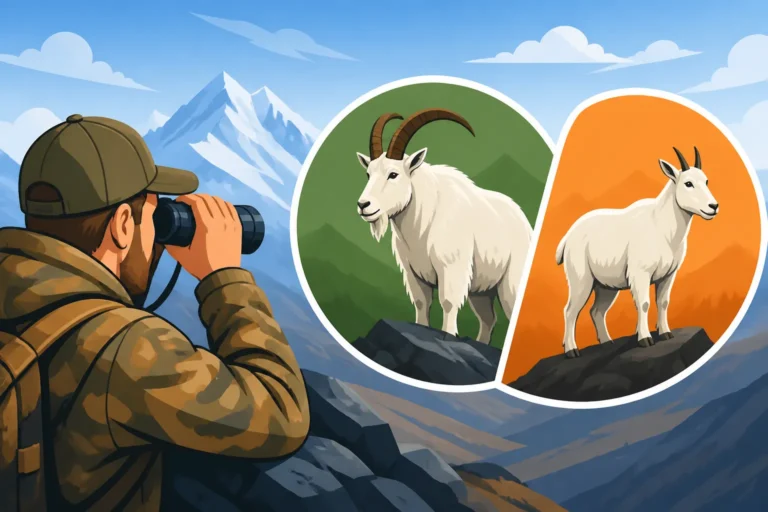
Anyone who's spent even a little time in Alaska's backcountry knows the Brooks Range is an unforgiving place, especially when winter truly sets in. If you've ever found yourself wondering how a Dall sheep, with its pure white coat, survives up there when the temperatures plummet and the snow piles up, you're not alone. It's a marvel of nature, and understanding their wintering habits is absolutely crucial for hunters, wildlife watchers, and anyone who cares about these iconic Alaskan animals. This guide will peel back the layers of a Brooks Range winter to reveal the fascinating strategies Dall sheep employ to not just survive, but often thrive, in one of the planet's harshest environments.
The Harsh Realities of a Brooks Range Winter
Winter in the Brooks Range isn't just cold; it's a relentless assault on anything living. The sheer scale of the landscape and the extreme conditions demand incredible resilience from its inhabitants. For Dall sheep, navigating these months is a masterclass in adaptation, driven by instinct and finely-tuned physical traits. It's a period where every decision, every calorie burned, can mean the difference between life and death.
Surviving Sub-Zero Temperatures
Imagine temperatures consistently dipping to -40 degrees Fahrenheit, sometimes even colder, with wind chill factors that make it feel like you're standing on another planet. This is the norm for much of the Brooks Range winter. Dall sheep are incredibly well-equipped for this, sporting a dense, two-layered coat that provides exceptional insulation. The outer layer consists of stiff, hollow guard hairs that shed snow and ice, while a thick undercoat of fine wool traps body heat, creating an insulating barrier. This natural insulation is so effective that snow can often accumulate on their backs without melting, a testament to how little heat they lose to the environment. Their small, well-vascularized ears and noses also help minimize heat loss from extremities, a common challenge for mammals in extreme cold.
The Scarcity of Forage
Beyond the cold, the greatest challenge for Dall sheep in winter is finding food. The high alpine and subalpine zones they inhabit are buried under feet of snow for months on end. This isn't like a gentle snowfall back home; we're talking about deep, wind-driven drifts that can harden into concrete-like layers. Their diet, which primarily consists of grasses, sedges, lichens, and woody browse in warmer months, becomes incredibly difficult to access. They don't have the long legs and broad hooves of a moose to wade through deep snow and break through ice. This means that access to forage is almost entirely dependent on areas where snow is either minimal or has been scoured away by fierce winds. The choices they make in selecting winter habitat are directly tied to their ability to find even the smallest bites of sustenance.
Predation Pressure in Winter
While Dall sheep face predators year-round, winter brings a unique set of challenges that can make them more vulnerable. Deep, soft snow can impede their movement, slowing them down and making it harder to escape pursuing wolves or wolverines. These predators, often just as desperate for food in winter, become highly attuned to areas where sheep might be concentrated or struggling. A sheep weakened by malnutrition or injury is an easy target. The stark white landscape, while offering some camouflage for their coats, also highlights any movement against the backdrop, and in sparse winter conditions, there are fewer places to truly hide. Understanding these winter dynamics is key to appreciating the incredible survival skills these animals possess, and why they prioritize certain areas when the snow flies.
Key Wintering Habitats for Dall Sheep
So, where exactly do these resilient animals go when winter truly sets in? It's not a random choice; their survival hinges on carefully selected terrain that offers both food and protection from the elements and predators. When you're Reading Sheep Country From a Glassing Knob, these are the features you're looking for, even when imagining winter.
South-Facing Slopes and Wind-Swept Ridges
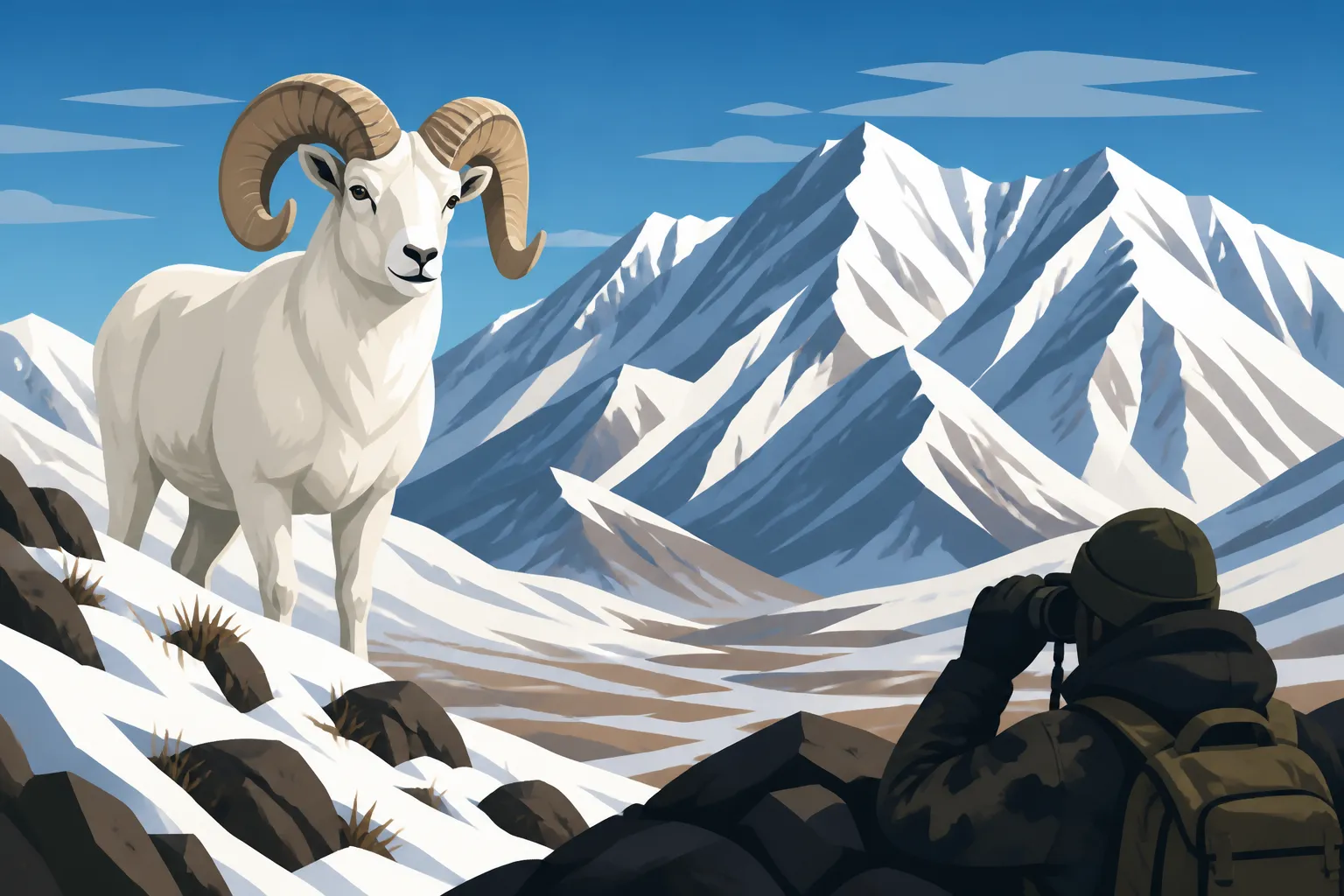
The absolute prime real estate for Dall sheep in the Brooks Range during winter is undoubtedly south-facing slopes and wind-swept ridges. There's a method to their madness here. South-facing slopes receive more direct sunlight throughout the short winter days, helping to melt or at least soften snow more quickly than shaded slopes. This often exposes patches of dormant grasses and lichens, providing critical forage. But perhaps even more vital are the wind-swept ridges and exposed faces. The relentless Arctic winds, while bitterly cold, also act as nature's snowplows. They scour snow from these elevated areas, revealing the dry, brittle vegetation underneath. While the forage might be sparse and low in nutritional value, it's accessible, which is the overriding factor for survival. These areas also tend to be drier, reducing the risk of wet, matted wool which can severely compromise their insulation.
Steep, Rugged Terrain and Escape Cover
Dall sheep are masters of high, broken country, and this preference intensifies in winter. They gravitate towards areas with extremely steep cliffs, rocky outcroppings, and intricate networks of ledges and benches. This isn't just for dramatic views; it's their primary defense mechanism against predators. Wolves, though incredibly agile, often struggle on such precarious terrain, especially when ice and snow make footing treacherous. A vertical escape route is a Dall sheep's best friend. These broken landscapes provide natural barriers and endless nooks and crannies to evade pursuit. You'll often see them Reading Contour Lines for Sheep Benches as if they were born with a topo map embedded in their brains, intuitively seeking out these safe havens. It's a calculated risk, trading easier movement for unparalleled security.
Lower Elevation Basins and River Valleys (Rarely)
While their primary wintering strategy keeps them high and exposed, there are rare occasions when Dall sheep might descend into lower elevation basins or river valleys. This is not their preferred habit and usually only occurs under very specific, dire circumstances. For instance, an unusually mild winter with minimal snowpack at lower elevations might draw them down in search of more abundant, though still limited, browse. Alternatively, if a severe storm blankets their high-country haunts with unprecedented snow depths that even the wind can't clear, they might be forced to seek relief. However, this descent comes with significant trade-offs. Lower elevations often mean softer, deeper snow that is harder to travel through, and crucially, they offer far less escape terrain from predators. It's a gamble they rarely take, as the increase in available forage is often outweighed by increased vulnerability to wolves and other threats.
Behavioral Adaptations for Winter Survival
Beyond simply choosing the right address, Dall sheep exhibit a range of behavioral adaptations that are crucial for making it through the long, lean winter months. These aren't just physical traits, but ingrained strategies passed down through generations, helping them to conserve energy and maximize their chances of survival.
Group Dynamics and Energy Conservation
You'll often find Dall sheep in larger groups during the winter than you might see in summer. While rams and ewes often segregate in summer, winter can bring them into closer proximity, though not necessarily intermingling on the same slopes. Larger groups offer multiple sets of eyes for predator detection, a crucial advantage when resources are scarce and vigilance is paramount. But beyond simple safety in numbers, their behavior shifts dramatically to prioritize energy conservation. This means minimizing unnecessary movement. You won't see them frolicking like lambs in spring. Instead, they'll often bed down for long periods, especially during severe weather, seeking shelter behind rocks or in shallow depressions to minimize exposure to wind and cold. Every step taken, every calorie expended, is a calculated decision. This also means that in areas with high-quality winter range, you might see concentrations of sheep that barely move for days, simply eating what's immediately available and then resting.
Diet Adjustments and Nutritional Needs
As mentioned, winter forage is sparse, and the nutritional quality is generally low. Dall sheep, like many northern ungulates, are designed to make the most of what little they can find. Their digestive systems are efficient at extracting nutrients from tough, fibrous plant material. While they prefer green, succulent plants in summer, their winter diet often consists of dry grasses, sedges, lichens, and even woody browse tips exposed by the wind. They will carefully pick through these meager offerings, sometimes scraping away shallow snow with their hooves or noses to get to buried bits. The primary goal during winter is to survive on fat reserves built up during the more abundant summer and fall. Every bit of forage found slows the depletion of those precious fat stores. This reliance on stored energy is why the condition of a sheep entering winter is so critical to its survival; a lean animal has a much tougher road ahead. Understanding What Dall Sheep Eat Above Timberline is really a year-round study, but it truly becomes a matter of life or death in winter.
Monitoring Weather Patterns and Movement
Dall sheep are incredibly attuned to changes in weather. They often seem to anticipate major snowfalls or shifts in wind direction, moving to more sheltered positions or more exposed, wind-scoured ridges as conditions dictate. A significant snowfall might drive them to higher, steeper, wind-blown areas where snow won't accumulate as deeply. Conversely, a prolonged period of extreme cold and wind might send them seeking the relative shelter of a small basin or leeward slope, even if it means slightly deeper snow. Their survival isn't about blind luck; it's about constant, subtle adjustments to the ever-changing alpine environment. This instinctual knowledge of their home range, combined with their physical adaptations, allows them to make these critical micro-movements that can spell the difference between enduring a storm and succumbing to its wrath.
Implications for Hunters and Wildlife Enthusiasts
For those of us drawn to the majesty of Dall sheep, whether with a rifle or a camera, understanding their winter habits offers invaluable insights. It's not just about appreciating their resilience; it's about effective conservation, ethical hunting practices, and simply connecting more deeply with the wilderness. Knowing these patterns can significantly enhance your experience in the field.
Scouting and Understanding Winter Range
Knowing where Dall sheep spend their winters can dramatically improve your pre-season scouting efforts. While you might be planning a hunt for August or September, understanding where sheep seek refuge during the toughest months gives you a fuller picture of their year-round movements and habitat preferences. This knowledge helps identify potential travel corridors, escape routes, and key forage areas that might be less obvious in summer. When you're poring over maps, especially using tools like those provided by GoHunt for detailed terrain analysis, paying attention to south-facing aspects, wind-swept ridges, and the most rugged escape cover can highlight areas that will hold sheep consistently. This kind of holistic scouting builds a deeper understanding of the herd, its health, and its likely distribution. It helps you identify high-probability locations for Setting Up a Spike Camp Above a Sheep Basin in the summer, based on where they reliably overwinter.
Conservation Efforts and Habitat Protection
From a conservation standpoint, identifying and protecting critical winter range is paramount. These areas are the bottlenecks for survival; if sheep can't find adequate food and cover in winter, their populations will suffer, regardless of conditions during the rest of the year. Wildlife managers focus significant efforts on mapping these crucial wintering grounds to ensure they are not impacted by development, resource extraction, or other human activities. Protecting these landscapes, often remote and pristine, ensures that future generations of Dall sheep have the best possible chance to weather the Brooks Range winter. Organizations, sometimes supported by insights from data providers like GoHunt who analyze habitat use, work to keep these vital areas wild and undisturbed. This focus on critical habitat directly impacts the long-term viability of Dall sheep populations, which in turn ensures healthy herds for both wildlife viewing and sustainable hunting opportunities. We've seen How Deep Snow Kills Sheep Lambs, and protecting their wintering grounds is key to lamb survival.
A Year-Round Cycle of Survival
The wintering habits of Dall sheep in the Brooks Range are a testament to their incredible adaptability and the raw, untamed nature of Alaska. From their specialized coats to their instinctual movements across treacherous terrain, every aspect of their lives is geared towards surviving the harshest season. Understanding their reliance on wind-swept ridges and steep escape cover provides valuable insights for hunters, ensuring ethical pursuits and a deeper appreciation for the animals we seek. For all of us who cherish Alaska's wild places, knowing where these magnificent animals spend their winters helps us advocate for and protect the fragile ecosystems that sustain them. It's a year-round cycle, from the moment a ewe gives birth to a lamb in spring to the challenging weeks when that lamb must endure its first deep snow. The health of the herd depends on it, and it makes every sighting of a Dall sheep in its alpine kingdom all the more awe-inspiring.
Disclaimer
This article is for general informational purposes only and does not constitute professional advice. Laws, prices and regulations vary by location and change over time. Consult a qualified professional for guidance on your specific situation.