Nelchina Caribou Movement Along the Denali Highway
Hunting caribou along Alaska's Denali Highway can be an incredibly rewarding experience, offering unparalleled access to remote-feeling country right from the road system. But let's be honest, trying to predict the movements of the vast Nelchina Caribou Herd, especially as they interact with a man-made feature like the highway, feels a lot like trying to herd cats in a hurricane. One year they're right on the road; the next, they're miles away, leaving many hunters scratching their heads and burning fuel. This guide is here to unravel some of the mystery behind the Nelchina herd's movements along the Denali Highway, helping you understand the factors at play and how you might better position yourself for success.
Understanding the Nelchina Herd's Annual Cycle
The Nelchina Caribou Herd is one of Alaska's iconic big game populations, and like all migratory ungulates, their lives are dictated by the seasons and the availability of forage. They don't just "show up" on the Denali Highway; their presence there is a piece of a much larger, annual migration puzzle. Knowing this broader pattern is crucial to making sense of their often-unpredictable appearance near the road.
Think of the herd's year as a grand, slow-motion ballet across thousands of square miles of central Alaska. Their movements are not a linear path but a fluid, often braided network of routes influenced by countless environmental variables. The frustration often comes from us, as hunters, trying to force a rigid timeline onto a truly wild and adaptable animal.
Spring Migration and Calving Grounds
As the deep snows of winter begin to recede, typically in April and May, the pregnant cow caribou of the Nelchina herd begin their slow, deliberate migration towards their calving grounds. These areas, often characterized by low-growing vegetation and some protection from predators, are critical for the survival of their newborn calves. Historically, certain regions northeast of the Denali Highway have served as significant calving areas. The cows seek out these spots, often on gentle, rolling uplands where visibility is good, allowing them to spot any approaching threats.
During this period, the bulls, often solitary or in smaller groups, are usually lagging behind, recuperating from the long winter and beginning to regrow their impressive antlers. While the main herd is focused on calving, you're unlikely to see significant numbers of caribou along the highway during these late spring months, as they are concentrated in these specific nursery areas. Their focus is solely on birth and early calf rearing, making them less prone to wide-ranging movements.
Summer Dispersal and Foraging
Once the calves are strong enough, usually by late June and through July, the herd begins to spread out. This is a time of incredible growth for caribou, as they pack on fat reserves needed for the upcoming rut and harsh winter. They are constantly searching for lush, high-quality forage, which includes a wide variety of tundra plants, grasses, and especially lichens. This summer dispersal can lead them into various drainages and upland plateaus, often far from major access routes.
This period sees caribou scattered across a massive range. While some individuals or small groups might wander closer to the Denali Highway, there isn't typically a large, concentrated presence. They are essentially free-ranging gourmands, sampling the vast smorgasbord that the Alaskan summer provides. High mosquito and insect pressure can also influence their summer movements, pushing them to higher elevations or windier ridges to escape the incessant biting. It's during this time that a hunter doing their homework might use tools like GoHunt to pore over satellite imagery, looking for historical summer range patterns or unique geographical features that might hold scattered bands of animals.
The Denali Highway's Unique Role in Caribou Movement
The Denali Highway isn't just a ribbon of gravel connecting Paxson to Cantwell; for the Nelchina Caribou Herd, it's a landscape feature that they must either cross, parallel, or avoid. Its impact on their migration, especially in the fall, is profound and often unpredictable, creating both opportunities and immense challenges for hunters. Understanding how the herd interacts with this road is key to predicting their availability.
Many hunters arrive expecting a steady stream of caribou to cross the road like clockwork, and when it doesn't happen, frustration sets in. The truth is, caribou are wild animals, and their migratory impulses are far stronger than any human expectation. The highway simply adds another variable to their ancient patterns, one that they navigate with a mix of instinct and adaptation.
Fall Migration and the Highway
As August gives way to September, and the days shorten, the Nelchina herd begins to coalesce again. The push towards the rut, coupled with declining summer forage, triggers a southward movement for many segments of the herd. This is the period when the Denali Highway becomes a central player in the caribou hunting story. Different parts of the herd may begin to move at different times, often forming larger groups that eventually become the iconic "caribou migrations." It’s a time of increasing urgency for the animals, driven by innate biological clocks.
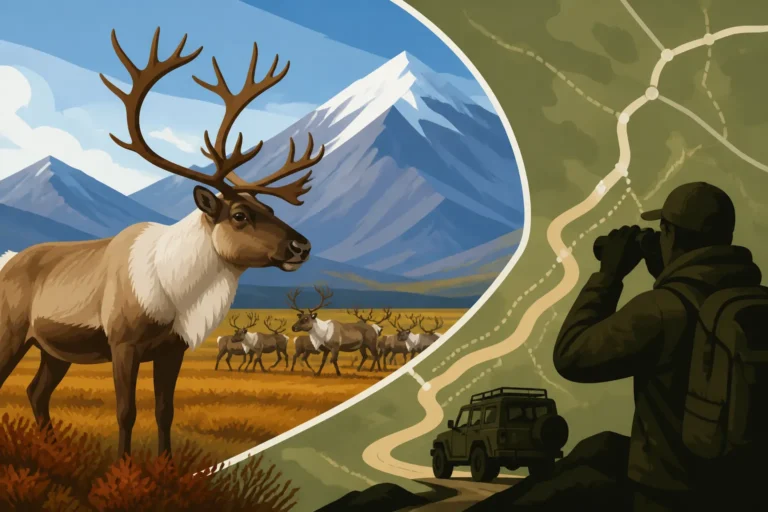
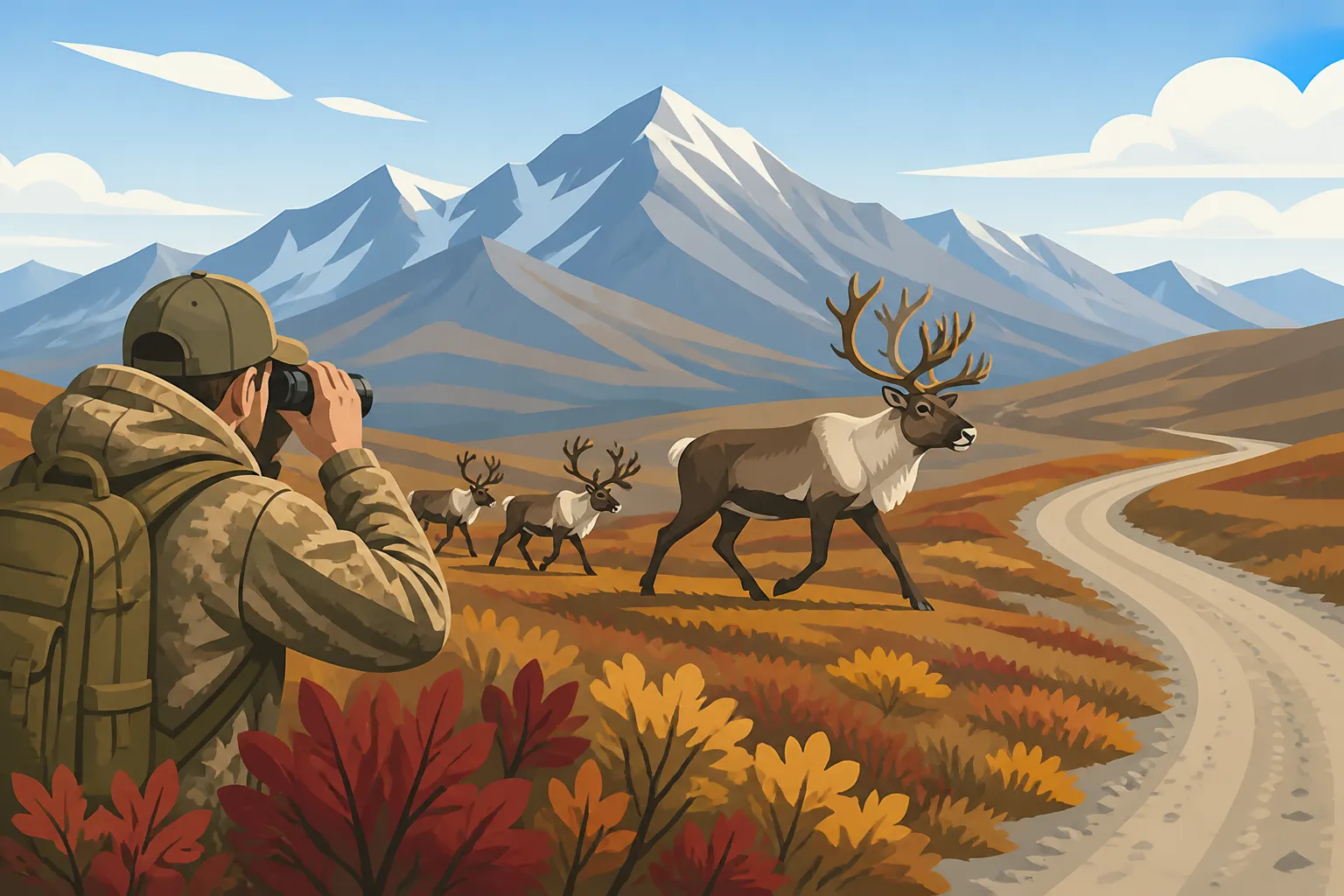
This migration often brings segments of the herd into proximity with the highway. Sometimes, hundreds or even thousands of caribou will stream across the road in a continuous flow, creating an almost surreal hunting experience. At other times, they might parallel the highway for miles, just out of effective range, or utilize underpasses and less obvious crossing points. The highway can act as a temporary barrier or a funnel, depending on the topography and the specific migratory path chosen by the herd that year. This is the period when hunters hope for the major pushes, often keeping a close eye on weather reports and online forums to get a feel for current activity. Checking historical data, sometimes available through specialized hunting platforms, can offer clues on typical crossing areas, but remember, "typical" is a loose term for caribou.
Factors Influencing Crossings
Several key factors heavily influence when, where, and if the Nelchina caribou decide to cross the Denali Highway. These aren't just minor considerations; they can be the difference between a successful hunt and a long, quiet week. Hunters often wonder why the caribou were there last year but not this year, and the answer almost always lies in these variables.
Weather Patterns: A major driver for caribou movement is weather. Early snowfall can push caribou south faster, making them more likely to encounter the highway. Strong winds, especially those with driving rain or snow, can influence their direction of travel, often pushing them to seek shelter in certain drainages or to move more quickly through exposed areas. Conversely, mild, open falls might mean a slower, more dispersed migration, keeping them off the main travel corridors for longer. The initial frost and the subsequent snow accumulation play a huge role in determining when they shift from summer feeding to migratory mode.
Forage Availability: While caribou are always seeking good forage, localized areas of abundant food can temporarily hold animals, diverting them from direct migratory paths. If a particular basin near the highway offers exceptional lichen growth, a portion of the herd might linger there, delaying their crossing. Drought conditions in one area, or particularly lush growth in another, can subtly alter their routes. As the season progresses, the quality and availability of lichens, their primary winter food, become increasingly important, drawing them towards winter ranges.
Human Pressure: The sheer number of hunters and vehicles on the Denali Highway during peak season can influence caribou behavior. While caribou are generally tolerant of human presence, intense pressure in a specific area might push them to alter their crossing points or travel more at night. Noise, vehicle traffic, and heavy hunting activity can create a "pressure zone" that caribou might learn to avoid. This means that a once-reliable crossing point might become less effective if it sees too much activity. Understanding how human interaction shapes their movement is a critical aspect of ethical and effective hunting.
Strategies for Locating Nelchina Caribou Along the Denali Highway
Finding Nelchina caribou along the Denali Highway requires more than just driving aimlessly and hoping for the best. It demands a blend of diligent preparation, smart on-the-ground tactics, and a healthy dose of patience. Given the unpredictable nature of these migrations, a flexible and well-researched approach significantly increases your odds of success.
It's easy to get discouraged when the caribou aren't where you expect them to be. I've been there, staring at an empty landscape wondering if I should have gone to the other side of the state. But with the right mindset and a few strategic tools, you can turn frustration into opportunity. This isn't about pinpointing exact spots, but rather understanding the larger ecosystem that drives their movement.
Pre-Season Scouting and Research
Before you even pack your bags, a significant amount of your success can be forged through pre-season scouting and research. This isn't just about looking at a map; it's about becoming a student of the landscape and the herd itself. Many experienced hunters will tell you that the hunt begins long before you set foot on the tundra. This is where tools for analyzing terrain and historical data become invaluable.
Satellite Imagery: Modern satellite imagery, readily available through various online platforms, is an indispensable tool for understanding the landscape around the Denali Highway. Look for natural funnels, saddlebacks, gentle slopes, and areas with good visibility that caribou might use as travel corridors. Identify areas of old burns with regenerating willows and lichens, as these can be attractive feeding areas. Rivers and major drainages can also act as natural barriers or guides for caribou movement. Platforms that offer detailed topographic maps layered with satellite views are especially useful for identifying potential crossing points that might be less obvious from the road. Scouting a Unit From Satellite Imagery Before You Fly can give you a massive advantage.
Historical Data and Community Intel: While caribou movements are dynamic, historical data can provide a baseline. Review past harvest reports if available, paying attention to general areas where success rates have been higher. Engage with online hunting forums and local communities (respectfully, of course) to glean insights into recent years' movements. Remember that caribou movements are highly variable year to year, so take all "intel" with a grain of salt, but it can help identify general patterns and areas of past activity. Companies like GoHunt offer detailed mapping layers and community forums that can be a great resource for this kind of information, helping you identify potential patterns that might not be immediately obvious.
Understanding Caribou Biology: Familiarize yourself with caribou behavior throughout the seasons. Knowing what they eat, how they react to weather, and the dynamics of their rut can help you anticipate their actions. For instance, understanding the nuances of how Caribou Antler Shedding and Bull Identification can change through the year can help you plan your hunt timing and species focus.
On-the-Ground Observation and Patience
Once you're actually on the Denali Highway, your approach needs to shift from broad research to acute observation. This is where the rubber meets the gravel, and your patience and ability to adapt become your greatest assets. It's often a game of waiting, watching, and moving strategically.
Glassing: This is arguably the most critical skill for finding caribou along the Denali. Caribou are often moving, and their vast range means they can be seen from miles away if you have good optics. Find high points along the highway or accessible ridges nearby and spend hours methodically glassing the distant tundra and hillsides. Look for movement, distinct shapes, or color changes that might indicate caribou. Don't just scan; break the landscape into grids and examine each section thoroughly. Good binoculars and a spotting scope on a sturdy tripod are essential. For tips on maximizing your efforts, consider reviewing an article like Glassing Grids That Cover a Whole Basin.
Reading Sign: Even if you don't see caribou immediately, their presence leaves clues. Look for fresh tracks in soft ground, droppings, and rubbed willows where bulls have polished their antlers. Fresh sign indicates recent presence and can help you confirm if an area is currently being used, or if the animals have simply passed through. Pay attention to how trails cross the highway, as these can be reliable indicators of their preferred routes.
Patience and Flexibility: Caribou herds, especially the Nelchina, are notorious for their unpredictable movements. They might be here today and 50 miles away tomorrow. Don't get fixated on a single spot. Be prepared to move your camp or drive considerable distances along the highway to find them. If one area is quiet, pack up and try another section. Sometimes, just waiting out a weather system or a few days of hunting pressure can change everything. Think of it as a chess match against a very mobile opponent.
Leveraging Weather Patterns
Weather isn't just an inconvenience in Alaska; it's a fundamental force that dictates the movements of caribou. Learning to "read" the weather and understand its potential impact on the herd can give you a significant edge in locating them.
Frontal Systems and Pressure Changes: Caribou, like many big game animals, are often sensitive to changes in atmospheric pressure. Approaching frontal systems, bringing with them changes in wind and temperature, can often trigger movements. Sometimes they move ahead of a storm; other times, they hunker down. Pay attention to the forecasts, but also trust your own observations of how the weather is changing on the ground. A sudden drop in temperature or the arrival of fresh snow can often coincide with a surge in migratory activity.
Snow Depth and Wind: Early season snowfall can have a significant impact. Light, fresh snow can make tracks easier to spot, but deeper snow can make travel difficult for caribou, pushing them towards areas with shallower accumulation or more established trails. Strong winds can influence their travel direction, often pushing them off exposed ridges into more sheltered valleys or, conversely, making them seek wind-swept areas to escape insects (earlier in the season) or to reduce snow accumulation on their backs. Remember, caribou are built for the cold, but they will still seek efficiency in their movements and comfort where possible.
Table: Nelchina Caribou Movement Summary & Denali Highway Implications
| Season | General Herd Movement Pattern | Denali Highway Interaction | Hunting Implication | Key Influencing Factors |
|---|---|---|---|---|
| Spring | Cows migrate to calving grounds (NE of highway). Bulls lag behind. | Minimal, generally not near the highway. | Extremely low success, primary focus is on calving away from human disturbance. | Calving urgency, new forage growth. |
| Summer | Dispersal across vast summer range, foraging. | Scattered individuals or small groups, not concentrated. | Very low success for highway hunters, difficult to locate due to wide spread. | Forage quality, insect pressure. |
| Early Fall | Herd begins to coalesce, some southward movement towards rutting. | Increased presence, but often sporadic and not large crossings. | Scouting, looking for early groups; success improving but still inconsistent. | Decreasing daylight, forage shifts, pre-rut staging. |
| Peak Fall | Mass migration towards winter ranges, often intense rutting. | High potential for large, concentrated highway crossings. | Prime hunting window. Patience and mobility are key, high variability year-to-year. | Snowfall, forage decline, rut intensity, human pressure. |
| Winter | Dispersal to winter ranges, focus on lichens and shelter. | Scattered presence, often far from accessible areas. | Low success for highway hunters, animals dispersed in deeper snow. | Deep snow, extreme cold, lichen availability, energy conservation. |
Disclaimer
This article is for general informational purposes only and does not constitute professional advice. Laws, prices and regulations vary by location and change over time. Consult a qualified professional for guidance on your specific situation.