Moose Versus Caribou Meat Comparison
One of the most common questions I get from hunters, especially those new to Alaska or considering their first big game trip, isn't just about where to hunt or what gear to bring, but "What does it actually taste like?" Specifically, there's a lot of curiosity about how the meat from our two most iconic cervids – moose and caribou – stacks up against each other on the dinner table. It’s a valid question, because you're investing a lot into these hunts, and knowing what to expect, and how to best prepare your hard-won protein, can make all the difference in appreciating the full reward. This guide will walk you through the distinct characteristics of moose and caribou meat, from flavor and nutrition to cooking methods and field care, so you can truly savor every bite.
Flavor Profile and Taste Nuances
When it comes to wild game, flavor is king, and both moose and caribou offer unique culinary experiences. You'll hear folks debate endlessly about which is "better," but really, it comes down to personal preference and what you're hoping to achieve with your cooking. There's no wrong answer, just different deliciousness.
Moose Meat: The Rich, Earthy Delicacy
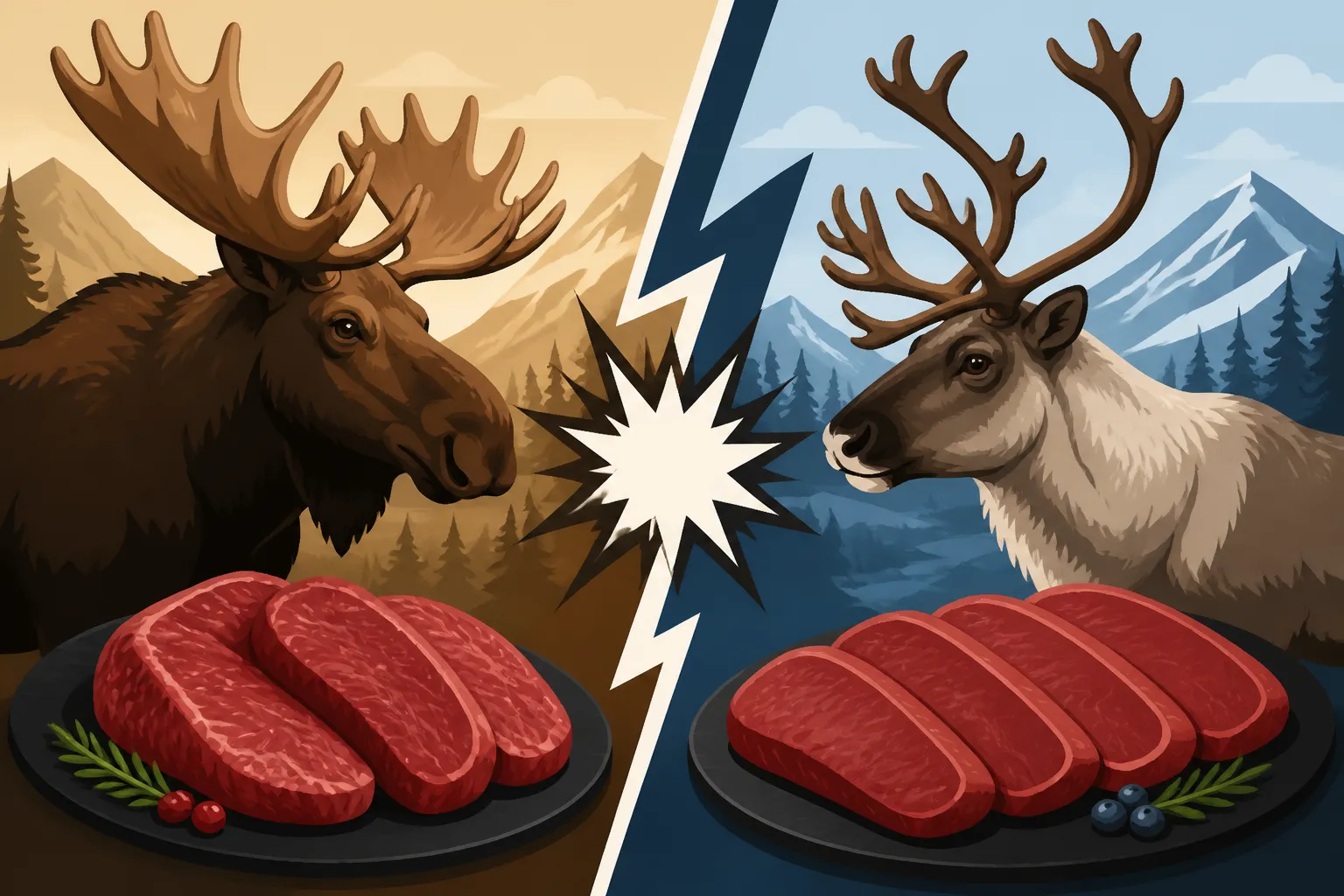
Moose meat is often described as richer, deeper, and more robust in flavor than caribou. It tends to be a darker red, almost purplish, and the muscle fibers are generally coarser. Think of it as a premium cut of grass-fed beef, but with an unmistakable wild game character – an earthy, sometimes slightly sweet undertone that speaks to its diet of willows, birch, and aquatic plants. This richness is especially pronounced in older bulls, while younger moose will have a milder, more delicate taste.
The texture of moose meat is substantial. It holds up beautifully to slow cooking methods like stews, roasts, and braises, where its hearty nature can truly shine. Because of its size and active lifestyle, moose develop strong muscles, which translates to a meat that benefits greatly from proper aging and careful preparation. Many Alaskans swear by moose burgers, chili, and corned moose, appreciating its ability to carry strong flavors without being overwhelmed. It's the kind of meat that feels truly substantial and satisfying after a long day in the outdoors, reminding you of the effort it took to procure.
Caribou Meat: The Lean, Mild All-Rounder
Caribou, on the other hand, offers a distinctly different palate experience. Generally speaking, caribou meat is much leaner and typically milder in flavor compared to moose. It has a finer grain, a lighter red color, and a more delicate texture. This milder flavor often comes from their diet, which heavily features lichens, mosses, and tundra vegetation. Some describe it as having a clean, almost sweet taste, with very little of the "gamey" flavor that some people associate with wild animals.
Its leanness and mildness make caribou incredibly versatile in the kitchen. It can be prepared in a wider variety of ways without overpowering other ingredients. Think steaks, roasts, stir-fries, and even thinly sliced for carpaccio. Because it's so lean, it cooks quickly and can dry out if overcooked, so a gentle touch is key. Many hunters find caribou to be an excellent gateway game meat for those who are hesitant about stronger flavors, while seasoned wild game enthusiasts appreciate its unique, subtle profile. It's truly an all-rounder that deserves a place in any wild game chef's repertoire.
Nutritional Value and Leanness
Beyond flavor, the nutritional aspect of wild game is a huge draw for many hunters. We're talking about lean, organic protein that's free from hormones and antibiotics, providing sustained energy and essential nutrients. Both moose and caribou are incredibly healthy choices, but they do have some distinct differences in their lean-to-fat ratios.
Moose: A Powerhouse of Protein and Iron
Moose meat is exceptionally lean compared to most domestic red meats, but it does carry a bit more intramuscular fat than caribou. This slight increase in fat contributes to its richer flavor and can also make it a bit more forgiving to cook in certain applications. It's an absolute powerhouse of protein, vital for muscle repair and growth, making it a fantastic recovery food after a strenuous hunt or any physically demanding activity.
Furthermore, moose meat is an excellent source of essential vitamins and minerals. It's particularly rich in iron, which is crucial for blood oxygenation and preventing fatigue, a common concern during intense outdoor pursuits. You'll also find good levels of B vitamins, zinc, and phosphorus. When you harvest a bull moose, you're not just getting a substantial amount of meat – often hundreds of pounds – but also a nutrient-dense food source that can feed a family for a year. Proper Meat Care in 50-Degree September Weather and careful handling are paramount to preserving these qualities.
Caribou: Ultra-Lean and Energy-Packed
If "lean" is what you're after, caribou takes the crown. It is, by almost any measure, one of the leanest red meats you can consume. Its fat content is remarkably low, which is part of what gives it its mild flavor profile. This extreme leanness means it's a fantastic option for those watching their fat intake, but it also necessitates careful cooking to prevent it from drying out. You'll often find that even prime cuts of caribou have very little visible marbling, reflecting the animal's constant movement and tundra diet.
Like moose, caribou is packed with high-quality protein, making it an excellent source for building and maintaining muscle. It also boasts an impressive array of micronutrients, including iron, zinc, selenium, and B vitamins. In fact, some studies suggest that caribou meat can have particularly high levels of certain omega-3 fatty acids, likely due to their specialized diet. For hunters pushing the limits of their endurance in the backcountry, the energy and nutrient density of caribou meat are invaluable. It's clean fuel for the body, allowing you to sustain yourself on demanding trips. Just be prepared to add a little fat or moisture back into your cooking to keep it tender and delicious.
Cooking and Preparation Considerations
Understanding the unique qualities of moose and caribou meat is one thing; translating that into delicious meals is another. Both require attention and respect in the kitchen, but their inherent characteristics lend themselves to different cooking strategies.
Best Practices for Moose Meat
Given its robust flavor and sometimes coarser texture, moose meat excels with methods that allow it to tenderize slowly and absorb flavors. Think hearty stews, rich braises, and slow-roasted cuts. Cuts like shanks, roasts, and even some of the tougher steaks from the hindquarter are perfect for a low-and-slow approach. A classic pot roast or a deeply flavored goulash made with moose can be absolutely phenomenal, becoming fork-tender after hours of gentle simmering.
Ground moose meat is another staple in many Alaskan kitchens. Its rich flavor makes for incredible burgers, meatballs, chili, and meatloaf. Because it's still quite lean, you might consider adding a bit of fat (like bacon grease or beef tallow) when making burgers to keep them juicy. Marinades can also be your best friend, particularly for steaks, helping to break down fibers and infuse moisture and flavor. Don't be afraid to experiment with bold flavors like juniper berries, red wine, or rich mushroom sauces; moose meat can stand up to them beautifully. For a huge animal, knowing Quartering a Bull Moose Alone in the Field and getting that meat cooling quickly is crucial for kitchen quality.
Optimal Cooking for Caribou
With caribou's exceptional leanness and milder flavor, the goal in the kitchen is often to preserve its delicate texture and prevent drying. This means embracing quick-cooking methods, especially for prime cuts. Thinly sliced steaks, backstraps, and tenderloins are phenomenal when pan-seared quickly to a medium-rare or medium. A hot pan, a little oil, and just a few minutes per side are often all you need to achieve a perfect, tender result.
Caribou also shines in stir-fries, fajitas, or any dish where the meat is sliced thin and cooked rapidly. Overcooking is the biggest sin when it comes to caribou, as it can quickly become tough and dry. If you're making ground caribou, incorporating some fat or moisture is highly recommended – a mix with ground pork or beef, or even adding diced onions and mushrooms, can make a huge difference in juiciness. Minimal seasoning is often all that's needed to highlight its natural, clean flavor. Simple salt and pepper, maybe a hint of garlic or herbs, can let the caribou speak for itself. Remember, a tool like GoHunt can provide resources on game care that contribute directly to better meat quality, even before you hit the kitchen.
Field Care and Initial Processing Impact
The quality of your wild game meat doesn't just start in the kitchen; it begins the moment the animal hits the ground. Proper field care is paramount for both moose and caribou, influencing everything from flavor to tenderness and overall preservation. Neglecting these crucial first steps can, unfortunately, ruin even the finest wild game.
Moose: Handling the Heat and the Bulk
The sheer size of a moose presents unique challenges in the field, especially when conditions are warm. A mature bull can weigh over a thousand pounds, and that massive body mass retains heat for a long time. Getting that heat out of the meat as quickly as possible is your number one priority to prevent spoilage and souring. This means skinning, quartering, and getting the meat elevated and into breathable game bags without delay. Alaska Moose Meat Salvage Requirements are strict, but they also promote good meat care by mandating what must be taken.
Often, this means boning out the meat to reduce weight and accelerate cooling, especially if you're working far from a vehicle or flying out with a transporter. Hanging meat in the shade, allowing air circulation, and keeping it dry are critical. Any delays or improper cooling can lead to a "gamey" taste that's often more a result of poor field care than the animal itself. Hunters often discuss techniques for Hanging Meat in Warm September Weather and cooling quarters in streams or under tarps to manage these challenges. The goal is to get that internal temperature down as quickly as possible, ensuring that the meat you pack out will be prime table fare.
Caribou: Smaller Scale, Still Crucial Care
While caribou are significantly smaller than moose, their meat is no less susceptible to spoilage if not handled correctly. In fact, because caribou are often harvested during warmer late summer or early fall hunts on the tundra, rapid cooling remains critically important. Their lean body mass means they cool faster than a moose, but the tundra environment can be surprisingly warm, with limited shade.
The process of skinning, gutting, and quartering a caribou should still be done promptly. Getting the hide off and the body cavity open allows heat to escape. Placing the quarters in game bags and elevating them off the ground to allow air circulation is essential. Even a smaller animal like a caribou can spoil quickly if left in the sun on the tundra. The lean nature of caribou also means there's less fat to protect the meat, making meticulous cleanliness and quick cooling even more vital for maintaining its mild flavor and tender texture. Whether you’re on a remote fly-in hunt or a road-system trip, excellent field care is the foundation for delicious caribou on the plate.
Here's a quick comparison of moose and caribou meat characteristics:
| Feature | Moose Meat | Caribou Meat |
|---|---|---|
| Flavor Profile | Rich, earthy, robust, deeper wild game taste | Mild, clean, slightly sweet, delicate wild game taste |
| Color | Dark red, almost purplish | Lighter red |
| Texture | Coarser grain, substantial, can be dense | Finer grain, tender, delicate |
| Leanness | Very lean, but slightly more intramuscular fat than caribou | Extremely lean, very little fat |
| Key Nutrients | High protein, iron, B vitamins, zinc | High protein, iron, zinc, selenium, B vitamins, some omega-3s |
| Ideal Cooking | Slow cooking (stews, roasts, braises), ground meat | Quick cooking (searing, grilling, stir-fries), minimal seasoning |
| Field Care Needs | Rapid heat removal from large mass, meticulous quartering/boning | Rapid heat removal, elevation for air circulation, cleanliness |
No matter which animal you're fortunate enough to harvest, treating the meat with respect from the field to the kitchen will ensure you enjoy the bounty of Alaska's wild lands. Knowing what to expect from Moose Versus Caribou Meat Comparison will help you plan your meals and truly appreciate the unique offerings of each. If you're interested in how different animals' meat stacks up, you might also find it interesting to consider Which Alaska Big Game Tastes Best. Getting to grips with the specifics of How Much Meat an Alaska Bull Moose Yields or Meat Yield From an Alaska Caribou can also help you plan your freezer space and meal preparations. And for those contemplating a major trip, understanding the nuances of Rifle Calibers for Coastal Brown Bear or Alaska Moose Hunting Tactics for the September Rut can indirectly affect your success and, ultimately, your dinner table. Remember that a great hunt, whether it's for caribou or moose, often involves understanding game movements, such as Nelchina Caribou Movement Along the Denali Highway or When the Alaska Moose Rut Peaks. Every aspect plays a role in the final outcome, including the delicious meat you bring home.
Disclaimer
This article is for general informational purposes only and does not constitute professional advice. Laws, prices and regulations vary by location and change over time. Consult a qualified professional for guidance on your specific situation.