Meat Yield From an Alaska Caribou
One of the most common questions new Alaska hunters, and even some seasoned folks, grapple with after punching a caribou tag is, "How much actual meat will I get out of this thing?" It's a completely valid concern, especially when you're dreaming of a freezer full of wild game or staring down a multi-mile pack out. There's a big difference between seeing a caribou alive on the tundra and knowing what that translates to in boned-out, edible protein. This guide will walk you through what to realistically expect when it comes to meat yield from an Alaska caribou, helping you prepare for the delicious rewards and the hard work involved.
Understanding Caribou Carcass Weight Versus Edible Meat
When you're talking about the amount of meat you'll get from any animal, it’s crucial to understand the different stages of weight measurement. What the animal weighs when it's alive and walking around is one thing, and what you actually put in your game bags is quite another. Don't let those big-bodied bulls fool you; a significant portion of that weight isn't going into your freezer.
Live Weight Versus Dressed Weight
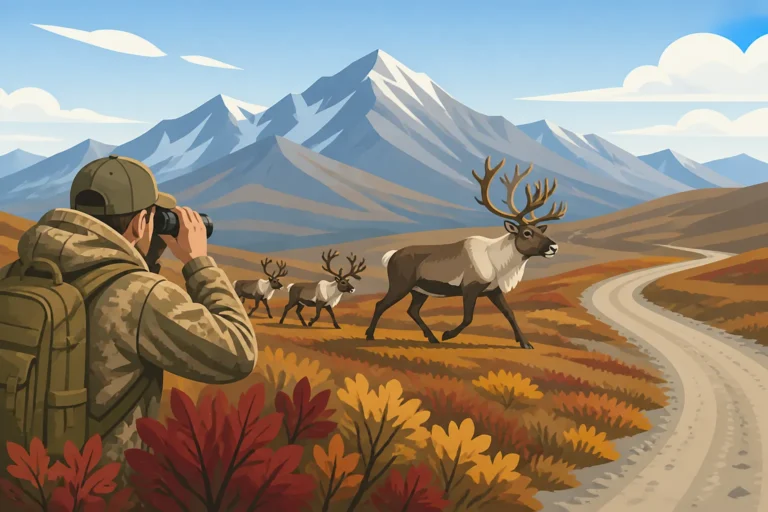
First off, let's clarify the terminology. "Live weight" is pretty self-explanatory – it's the weight of the animal as it stands. For an adult Alaska caribou, this can vary quite a bit. A prime bull might tip the scales at anywhere from 300 to 400 pounds, sometimes even more if it's a particularly large specimen from a healthy herd. Cows are generally smaller, often in the 250 to 350-pound range. These figures are highly dependent on the animal's age, its general health, the time of year, and even the specific caribou herd it belongs to. For instance, a barren ground caribou might average slightly differently than a mountain caribou, though most hunters in Alaska are pursuing the various barren ground herds.
"Dressed weight," on the other hand, refers to the animal's weight after the entrails have been removed. This is your first major reduction in weight after a successful kill. For caribou, you can typically expect the dressed weight to be roughly 70-75% of the live weight. So, if you've got a 350-pound bull, you're looking at a dressed carcass weight of approximately 245 to 260 pounds. This is still a hefty amount, but remember, you're not packing out the entire dressed carcass, especially in remote Alaska.
The "Boned-Out" Reality
Here's where the rubber meets the road for most Alaska hunters: the "boned-out" weight. Almost universally, hunters in the Alaska backcountry will bone out their caribou. This means stripping all the edible meat off the bone, leaving the skeletal structure, hide, and head behind. This practice is not just for convenience; it's a necessity for reducing weight when you're miles from any road system or air taxi pick-up point. Trying to pack out bone-in quarters from a caribou would be an absolutely brutal task, bordering on impossible for a solo hunter over any distance.
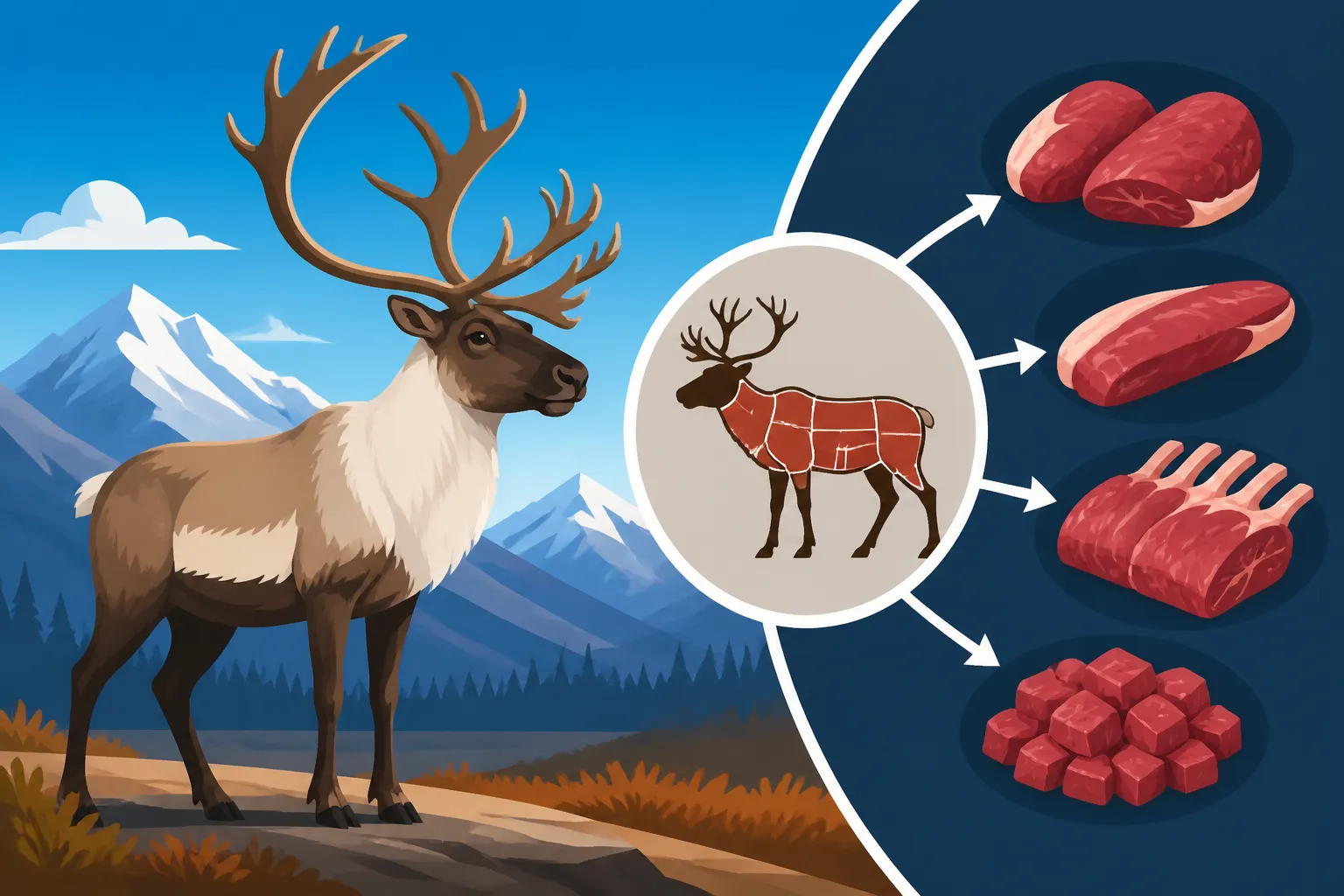
The edible meat includes all the prime cuts – the backstraps, tenderloins, roasts from the hindquarters and front shoulders, and all the various trim that will become your burger and stew meat. You'll be surprised how much weight the bones, hide, and head actually account for. It's a substantial portion of that initial live weight. While Alaska has strict salvage laws for some species like moose and bear, ensuring all edible meat is taken, caribou regulations generally focus on boning out the meat cleanly without leaving large amounts behind. The goal is to maximize your harvest and respect the animal, which means getting every ounce of usable meat into your pack.
Factors Influencing Your Caribou Meat Yield
The amount of meat you ultimately get from a caribou isn't a static number. Several key factors play a significant role in determining how much protein you'll be hauling out of the bush. Understanding these can help you set more accurate expectations and even influence your hunting strategy.
Age and Sex of the Animal
Just like with any big game, the age and sex of the caribou you harvest will significantly impact the final meat yield. Generally, a mature bull will yield the most overall meat due to its larger body size. However, there's a caveat here: while younger animals may have less overall mass, their meat-to-bone ratio can sometimes be more favorable, resulting in less waste. They are also often less heavily muscled and may be easier to handle in the field.
Cows, while smaller than bulls, often provide very consistent meat quality and a respectable yield. They don't typically undergo the drastic physiological changes that bulls do during the rut, meaning their meat quality remains stable throughout the season. When considering a specific hunt, think about the trade-offs: a massive bull for impressive antlers and potentially more meat (if pre-rut), or a cow for typically higher quality, more consistent meat, and a slightly easier pack out. Judging these factors in the field is part of the hunting challenge. For some insights into identifying animals, check out Caribou Antler Size on Bulls and Cows or When Bull Caribou Shed Their Antlers.
Time of Year (Pre-Rut Versus Post-Rut)
This is perhaps the single most critical factor when it comes to caribou meat yield and quality, especially for bulls. Caribou bulls undergo an incredible transformation as they prepare for and participate in the rut.
-
Pre-Rut (Late August – Early September): During this period, bulls are typically in their prime. They've been feeding heavily all summer, packing on fat and muscle in anticipation of the breeding season. Their meat quality is generally at its peak – tender, mild, and often marbled with fat. A bull taken during the pre-rut will yield the most meat and the best quality. Hunters often target this window for trophy potential and superior meat.
-
Post-Rut (Late September – October): This is where things change dramatically. After weeks of intense sparring, chasing cows, and expending massive amounts of energy (often with little eating), a bull caribou can lose a significant portion of its body weight – sometimes 20-30% or more. Their fat reserves are depleted, and their muscles can be tough and stringy. The meat can also develop a much stronger, "gamey" flavor, sometimes referred to as "rut flavor." This means a post-rut bull will not only yield less meat but the quality will also be noticeably diminished. If you're hunting later in the season, particularly if the rut is in full swing or just finished, be prepared for a lighter load and a different culinary experience. You can learn more about this in Caribou Meat Quality After the Rut.
Field Care and Butchering Efficiency
Even the healthiest, fattest caribou can provide a disappointing meat yield if proper field care and butchering techniques aren't followed. The moment an animal is down, the clock starts ticking, and quick, clean work can make all the difference.
First, rapid cooling is paramount. This is especially true in early season hunts when ambient temperatures can still be quite mild. Getting the hide off and the guts out as quickly as possible helps dissipate body heat, preventing spoilage and bacterial growth. If you let the carcass sit too long, especially on warmer days, you risk "bone sour" or general spoilage, forcing you to trim away precious meat. For tips on managing meat in warmer conditions, refer to Meat Care in 50-Degree September Weather.
Second, butchering efficiency plays a huge role. Knowing how to quarter and bone out an animal cleanly, without leaving significant amounts of meat attached to the bones or discarding usable trim, directly impacts your final yield. Taking the time to learn proper knife work beforehand can literally add pounds of meat to your game bags. Minimizing bloodshot meat by making a clean, ethical shot also ensures more of the animal is salvageable. A poorly placed shot might mean discarding larger portions of prime meat, which is always a tough pill to swallow after a successful hunt.
Realistic Expectations for Boned-Out Caribou Meat
Okay, so after all those considerations – the live weight, the dressing, the boning, and the variables of age, sex, season, and field care – what can you realistically expect to haul off the tundra? This is the number that really matters for your pack frame and your freezer space.
Average Boned-Out Yield Ranges
For an average, mature bull caribou taken in good condition (ideally pre-rut), you can typically expect to retrieve anywhere from 80 to 120 pounds of boned-out, edible meat. Some exceptional bulls, especially those taken early in the season, might push closer to 130-150 pounds, but this isn't the norm. Conversely, a post-rut bull that has lost a lot of condition could easily be on the lower end, sometimes even under 80 pounds, despite its impressive antler mass.
Mature cows, being smaller, will yield less, typically in the range of 60 to 90 pounds of boned-out meat. Younger animals will, of course, yield less still. It’s important to remember that these are general ranges, and individual animals and specific circumstances will always lead to variations. When you see higher numbers quoted, they often don't account for the waste that naturally occurs from bullet damage, bloodshot areas, or the small bits of trim that get left behind in the harsh realities of a backcountry field butcher.
Here's a quick reference table to help visualize these expectations:
| Caribou Type | Estimated Live Weight (lbs) | Estimated Dressed Weight (lbs) | Estimated Boned-Out Meat Yield (lbs) | Optimal Season |
|---|---|---|---|---|
| Mature Bull (Pre-Rut) | 350-450 | 260-340 | 100-150 | Late Aug – Early Sep |
| Mature Bull (Post-Rut) | 300-400 | 220-300 | 80-120 | Late Sep – Oct |
| Mature Cow (Any Season) | 250-350 | 180-260 | 60-90 | Any |
| Young Bull (Any Season) | 200-300 | 140-220 | 50-80 | Any |
Planning for the Pack Out
Knowing your potential meat yield is absolutely critical for planning your pack out, which is often the most physically demanding part of an Alaska caribou hunt. If you're anticipating 100 pounds of boned-out meat, that's typically going to be split into two roughly 50-pound loads, in addition to your personal gear, rifle, optics, and anything else you started with. This means you'll either be making multiple trips back to your camp or pick-up point, or you'll need a hunting partner to help shoulder the load.
Consider what 50 pounds feels like over uneven tundra, through brush, or across river crossings. It's a significant amount of weight, and it adds up quickly over distance. Always err on the side of caution when estimating your physical capacity and planning your routes. Underestimating the pack out can turn a successful hunt into a miserable, even dangerous, ordeal. For tips on managing heavy loads, read Backpack Hunting in Alaska: Gear Weight and Meat Loads or if you're considering a water-based exit, Packraft Weight Versus Load Capacity.
GoHunt and Researching Unit-Specific Caribou
While no tool can predict the exact meat yield of a specific animal, platforms like GoHunt can be incredibly valuable for researching general conditions in your chosen hunting unit. By diving into harvest statistics, success rates, and even discussions about herd health and average animal size within a particular Game Management Unit, you can form a more informed expectation for the caribou you might encounter. Understanding the typical condition of animals harvested in a unit during specific times of year, or the overall population trends, can indirectly inform your meat yield expectations.
For example, if you see data suggesting the Caribou Herds of Alaska and How They Move through your unit are generally healthy and bulls tend to be harvested before the peak of the rut, you might reasonably anticipate higher yields. Conversely, if hunting pressure typically extends into the late rut, you'll want to mentally prepare for the possibility of lighter, tougher meat. Using all available resources to gather intel is part of a thorough hunt plan.
Maximizing Your Caribou Meat Harvest
Bringing home the most meat possible from your caribou is a combination of good hunting practices, efficient field work, and careful handling. Every step, from the shot to the storage, contributes to the final yield you'll enjoy.
Ethical Shot Placement
It all starts with the shot. An ethical, well-placed shot is not just about a clean, humane kill; it's also about minimizing damage to edible meat. A shot through the vitals (heart and lungs) will result in rapid incapacitation and limit bloodshot meat to a small, contained area. Shots that hit large muscle groups like shoulders or hindquarters can create extensive bloodshot tissue that must be trimmed away, significantly reducing your usable meat.
Practicing your shooting in varied positions and under pressure-like conditions is key. Caribou often present opportunities on open tundra, but a steady rest isn't always available. Being comfortable taking a shot from kneeling, sitting, or even prone positions on uneven ground can make the difference between a clean kill and a compromised animal. Consider reviewing Shooting Positions on Alaska Tundra and Sidehills to prepare for those unexpected angles in the field. The less meat you have to discard due to bullet damage, the more delicious caribou you'll bring home.
Quick and Clean Field Dressing
Once your caribou is down, swift and efficient field dressing is paramount. As mentioned earlier, removing the entrails immediately begins the cooling process, which is essential for preserving meat quality, especially in warmer conditions or if the animal expires in a sunny spot. Get to the animal, gut it, and if possible, begin skinning and quartering right away.
The goal is to get the hide off the large muscle groups and separate the quarters as quickly as possible. This allows air to circulate, further reducing the internal temperature. When quartering, be meticulous. Strip all the meat cleanly off the bones. Don't rush and leave behind usable chunks. Place the boned-out meat into clean, breathable game bags immediately. Synthetic bags are often preferred in Alaska because they dry faster and are less prone to holding moisture than traditional cloth. These bags protect the meat from flies, dirt, and debris while allowing it to cool and form a protective "rind." Look for durable options like those mentioned in Game Bags That Breathe in Coastal Rain.
Careful Salvage and Storage
The final step in maximizing your yield involves careful salvage and proper temporary storage in the field. Don't just focus on the big muscle groups. Be thorough. There's often a good amount of meat on the neck, around the ribcage (rib meat is excellent for stew or grinding), and various trim pieces that, when gathered, can add several pounds to your total. Every ounce counts, especially after a challenging pack out.
Once the meat is in game bags, get it into the coolest, shadiest spot available. Hang it if possible, allowing air to circulate freely around each bag. Keeping meat off the ground protects it from moisture and critters. If you're in an area with active bears, hanging meat high in a tree, establishing a bear fence, or other deterrents are crucial. Neglecting this step could mean losing your hard-earned harvest to a hungry bruin. Learn about setting up secure storage in Bear Fence Setup at a Meat Cache. Always ensure your meat stays as clean as possible, free from hair, dirt, and insect larvae. The care you take in the field directly translates to the quality and quantity of the meat on your table.
Disclaimer
This article is for general informational purposes only and does not constitute professional advice. Laws, prices and regulations vary by location and change over time. Consult a qualified professional for guidance on your specific situation.