How Much Meat an Alaska Bull Moose Yields
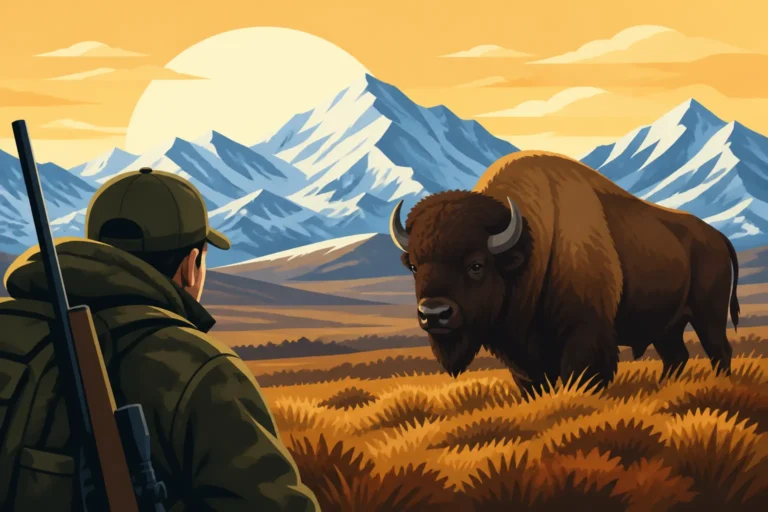
Hunting an Alaska bull moose is a dream for many, but once the shot is fired, a whole new set of questions arises. One of the most common and often underestimated concerns is, "Just how much meat will I actually get from this giant?" It's a question loaded with excitement for the freezer, but also a healthy dose of anxiety about the monumental task ahead. This guide will walk you through what to realistically expect in terms of meat yield from an Alaska bull moose, covering everything from live weight to what ends up in your freezer, and all the crucial steps in between.
Understanding the Sheer Scale of an Alaska-Yukon Moose
Let's be honest, standing next to a mature Alaska-Yukon bull moose is an experience that puts their sheer size into humbling perspective. These animals are truly massive, and that scale directly translates to a significant amount of meat, and an even more significant amount of work. It’s not just an animal; it’s a year's worth of protein.
Live Weight Versus Dressed Weight
A mature Alaska-Yukon bull moose can easily weigh anywhere from 1,000 to 1,600 pounds, with some exceptional specimens pushing even higher. Imagine that for a moment – more than half a ton of muscle and bone. However, that's their live weight, and it's a number that doesn't directly tell you how much meat you'll be taking home. The first big reduction comes with "dressed weight," which typically means the animal has been eviscerated (guts removed) in the field.
After field dressing, you can expect a significant drop, usually somewhere in the range of 25-35% of the live weight. So, that 1,200-pound bull might now be closer to 800-900 pounds. This dressed weight is still a colossal amount, and it’s often the metric used when hunters talk about how "big" their moose was, as accurately weighing a live moose in the field is nearly impossible. This initial step, while reducing the overall mass, really just shifts the weight from internal organs to the more manageable (though still enormous) carcass.
Factors Influencing a Bull's Overall Size
The size of a bull, and therefore its potential meat yield, isn't a fixed number; it varies quite a bit based on several critical factors. First and foremost is the age of the bull. Older, more mature bulls tend to be larger, carrying more muscle mass and bone structure. A yearling bull, while still substantial, simply won't yield the same amount of meat as a 7 or 8-year-old patriarch of the willow patch.
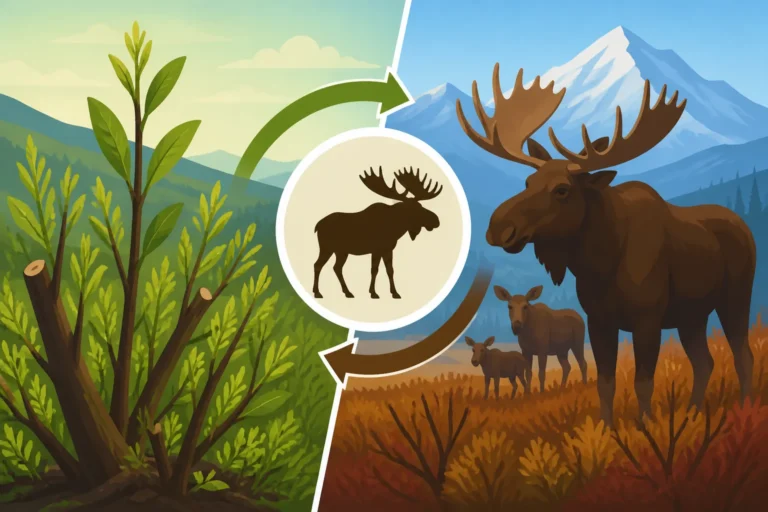
Habitat quality also plays a huge role. Moose that live in areas with abundant, nutritious forage – like lush willow flats, young birch stands in post-burn areas, or aquatic vegetation in lakes and sloughs – will typically be healthier and heavier. Conversely, bulls in marginal habitats might be smaller and leaner. The time of year you hunt also matters immensely. A bull harvested in late August or early September, before the rut, will be in peak physical condition, having spent the summer building reserves. By late September or October, after weeks of fighting, breeding, and barely eating, a bull can shed hundreds of pounds, making a significant difference in the final meat yield. You can learn more about how genetics and environment affect these animals in Alaska-Yukon Moose Body Size and Antler Spread.
Estimating the Usable Meat Yield
The dressed weight is impressive, but it’s still far from what actually goes into your freezer. The real number you're after is the boned-out meat yield, and this is where the planning for pack loads and freezer space truly begins.
The Boned-Out Meat Reality
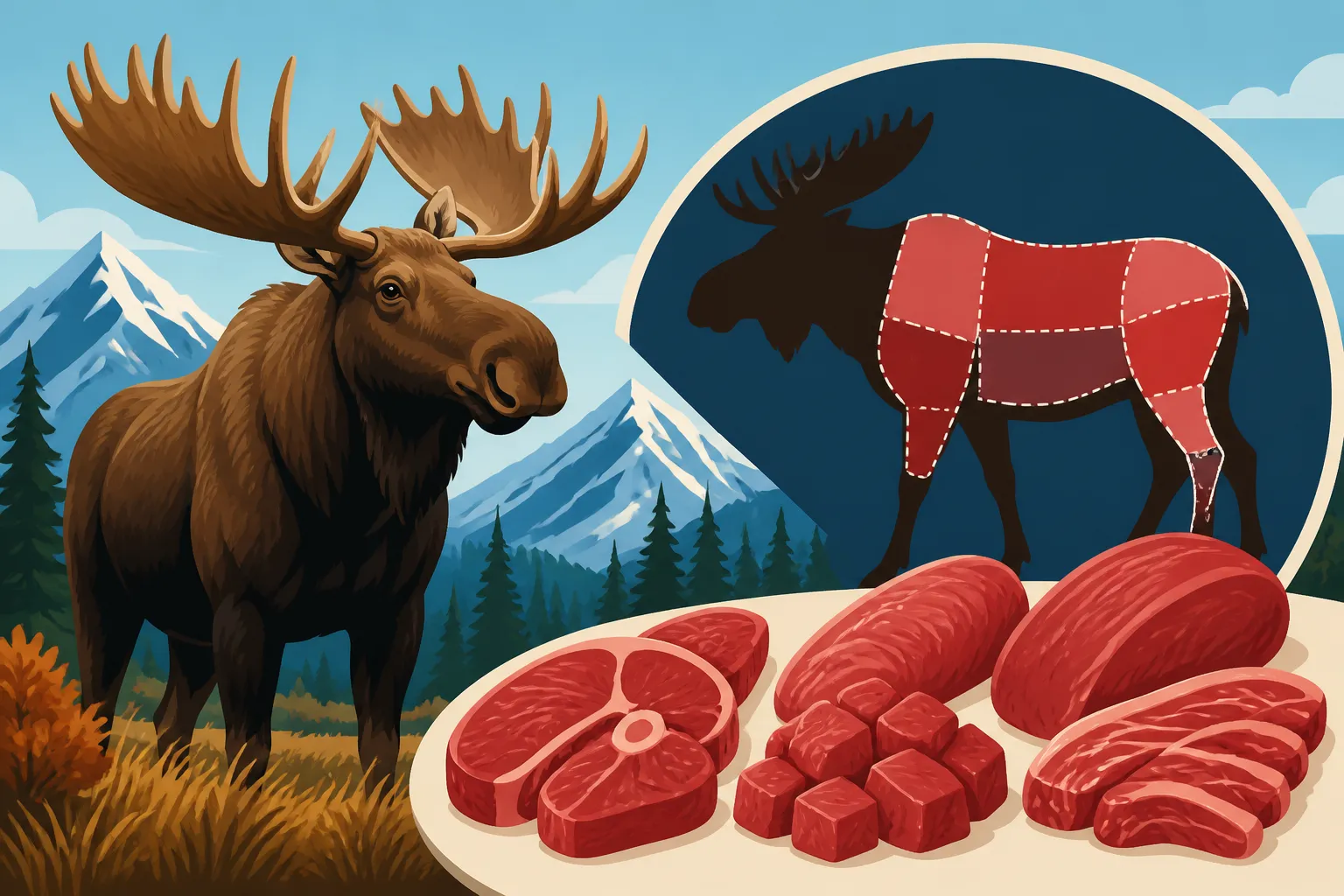
When you get down to the brass tacks of boning out an entire moose, the weight drops dramatically once more. All the bones, cartilage, connective tissue, and excess fat are removed, leaving you with pure, edible muscle. From a 1,200-pound live weight bull (or, say, a 850-pound dressed weight), you can expect to haul out, on average, between 400 to 600 pounds of boned-out meat. A truly exceptional bull, meticulously butchered, might push closer to 700 pounds, but that's certainly not the norm. This is the meat you'll be wrapping, grinding, and portioning for your meals.
This boned-out weight represents a tremendous amount of high-quality protein. Moose meat is lean, rich in flavor, and incredibly versatile. It's often compared favorably to beef, but with a distinct wild game taste that many hunters cherish. The density of the muscle means that even a smaller portion is incredibly filling, making that 400-600 pounds last for a very long time, especially for a single hunter or a small family.
Different Cuts and Their Contribution
When you're breaking down a moose, every major muscle group offers something fantastic for the dinner table. The hindquarters are massive, providing large roasts, steaks, and a significant amount of grind. The front shoulders, while perhaps tougher than the hindquarters, are excellent for roasts, stews, or more grind. The backstraps (loins) are arguably the most prized cuts, offering tender, flavorful steaks and roasts along the spine. Don't forget the tenderloins, small but incredibly tender strips found inside the cavity, a true delicacy.
Beyond these prime cuts, there's still a lot of valuable meat. The neck, often overlooked, yields fantastic roasts and stew meat. The ribs, if you have the time and means to salvage them, make for delicious slow-cooked meals, though they can be cumbersome to pack out. For more on this, check out Salvaging Ribs and Neck on an Alaska Bull. Even the shanks, often slow-cooked or ground, are packed with flavor. Every bit of edible muscle contributes to that impressive final yield, making comprehensive field butchering a rewarding effort.
Salvage Requirements and Ethical Harvesting
Alaska has very specific and strict laws regarding the salvage of edible meat, and it's something every hunter must take seriously. The regulations generally state that all edible meat must be removed from the animal and transported from the field. This isn't just about avoiding a citation; it's about respecting the animal and the resource. Ignoring these rules can lead to significant penalties, including fines and loss of hunting privileges.
For moose, "edible meat" typically includes the meat of the front quarters and hindquarters, the meat along the backbone (backstraps and tenderloins), and the neck meat. The ribs are sometimes open to interpretation depending on the unit, but it's always best practice to salvage as much as possible. This commitment to full utilization goes beyond legal requirements; it's an ethical imperative for any responsible hunter. We harvest these animals for sustenance, and wasting any part of that gift is simply unacceptable. Being familiar with Alaska Moose Meat Salvage Requirements before you head into the field is absolutely crucial.
Practical Considerations for Managing the Harvest
Knowing the potential yield is one thing; actually getting it from the remote Alaskan wilderness to your freezer is another beast entirely. This is where meticulous planning and physical preparedness truly pay off.
The "Moose Math" for Your Freezer
When you're looking at 400-600 pounds of boned-out moose meat, your first thought might be, "Where am I going to put all of this?" And it's a valid question! A standard chest freezer can hold a surprising amount, but a whole moose will likely require a dedicated freezer, or even two. Think of it this way: 500 pounds of meat could provide well over 200 meals, depending on your portion sizes and how much you incorporate ground meat into various dishes. For a family, this could easily last a year, providing a consistent source of lean, organic protein.
Many hunters process their own moose, turning it into steaks, roasts, stew meat, and plenty of ground moose. This hands-on approach ensures you get exactly the cuts you want and know exactly what went into your food. Alternatively, there are professional meat processors in Alaska who can handle the immense volume, but be sure to factor that cost into your overall hunt budget. Sharing the bounty with family and close friends is also a wonderful tradition, ensuring no meat goes to waste and spreading the appreciation for the harvest.
Logistics of Packing Out That Much Meat
This is arguably the most daunting aspect of hunting a moose in Alaska. Imagine hauling 400-600 pounds of boned-out meat, plus a hide and antlers, out of remote country. It’s a monumental physical challenge that often requires multiple trips, even for a fit hunting party. Each pack load might consist of 50-80 pounds of meat, meaning 8-12 arduous treks back and forth to your camp or pickup point. This is why physical conditioning is paramount for any Alaska hunt. Backpack Hunting in Alaska: Gear Weight and Meat Loads really drives home the importance of being ready for these loads.
The method of transport also dictates your approach. If you're on a float hunt, you'll be Loading a Bull Moose Into a Raft to float it downriver. If you're hunting closer to a road system or an ATV trail, those machines become invaluable. For remote fly-in hunts, you'll be relying on your air taxi pilot to make extra trips for meat, adding to the expense. Tools like those offered by GoHunt can be incredibly valuable here, as they provide mapping resources and planning tools to help you strategize your packing route and anticipate terrain challenges before you even leave home. Having a solid plan for meat retrieval is just as important as the hunt itself.
Field Care for Optimal Meat Quality
Getting the meat out is one thing, but ensuring it's of the highest quality for consumption is another. Proper field care begins immediately after the kill. The most critical step is rapid cooling. In Alaska, especially during early season hunts, temperatures can still be quite warm. Getting the hide off quickly helps the carcass cool down, which is vital to prevent spoilage. Quartering the animal and hanging the meat in game bags allows air circulation, further aiding cooling. This also protects the meat from flies, dirt, and scavengers.
Robust, breathable game bags are non-negotiable. Forget canvas or tarps that trap heat; you need bags specifically designed for wild game that allow air to pass through while keeping bugs and debris out. For advice on this, check out Game Bags That Breathe in Coastal Rain. Hanging the meat, ideally in the shade or a breezy spot, allows it to cool thoroughly. If temperatures are consistently above freezing, you might need to think about Hanging Meat in Warm September Weather and how to best utilize shade and airflow. The faster you can cool the meat, the better its quality will be. Understanding these steps and executing them flawlessly is key to making sure that every pound of that hard-earned moose meat is prime for the table. Knowing what to expect with Meat Care in 50-Degree September Weather and Cooling a Carcass Before the Flies Find It is non-negotiable.
Maximizing Your Return on Investment Beyond Just Meat
While the sheer volume of meat is undoubtedly the primary driver for many moose hunters, the true value of an Alaska bull moose extends far beyond the freezer. The entire experience offers a profound return on your investment in time, effort, and resources.
The Value of Antlers and Hide
For many, the antlers of a bull moose are a significant trophy, a tangible reminder of the challenging hunt and the incredible animal. While they don't contribute to the edible meat yield, their aesthetic and sentimental value is immense. Proper care of the skull plate and antlers in the field ensures they make it home in good condition. If you're considering a shoulder mount, the cape (hide from the head and shoulders) needs very specific and careful preparation in the field. This can be as demanding as handling the meat itself, requiring precision cuts and immediate cooling. While the specific details for moose are a bit different, the principles of careful hide preservation are similar to those outlined in Cape Care for a Life-Size Bear Mount.
The rest of the hide, while not typically saved for a shoulder mount, can be tanned for personal use, creating rugged leather for various projects. However, given the hide's immense size and weight, and the specialized processes required, many hunters opt to leave it in the field if it’s not intended for a mount, ensuring they prioritize the salvage of all edible meat. It's a personal choice, but one that adds another layer to the overall value of the harvest.
The Experience and Sustenance
Beyond the physical meat and the impressive antlers, there's the immeasurable value of the experience itself. Hunting an Alaska bull moose is an epic adventure – a test of endurance, skill, and grit. The memories forged in the vast Alaskan wilderness, the moments of challenge and triumph, and the deep connection to nature are priceless. This hunt provides a profound sense of self-sufficiency, knowing you've provided for yourself and your family through your own efforts.
Then, of course, there's the sustenance. For many months, your family will enjoy lean, healthy, wild game protein. It’s a sustainable, organic food source free from the additives often found in commercially raised meats. Every meal becomes a reminder of the adventure and the effort. Resources like GoHunt can help you prepare for this experience by offering detailed research on units, seasons, and hunting strategies, empowering you to make the most of your investment. It’s not just about how much meat an Alaska bull moose yields; it’s about the full spectrum of rewards, from the wild protein on your plate to the indelible memories etched in your soul.
| Characteristic | Average Mature Bull (Example) | Large Mature Bull (Example) |
|---|---|---|
| Live Weight | 1,200 lbs | 1,500 lbs |
| Dressed Weight | 850 lbs | 1,050 lbs |
| Boned-Out Meat | 450-500 lbs | 600-650 lbs |
| Number of Pack Loads (75lb/load) | 6-7 loads | 8-9 loads |
Disclaimer
This article is for general informational purposes only and does not constitute professional advice. Laws, prices and regulations vary by location and change over time. Consult a qualified professional for guidance on your specific situation.