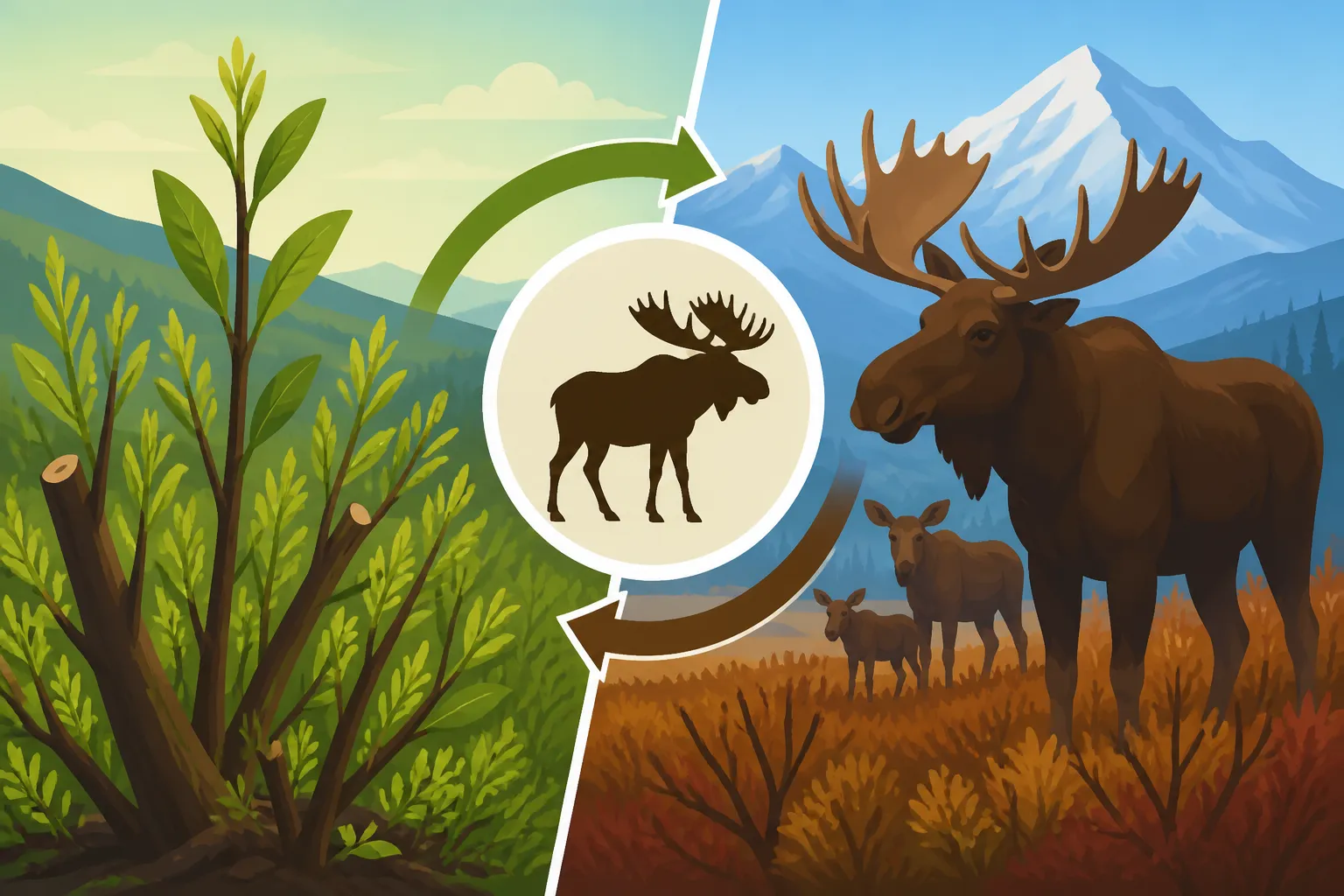
Willow Regrowth and Moose Numbers
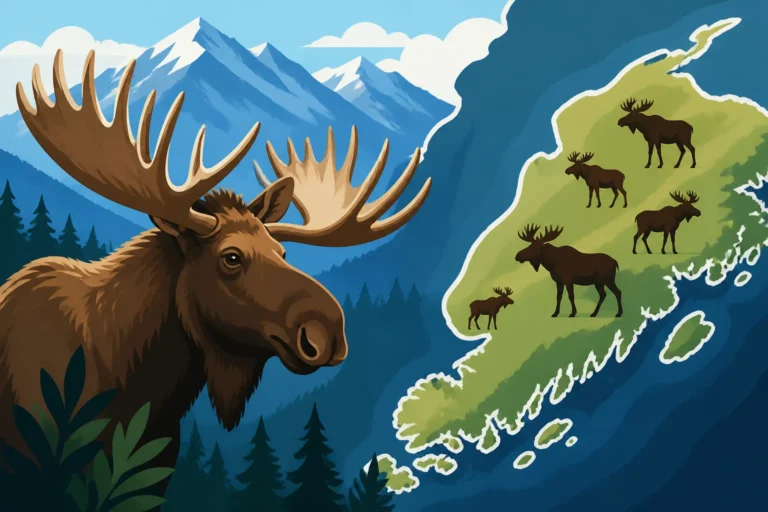
One of the most profound mysteries for hunters and wildlife enthusiasts alike in Alaska is understanding why moose populations seem to boom in some areas and dwindle in others, often without a clear, immediate cause. It can be incredibly frustrating to scout a once-productive area only to find it devoid of game, or conversely, stumble upon a thriving herd where you least expected it. This guide aims to demystify one of the most critical factors influencing Alaska's iconic moose numbers: the intricate relationship between willow regrowth and their population dynamics, helping you better anticipate where to find these magnificent animals.
The Fundamental Role of Willows in Moose Habitat
When we talk about moose in Alaska, we're really talking about willows. These shrubs aren't just a food source; they are the primary lifeblood for Alaska's massive ungulates, especially the Alaska-Yukon moose. Without abundant, nutritious willow, moose simply cannot thrive, let alone reach those impressive sizes and antler spreads we all dream about. It's a connection so fundamental that understanding the willow ecology is akin to holding a map to moose country.
Willow as the Primary Food Source
Moose are browsers, not grazers like caribou or bison. This means their diet primarily consists of the leaves, twigs, and bark of woody plants, with willows leading the charge by a mile. Picture a mature bull moose in late summer, its massive rack still in velvet, neck deep in a sea of green, methodically stripping leaves and nipping tender shoots. This isn't just a snack; it's the critical fuel that powers their growth, sustains their huge bodies through the harsh winters, and allows cows to successfully carry and raise calves. A diet rich in high-quality willow translates directly into healthier, larger moose, better antler development, and more robust reproduction rates. Without these plants, a moose's nutritional needs cannot be met, leading to smaller body sizes, poorer antler growth, and a struggle to survive severe winters, particularly for calves and older animals.
Beyond just the quantity, the quality of the browse is paramount. Willows offer a fantastic balance of protein, energy, and minerals that moose require. When we consider the sheer volume of forage a full-grown moose consumes daily – tens of pounds of browse – it becomes clear that vast, accessible willow stands are non-negotiable for a healthy population. Any factor that reduces the availability or quality of this vital resource inevitably impacts the moose numbers in that area.
Different Stages of Willow Growth and Palatability
Not all willows are created equal in the eyes (or stomachs) of a moose. The nutritional value and palatability of willow plants change dramatically depending on their age and stage of growth. Young, vigorously growing willows, often found in areas of recent disturbance, are like gourmet meals for moose. These tender shoots and leaves are packed with easily digestible nutrients, making them highly sought after. They're soft, easy to chew, and deliver a powerful punch of energy that's crucial for moose, especially during the intense antler growth period for bulls or lactation for cows.
As willows mature, they become woodier, tougher, and less palatable. Think of it like comparing a crisp, tender garden salad to tough, fibrous root vegetables. While moose will still browse on older willows, particularly in winter when options are limited, these provide less nutritional bang for their buck. Over time, in the absence of disturbance, an area can become overgrown with older, decadent willow stands that simply don't offer the rich diet a thriving moose population needs. This succession from young, nutritious browse to older, less appealing forage is a key driver of moose population movement and decline in certain areas. It's why understanding forest succession and the stages of willow growth is so critical for predicting where moose will be abundant.
How Disturbances Create Prime Moose Habitat
It might seem counterintuitive, but nature's most destructive forces—wildfires, floods, or even human-caused disturbances like logging—are often the genesis of prime moose habitat. These events, though initially devastating, reset the ecological clock, paving the way for the explosive willow regrowth that moose absolutely depend on. It’s a harsh cycle of destruction and renewal, but one that Alaska's landscape and its wildlife are intimately adapted to.
Wildfires and the Regeneration Cycle
Wildfires are arguably the most significant natural creator of moose habitat in Interior Alaska. While a recent burn might look like a desolate, charred landscape, beneath the surface, it’s a nursery preparing for explosive growth. The fire clears out old, decadent forests and woody vegetation that provided little browse, opens up the canopy allowing more sunlight to hit the forest floor, and returns vital nutrients to the soil in the form of ash. Within a year or two, sometimes even months, the area springs back to life, often dominated by an incredible flush of young willow shoots.
These post-fire willow stands are dense, vigorous, and highly nutritious. For the next 10 to 20 years, a burn scar can be an absolute moose haven. We often refer to this as a "ten-year-old burn" being perfect moose country because the willows have reached an ideal height and density, offering both abundant food and cover. Over time, as taller trees like spruce and birch start to outcompete the willows, and the willows themselves age and become woody, the habitat quality will decline. This is why you'll hear seasoned hunters discussing the age of a burn scar when planning a hunt; they know these areas are dynamic and eventually cycle out of prime moose production. You can read more about how moose thrive in these areas in our post on Moose Habitat in Alaska Burn Scars.
Forest Management and Moose Forage
While natural wildfires play a huge role, human-driven forest management practices, particularly logging, can also mimic these natural disturbances and create beneficial moose habitat. When timber operations clear-cut an area, it opens up the ground to sunlight, just like a fire would. This disturbance often leads to a similar flush of willow, birch, and aspen regrowth that provides excellent browse for moose. Of course, the scale and management of these activities are critical. Uncontrolled or poorly planned logging can be detrimental, but strategically managed timber harvests can certainly contribute to a patchwork of diverse habitats that benefits moose.
Similarly, other land management activities, such as prescribed burns (controlled fires set by land managers to achieve specific ecological goals) or even certain types of land clearing for infrastructure, can create temporary windows of excellent moose forage. The key is understanding that moose populations flourish in early successional habitats – those areas that have recently experienced a disturbance and are in the initial stages of plant regrowth. Without these periodic disruptions, the landscape tends to mature into older forests that simply cannot sustain the same high densities of moose. Understanding these cycles helps hunters scout for areas where this regeneration is actively occurring, which you can often do by looking for Old Burns and Where Moose Feed in Them.
Understanding Moose Population Dynamics in Relation to Browse
The availability of high-quality willow browse is the ultimate governor of moose populations. It dictates how many moose an area can support, how healthy those moose will be, and ultimately, whether the population is stable, growing, or declining. It's a complex dance between food supply and animal demand, with delicate balances that can easily be tipped.
Carrying Capacity and Moose Density
Every piece of land has a "carrying capacity"—the maximum number of animals it can sustain without degrading the habitat. For moose in Alaska, this carrying capacity is almost entirely defined by the amount and quality of available willow browse. When willow is abundant and nutritious, a landscape can support a high density of moose. These moose will typically be healthy, with strong body conditions, good antler growth, and cows that successfully calve, often producing twins, which you can learn more about in our article on Twinning Rates and Moose Herd Health.
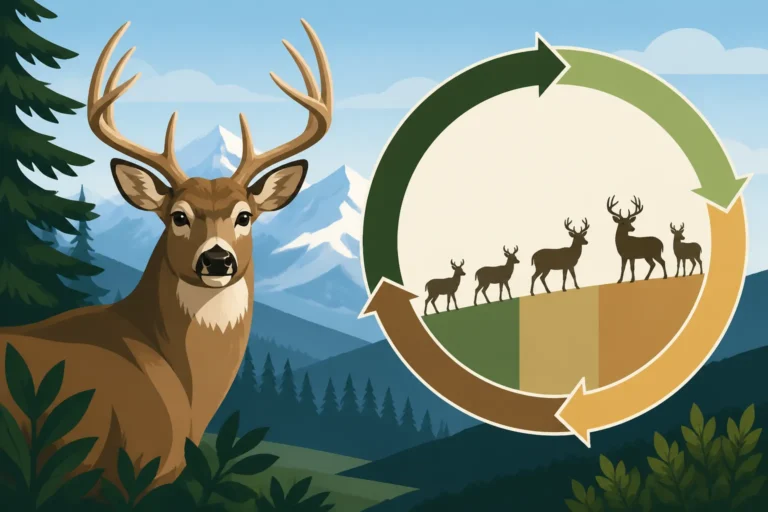
However, if the moose population grows beyond the carrying capacity, or if the browse quality declines due to natural succession or other factors, the entire system begins to suffer. The moose start to over-browse the willows, damaging the plants faster than they can recover. This leads to a decline in body condition for the moose, lower reproductive rates, and increased vulnerability to disease and predation. It's a classic boom-and-bust cycle: abundant browse leads to a moose boom, which then can lead to over-browsing and a subsequent bust. Management agencies carefully monitor these relationships to set harvest quotas, aiming to keep populations within a healthy balance of their habitat.
Over-browsing and Habitat Degradation
When moose numbers exceed the carrying capacity of their habitat, the consequences can be severe. This phenomenon, known as over-browsing, occurs when moose consume willow shoots and other preferred forage so heavily that the plants struggle to regenerate. You'll start to see willows with stunted growth, often with thick, club-like ends where they've been repeatedly browsed. In extreme cases, entire willow stands can be killed off.
This isn't just bad for the willows; it's devastating for the moose. As the habitat degrades, the nutritional foundation for the herd erodes. Moose become malnourished, leading to smaller body sizes, reduced fat reserves for winter, and poor calf survival rates. This weakened state also makes them more susceptible to predation, as explained in Predation Pressure on Alaska Moose Calves. The population can enter a downward spiral that takes years, even decades, to recover, even after moose numbers are reduced. This is why careful wildlife management often focuses not just on moose numbers, but crucially, on the health and recovery of their primary food source. Healthy willows mean healthy moose, and understanding this feedback loop is vital for any serious hunter or conservationist.
Hunting Implications and Management Insights
For us hunters, understanding the dance between willow regrowth and moose numbers isn't just academic; it's practical intelligence that can dramatically improve our scouting and success rates. Moose don't just wander aimlessly; they are creatures of habit and opportunity, always seeking the best forage. By recognizing the signs of prime willow habitat, we can put ourselves in the right place at the right time.
Scouting for Optimal Willow Stands
When you're looking for moose, you should effectively be looking for optimal willow stands. This means scouting areas that have recently experienced disturbances, like wildfires or logging activity, or river bottoms where periodic flooding continually resets plant succession. Satellite imagery, topographical maps, and land management reports can be invaluable tools for identifying these areas. For example, using tools from GoHunt to research past fire history or timber harvest records in specific game management units can give you a significant advantage. Look for younger, vigorous willow growth, which is often characterized by a rich green color on satellite images and dense, shoulder-high stands on the ground.
Don't just look for "willows" but specifically for the right kind of willows—the tender, nutritious new growth. If you find an area with very tall, old, woody willows, it might still hold moose, especially during winter, but it's less likely to be supporting a thriving, expanding population. Pay attention to browse lines: if all the new growth has been clipped off at moose-head height, it's a sign that moose are heavily utilizing the area, possibly even over-browsing. Finding that sweet spot where willows are abundant and showing healthy growth is key. You'll often find these prime feeding areas adjacent to denser cover, providing security for the moose, especially during the day. Consider areas with good water sources and close proximity to willow flats; this is often where you'll find Willow Flats Versus Spruce for Bull Moose as a general pattern.
Long-Term Trends and Hunter Strategy
Moose populations and their habitats are not static; they are constantly shifting. What was a productive area ten years ago might be marginal today if the willow browse has aged out. Conversely, areas that were once sparse might now be blossoming with new growth after a burn. This means hunter strategy needs to be adaptive and forward-looking. Stay informed about major wildfires, land use changes, and flood events in the units you're interested in. Researching game management unit reports, often available through state wildlife agencies or through resources like GoHunt, can provide invaluable insights into herd health and habitat conditions, helping you understand Alaska Moose Antler Restriction Areas and why they are implemented.
For instance, Unit 20A, known for its productive moose hunting, has seen fluctuations tied directly to fire history and willow regeneration. Understanding that a fire from 15 years ago is now likely transitioning out of its peak moose production phase allows you to seek out more recent disturbances. This long-term perspective isn't about chasing every rumor; it's about understanding the ecological drivers that fundamentally shape where moose live and thrive. By integrating this knowledge into your scouting, whether it’s for a general season hunt or applying for a draw permit, you'll be making more informed decisions, increasing your odds of a successful and rewarding hunt. This ecological foresight is a hallmark of truly effective Alaska Moose Hunting Tactics for the September Rut.
Willow Regeneration and Moose: A Symbiotic Relationship
The relationship between willow regrowth and moose numbers in Alaska is a profound example of ecological symbiosis. Moose rely entirely on willows for survival and growth, while the dynamic nature of Alaska's landscape, driven by fire, flood, and human intervention, constantly renews the willow resource. This isn't a static picture but a constantly evolving landscape where prime moose habitat is always in flux. For hunters, this means adapting our strategies, understanding these natural cycles, and always scouting with an eye for that crucial green gold – the young, vibrant willow shoots that fuel Alaska's magnificent moose.
Remember, every time you step into the Alaskan backcountry, you're stepping into a living, breathing ecosystem. The more you understand its intricate workings, the more successful and appreciative your hunting experiences will become.
| Willow Growth Stage | Typical Age (Approx.) | Nutritional Value for Moose | Palatability | Moose Utilization |
|---|---|---|---|---|
| Early Regrowth | 1-5 years | Very High | Excellent | Heavy |
| Optimal Browse | 5-20 years | High | Excellent | Peak |
| Maturing Stands | 20-40 years | Moderate | Good | Moderate |
| Decadent/Overgrown | 40+ years | Low | Fair | Light (winter only) |
Disclaimer
This article is for general informational purposes only and does not constitute professional advice. Laws, prices and regulations vary by location and change over time. Consult a qualified professional for guidance on your specific situation.