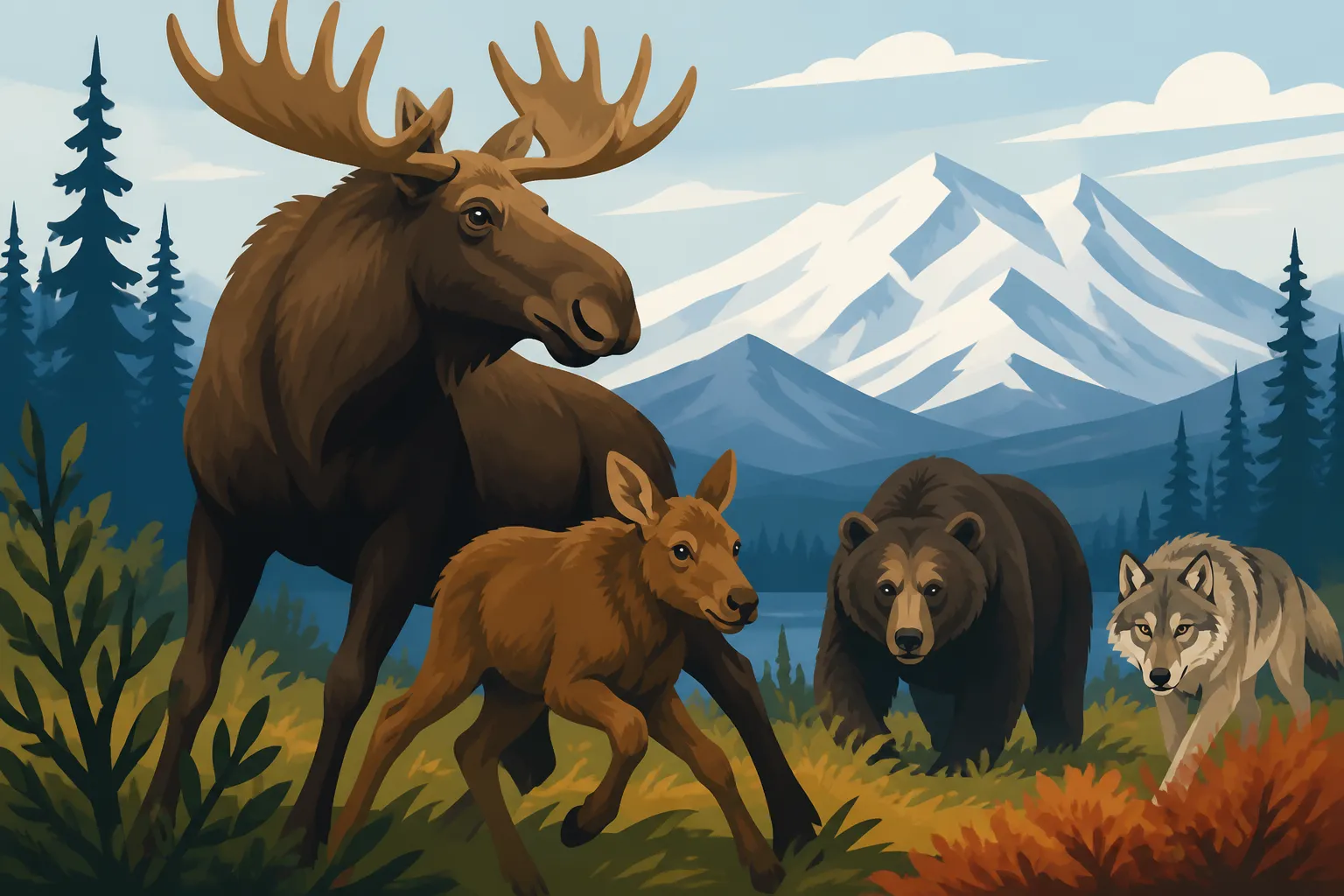
Predation Pressure on Alaska Moose Calves
It’s a tough world out there for a newborn moose calf in Alaska. Every spring, thousands of these gangly bundles of energy hit the ground, only to face an immediate gauntlet of challenges that will determine if they make it to their first winter. If you've ever wondered why moose populations fluctuate or why seeing a calf with its cow is such a poignant sight, you're looking directly at the intense gauntlet of predation pressure that shapes their survival. This guide will explore the brutal realities of this struggle, outlining the primary predators, the ecological impacts, and the various factors that influence a calf’s chances of survival.
The Harsh Reality of Calf Survival
The period immediately following birth is perhaps the most dangerous time in a moose calf's life. It's a critical window where they are most vulnerable, and their survival rates are incredibly low compared to older, more experienced moose. This isn't just a tough break for a few unlucky individuals; it’s a natural culling that plays a significant role in the overall health and dynamics of Alaska’s moose populations. Understanding this period is crucial for anyone interested in wildlife management or simply appreciating the challenges these magnificent animals face daily.
The Critical First Weeks: Predators and Environment
A moose calf typically weighs around 25 to 35 pounds at birth, small and unsteady on its long legs. While they can stand within hours, and even run a bit by their second day, they are far from capable of outrunning or defending themselves against the myriad threats lurking in the Alaskan wilderness. The first four to six weeks are particularly brutal. During this time, a staggering percentage of calves, often well over 50%, can be lost. This high mortality is not solely due to predators; environmental factors like harsh weather, late spring snow, and even disease can take a toll.
However, predators are the undisputed champions of calf mortality. A cow moose will often try to hide her calf in dense cover, especially during those initial days, relying on camouflage and stillness to avoid detection. But Alaska's vastness offers plenty of hiding spots for predators too, and their keen senses are constantly tuned for the scent and movement of vulnerable prey. The mothers are incredibly protective, often charging at perceived threats, but even a determined cow cannot be everywhere at once, especially if multiple predators are working together.
Common Predators of Moose Calves
When we talk about predation pressure on Alaska moose calves, a few key players immediately come to mind. These aren't just opportunistic feeders; they are often highly effective hunters perfectly adapted to finding and dispatching young moose.
The primary predators you’ll encounter in Alaska that target moose calves are:
- Brown Bears and Grizzlies: These are arguably the biggest threat. They emerge from their dens in spring, often hungry and looking for easy protein. A newborn calf is exactly that. Bears are incredibly strong, intelligent, and can cover vast territories. They are particularly active in areas where moose cows calve, essentially "patrolling" for newborns.
- Black Bears: While typically smaller than brown bears, black bears are also significant predators of calves, especially in forested areas. They are excellent climbers and can be surprisingly aggressive.
- Wolves: Wolf packs are highly efficient hunters, and while they might target adult moose in winter, during spring and summer, calves become a much easier and more frequent target. A pack can easily overwhelm a cow defending her calf.
- Wolverines: Though smaller, wolverines are incredibly tenacious and powerful for their size. While not as dominant a predator as bears or wolves, they will certainly take a vulnerable calf if the opportunity arises.
- Lynx and Coyotes: These smaller carnivores might occasionally take a very young or weak calf, but their impact is generally less significant than the larger predators.
Each of these predators brings a different hunting strategy to the table, creating a diverse and constant threat for young moose.
How Predators Impact Moose Populations
The impact of predation extends far beyond the individual calf that falls victim. On a larger scale, predator pressure significantly shapes the density, age structure, and overall health of moose populations across Alaska. When calf survival is consistently low, it directly translates to fewer young adults recruiting into the breeding population years later, leading to potential declines or stagnation in moose numbers. Wildlife managers constantly monitor these dynamics, trying to strike a balance in diverse ecosystems.
Bear Predation: Brown and Black Bears
Bears are incredibly efficient at finding moose calves. Emerging from hibernation, a bear’s internal clock is often set to seek out protein-rich meals, and the calving season of moose conveniently aligns with this need. Brown bears, especially large sows with cubs of their own, are particularly voracious. They have an uncanny ability to sniff out hidden calves or simply intercept cows during or shortly after birth. The sheer power of a brown bear means a calf has virtually no chance once cornered, and even a defensive cow often struggles against such a formidable foe.
The influence of salmon runs on Alaska coastal bear size is often discussed, but inland grizzlies and brown bears also thrive on vegetation and meat, including young moose. In certain areas, bear predation can account for the overwhelming majority of calf mortality. This is why in some management scenarios, limiting bear populations through regulated hunting has been considered or implemented to boost moose numbers, particularly in areas where moose are a desired game species. The relationship is complex, as bears are also vital components of the ecosystem, but their impact on young moose is undeniable.
Wolf Predation: Pack Dynamics and Calf Kills
Wolves, with their highly organized pack structure and relentless pursuit, are another major force in the lives of Alaska moose calves. While adult moose, especially a large bull or a wary cow, can often defend against individual wolves, a coordinated wolf pack is a different story. They will often test a cow's resolve, attempting to separate her from her calf, and exploit any weakness. The article on how wolves affect moose calf survival delves deeper into this intricate relationship.
Wolf packs often follow moose migration patterns or concentrate their efforts in areas where moose calve. Their endurance and keen sense of smell make them adept at locating young, inexperienced prey. In areas with high wolf densities, the pressure on moose calves can be intense, leading to significant reductions in annual recruitment. Understanding the dynamics of wolf pack sizes in Interior Alaska is vital for predicting and managing this specific type of predation pressure. It's a constant, high-stakes game of survival that plays out across the vast wilderness.
| Predator Type | Primary Impact on Calves | Hunting Strategy | General Effect on Moose Populations |
|---|---|---|---|
| Brown/Grizzly Bear | High mortality, especially shortly after birth | Opportunistic, ambush, scent-tracking | Can limit recruitment significantly; often top calf predator |
| Black Bear | Significant mortality in forested areas | Opportunistic, ambush, stealth | Contributes to calf loss, especially where brown bears are less common |
| Wolves | Sustained pressure, particularly by packs | Cooperative hunting, pursuit, separation | Can depress moose numbers over time; impacts recruitment |
| Wolverine | Occasional mortality of vulnerable calves | Opportunistic, tenacious | Less population-wide impact than bears/wolves, but still a threat |
Factors Influencing Predation Success
It's not just the presence of predators that dictates calf survival; a multitude of other factors can tip the scales one way or another. From the health of the mother to the quality of the surrounding habitat and even the capricious nature of Alaskan weather, many variables contribute to a calf's vulnerability or its chances of evading capture.
Habitat Quality and Cover
A moose cow's choice of calving site is incredibly important, and habitat quality plays a huge role in providing adequate cover. Dense willow thickets, stands of young spruce, or even islands within a braided river system can offer crucial concealment from aerial predators like eagles (which can sometimes take a very young calf) and terrestrial hunters alike. When good hiding cover is scarce, calves are more exposed, making them easier targets. Areas with ample browse and good cover, like those found in productive burn scars or rich riparian zones, can offer better chances of survival. Knowing what moose eat in a ten-year-old burn or how willow regrowth and moose numbers are connected helps explain why certain habitats are preferred and lead to better outcomes.
Conversely, open areas or habitats degraded by human activity or natural events might force cows to calve in less secure locations. The availability of food also indirectly impacts calf survival: a well-fed cow is a strong cow, better able to defend her offspring. Areas with high moose density, like the Moose Density on the Kenai Peninsula, can also lead to increased predator activity due to the higher concentration of available prey.
Cow Health and Calf Vigor
A healthy cow moose is much more likely to produce a healthy, vigorous calf. Her nutritional state during the winter and leading up to calving can directly influence the calf’s birth weight, strength, and ability to keep up with her in those critical first days. A strong calf is quicker to respond to danger, better able to follow its mother, and generally more difficult for a predator to catch.
Furthermore, a cow's experience and physical condition dictate her ability to defend her calf. An older, seasoned cow might be more adept at choosing a safe calving site and more aggressive in warding off threats than a young, first-time mother. Sometimes, a cow will even give birth to twins. While this increases the overall number of calves born, it also means she has two mouths to feed and two individuals to protect, potentially stretching her defenses thin. Understanding the dynamics of twinning rates and moose herd health is crucial for assessing a population's resilience against predation.
Weather and Seasonal Conditions
Alaska's weather is famously unpredictable, and its impact on moose calf survival is often underestimated. A late, heavy snowfall in spring can make travel difficult for both cow and calf, exposing them longer to the elements and making them easier for predators to track. Prolonged periods of cold, wet weather can also lead to hypothermia in young calves, weakening them and making them more susceptible to disease or predation.
Conversely, an early, warm spring can allow calves to gain strength and size more quickly, potentially shortening their most vulnerable period. However, warm weather also means a more active predator population. The timing of snowmelt, the green-up of vegetation, and even sudden temperature drops can all play a role in the daily struggle for survival for these young animals.
Management Strategies to Support Calf Survival
Given the significant predation pressure on moose calves, wildlife managers and conservationists are constantly exploring and implementing strategies to ensure healthy and sustainable moose populations. These approaches often involve a combination of managing predator numbers and enhancing the very environment in which moose live and breed. It's a delicate balance, aiming to support both moose and the rich ecosystem they inhabit.
Predator Management and Population Control
In areas where moose populations are struggling or where hunter demand for moose is high, active predator management can be a controversial but sometimes necessary tool. This often involves targeted efforts to reduce the numbers of wolves and bears, thereby lessening the pressure on moose calves. For instance, increased hunting quotas for bears in specific units or aerial wolf control programs have been used in the past to try and boost moose calf survival rates. For hunters wishing to contribute to these efforts, understanding something like Alaska black bear seasons and bag limits becomes important. These actions are typically based on scientific studies and population data, aiming for a measurable increase in calf survival.
However, predator management is not a one-size-fits-all solution and carries ecological considerations. Predators play essential roles in maintaining ecosystem health by culling weak or diseased animals. Thus, these programs are usually carefully monitored and adapted based on real-time data and population responses. Hunters also engage in predator calling for Alaska wolves and wolverine, contributing to managing these populations. It's a continuous effort to find the sweet spot where moose can thrive while maintaining a healthy predator-prey balance.
Habitat Enhancement and Moose Productivity
Beyond managing predators, improving the habitat for moose is another cornerstone of supporting calf survival. This can involve a variety of approaches designed to create more favorable conditions for moose to calve, forage, and evade predators. For example, controlled burns in forested areas can stimulate the growth of preferred browse species like willows and birch, providing better nutrition for cows and thicker cover for calves. These "early successional" habitats are incredibly important for moose throughout their lives.
Projects might also focus on identifying and protecting critical calving grounds, ensuring these areas remain undisturbed and offer prime concealment. In some instances, agencies might work to reduce human disturbance in sensitive calving areas during the spring. The goal is to make life a little easier for the moose cows and their young, giving those vulnerable calves a fighting chance. By investing in better habitat, we're essentially stacking the odds a bit more in favor of the moose, allowing them to better withstand the natural pressures of the Alaskan wilderness. For hunters looking to understand more about specific hunting units, resources like GoHunt can provide valuable insights into where these efforts might be concentrated or where moose populations are generally thriving.
Ultimately, understanding the intricate dance between moose calves and their predators, along with the environmental factors at play, is crucial for anyone with an interest in Alaska's wildlife. It's a story of struggle and resilience, playing out every spring across the vast and beautiful landscape.
Disclaimer
This article is for general informational purposes only and does not constitute professional advice. Laws, prices and regulations vary by location and change over time. Consult a qualified professional for guidance on your specific situation.