Twinning Rates and Moose Herd Health
When you're out hunting for moose in the vast Alaskan wilderness, it’s natural to focus on the big bull you hope to bring home. But beneath the surface of those majestic antlers and massive bodies lies a deeper story about the health of the entire herd, a story often told through something called "twinning rates." Many hunters don't realize how crucial these numbers are, but understanding them can give you invaluable insight into what's really happening with the moose populations you pursue, and ultimately, what to expect from your hunt. This guide will walk you through what twinning rates are, why they're so important for understanding moose herd health, and how this knowledge can make you a more informed and ethical hunter in Alaska.
What Are Moose Twinning Rates and Why Do They Matter?
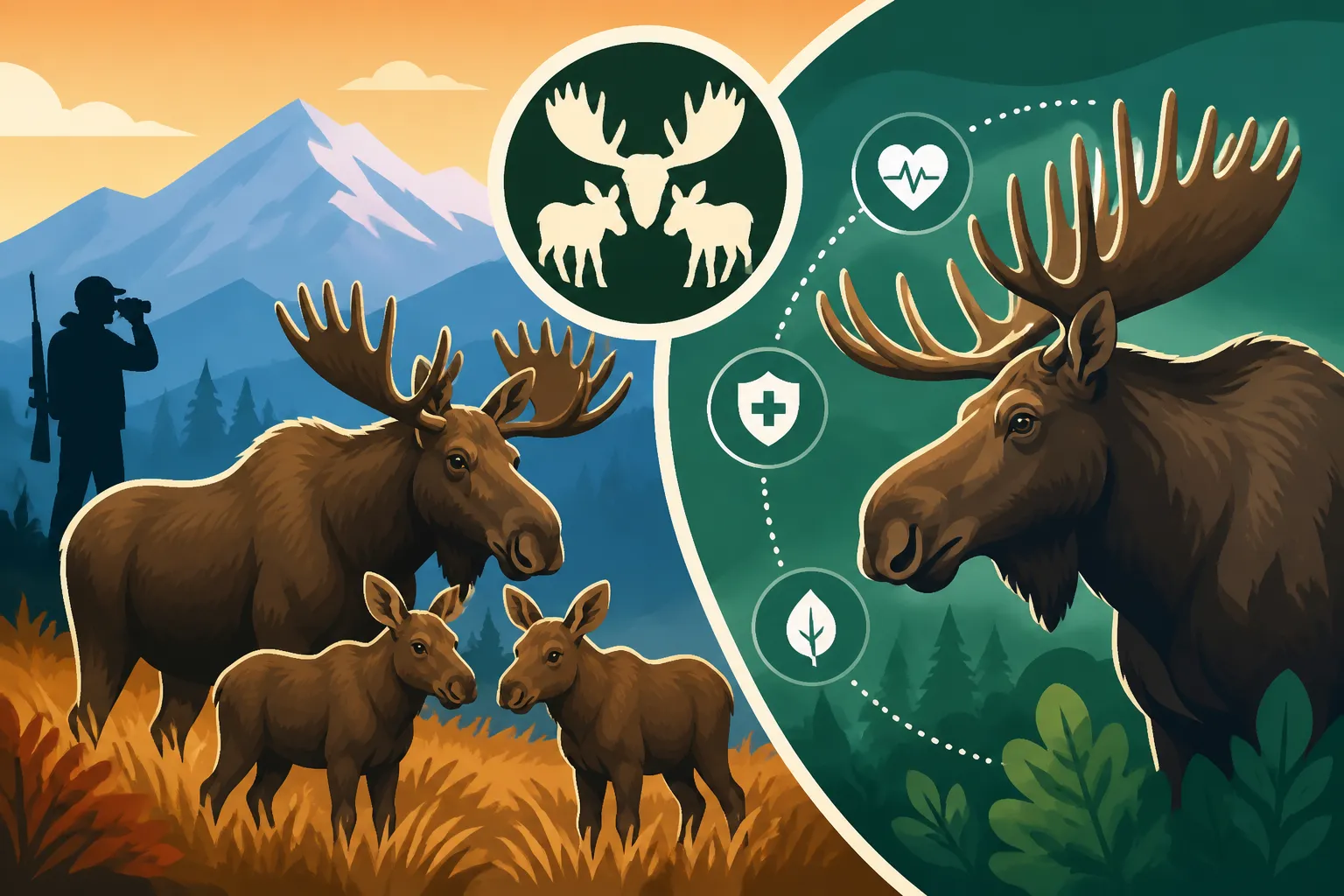
For those unfamiliar with the term, a moose's twinning rate refers to the percentage of adult cow moose that give birth to two calves (twins) in a given year, rather than just one. Unlike some other ungulates, moose often have twins, especially healthy, mature cows in prime habitat. It's a natural and desired reproductive outcome, and wildlife biologists closely track these rates because they are a powerful barometer for the overall vitality and sustainability of a moose population.
Defining Twinning and Reproductive Potential
At its core, twinning simply means the birth of two calves from a single cow. While triplets can occur, they are rare and often don't survive due to the immense energetic demands on the cow. The ability of a cow to produce twins is directly linked to her physical condition leading up to and during gestation. A cow needs abundant, high-quality forage to support not only herself but also the development of two fetuses and later, the demands of nursing two rapidly growing calves. If she’s stressed, nutritionally deficient, or too young, her body will naturally prioritize a single calf, or in severe cases, none at all.
This reproductive potential is key to how fast a moose population can grow or recover. Imagine a herd where every healthy cow is consistently producing twins; that population has a much higher capacity for increase than one where single births are the norm. This capacity directly influences how many moose can be harvested sustainably by hunters, how well the population can rebound from harsh winters or increased predation, and ultimately, the long-term future of moose hunting in a given area. When you see consistently high twinning rates, it’s a strong signal that the habitat is productive, the cows are healthy, and the future looks bright. Conversely, declining twinning rates are often an early warning sign that something isn't right within the ecosystem.
Why Biologists Track These Numbers
Wildlife biologists aren't just counting calves for fun; they're meticulously tracking twinning rates because these figures provide a real-time health report for the herd. A significant drop in twinning rates can signal an underlying problem long before the overall population numbers start to visibly decline. For instance, if a specific game management unit consistently shows 30% twinning among its prime breeding cows, and then that number suddenly drops to 10% for a few years, it's a huge red flag. This kind of data can prompt managers to investigate habitat degradation, increased disease prevalence, changes in predation patterns, or even over-harvesting of specific age classes of cows.
Beyond simply indicating problems, twinning rates also help biologists set harvest quotas. If a population is struggling to reproduce, managers will often reduce hunting opportunities to allow the herd to recover. On the other hand, a robust population with high twinning rates might sustain a higher harvest. This data also informs long-term habitat management plans, such as prescribed burns to encourage new willow growth or willow planting projects in areas where critical browse has been depleted. Resources like GoHunt often compile information on habitat conditions and management proposals that directly impact a herd's health and, by extension, its twinning rates, allowing hunters to stay informed about these vital considerations.
Factors Influencing Moose Twinning Rates
Moose twinning rates aren't static; they fluctuate based on a complex interplay of environmental factors and herd dynamics. Understanding these influences helps us appreciate the intricate balance that supports healthy moose populations in Alaska. When one or more of these factors tips out of balance, twinning rates are often among the first indicators to reflect the change.
Nutrition and Habitat Quality
Without a doubt, nutrition is the most significant driver of twinning rates in moose. Healthy, well-fed cows are far more likely to produce twins. This isn't just about having enough to eat, but about having quality forage throughout the year, especially during the previous summer and fall when they are building up reserves for breeding, gestation, and the following lactation period. A cow that goes into winter with excellent body condition has a much better chance of successfully carrying and birthing two calves.
Habitat quality directly translates to nutritional availability. Areas rich in young, succulent browse – particularly willows, birch, and aspen – provide the energy and protein needed for robust reproductive success. Old, senescent browse, or areas with poor soil quality, simply can't support the same level of productivity. This is why areas like old burn scars, which generate vast fields of regenerating willows, are often hotbeds for high twinning rates and thriving moose populations. For an in-depth look at this, you might explore articles on Moose Habitat in Alaska Burn Scars or What Moose Eat in a Ten-Year-Old Burn. A cow moose will expend an incredible amount of energy growing two calves, so if the fuel for that growth simply isn't there, her body makes the hard choice to carry only one.
Age and Population Density
The age structure of a moose herd plays a considerable role in twinning rates. Prime breeding cows, typically those between 5 and 10 years old, tend to have the highest twinning rates. Very young cows (first-time breeders at 2 or 3 years old) or very old cows are less likely to produce twins, even under ideal conditions, because their bodies are either still developing or starting to decline in efficiency. A healthy herd will have a good proportion of cows in their prime reproductive years, contributing significantly to the overall twinning success. If a herd is skewed towards very young or very old breeders due to specific harvest pressures or other factors, the overall twinning rate might be lower.
Population density also has a profound impact. When moose numbers become too high for the available habitat, it leads to overbrowsing. This means every moose has to compete more intensely for food, resulting in poorer nutrition for individual animals. In such scenarios, even prime breeding cows may drop from twinning to single births, or even fail to breed entirely. This self-regulating mechanism of nature ensures that the herd doesn't completely destroy its food source, but it comes at the cost of reduced reproductive output. Managers often look at twinning rates as an early indicator of overpopulation before visible signs of habitat degradation become widespread. This density-dependent effect highlights the delicate balance between moose numbers and their environment.
Predation Pressure and Disease
While not directly impacting the physiological ability to twin, high predation pressure can indirectly influence perceived twinning rates and the overall success of calf survival. If predators, particularly wolves and bears, are heavily preying on newborn calves, even a high number of twins born might not translate to a high number of calves surviving their first few weeks. This can make a herd appear less reproductively successful than it actually is, leading to misinterpretations of the twinning data if not analyzed alongside calf survival rates. For more on this, consider exploring information on Predation Pressure on Alaska Moose Calves.
Diseases, though less frequently a widespread issue than habitat or predation, can also subtly impact reproductive success. Chronic wasting disease, while not currently found in Alaska moose, or other illnesses and parasites can reduce a cow's overall health and vitality, making it harder for her to sustain a twin pregnancy. A cow fighting off a heavy parasite load might divert energy away from reproductive processes, leading to fewer twins or weaker calves. Thankfully, most Alaskan moose populations are robust and relatively free from widespread, debilitating diseases that drastically reduce twinning rates across vast areas, but local outbreaks or persistent issues can certainly play a role.
How Twinning Rates Reflect Herd Health
Twinning rates are more than just a biological statistic; they are a narrative about the lifeblood of a moose population. When these numbers are healthy, it’s a story of abundance, resilience, and a thriving ecosystem. When they falter, it’s a cautionary tale demanding attention.
Early Warning Signs of Decline
Think of twinning rates as the canary in the coal mine for moose populations. A downward trend in these rates often provides the earliest indication that a herd is facing stress. Long before you see fewer moose on the landscape or notice a significant drop in harvest success, a biologist looking at twinning data might see the red flags. This decline can indicate several issues: perhaps the habitat is becoming overbrowsed, winters are consistently too harsh, or a significant shift in predator populations is occurring. It could also point to a changing age structure within the cow population, where fewer prime-aged breeders are present.
For hunters, recognizing these warning signs means understanding that future hunting opportunities might be impacted. If twinning rates are dropping, it means fewer young moose are entering the population, which eventually translates to fewer legal bulls available years down the road. This foresight is critical for sustainable management, allowing wildlife agencies to adjust harvest quotas, implement habitat improvement projects, or even initiate predator management strategies to help the moose population recover before it reaches a critical state. It’s a proactive approach to conservation, ensuring that the majestic animals we cherish continue to thrive.
Indicators of a Thriving Population
On the flip side, consistently high twinning rates are a strong indicator of a healthy, robust, and often growing moose population. When cows are regularly producing twins, it means they are well-nourished, the habitat is providing ample forage, and the population is likely below the carrying capacity of its environment. These are the herds that can sustain consistent hunting pressure and still grow. High twinning rates suggest that cows are entering the breeding season in excellent physical condition, successfully conceiving and carrying multiple fetuses to term, and then having the resources to lactate and raise those calves.
For hunters, this is excellent news. A thriving population with high twinning rates means more young moose surviving to adulthood, leading to more opportunities for future hunts. It also often correlates with larger, healthier animals overall, including bulls with impressive antler growth. These are the areas where you might see more liberal season dates or higher bag limits, reflecting the biological reality that the herd can handle it. When you hear about strong twinning rates in a specific game management unit, it's a good sign that the moose hunting there is in good shape and likely to remain so for the foreseeable future. Understanding this helps hunters appreciate the biological underpinnings of why certain areas offer better hunting than others.
Interpreting Twinning Data for Hunters
As hunters, we often rely on what we see with our own eyes in the field. But by understanding twinning rates and how to interpret them, we can gain a much deeper and more informed perspective on the moose populations we pursue. This isn't just academic; it can influence where and when you decide to hunt, and even how you think about your role in conservation.
What to Look For and Where to Find It
So, how does a hunter access this kind of data? State wildlife agencies, like the Alaska Department of Fish and Game (ADF&G), regularly conduct aerial surveys and ground-based studies to assess moose populations, including recording twinning rates. These findings are often published in annual reports, management plans, and research papers that are publicly available. You might find this information broken down by Game Management Unit (GMU) or even specific subunit, giving you localized insights. Many dedicated hunters use platforms like GoHunt to cross-reference their observations with official harvest data and research articles, which often discuss these vital statistics, allowing them to make more informed decisions.
When you're looking at the data, pay attention to trends over several years, not just a single year's number. A dip in one year could be an anomaly due to an unusually harsh winter, but a consistent decline over three to five years is more concerning. Also, consider the context: is the twinning rate for a specific area known for excellent habitat, or one that has seen recent wildfires or heavy logging? Compare the twinning rates to the overall population estimates and harvest success rates for that unit. Do the numbers align with what you're seeing in the field, or do they paint a different picture? This kind of analysis allows you to move beyond anecdotal observations and engage with the scientific data that drives wildlife management.
Table: Twinning Rate Scenarios and Their Implications for Moose Hunters
| Twinning Rate Scenario | Implications for Herd Health | Hunter Experience & Opportunity | Management Response |
|---|---|---|---|
| High & Stable | Robust population, excellent habitat, good nutrition. | Consistent hunting opportunities, healthy animals, strong future outlook. | Maintain current harvest levels, monitor conditions. |
| Declining Trend | Stress on herd (nutrition, habitat, predation, disease). | Potential future reductions in opportunity, fewer calves. | Investigate causes, adjust harvest, habitat projects. |
| Very Low | Significant population struggles, critical stress factors. | Reduced or closed seasons likely, difficult hunting. | Aggressive intervention, severe harvest restrictions. |
| Fluctuating | Variable environmental conditions (e.g., harsh winters, good summers). | Hunt success may vary year-to-year. Adaptability needed. | Monitor closely, adjust harvest as needed seasonally. |
How Twinning Rates Can Influence Your Hunt Planning
Understanding twinning rates can absolutely give you an edge in planning your Alaska hunt. If you're looking at an area with consistently high twinning rates, it suggests a healthy, productive moose population. This might mean better odds of encountering a legal bull, especially if other factors like access and hunter pressure are manageable. You can expect to find good numbers of young moose coming up, ensuring future hunting prospects. This might also be an area where you'll find bigger, healthier animals overall, as strong nutrition supports antler growth and body condition.
Conversely, if an area shows a long-term decline in twinning rates, you might want to adjust your expectations or even consider an alternative area. A low twinning rate suggests a struggling population, which could mean fewer moose in general, tougher hunting, and potentially reduced harvest quotas in the coming years. This knowledge allows you to make more strategic choices about where to invest your time and resources, whether that's scouting a new area or applying for different Alaska Big Game Drawing Permits. It empowers you to be a more informed participant in the conservation and management of these incredible animals, ensuring that hunting remains a sustainable tradition in the Last Frontier.
Disclaimer
This article is for general informational purposes only and does not constitute professional advice. Laws, prices and regulations vary by location and change over time. Consult a qualified professional for guidance on your specific situation.