Alaska Black Bears in Spring and Fall
The vast, wild expanse of Alaska presents some of the most challenging yet rewarding hunting experiences in North America. For many, the black bear is an accessible entry point into this rugged world, but don't let "accessible" fool you – these hunts are far from easy. The unique opportunities of hunting black bears in both the spring and fall seasons come with their own distinct challenges, from navigating ever-changing weather patterns to understanding their seasonal movements. This guide is designed to cut through the confusion and provide a comprehensive look at what it truly takes to successfully pursue black bears in the Last Frontier, helping you prepare for an unforgettable adventure.
Understanding Alaska's Black Bear Seasons: Spring Versus Fall
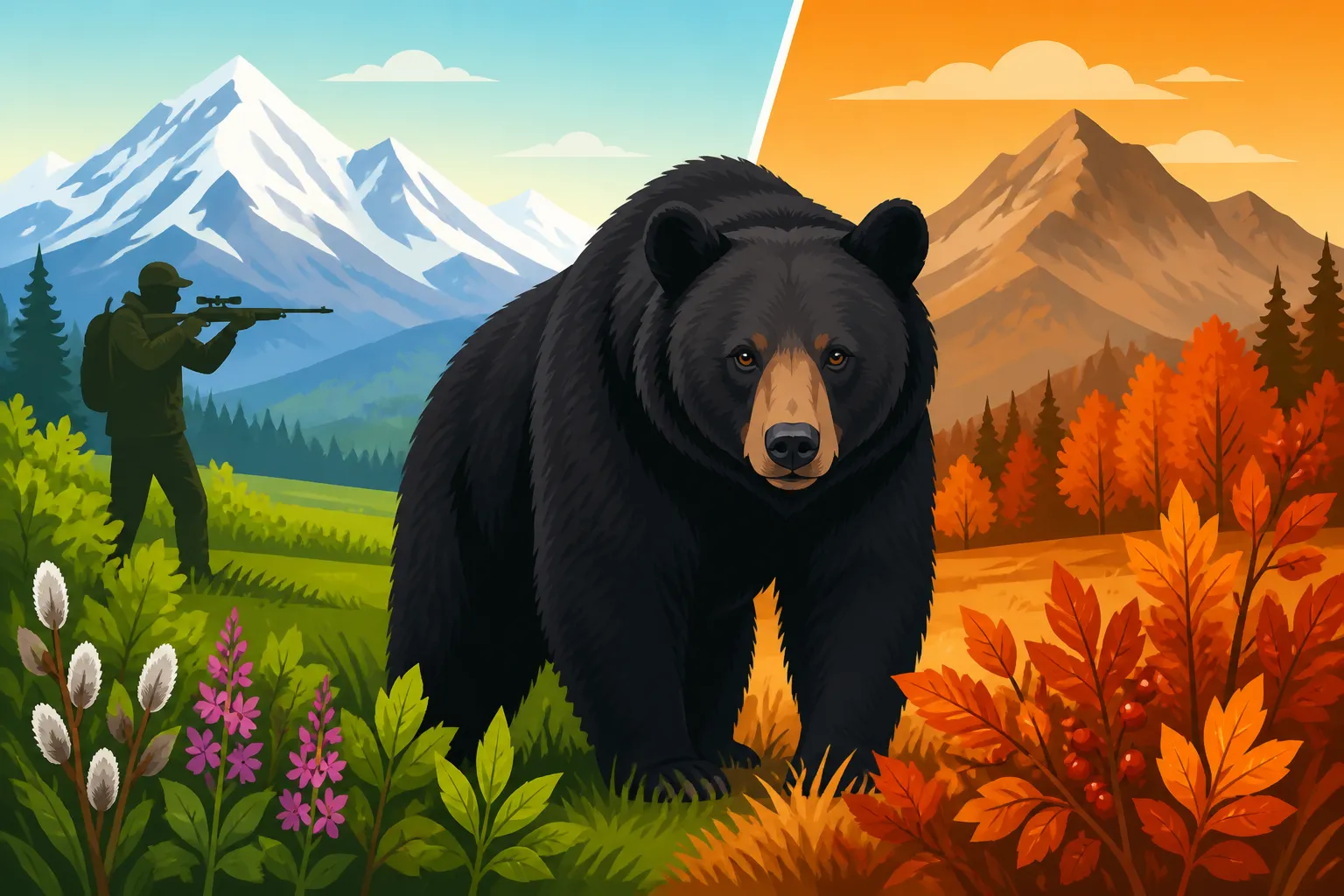
Hunting black bears in Alaska isn't a one-size-fits-all affair. The experience shifts dramatically between the spring and fall seasons, offering different challenges, advantages, and even different bear behaviors to anticipate. Choosing which season to hunt often depends on what kind of experience you're seeking and what other big game opportunities you might want to combine it with. Both seasons require careful planning and a deep understanding of what to expect from the Alaskan wilderness.
The Allure and Timing of Spring Bear Hunts
Ah, spring bear! There’s something truly special about being out in the Alaska backcountry when the snow is melting, the alders are budding, and the bears are finally emerging from their dens. Spring bear hunting typically kicks off in April or May, depending on the specific Game Management Unit (GMU) and how early the spring thaw arrives. You're often hunting over snow, which can make for easier tracking if you're stalking, but also presents challenges with visibility and access. Bears are often concentrated on south-facing slopes, eager to graze on the first green shoots of spring after months of hibernation. These are the crucial areas to focus your glassing efforts. You can learn more about finding these areas in Spring Bear Hunting on South-Facing Snow Slides.
One of the biggest advantages of a spring hunt is the quality of the hide. Bears emerging from hibernation often have thick, luxurious fur that hasn't yet been rubbed or damaged by the rigors of summer life. This makes spring hunts particularly appealing for hunters looking for a prime trophy hide. However, be prepared for highly variable weather. One day might be warm and sunny, inviting bears out into the open, while the next could bring a late-season snowstorm, plunging temperatures, and making glassing nearly impossible. Getting into some remote areas might require skis, snowshoes, or even snowmobiles in the early part of the season, transitioning to ATVs or even small planes as the snow line recedes. It's a dynamic environment that demands adaptability and good gear choices.
Fall Black Bear Hunting: Opportunities and Challenges
Fall black bear hunting, generally running from August through October, offers a completely different set of experiences. As opposed to the new growth of spring, fall bears are often focused on packing on calories for their upcoming hibernation. This means they can be found gorging on berries, especially blueberries and cranberries, or patrolling salmon streams for an easy meal. This behavior makes them somewhat more predictable in terms of food sources, but they can also be incredibly elusive, moving through dense brush or thick timber. The coastal regions, in particular, see bears congregating around fish-choked rivers, offering exciting opportunities for a different kind of stalk.
The challenges of a fall hunt often revolve around vegetation and weather. The lush greenery of summer can make spotting bears incredibly difficult, turning every stalk into a true test of patience and stealth. Rain, especially in coastal Alaska, can be a constant companion, demanding reliable rain gear and strategies for keeping your optics clear. On the flip side, the fall colors can be absolutely stunning, and combining a black bear hunt with other species, like moose or caribou, is often a popular choice for hunters heading into the interior. Understanding their seasonal diet, which shifts from vegetation to berries to fish, is key to pinpointing where they'll be.
Prime Black Bear Habitats Across Alaska
Alaska is an enormous state, and black bear habitats vary wildly from one region to another. Knowing where to focus your efforts is paramount to a successful hunt, whether you're planning a trip to the temperate rainforests of Southeast or the vast interior forests. Bears are highly adaptable creatures, but they still prefer certain types of terrain and food sources, which dictate their distribution throughout the state.
Coastal Rainforests and Salmon Streams
Southeast Alaska, with its intricate network of islands and mainland rainforests, is legendary for its dense black bear populations. Here, bears thrive on the abundance of food resources, especially during the fall salmon runs. Imagine towering Sitka spruce and western hemlock, a perpetually damp forest floor, and countless streams teeming with pink, chum, and coho salmon. Bears become incredibly active along these waterways, offering unique hunting opportunities often accessed by boat. Hunting here often involves cruising saltwater beaches at low tide, looking for bears foraging for mussels or crabs, or tying up the skiff and still-hunting through the mossy timber towards the sounds of splashing salmon.
On Kodiak Island and parts of the Alaska Peninsula, while brown bears are the dominant species, black bears are also present, often overlapping habitat but generally sticking to the dense brush and timber. Their diets here are heavily influenced by the salmon cycles, as well as berries and other coastal vegetation. Hunters in these areas need to be acutely aware of their surroundings, as both black and brown bears might be present, requiring precise identification before taking a shot. The challenges in these coastal regions include relentless rain, thick brush that limits visibility, and the logistical complexities of boat-based hunting. It’s a truly immersive wilderness experience, demanding excellent navigation and bear awareness.
Interior Forests, Burn Scars, and Alpine Slopes
Moving inland, the black bear habitat shifts dramatically to the vast boreal forests, taiga, and alpine regions. Here, food sources are different, and so are the hunting tactics. In the spring, these interior bears are often found on open, south-facing slopes, grazing on new growth like sedges and grasses that are the first to emerge from the snowpack. These green-up zones are magnets for hungry bears. As summer progresses into fall, they move into berry patches—blueberries are a particular favorite—and often into recent burn scars. Areas that burned several years prior often see an explosion of berry bushes and other forage, making them ideal places to find bears bulking up for winter.
Hunting in the interior often means relying heavily on glassing from elevated positions, covering vast tracts of country with your binoculars or spotting scope. Unlike the coastal thickets, these areas can offer long-range visibility, but also require significant physical effort to traverse. Access might be by ATV, particularly along trails off the Denali Highway or Taylor Highway, or by small bush plane into remote strips. Hunters exploring these regions often find themselves combining their black bear hunt with opportunities for caribou or moose, adding another layer of adventure to the trip. The diverse terrain, from river bottoms to high alpine, means constantly adjusting your strategy to where the bears are feeding and traveling.
Essential Gear for Your Alaska Black Bear Hunt
Preparing for an Alaska black bear hunt means meticulously selecting gear that can stand up to the state's notoriously harsh and unpredictable conditions. Whether you're slogging through rain-soaked coastal forests or navigating windy alpine ridges, your gear needs to perform flawlessly. Skimping on quality here can not only make your hunt miserable but potentially compromise your safety and success.
Clothing and Rain Gear: Staying Dry and Comfortable
The single most critical gear consideration for any Alaska hunt, especially for black bears, is a robust layering system and top-tier rain gear. "Waterproof" in Alaska needs to mean truly waterproof, not just water-resistant. You'll likely encounter rain, sleet, or wet snow in both spring and fall, often for days on end. Start with a good synthetic or merino wool base layer to wick moisture away from your skin. Mid-layers should include fleece or puffy insulation, easily added or removed to regulate your temperature as you hike, glass, or sit still. The outer shell is where you should invest heavily. Look for high-quality rain jackets and pants from brands known for their performance in extreme wet conditions, such as Sitka Gear, Kuiu, or Gore-Tex Pro shells. Pay attention to features like full-zip pants for easy on-off over boots, and pit zips for ventilation.
Footwear is equally vital. Depending on the terrain, you might need knee-high rubber boots for wet, boggy coastal areas or sturdy, waterproof hiking boots for mountainous terrain. Always bring an extra pair of socks (wool or synthetic) for every day of your hunt. Nothing ruins a hunt faster than perpetually wet, cold feet. Don't forget a warm hat and gloves, even in spring, as temperatures can drop quickly, especially during glassing sessions. The key is to be prepared for any weather extreme, from mild sunshine to freezing rain, ensuring you can remain comfortable and focused on the hunt.
Optics and Navigation: Spotting Bears and Staying Found
In Alaska, your eyes are your most important hunting tool, and quality optics are an extension of them. Whether you're glassing vast clear-cuts in the interior or scrutinizing dense salmon streams on the coast, good binoculars are non-negotiable. A pair of 10×42 or 12×50 binoculars are a solid all-around choice. For spring bear hunts where bears might be far off on a distant slope, a spotting scope (20-60x or similar) on a sturdy tripod is invaluable for identifying bears, judging their size, and confirming legal status. This is especially true for judging legal bulls in moose hunting, as discussed in Field Judging a Legal Bull Under Alaska Antler Rules, but applies equally to bears when trying to differentiate a sow from a boar. A rangefinder is also essential for ethical shot placement in wide-open country.
Navigation in Alaska's expansive wilderness can be challenging, especially without reliable cell service. A good GPS unit, pre-loaded with detailed topographic maps and satellite imagery, is a must-have. Even better, bring two forms of navigation – a primary GPS and a backup, such as a traditional map and compass. Always know how to use both, even if you rely heavily on digital tools. Downloading offline maps before a fly-in is a critical step, ensuring you have detailed terrain data even when you’re completely off-grid. Furthermore, a satellite communication device like a Garmin inReach or a Zoleo is not just a convenience, it's a critical safety tool for checking in with loved ones, receiving weather updates, and, most importantly, summoning help in an emergency. These devices provide peace of mind in areas where cellular service is non-existent.
Firearm and Ammunition Considerations for Black Bears
For black bears, a reliable rifle in a common big game caliber is usually sufficient. Popular choices include .30-06 Springfield, .300 Winchester Magnum, 7mm Remington Magnum, or even a .308 Winchester. The key is to use a quality, heavy-for-caliber bullet designed for deep penetration and controlled expansion. Good options include Nosler Partition, Barnes TSX, or Swift A-Frame. Shot distances can vary widely, from close-quarters encounters in thick brush to longer shots across open slopes, so practice shooting from various positions and ranges. For those venturing into areas with a higher chance of encountering brown bears, even when targeting black bears, a more potent caliber might be considered, as covered in Rifle Calibers for Coastal Brown Bear.
Beyond the rifle itself, remember to bring ample ammunition, typically two boxes per rifle. Ensure your rifle is sighted in and accurate. Consider carrying a sidearm for backup, especially when working a kill site or in dense cover where a bear encounter could be sudden and close. A .44 Magnum revolver or a large-caliber semi-automatic pistol with hard-cast loads provides an extra layer of defense. Practice drawing and firing your sidearm under stress. Finally, don't forget a sturdy knife for field dressing and skinning, along with a sharpening stone or field sharpener.
Hunting Strategies: Spot-and-Stalk, Baiting, and Calling
Black bear hunting in Alaska offers a variety of successful strategies, each with its own demands and rewards. The method you choose often depends on the specific regulations of the GMU you're hunting in, the time of year, and your personal hunting style. Whether you prefer the physical challenge of covering ground, the patient wait over a bait, or the thrill of calling them in, understanding these tactics is crucial.
Mastering the Spot-and-Stalk in Diverse Terrains
Spot-and-stalk is arguably the most common and exhilarating method for hunting black bears in Alaska, especially in the spring and during the fall berry season. It involves patiently glassing vast landscapes to locate bears, then meticulously planning and executing a quiet approach to get within shooting range. In the spring, this often means focusing your optics on snow-free, south-facing slopes, avalanche chutes, and river bottoms where the first green shoots are appearing. Bears will emerge from their dens, often at lower elevations, and gravitate towards these areas to feed. The contrast of a dark bear against lingering snow can make them easier to spot from a distance.
As fall arrives, the focus shifts to berry patches, particularly blueberry and cranberry slopes, and along salmon streams. In coastal areas like Southeast Alaska, hunters will often use boats to cover ground, glassing clear-cuts, beaches, and estuary edges, then putting ashore for a stalk once a bear is located. The dense vegetation of fall makes careful stalking essential, often requiring slow, deliberate movements and utilizing every bit of cover available. Wind direction is always paramount—bears have an incredible sense of smell. A successful spot-and-stalk demands patience, keen observation skills, physical fitness, and the ability to move silently through diverse and often challenging terrain. It’s a chess match with nature, where the bear always has the home-field advantage.
The Nuances of Bear Baiting in Alaska
For many hunters, bear baiting offers a different, often more controlled, approach to black bear hunting. It's a method that requires significant commitment, preparation, and adherence to very specific regulations. In Alaska, Bear Baiting in Alaska: How the Registered Site System Works allows hunters to establish bait stations in designated areas during specific seasons. This typically involves placing attractive food sources, like dog food, pastries, and grease, at a site and allowing bears to become accustomed to visiting it regularly. Once a bear is consistently hitting the bait, a hunter can set up a blind and wait for an opportunity. Details on specific requirements, such as Alaska Black Bear Bait Station Registration and Legal Bait Materials for Alaska Black Bear, are critical to follow to avoid violations.
Baiting is most effective during the spring and early summer when natural food sources are scarcer, making the bait more appealing. It requires regular checks to replenish bait and monitor bear activity with trail cameras, often using remote camera systems. Patience is a virtue when baiting; hours can be spent in a blind waiting for a bear to appear. The advantage is that it allows hunters to observe bears for longer periods, increasing the chances of accurately judging size and sex, which is crucial for ethical harvest and avoiding accidental take of a sow with cubs. It also offers opportunities for hunters with limited mobility. However, baiting also carries responsibilities, including maintaining the site, removing all materials after the season, and always being aware of other wildlife, especially brown bears, which might also be attracted to the bait. The season dates for this specific hunting method are important to remember, as outlined in Alaska Black Bear Baiting Season Dates.
Opportunistic Calling and Tracking Methods
While not as universally effective as spot-and-stalk or baiting, calling can occasionally be a highly successful tactic for black bears, particularly when used opportunistically. Predator calls, mimicking the distress cries of a fawn, rabbit, or other small game, can sometimes draw in curious or hungry black bears. This method is often employed when actively hunting other species or when you've spotted a bear that's just out of range and might be enticed closer. It requires careful setup, often with a partner for safety, and an understanding of wind direction, as bears will typically try to circle downwind to scent check the source of the sound. The success rate can be sporadic, but when it works, it's an incredibly exciting and close-quarters experience.
Tracking, while sometimes part of a spot-and-stalk, can also be a primary method in certain conditions. Fresh snow in the early spring or late fall can provide excellent opportunities to cut a fresh track and follow a bear. This requires skill in reading sign, understanding bear movement patterns, and often a fair bit of physical endurance. Heavy rains can also make tracking in soft ground possible. However, following a bear track in dense Alaskan brush can quickly turn into a dangerous proposition, as you might stumble upon a bedded bear unexpectedly. Hunters using this method must prioritize safety and be ready for a sudden encounter. The GoHunt platform can be a useful resource for researching specific GMU regulations that might favor one hunting method over another, as well as for analyzing historical harvest data to identify productive areas.
Field Care and Salvage: Protecting Your Harvest
Harvesting an animal in Alaska is only half the battle; proper field care and salvage are equally, if not more, important. The state has strict regulations regarding meat salvage, and given the often remote and warm conditions, knowing how to quickly and efficiently process your bear is critical to preventing spoilage and ensuring you comply with the law. This isn't just about ethics; it's about respecting the animal and the resources.
Skinning and Meat Salvage Requirements for Black Bears
Alaska's game laws are clear: all edible meat from big game animals must be salvaged. For black bears, this means you can't just take the hide and skull; you must also pack out all the edible meat. While specific regulations can vary slightly by GMU, generally, this includes the meat from the front and hind quarters, the backstraps, and the neck meat. It's a significant amount of work, especially if you're alone or in challenging terrain, but it's a non-negotiable part of hunting in Alaska. Failure to salvage all edible meat can result in citations for wanton waste. The state provides clear definitions, so consulting the Alaska Department of Fish and Game regulations or a resource like GoHunt before your hunt is vital.
Skinning a black bear for a trophy hide requires precision. You'll want to skin the bear carefully, making sure to avoid knife marks through the hide. For a rug or a life-size mount, a full cape skin is necessary, which extends from the nose, down the back, and includes the feet. For a shoulder mount, the cape extends behind the shoulders. Taking your time, making clean cuts, and cooling the hide quickly are paramount. Remember that proper Cape Care for a Life-Size Bear Mount and even Turning Bear Lips and Ears in Camp are important initial steps that a taxidermist will appreciate, and which will contribute to the quality of your finished trophy. Once skinned, the hide needs to be properly handled and cooled to prevent hair slippage, especially in warmer temperatures.
Managing Your Harvest in Remote Conditions
Once you’ve successfully harvested a black bear, the real work often begins. In remote Alaska, you won't have the luxury of refrigeration. Cooling the meat and hide quickly is your top priority. After skinning, quarter the bear. Get the meat out of direct sunlight and into breathable game bags. Game bags that breathe in coastal rain are essential, allowing air circulation while protecting the meat from insects and dirt. If possible, hang the quarters from a tree or an improvised meat pole to allow air to circulate around them, keeping them off the ground and away from scavengers.
In warmer fall temperatures, especially when the mercury is hovering around 50 degrees Fahrenheit or above, cooling the carcass before the flies find it is critical. Consider carrying a small, lightweight tarp to create shade. If you're near a cold stream, you can submerge meat bags briefly to help cool them, though direct contact with water should be minimized for long-term storage. The hide, once skinned, should be spread out to cool, hair-side down if possible, and then rolled up with the flesh side out. If you anticipate a delay in getting it to a freezer or a taxidermist, salting a hide in wet weather or dry conditions might be necessary. This helps prevent bacterial growth and hair slippage. Planning your pack out carefully, especially if you have a long way to go, is essential. Consider the weight of the meat and hide, and how it will impact your travel time and energy.
Safety First: Avoiding Encounters and Handling Your Kill
Hunting in Alaska means you are always in bear country, even when you're specifically targeting black bears. While black bears are generally less aggressive than brown bears, caution and preparedness are still paramount. Knowing how to prevent negative encounters and safely manage a kill site is crucial for a successful and safe hunt for both you and your hunting partners.
Bear Safety Protocols in the Field
When you're out in the Alaskan bush, always assume there are bears around. The best defense is prevention. Make noise while hiking, especially in thick brush or near streams where visibility is limited, to avoid surprising a bear. Carry bear spray on your hip or chest rig, easily accessible at all times, and know how to use it. Many hunters also carry a powerful sidearm, such as a .44 Magnum or 10mm, as a backup, particularly in areas where brown bears are also present. The debate of Bear Spray Versus Rifle at Close Range is a long-standing one, but having both options and knowing when to deploy each is ideal. Never forget that a firearm is for a last resort, when a bear is actively charging.
Be aware of your surroundings. Look for fresh bear sign like tracks, scat, or torn-up ground. Avoid walking through dense berry patches or along active salmon streams without extreme caution. When camping, establish a clean camp by storing all food and scented items in bear-resistant containers or hung from a tree well away from your sleeping area. Cook away from your tent and never bring food into your tent. Travel in groups if possible, as a larger group can often deter a curious bear. These proactive steps significantly reduce your risk of an unwanted encounter. Even on a black bear hunt, you should always be prepared for an encounter with the larger, potentially more dangerous brown bear, particularly in coastal areas.
Working a Kill Site Safely
The moment you down a bear, your vigilance needs to heighten. A kill site is a magnet for other predators and scavengers. Before approaching, take a moment to observe the area, listening and looking for any signs of other bears or wolves. If you are hunting with a partner, one person can maintain watch while the other approaches cautiously. Make noise as you approach the downed bear, just in case it's not quite expired or if another animal has already arrived.
When you begin the work of field dressing and skinning, it’s advisable to have a partner watching your back, constantly scanning the surroundings. The smell of fresh blood and entrails can attract bears from a surprisingly long distance. If you’re hunting alone, you’ll need to be extra cautious, periodically pausing your work to look and listen. Having your bear spray and firearm immediately accessible is non-negotiable. If you encounter another bear at the kill site, make noise, stand your ground, and be prepared to deploy your deterrents. It’s a stressful situation, but staying calm and following established safety protocols, such as those covered in Bear Safety While Butchering a Kill in Alaska, can make all the difference. When you're done, be sure to clean up the site as much as possible, removing any obvious attractants, and packing out all garbage.
Black Bear Biology and Behavior: Keys to Success
Understanding the biology and behavior of black bears is like having a secret weapon in your hunting arsenal. Knowing when they den, what they eat, and how they move can dramatically increase your chances of finding them and making a successful harvest. These creatures are highly adapted to their environment, and those adaptations drive their seasonal routines.
Denning and Emergence Patterns
Black bears in Alaska typically enter their dens for hibernation in late fall, usually around October or November, depending on the availability of food and the onset of cold weather. They seek out dens in a variety of places: hollow logs, rock crevices, dug-out depressions under tree roots, or even shallow holes in hillsides. These dens provide insulation from the cold and protection from predators during their long sleep. Interestingly, pregnant sows often den earlier than boars and barren sows to ensure the safety and warmth for their cubs, which are typically born in the den in January or February.
The emergence from dens in the spring is a gradual process, usually starting in late April or early May, again influenced by regional climate and snowmelt. Males often emerge first, followed by barren females, and finally, sows with new cubs are the last to leave their dens. These early emergents are driven by hunger and immediately seek out the first available green vegetation, like sedges and grasses, on south-facing slopes. This specific behavior is why When Black Bears Emerge in Spring is so critical for spring bear hunters. Understanding these patterns helps hunters predict where bears will be and what they'll be doing at different times of the spring season.
Diet, Feeding Habits, and Seasonal Movement
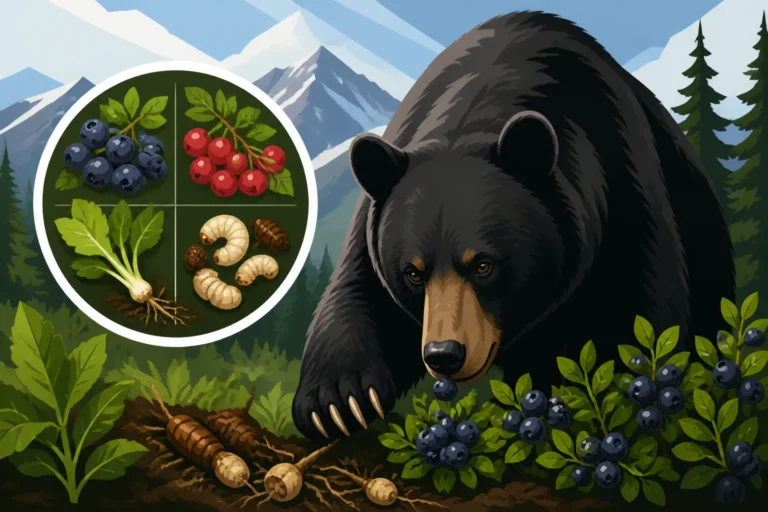
Black bears are omnivores with a highly varied diet that shifts dramatically with the seasons, directly influencing their movements and where hunters can find them. In spring, upon emergence from their dens, their diet is almost exclusively vegetarian, consisting of the first green shoots, grasses, and forbs. They will spend hours grazing in open areas, often in close proximity to timber for quick escape cover. As summer progresses, their diet diversifies to include berries—blueberries, cranberries, and salmonberries are particularly important—roots, insects (like ant larvae), and occasionally carrion or small mammals. The availability of these resources dictates their travel paths and feeding areas.
Come fall, the bears enter a hyperphagic state, meaning they are driven to consume as many calories as possible to build up fat reserves for hibernation. This is when salmon become a critical food source in coastal regions. Bears will congregate along rivers and streams that are experiencing a salmon run, offering unique hunting opportunities. In interior regions, fall bears continue to gorge on late-season berries, as well as acorns and other hard mast where available. Their movement patterns become more localized around these concentrated food sources. Understanding this dynamic shift in Black Bear Diet Before Salmon Arrive and as salmon become available is crucial for predicting where a black bear will be feeding, whether you are trying to find the biggest specimens, which are often the Black Bear Weight in Coastal Alaska, or a more modest-sized bear further inland.
Judging Bear Size and Sex in the Field
Accurately judging the size and sex of a black bear in the field is a skill that takes practice and experience, and it's vital for ethical hunting, especially if you are specifically looking for a large boar or avoiding a sow with cubs. While not all GMUs have antler restrictions like moose or sheep, ensuring you harvest an independent bear is an ethical standard. Several indicators can help you make an informed decision:
| Feature | Indicators of a Small Bear/Sow | Indicators of a Large Bear/Boar |
|---|---|---|
| Body Shape | Lanky, long legs, V-shaped neck, small head relative to body, sharp hindquarters | Blocky, short powerful legs, thick neck, large blocky head, rounded hindquarters, sagging belly |
| Ears | Appear large and prominent, often set higher on the head | Appear small relative to the massive head, set wider apart, closer to the sides of the head |
| Behavior | May appear more nervous, flighty, may have cubs nearby | Confident, deliberate movements, often solitary, may scent-mark trees |
| Foot Size | Smaller tracks, especially front pads | Large, wide tracks, particularly the front pads (though harder to judge at distance) |
| Urination | Sows typically squat to urinate | Boars often stand with hind legs spread |
Note: The presence of cubs unequivocally identifies a sow. Never shoot a bear if there are cubs present.
Beyond these visual cues, observing behavior is key. A sow with cubs will almost always be accompanied by them, and their protectiveness is evident. A large boar will often appear solitary, confident, and perhaps more territorial. Their heads will look disproportionately large, and their shoulders will appear massively muscled. Bears come in a variety of Black Bear Color Phases in Alaska, from the common black to cinnamon, chocolate, and even blue-phase "Glacier Bears" in Southeast Alaska, but color is no indicator of size or sex. Take your time, use good optics, and be patient. When in doubt, let the bear walk. Many seasoned hunters use a resource like GoHunt to pore over harvest photos and learn to identify these subtle differences, which makes a huge difference in the field.
Regulations and Permits for Alaska Black Bear Hunting
Navigating the regulations for hunting black bears in Alaska can feel like a labyrinth, but it’s absolutely essential for a legal and ethical hunt. The Alaska Department of Fish and Game (ADF&G) sets the rules, and they can vary significantly by Game Management Unit (GMU), season, and even by specific permit type. Ignorance of the law is never an excuse in the field, so thorough preparation is key.
License, Tags, and Bag Limits
To hunt black bears in Alaska, every hunter, whether resident or nonresident, must first purchase a valid Alaska hunting license. Nonresidents will also need to buy a specific black bear locking tag, which is affixed to the animal immediately after harvest. Residents, thankfully, are exempt from purchasing locking tags for black bears. You can find detailed information on these costs and requirements in publications like Nonresident Hunting License Costs in Alaska and Alaska Hunting Seasons and Tag Rules Explained. It’s imperative to have both your license and tag (if applicable) physically with you in the field.
Bag limits for black bears in Alaska are generally quite liberal compared to other big game species, often allowing for two or even three bears per regulatory year, depending on the GMU. However, these limits can also vary, and some GMUs might have specific restrictions, such as prohibiting the take of sows with cubs or specifying sex or size requirements in particular areas. Always consult the current year’s Alaska hunting regulations booklet—available online or at ADF&G offices—for the most up-to-date and specific rules for your chosen hunting area. This booklet also details Alaska Black Bear Seasons and Bag Limits for each unit and is the ultimate authority. Pay close attention to any emergency orders that might modify seasons or bag limits on short notice, especially if hunting near population centers or areas with high hunting pressure.
Understanding Specific Unit Regulations
Alaska is divided into 26 Game Management Units (GMUs), each with its own set of regulations tailored to local wildlife populations and management goals. For black bears, this means that season dates, bag limits, and even allowable hunting methods can differ drastically from one GMU to the next. For instance, some units may allow baiting, while others strictly prohibit it. Some might have a longer season or a higher bag limit, reflecting a healthy and robust bear population, while others might be more restrictive. This makes it absolutely critical to pinpoint the specific GMU you plan to hunt and thoroughly understand its particular rules.
Beyond GMUs, you also need to be aware of different land statuses in Alaska, as regulations can change again on federal lands (like National Parks and Preserves), state lands, and Native Corporation lands. For example, some National Preserves allow hunting, but with federal-specific regulations that overlay state rules. Always know How to Find Legal Access in Alaska and understand the boundaries of your hunting area. Resources like the ADF&G website, or even integrated platforms like GoHunt that consolidate this information, are invaluable for researching specific unit details. Don't assume that what applies in one region of Alaska applies statewide; always double-check the regulations for your specific hunting location and intended methods.
Disclaimer
The information provided in this guide is for informational purposes only and is not a substitute for the official regulations published by the Alaska Department of Fish and Game (ADF&G). Hunting regulations in Alaska are subject to change, and it is the hunter's responsibility to review and comply with all current laws, licensing requirements, and season dates before participating in any hunting activity. Always consult the most recent ADF&G hunting regulations booklet and any applicable emergency orders.