Black Bear Weight in Coastal Alaska
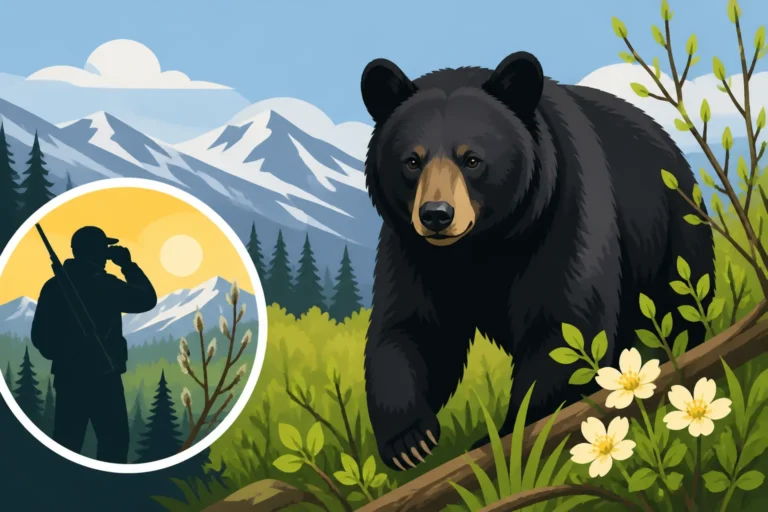
When you picture an Alaska black bear, you might imagine a sleek, medium-sized animal. But out here in coastal Alaska, where salmon streams crisscross temperate rainforests, those black bears can pack on some serious pounds, often surprising hunters who aren't prepared for the sheer scale of the animals they encounter. This guide is going to dig deep into what makes coastal black bears often heavier than their interior cousins, what factors influence their size, and what that means for you when you're planning your next hunt, from the field to the freezer.
Understanding the Factors Influencing Coastal Black Bear Weight
Coastal Alaska is a unique ecosystem, a mosaic of islands, fjords, and dense rainforests that create an incredibly rich environment for black bears. Their diet, age, and even the time of year all play critical roles in just how much these impressive animals weigh. It's not just about what they can eat, but when and how consistently those food sources are available.
Diet and Food Availability in Coastal Habitats
The biggest differentiator for coastal black bears, hands down, is the sheer abundance and consistency of high-protein food sources. While interior bears rely heavily on berries, roots, and early spring greens, coastal bears have a buffet that includes some truly incredible options.
Throughout the spring and early summer, they're feasting on new growth, sedges, and forbs, just like their interior counterparts. But as summer progresses, especially from late June through September, the salmon runs kick in. Rivers and streams in places like Southeast Alaska, Prince William Sound, and Kodiak Island become teeming with sockeye, pink, chum, and coho salmon. Bears will literally sit by the water, scooping fish out or ambushing them in shallow riffles. This massive influx of protein and fat is a game-changer. Think of it like a bodybuilder's ultimate bulking season; a bear can gain hundreds of pounds during this period. Beyond salmon, coastal bears also have access to marine invertebrates, kelp, and carrion that washes up on beaches, adding even more to their diverse diet. This consistent, nutrient-dense food supply allows them to accumulate significant fat reserves, crucial for surviving the lean winter months. Black Bear Diet Before Salmon Arrive outlines how they get by before the fish show up.
Age, Sex, and Seasonal Weight Fluctuations
Just like any mammal, a black bear's weight is heavily influenced by its age and sex. Older bears, especially boars (males), tend to be significantly heavier than younger bears or sows (females). A boar in its prime, say 8-15 years old, has had many seasons to perfect its foraging techniques and pack on muscle and fat. Sows, on the other hand, dedicate a lot of energy to reproduction and raising cubs, which can impact their overall size and weight, especially if they're nursing.
Seasonally, black bear weight fluctuates dramatically. A bear emerging from its den in spring will be at its leanest, having burned through much of its fat reserves during hibernation. This is when they are actively seeking out any available greens, often seen Spring Bear Hunting on South-Facing Snow Slides where early vegetation appears. As summer progresses and berries ripen, they start to put on weight. But the real weight gain happens during the late summer and fall with the salmon runs. By the time they enter their dens in late fall, they can weigh 25-50% more than they did in the spring. This makes an autumn bear hunt potentially more rewarding in terms of meat and fat, but also more challenging in terms of recovery and packing out.
Regional Variations in Coastal Alaska Black Bear Size
While "coastal Alaska" implies a general trend towards larger bears, it's not a monolithic region. There are distinct areas within coastal Alaska where black bears consistently reach impressive sizes, often due to localized factors.
Southeast Alaska's Rainforest Giants
Southeast Alaska, with its Tongass National Forest, is a prime example of where black bears truly thrive. The archipelago of islands and the mainland's rugged coastline provide an incredible abundance of food and cover. The dense, temperate rainforests are crisscrossed with salmon streams, and the mild, wet climate ensures lush vegetation growth. This region is renowned for producing exceptionally large black bears, often sporting unique color phases, including the elusive "Glacier Bear."
Hunters venturing into this region often find themselves Hunting Alaska's Southeast Islands by Boat, accessing remote inlets and bays where bears congregate along salmon streams. The combination of easy access to marine resources and rich forest habitat means these bears can reach weights that would be considered outliers in other parts of the continent. It's not uncommon to hear tales of boars squaring over 7 feet and tipping the scales at 400-500 pounds, with some reports even pushing past 600 pounds in exceptional cases. The sheer density of game and the quality of habitat make Southeast a top destination for those seeking a trophy-class black bear.
Kodiak and Prince William Sound Populations
While Kodiak Island is perhaps more famous for its colossal brown bears, it also supports a healthy population of black bears, particularly on the northern part of the island where they were historically introduced. These bears also benefit from a coastal diet, though perhaps not with the same consistency of large-scale salmon runs as parts of Southeast. However, the island's overall productivity contributes to good bear size.
Prince William Sound, nestled between the Chugach Mountains and the Gulf of Alaska, offers another excellent coastal black bear habitat. Here, bears exploit both marine and terrestrial food sources. The deep fjords and numerous islands provide isolated pockets where bears can grow undisturbed, feasting on fish, berries, and vegetation. These areas, though often remote and requiring boat or floatplane access, consistently produce bears that are larger than typical interior black bears. While perhaps not reaching the absolute top-end weights of Southeast's biggest specimens, bears from these regions are still robust, healthy animals, often in the 300-450 pound range for mature boars. Black Bear Weight in Coastal Alaska will also describe how they compare to interior bears.
| Region | Primary Food Sources | Average Mature Boar Weight (lbs) | Notable Characteristics |
|---|---|---|---|
| Southeast Alaska | Salmon, berries, greens, marine invertebrates | 350-500+ | Exceptionally large, potential for unique color phases |
| Prince William Sound | Salmon, berries, greens | 300-450 | Robust, healthy bears in rugged coastal terrain |
| Kodiak Island (Black Bear) | Salmon (seasonal), berries, greens, some carrion | 250-400 | Good size, but overshadowed by the island's brown bears |
| Interior Alaska | Berries, roots, small mammals, greens | 150-300 | Generally smaller due to less consistent high-protein diet |
How Black Bear Weight Impacts Your Hunt Logistics
Understanding the potential weight of a coastal black bear isn't just a fun fact; it's a critical component of successful hunt planning and execution. From your gear choices to your meat care strategy, expecting a heavy animal changes everything.
Field Dressing and Quartering a Large Bear
Harvesting a 400-pound black bear is a thrill, but the real work begins when it hits the ground. Field dressing and quartering an animal of that size, especially in dense coastal brush or a wet environment, is physically demanding. You'll need sharp knives, a good bone saw or breaking knife, and a clear plan. Unlike ungulates, bears have thick layers of fat and often dense muscle that require careful handling. You'll want to remove as much hide as possible quickly to cool the carcass and begin the quartering process. Remember, bear meat can be prone to spoilage if not cooled rapidly, and trichinosis is a concern, so proper handling is paramount. Bear Safety While Butchering a Kill in Alaska is always a good read, as bears, especially grizzlies, are drawn to kill sites.
The sheer volume of meat and hide will surprise you if you're used to smaller animals. A bear that squares 7 feet might produce a hide alone weighing 50-70 pounds, plus 150-250 pounds of edible meat. Breaking it down into manageable pieces is crucial for the pack out. This isn't a job for one person, ideally. If you're hunting solo, you absolutely need to be prepared for the marathon of field butchering.
Packing Out Heavy Meat and Hides
This is where the rubber meets the road. Hauling out hundreds of pounds of meat and hide from a remote coastal location is no small feat. This is why many experienced Alaska hunters stress fitness as much as marksmanship. If you're on a float hunt or using a boat, the challenge might be getting the quarters from the kill site to your vessel. If you're backpack hunting, you're looking at multiple trips, often through thick alders, over uneven terrain, and possibly in inclement weather.
Think about your game bags. You'll need plenty of heavy-duty, breathable game bags that can withstand the weight and the elements. Forget those flimsy butcher paper bags; you need robust protection for your hard-earned meat. Each quarter, along with the head and hide, will likely be a separate load. A heavy-duty external frame pack is essential. Consider the distance to your pick-up point or camp, the elevation changes, and the density of the vegetation. For a truly large coastal bear, you might be looking at two or three significant loads, especially if you're taking all the edible meat. When planning a hunt, resources like GoHunt can provide invaluable scouting tools to help you visualize terrain and potential pack-out routes, allowing you to estimate distances and challenges well in advance. Packing Out Meat in Alaska: The Salvage Law Hunters Must Follow details the legal requirements.
Practical Considerations for Estimating Bear Weight in the Field
It's one thing to talk about bear weights, but it's another to actually estimate it in the field when you're making a split-second decision. While you won't have a scale, there are visual cues that can give you a good idea of a black bear's size and potential weight.
Judging Body Mass and Proportions
When looking at a black bear, focus on its overall body mass rather than just its head size. A truly heavy bear will have a noticeable pot belly, especially in the fall when it's gorging on salmon and berries. Its chest will be deep and thick, and its neck will appear short and robust, blending seamlessly into its shoulders. Look for heavy, thick legs and a powerful, almost barrel-like body shape.
Compare the bear's body to its head. A big, mature bear will often have a head that looks proportionally small compared to its massive body. If the head looks large in comparison, it's often a younger, lankier bear. The sway of its back and the way it carries itself can also be indicators; a truly heavy bear moves with a deliberate, powerful gait. Remember, a bear's fur can be deceiving. Wet fur can make a bear look smaller, while dry, fluffy fur can make it appear larger. Try to assess the underlying bone and muscle structure.
Assessing Jawline and Ear Placement
The shape of a bear's head can also offer clues about its age and, by extension, its potential weight. Younger bears tend to have a more triangular face with ears that appear large and sit high on their head. Their jawline might be less pronounced, giving them a more "cute" or "puppy-like" appearance.
As a black bear matures, its head tends to broaden, and its ears often look smaller in proportion to the rest of its skull. The jawline will become more squared off and pronounced, giving the bear a more blocky, formidable look. The eyes might also appear wider set. These subtle changes, particularly the relationship between ear size and head width, can be critical for Judging Bear Size by Ear Spread and can help you distinguish a younger, lighter bear from a mature, heavier one. This kind of field judging skill takes practice, but it's invaluable for a successful and ethical hunt.
Looking for Signs of a Productive Area
Beyond observing the bear itself, pay attention to the environment you're hunting in. Are there abundant berry bushes, particularly blueberry or salmonberry? Are there active salmon streams nearby, especially during late summer and fall? Scat full of berries or fish scales is a dead giveaway that bears are actively feeding and likely putting on weight. Look for fresh tracks, broken branches in berry patches, and rubbed trees.
A good black bear hunting area will often show signs of consistent bear activity. These are the places where bears are finding the resources they need to grow large and healthy. Scouting tools, like those offered by GoHunt, can help you identify these productive habitats by analyzing satellite imagery, identifying drainages, berry patches, and potential travel corridors, even before you set foot in the field. This prior knowledge can drastically increase your chances of finding those heavier coastal black bears.
Disclaimer
This article is for general informational purposes only and does not constitute professional advice. Laws, prices and regulations vary by location and change over time. Consult a qualified professional for guidance on your specific situation.