Glacier Bear Sightings and Rarity
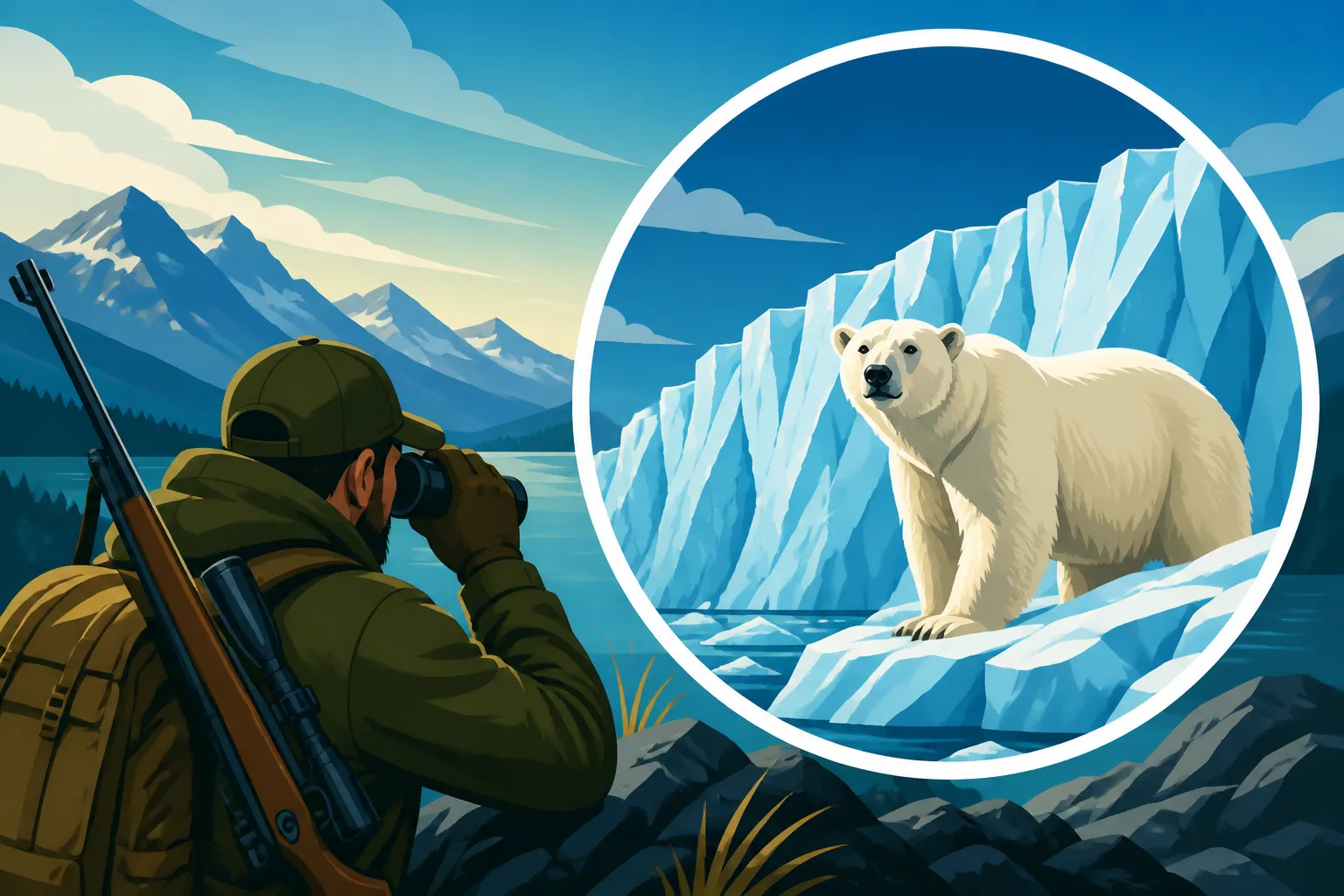
There’s a certain magic to the idea of a ghost of the mountains, a bear whose coat mirrors the ancient ice and mist of Alaska's wild coastlines. Many hunters dream of encountering a "glacier bear," but the reality is these animals are incredibly elusive, shrouded in mystery, and often misunderstood. This guide will pull back the curtain on this rare color phase of the black bear, exploring what makes them so unique, where they are typically found, and why glimpsing one in the vastness of Alaska is such a rare and memorable event for any hunter.
Understanding the Glacier Bear Phenomenon
Let's clear up a common misconception right from the start: a glacier bear isn't a distinct species of bear, nor is it some kind of albino black bear or a hybrid between a black bear and a polar bear. Instead, the term "glacier bear" refers to a very rare and striking color phase of the American black bear (Ursus americanus), much like how "cinnamon" or "blonde" bears are also color variations. Their coat, unlike the typical jet black, ranges from a soft, silvery-blue to a smoky gray, often with darker legs and a lighter, almost frosted back. It’s a truly breathtaking sight, blending seamlessly with the icy, rocky, and often fog-shrouded landscapes they inhabit.
This unique coloration is believed to be the result of a recessive gene within certain black bear populations. For a cub to exhibit this glacier bear phase, both parents would likely need to carry this particular gene, even if they themselves appear black. This genetic lottery is a significant part of their rarity. Unlike, say, the polar bear which evolved white fur for camouflage in an all-ice environment, the glacier bear's coloring is a unique localized adaptation that allows it to blend into the specific glaciated, high-alpine environments where it is found. It's a marvel of natural selection, even if it's not a separate species. You can learn more about other variations in Black Bear Color Phases in Alaska.
Geographic Hotbeds and Historical Sightings
If you're going to search for a glacier bear, you need to know where to start looking – and temper your expectations considerably. These bears are predominantly found in a specific, relatively narrow strip of coastal Southeast Alaska, particularly in areas like Glacier Bay, around Yakutat, and extending into the Wrangell-St. Elias mountain range. Imagine rugged coastal mountains, deep fjords, and vast icefields – that's their preferred domain. It’s a world of dramatic landscapes, dense rainforests giving way to alpine tundra and active glaciers, a setting that perfectly matches their namesake.
Historically, sightings have concentrated in these remote, inaccessible regions, often in high-alpine basins or along the fringes of massive glaciers. This challenging terrain not only provides them with ideal camouflage but also limits human access, further contributing to their mystique and the scarcity of reliable sightings. While a black bear can be found in nearly every corner of Alaska, the glacier bear simply isn't. They stick to their ancestral, glaciated homelands, moving through dense alders and across rocky moraines just like any other black bear, but doing so with a coat that makes them almost invisible against certain backdrops. For anyone considering hunting in these areas, understanding the unique environment is crucial, whether you're targeting bear or other species, as detailed in articles like Hunting Alaska's Southeast Islands by Boat or Chugach National Forest Goat and Bear Areas.
The Elusive Nature: Why They Are So Rare
The rarity of glacier bears is a combination of factors, starting with that recessive gene we discussed. It's not a dominant trait, meaning the genes for this color phase are not widespread throughout the entire black bear population across Alaska. You might think that in a huge state like Alaska, with its robust black bear populations, more of these unique bears would be seen. But the reality is far more nuanced.
Firstly, their existence is highly localized to specific genetic pockets. You won't find them popping up consistently across the interior or on the Kenai Peninsula. They're tied to those particular coastal and glaciated regions mentioned earlier, where perhaps the gene pool has allowed this trait to persist and occasionally express itself.
Secondly, the very habitat they favor, while providing excellent camouflage, is also incredibly rugged and difficult for humans to access. These bears thrive in areas characterized by massive icefields, steep mountains, and dense coastal rainforests that transition abruptly into alpine zones. This isn't your typical roadside hunting spot. This inherent isolation means fewer eyes are on them, and the bears themselves face fewer human encounters, reinforcing their elusive reputation.
Lastly, and perhaps most importantly, even when present, their silvery-blue coat makes them exceptionally difficult to spot against snowfields, glacier ice, or even the gray-green lichen-covered rocks and misty conditions common in their range. They simply blend in astonishingly well, living up to their "ghost bear" moniker. A hunter might spend weeks in prime glacier bear country, glassing meticulously, and never even know one was there. This makes any confirmed sighting or harvest an exceptional event, almost like winning the genetic lottery yourself, as a hunter. They are not managed as a separate species, so there are no special tags or seasons beyond the general Alaska Black Bear Seasons and Bag Limits.
Identifying a Glacier Bear in the Field
Spotting a glacier bear in the wild requires more than just luck; it demands keen observation, excellent optics, and a deep understanding of what you're looking for. Many bears might appear lighter than usual in certain lighting, but a true glacier bear has a distinct silvery-blue or gray hue that is unmistakable once seen. The coloration can vary from a very pale, almost white-silver to a darker, slate-gray, often with the distinctive darker legs and belly.
Imagine you're glassing a distant snow slide in late spring, hoping to spot a bear feeding on emerging greens, as described in Spring Bear Hunting on South-Facing Snow Slides. The sunlight can play tricks, making a regular black bear appear lighter, or conversely, making a glacier bear look darker than it truly is. This is where high-quality optics, like a powerful spotting scope, become absolutely indispensable. For detailed identification from afar, techniques like those used for judging sheep, covered in Spotting Scope Power for Ram Judging or Glassing Grids That Cover a Whole Basin, are highly applicable. You need clarity and magnification to confirm the subtle, yet distinct, coloration.
One common mistake is confusing a glacier bear with a light-colored brown bear or even a cinnamon phase black bear. Brown bears, especially younger ones or those from interior populations, can sometimes have lighter coats, but their overall body structure, head shape, and shoulder hump will clearly differentiate them. Cinnamon black bears have a reddish-brown tone, distinct from the cool, silvery-blue of a glacier bear. The key is to look for that unique metallic, almost iridescent quality in the fur that catches the light in a specific way. While a rare encounter, if you are fortunate enough to harvest one, proper trophy care is essential, as detailed in Cape Care for a Life-Size Bear Mount. Remember, any bear encounter in these regions requires vigilance regarding Bear Safety While Butchering a Kill in Alaska, regardless of color phase. While GoHunt is an invaluable resource for planning your trips and understanding draw odds, when it comes to field identification of such rare color phases, your own experience and top-tier optics are your best allies.
When that rare moment arrives, and you do spot one, it’s often a fleeting glimpse. Getting a good photograph or spending extended time observing one is a gift. For a hunter, deciding to take such an animal means understanding that it falls under general black bear regulations and limits. It's a trophy that's less about size and more about its incredible rarity and the story behind finding such a unique animal in one of Alaska's wildest places.
Black Bear Color Phases Comparison
To help distinguish glacier bears from other common black bear color phases you might encounter in Alaska, here’s a quick comparison. This helps illustrate just how unique the glacier bear truly is within the species.
| Feature | Black Bear (Common) | Cinnamon Bear (Common) | Glacier Bear (Rare) | Brown/Grizzly Bear (Distinct Species) |
|---|---|---|---|---|
| Scientific Name | Ursus americanus | Ursus americanus | Ursus americanus | Ursus arctos |
| Coloration | Jet black, sometimes brownish sheen | Reddish-brown to light brown | Silvery-blue to slate gray | Varies widely: blonde to dark brown, grizzled |
| Typical Habitat | Forests, mountains, coastal areas | Interior forests, mountains | Coastal mountains, glaciated regions | Diverse, from coast to interior alpine |
| Range in Alaska | Widespread across most of the state | Interior, Southcentral Alaska | Primarily Southeast Alaska (Glacier Bay, Yakutat) | Widespread, larger on coast, smaller in interior |
| Genetic Basis | Dominant gene for black fur | Recessive gene for reddish fur | Recessive gene for silvery-blue fur | Distinct species, diverse genetics |
| Physical Features | No shoulder hump, straight facial profile, short claws | Same as black bear | Same as black bear | Prominent shoulder hump, dished face, long claws |
| Rarity | Common | Fairly common in certain areas | Extremely rare | Common, but specific populations can be protected |
This table clearly highlights the distinct nature of the glacier bear's coat compared to other black bears and the larger brown/grizzly bears. Even against Cinnamon Phase Black Bears in the Interior, the glacier bear's hue stands alone.
Embracing the Mystery and Managing Expectations
For many hunters, the appeal of Alaska lies in its untamed wilderness and the incredible diversity of its wildlife, from enormous Alaska-Yukon Moose Body Size and Antler Spread to the elusive mountain goats. The glacier bear fits perfectly into this mystique. It’s a testament to the incredible genetic diversity within wildlife populations and the powerful influence of habitat and environment on physical traits.
While planning a hunt with the express goal of targeting a glacier bear might lead to disappointment due to their extreme rarity, hoping for an encounter is part of the adventure. If you're fortunate enough to hunt in the specific regions where these bears are known to exist, keep your eyes peeled and your optics ready. Treat every black bear sighting as an opportunity to observe and appreciate.
Understanding that a glacier bear is a rare color phase, rather than a separate species, also shapes hunting ethics and management. They are still legally considered black bears and are hunted under the same regulations, including general seasons, bag limits, and licensing requirements. There are no special permits or restrictions unique to glacier bears themselves. This means that if you're out hunting black bears in Southeast Alaska and are lucky enough to encounter one, it would fall under your general black bear tag. Given the Black Bear Weight in Coastal Alaska, securing your trophy, especially if it's a glacier bear, would be an exceptional feat.
Ultimately, the glacier bear stands as a beautiful, enigmatic symbol of Alaska's wildness. Whether you're planning an expedition for big game, or just dreaming of the Alaskan wilderness from afar, the thought of this silvery phantom moving silently through the glaciers and mountains adds another layer of wonder to the last frontier. While GoHunt might help you analyze draw odds for other coveted species, the odds of spotting a glacier bear remain a beautiful, unpredictable mystery.
Disclaimer
This article is for general informational purposes only and does not constitute professional advice. Laws, prices and regulations vary by location and change over time. Consult a qualified professional for guidance on your specific situation.