The Mulchatna Population Objective Range
It’s incredibly disheartening when a hunting opportunity you’ve long anticipated, especially for a majestic animal like the caribou, suddenly disappears due to population declines and season closures. The Mulchatna Caribou Herd, once a beacon for hunters in Southwest Alaska, has faced significant challenges, leaving many to wonder about its future. This guide aims to shed light on the Mulchatna's population objective range, what that crucial management tool means for the herd's recovery, and what it signals for the hopeful hunters watching from the sidelines.
Understanding the Mulchatna Caribou Herd's History and Challenges
The story of the Mulchatna Caribou Herd is one of both abundance and stark decline, a cycle that's all too familiar in the complex world of wildlife management. For many years, this herd provided incredible hunting opportunities across a vast region of Southwest Alaska, drawing in resident and nonresident hunters alike.
A Legacy of Fluctuation: From Boom to Bust
For decades, the Mulchatna Caribou Herd was one of Alaska's largest, with population estimates often soaring into the hundreds of thousands. These robust numbers supported widespread hunting, making it a staple for many families and a bucket-list hunt for those traveling to the state. People would plan their entire year around the possibility of filling their freezers and experiencing the raw wildness of the caribou migration. Hunters would pore over maps, checking the latest movements, often sharing tips and strategies learned from years in the field. This was a time when planning a Caribou Herds of Alaska and How They Move was about anticipating the sheer volume of animals.
However, caribou populations are naturally cyclical. They can boom and bust due to a myriad of factors, often leading to periods of both high and low harvest. What makes the Mulchatna's recent downturn particularly frustrating is the severity and speed of its collapse. Many hunters witnessed firsthand the diminishing numbers, the increasingly difficult task of locating animals, and the eventual, heartbreaking closures. It's a tough pill to swallow when a resource that felt limitless suddenly becomes critically scarce, leaving a void in hunting traditions and local economies.
The Causes Behind the Decline: A Complex Web
When a herd as significant as the Mulchatna experiences such a dramatic decline, it’s rarely due to a single culprit. Instead, wildlife biologists point to a complex interplay of environmental factors and ecological pressures. Understanding these factors is key to appreciating the challenges in managing such a large, migratory species. This is exactly the kind of detailed information that platforms like GoHunt strive to compile for hunters, providing context beyond just regulation changes.
One major factor is often predation pressure. Wolves and bears, particularly brown bears, are natural predators of caribou, especially calves. When caribou numbers are robust, this predation is a healthy part of the ecosystem. However, if other factors weaken the herd or reduce calf survival, intensified predation can accelerate a decline. Changes in habitat, such as widespread wildfires altering forage availability or shifts in climate impacting snow depths and migration routes, can also play a significant role. Imagine trying to find nutritious browse when your traditional feeding grounds are gone or covered by unusually deep, crusted snow. It’s an uphill battle for survival, especially for young animals. Additionally, factors like disease outbreaks or adverse weather events during calving seasons can impact reproduction and recruitment, the number of young animals surviving to adulthood. While hunting pressure is always a consideration, it's typically managed through regulations and emergency closures precisely to prevent it from being the primary driver of a herd's collapse, though it certainly can contribute if not carefully monitored. The unfortunate truth about Why the Mulchatna Herd Collapsed is a testament to this complex ecological dance.
What is a Population Objective Range? Defining the Target
When a wildlife population, like the Mulchatna Caribou Herd, faces significant challenges, wildlife managers don't just hope for the best. They establish clear, science-based goals to guide recovery and sustainable management. This is where the concept of a "population objective range" becomes absolutely critical.
Why Wildlife Managers Set These Ranges
A population objective range isn't just an arbitrary number plucked out of thin air. It's a carefully considered target established by biologists and managers to ensure the long-term health and viability of a species within its ecosystem. Think of it like setting a safe operating range for a complex machine – too low, and it might break down; too high, and it could cause other issues. For caribou, this range aims to strike a balance:
- Ecological Health: It ensures the herd is large enough to be resilient against natural fluctuations, disease, and predation, maintaining a healthy genetic diversity. It also considers the carrying capacity of the land, meaning how many animals the habitat can sustainably support without being overgrazed.
- Sustainable Use: It accounts for the ability to provide for human uses, including subsistence, sport hunting, and viewing opportunities, when the population is within or above the desired range. When numbers are too low, as with the Mulchatna, hunting opportunities are necessarily curtailed or eliminated entirely.
- Preventing Overpopulation: While it might seem counterintuitive with a struggling herd, an upper limit prevents the population from growing so large that it degrades its own habitat, leading to a subsequent crash. Caribou, for instance, can significantly impact lichen fields, which take decades to recover.
These objectives are dynamic and can be adjusted as new scientific data emerges or environmental conditions change. They are the backbone of sound wildlife management, ensuring that decisions are data-driven and focused on the health of the resource for future generations. Resources like GoHunt often report on these objective ranges when discussing herd status and hunting prospects.
The Specifics of the Mulchatna's Objective Range
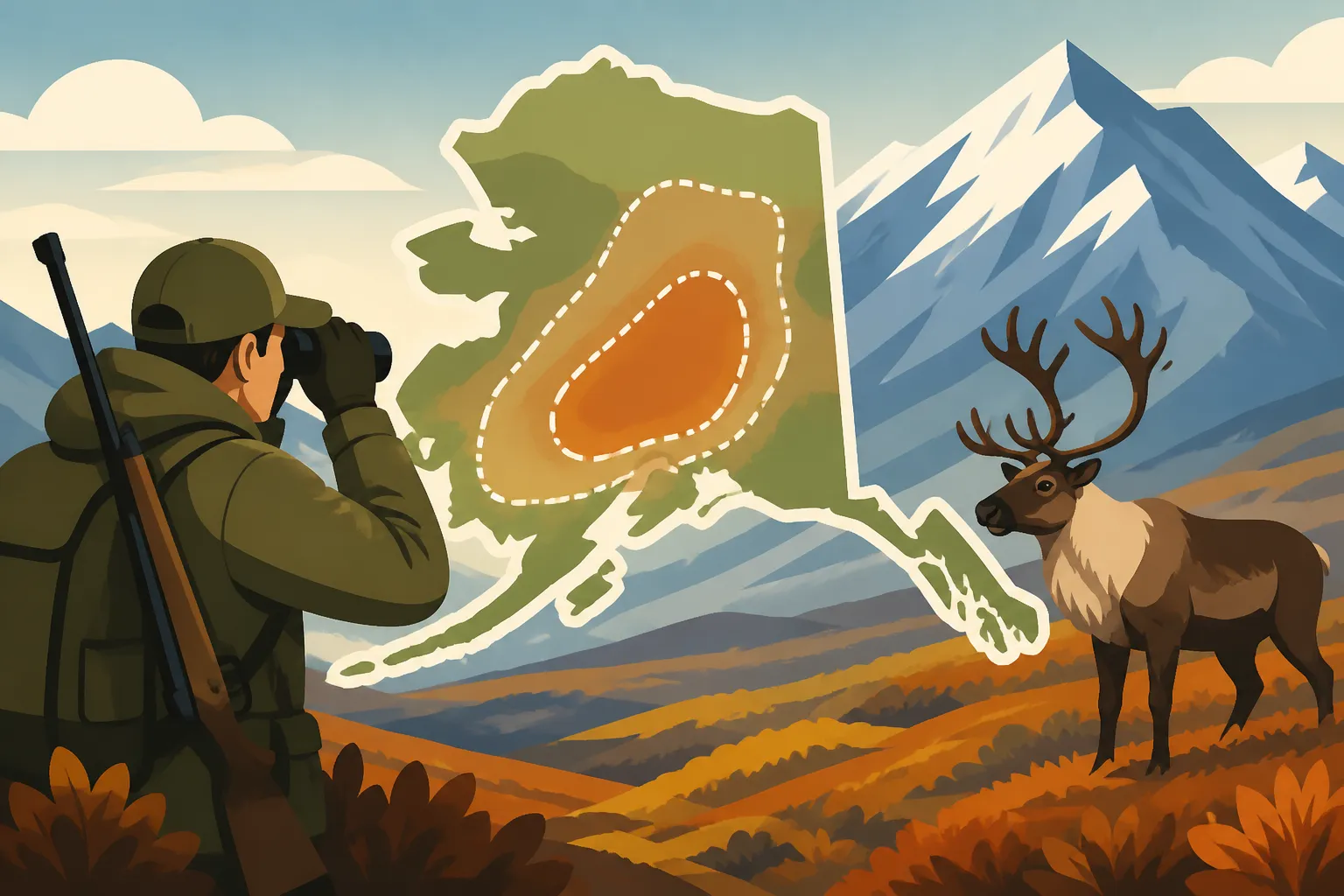
While I can't provide current, real-time numbers, the Mulchatna Caribou Herd’s population objective range typically reflects a numerical window deemed healthy for both the herd and its ecosystem. Instead of aiming for a single, fixed number, a range acknowledges the natural variability in wildlife populations and allows for ecological flexibility. This range is informed by factors such as historical population data, the estimated carrying capacity of the Mulchatna's vast range, predator-prey dynamics, and the herd's reproductive potential.
When the Mulchatna's population falls significantly below the lower threshold of this objective range, it triggers conservation actions, most notably hunting closures, to allow the herd a chance to recover without additional pressure. Conversely, if the population were to exceed the upper limit of its range, managers might consider increased harvest opportunities to prevent habitat degradation and ensure long-term sustainability. The challenge with the Mulchatna has been that it has dipped well below its objective minimum, necessitating a prolonged period of protection. This management strategy aims to nurse the herd back to a state where it can once again sustain itself and provide limited, regulated harvest opportunities, similar to how The Western Arctic Herd's Population Swings are managed through various strategies.
The Implications of the Mulchatna's Current Status
The Mulchatna Caribou Herd’s current low population, falling well below its objective range, has profound implications that ripple through the hunting community and the broader Alaskan ecosystem. It's a situation that brings a mix of frustration, concern, and a collective hope for recovery.
Hunting Closures and the Impact on Hunters
The most direct and immediate impact of the Mulchatna's decline has been the closure of hunting seasons. For many Alaskans, particularly those in the Southwest region, caribou hunting is not just a recreational activity; it's a vital part of their subsistence lifestyle, providing essential protein for their families through the long winter. Imagine planning your year around a fall hunt, preparing your gear, and then receiving the news that the season is closed, as often announced through Alaska Emergency Orders That Close a Season Early. It's a huge disruption, not only to food security but also to cultural traditions and community gatherings centered around the harvest. Nonresident hunters, who often invest considerable time and money planning a trip to Alaska, also face immense disappointment when these once-reliable hunts are unavailable.
These closures are never taken lightly. They are direct consequences of the herd's population dropping below that critical objective range. While frustrating, they are a necessary measure to protect the remaining animals and give the herd the best possible chance to rebound. Hunters, who are often the most ardent conservationists, understand this difficult truth, even as they feel the sting of the missed opportunity. Staying informed through official channels and community platforms like GoHunt becomes paramount during these times, as hunters try to understand the status of other herds or alternative opportunities.
Long-Term Recovery and Management Strategies
Bringing a caribou herd back from a significant decline is a slow, arduous process that requires a multi-faceted approach. Wildlife agencies, like the Alaska Department of Fish and Game, implement various management strategies focused on reaching and maintaining the Mulchatna's population objective range. These strategies can include:
- Predator Management: In some cases, targeted predator control efforts for wolves or bears might be considered in specific areas to alleviate pressure on vulnerable caribou calves. This is a complex and often controversial tool, used judiciously.
- Habitat Monitoring and Research: Understanding changes in the caribou's habitat, migration patterns, and nutritional needs is crucial. Biologists continuously monitor calving success, calf survival rates, and overall herd health through aerial surveys and other research methods. This scientific data directly informs management decisions and updates to the population objective range.
- Public Education and Engagement: Keeping the public informed about the herd's status and the reasons behind management decisions is vital. This helps foster understanding and support for conservation efforts.
- Limited Research or Subsistence Hunts: In rare instances, even during closures, highly limited, controlled hunts might be implemented for specific scientific purposes or as part of a tightly managed subsistence program, but these are exceptions and not a return to general hunting.
The goal is always to restore the herd to a point where it can be sustainably managed, allowing for future hunting opportunities within the bounds of that objective range. The recovery isn't just about reaching the numbers; it's about ensuring the long-term health and resilience of the Mulchatna as an integral part of Alaska's wild heritage. The trajectory of herds like the Nelchina Caribou Movement Along the Denali Highway also often involves similar long-term strategies.
How Hunters Can Stay Informed and Contribute to Conservation
In times of uncertainty, like the current status of the Mulchatna Caribou Herd, it's more important than ever for hunters to be informed, engaged, and proactive in their conservation efforts. Even when direct hunting opportunities are on hold, there are many ways to contribute to the health of Alaska's wildlife.
Monitoring Herd Health and Official Announcements
The primary source for current regulations, season closures, and herd status updates will always be the official state wildlife agencies. The Alaska Department of Fish and Game (ADF&G) regularly publishes emergency orders, news releases, and detailed reports on herd populations. Hunters should make it a habit to regularly check the ADF&G website, especially before making any hunting plans. This is where you’ll find the definitive word on when and if a season might reopen, or if any changes have been made to bag limits or legal weapon types. Understanding the process of Alaska Registration Hunts That Close on Quota can provide insight into how quickly seasons can change based on herd status.
Beyond official channels, various hunting platforms and community forums, including those managed by GoHunt, can be excellent resources for aggregated information, discussions, and real-world observations from other hunters. While these platforms can offer valuable insights and connect you with a community, always cross-reference information with official state sources. Many hunters use these tools to scout, share information, and discuss strategies, but the legal framework for hunting always comes directly from the state. Staying updated on the Alaska Board of Game Meeting Cycle can also give you insight into upcoming regulatory changes that might impact caribou management.
Ethical Hunting Practices and Habitat Stewardship
Even when a season is closed, hunters remain crucial conservation partners. Our commitment to wildlife goes beyond pulling a trigger; it extends to supporting healthy ecosystems and ethical practices. This means:
- Adhering Strictly to Regulations: If a season is closed, respect that closure completely. Poaching or harvesting animals illegally undermines all conservation efforts and severely hampers a herd's recovery.
- Supporting Wildlife Management: This can involve purchasing hunting licenses and tags (even if not used for a specific species in a given year), as these funds directly support wildlife research, habitat improvement, and enforcement. Consider donating to conservation organizations that work to protect habitat and support scientific management.
- Participating in Public Input: Wildlife agencies often solicit public comments on proposed regulations or management plans. As a hunter, your voice is valuable. Participating in these processes, whether online or at public meetings, helps ensure that management decisions reflect the diverse perspectives of stakeholders while remaining grounded in scientific principles.
- Habitat Stewardship: Even simple actions like practicing Leave No Trace principles, avoiding disturbing critical habitats, and reporting observed wildlife issues (like sick animals or unusual mortalities) contribute to overall ecosystem health. Learning about topics such as How Alaska Sets Its Hunting Seasons can illuminate how vital hunter input is to the entire process.
The Mulchatna Caribou Herd's journey back to health will be a long one, but through continued vigilance, scientific management, and dedicated conservation efforts from the hunting community, there is hope that future generations will once again experience the thrill of pursuing these iconic animals in Alaska’s wild country.
| Mulchatna Caribou Herd Status Indicators | Description | Impact on Hunting |
|---|---|---|
| Population Objective Range | The scientifically determined numerical window (e.g., 30,000-50,000 animals, hypothetical numbers for illustration) considered optimal for long-term herd health and ecosystem balance. | Guides management decisions; hunting is allowed when within or above range, restricted below. |
| Current Population Estimates | Actual number of caribou estimated through aerial surveys and other census methods. | If significantly below objective range, triggers closures. If above, may allow for harvest. |
| Calf Recruitment Rates | The percentage of calves that survive to approximately 10 months of age, indicating the herd's ability to replace animals. | Low recruitment rates suggest poor herd health and hinder recovery, leading to continued closures. |
| Adult Female Survival Rates | The percentage of adult cows that survive year-to-year, crucial for maintaining the reproductive core of the herd. | High adult cow mortality severely impacts future calf production and herd growth. |
| Predator Abundance | Numbers of wolves, bears, and other predators within the caribou range. | High predator numbers can exacerbate caribou decline, especially with low calf recruitment, potentially leading to predator management actions. |
| Habitat Conditions | Quality and availability of forage (lichens, sedges, willows), presence of migratory corridors, and impact of environmental factors like fire or climate change. | Degraded habitat can limit herd recovery, regardless of other factors, and influence where caribou concentrate. |
| Hunting Regulations / Emergency Orders | Official rules from the Alaska Department of Fish and Game, including season dates, bag limits, and specific closures or openings based on real-time data. | Direct and immediate impact on hunters; determines if, when, and how caribou can be hunted, or if seasons are entirely suspended as seen with the Mulchatna Herd Numbers and the Closure. |
Disclaimer
This article is for general informational purposes only and does not constitute professional advice. Laws, prices and regulations vary by location and change over time. Consult a qualified professional for guidance on your specific situation.