Why Wolverine Are Hard to Hunt
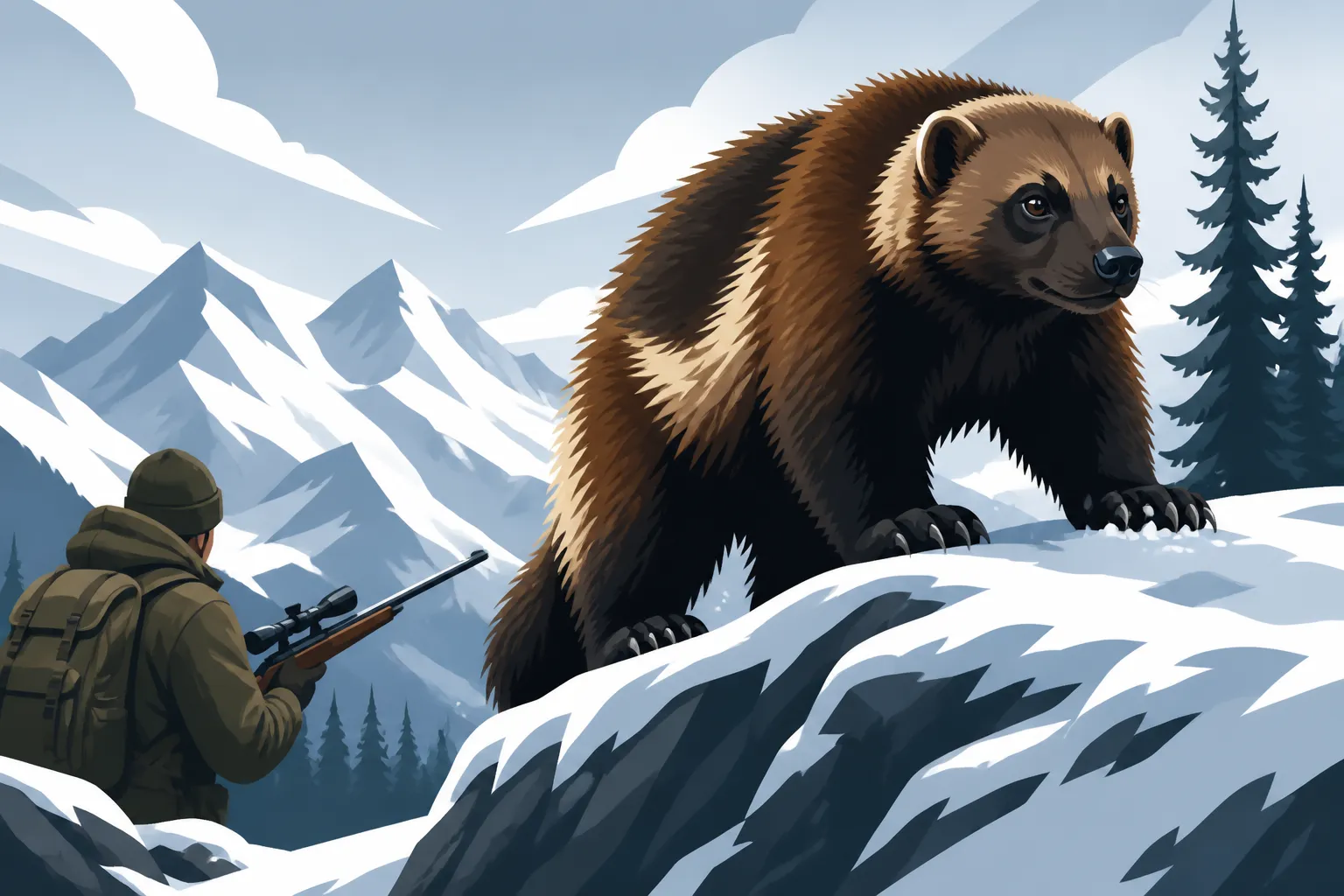
Many Alaska hunters dream of adding a wolverine to their trophy room, a truly iconic symbol of the wild, yet few ever accomplish it. If you’ve spent any time researching or talking to experienced hunters, you quickly realize that pursuing these enigmatic creatures is less about a straightforward hunt and more about a persistent, often frustrating, quest. This guide dives deep into why wolverines are considered one of the hardest animals to hunt in Alaska, exploring their unique behaviors, the challenging landscapes they inhabit, and the sheer luck often involved in encountering one.
The Ghost of the North: Wolverine Elusiveness and Behavior
Wolverines, often called "skunk bears" or "mountain devils," are creatures of myth and legend in the North. Their reputation for ferocity is well-deserved, but what makes them truly challenging for hunters is their sheer elusiveness. They are largely solitary animals, covering vast territories and moving with purpose, rarely lingering in one spot. This means that unlike deer or moose, which might gather in certain habitats, a wolverine is a needle in a massive haystack, always on the move.
They are incredibly adaptable and opportunistic, constantly searching for food. This can range from small rodents and birds to carrion, especially the gut piles left by other hunters. They are also known to raid traplines, a testament to their strength and cunning. This nomadic, scavenger-based lifestyle means they don't have predictable patterns that hunters can easily exploit. You won't find them "rutting" in a specific meadow or concentrated around a particular feeding ground for long. Their movements are dictated by food availability, which can change daily and seasonally across their enormous home ranges.
Another factor contributing to their elusiveness is their incredible senses. Wolverines have an exceptional sense of smell, far surpassing that of many other predators. They can detect carrion from miles away, and they are acutely aware of their surroundings. Coupled with their natural wariness of humans, this makes them incredibly difficult to approach. A wolverine will often detect a hunter long before the hunter ever sees it, disappearing silently into the rugged terrain. This keen survival instinct means they are almost never caught unaware, making a planned stalk nearly impossible in most situations.
Alaska's Rugged Backcountry: Where Wolverines Call Home
If wolverines weren't elusive enough, the places they choose to live compound the hunting challenge exponentially. Alaska's wolverines typically inhabit vast, remote areas, often characterized by dense forests, rugged mountains, and open tundra. This is not open country where you can easily spot game from a distance; it's broken, difficult terrain that makes tracking and spotting a formidable task. Access alone to these areas often requires significant logistical planning, typically involving aircraft. You can read more about Fly-In Hunting Areas Across Interior Alaska to understand the scope of access challenges.
Consider the typical wolverine habitat: high alpine areas, rocky slopes, and dense timber fringes. These environments are physically demanding for hunters to traverse, let alone effectively scout. Moving silently through thick brush or navigating treacherous rock slides requires immense effort and concentration, diminishing a hunter's ability to remain observant for such a subtle quarry. A wolverine might pass within yards of a hunter, completely unseen, simply because the terrain offers so much cover. Even when snow is on the ground, making tracks visible, following a wolverine's trail through deep drifts and over steep mountainsides can be an exhausting, multi-day endeavor.
Furthermore, these remote regions often lack any form of cellular service, demanding self-reliance and advanced navigation skills. Successful navigation and survival in these conditions are paramount, making the actual hunt even more demanding. It’s critical to have a solid plan for Alpine Navigation Without Cell Service when you're out in true wolverine country. Hunters often rely on extensive glassing from high vantage points, using techniques like Glassing Grids That Cover a Whole Basin, but even then, a wolverine's low profile and quick movements make them incredibly hard to pick out. Their ability to blend into the environment and utilize every piece of cover means they can disappear even in seemingly open country.
Understanding the Legalities: Seasons and Regulations
Beyond the behavioral and environmental hurdles, hunting wolverines in Alaska comes with its own set of regulatory complexities. While they are a game species, seasons can be restrictive, and bag limits are typically very low, often one per hunter per regulatory year. This limited opportunity alone makes them a challenging target; you might only get one shot at taking a wolverine in a lifetime of hunting if you're lucky enough to even see one during a season.
It's crucial to consult the Alaska hunting regulations booklet thoroughly or check resources like GoHunt to stay updated on specific season dates and open units for wolverines. These regulations can vary significantly by Game Management Unit (GMU), and understanding Alaska Game Management Units and How They Are Numbered is a fundamental step for any hunt planning. Some units might have a fall season, others a spring season, and some might be closed entirely, or only open to residents. This patchwork of regulations requires diligent research to ensure you are hunting legally and in an area with potential opportunity.
| Characteristic | Wolverine Hunt Difficulty | Implication for Hunters |
|---|---|---|
| Elusiveness | Extremely High | Low chance of direct encounter, patience is key. |
| Home Range | Very Large | Animals are constantly moving, hard to pattern. |
| Habitat | Rugged Mountains/Tundra | Difficult access, physically demanding, limited visibility. |
| Senses | Exceptional Smell/Hearing | Wolverines detect hunters long before being seen. |
| Regulations | Limited Seasons/Bag Limit | Few opportunities, strict adherence to rules required. |
| Targetability | Low (Opportunistic) | Most kills are incidental, not primary targets. |
Wolverines are also often hunted in conjunction with trapping, where specific regulations apply to snares and traps. For hunters pursuing them with traditional firearms or archery equipment, it's essential to understand that many wolverine "hunts" are more often opportunistic encounters while pursuing other species. This means a hunter might be primarily targeting moose or caribou, only to unexpectedly spot a wolverine at a distance. If you're focused on a primary game animal, quickly shifting gears for a rare wolverine opportunity requires preparedness and knowing the regulations for that specific moment.
Strategies and Serendipity: Why Intentional Wolverine Hunts Are Rare
Given all these challenges, it’s no wonder that most wolverines taken by hunters in Alaska are incidental rather than the result of a dedicated, targeted hunt. Many are harvested by hunters who stumble upon them while calling predators like wolves, or by those who attract them to a kill site. For instance, a hunter quartering a bull moose might find a wolverine showing up, attracted by the scent. While you need to be mindful of Bear Safety While Butchering a Kill in Alaska, a wolverine is more likely to be a nuisance or a surprise opportunity than a threat.
Some hunters employ specific strategies to increase their odds, often involving baiting or calling. Wolverines are incredibly curious and voracious scavengers, making them susceptible to being drawn to bait sites or large gut piles. However, setting up a dedicated wolverine bait station can be logistically intensive, especially in their remote habitats. The regulations around baiting, even for other predators, can be strict, so it’s essential to be compliant. Predator calling, similar to Predator Calling for Alaska Wolves and Wolverine, can sometimes attract a curious wolverine, but it's far from a guaranteed method, and they are less predictable than canids.
Ultimately, the most successful wolverine hunters are often those who spend a tremendous amount of time in the backcountry, pursuing multiple species. Their long days in the field increase their chances of a serendipitous encounter. A hunter on a remote Float Hunting Alaska Rivers for Moose and Caribou trip, or deep in the mountains on a Spot-and-Stalk Dall Sheep Hunting Above Alaska Timberline expedition, is far more likely to cross paths with a wolverine than someone making a short, targeted trip for that single animal. They often use resources like GoHunt to pore over maps, looking for areas where wolverine range and density align with other hunting opportunities, maximizing their time in the field.
Preparing for these incidental opportunities means always having your wolverine tag in your pocket and understanding the regulations of your current hunting unit. It also means being ready for a quick, ethical shot when the chance presents itself, which could be at long range across a basin, or a fleeting glimpse as it crosses a ridge. The sheer combination of their elusive nature, the harshness of their habitat, and the limited hunting opportunities make the wolverine truly one of Alaska's most formidable and sought-after trophies. When you finally connect with one, it’s not just a testament to your hunting skill, but also to a good measure of patience, persistence, and pure Alaskan luck.
Disclaimer
This article is for general informational purposes only and does not constitute professional advice. Laws, prices and regulations vary by location and change over time. Consult a qualified professional for guidance on your specific situation.