Alaska Emergency Orders That Close a Season Early
Imagine pouring months, even years, into planning your dream Alaska hunt – the flight, the gear, the physical training, the specific unit you’ve drawn a permit for, or the general season you’re targeting. Then, just as you’re about to head out, or even worse, while you’re already in the field, an emergency order drops. It’s a gut-wrenching experience that has blindsided many a hunter, turning carefully laid plans into a chaotic scramble. This guide is here to shed light on Alaska’s emergency order system, explaining why these sudden closures happen, how the Alaska Department of Fish and Game (ADF&G) communicates them, and how you can better navigate this unpredictable but necessary aspect of hunting in the Last Frontier.
Understanding Alaska Emergency Orders
For anyone stepping into the wilds of Alaska with a rifle or bow, understanding the state's regulatory landscape is as crucial as knowing how to field dress an animal. Emergency orders are a critical tool in this landscape, used by the Alaska Department of Fish and Game to manage wildlife populations dynamically, often in response to real-time data that signals a need for immediate action.
The ADF&G's Role in Management
The Alaska Department of Fish and Game holds the immense responsibility of managing the state's vast and diverse wildlife resources for sustained yield. This isn't just about ensuring there are animals to hunt next year; it's about safeguarding the long-term health of entire ecosystems. They collect data year-round, from aerial surveys to harvest reports, to monitor populations. When this data suggests that a season, as originally set, might jeopardize a species or a specific population segment, they have the authority to issue an emergency order.
These orders are not arbitrary decisions made in an office; they are direct responses to biological realities. For example, if winter conditions have been unusually harsh, leading to higher-than-normal mortality rates for a caribou herd, an emergency order might reduce the bag limit or shorten the season to protect the breeding stock. Similarly, if a specific area sees an unexpected surge in hunter success that quickly approaches a sustainable harvest quota, an order might close that area early. This proactive management is vital for maintaining the health and abundance of game species across the state, ensuring that future generations of hunters can also experience the unique opportunities Alaska offers. You can learn more about exactly how these decisions are formalized by understanding How Alaska Sets Its Hunting Seasons.
Emergency Versus Regulatory Changes
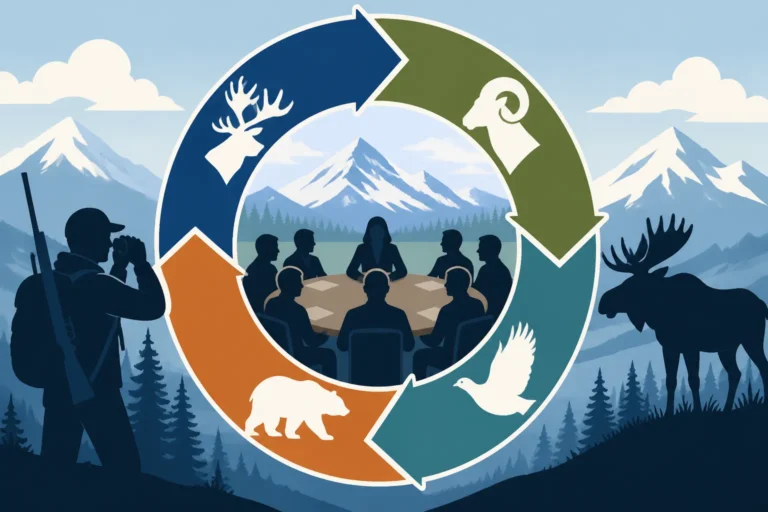
It's important to distinguish emergency orders from regular regulatory changes. The Alaska Board of Game sets the standard hunting seasons and bag limits through a public process that involves proposals, meetings, and public input, typically on a two-year cycle. These are the rules you find printed in the annual Alaska hunting regulations booklet. These are generally predictable and allow hunters ample time to plan.
Emergency orders, however, operate outside this predictable cycle. They are swift, temporary adjustments made by ADF&G staff under specific legal authority when an immediate biological or management concern arises. Think of them as a fast-acting emergency brake rather than a planned course correction. They can shorten a season, close an area, change bag limits, or even modify weapon restrictions. The key here is the "emergency" aspect – they address situations that could not have been foreseen or adequately addressed through the regular Board of Game process, and which require immediate implementation to prevent undesirable outcomes for the wildlife resource or public safety. This distinction is crucial for hunters because it means you cannot rely solely on the printed regulations once you're in the field; you must actively seek out the most current information.
Common Triggers for Early Closures
Alaska's vast and wild landscape is inherently dynamic, and so are its wildlife populations. Emergency orders often stem from unforeseen shifts in these dynamics, requiring quick intervention to maintain balance.
Harvest Quota Attainment
One of the most frequent reasons for an emergency closure is when a specific harvest quota is met or is projected to be met rapidly. Many Alaska hunts, especially for species like caribou, moose, and even certain bear populations, operate under a pre-determined quota. This quota represents the maximum number of animals that can be harvested from a particular population in a given season without negatively impacting its long-term health. ADF&G meticulously tracks harvest data, often requiring hunters to report kills within a very short timeframe.
For example, a popular caribou registration hunt in a road-accessible area might see extremely high hunter pressure and success in the opening days. If the daily harvest reports indicate that the quota for that specific herd, say the Fortymile Caribou, will be reached much sooner than anticipated, an emergency order will be issued to close the season early. This scenario ensures the herd isn't over-harvested, even if it means some hunters miss out on their opportunity. The frustration for hunters is immense, especially if they’ve traveled far, but the biological imperative to protect the resource always takes precedence. Hunters should always be aware of Fortymile Caribou Quota for the Season and other relevant quotas before heading out.
Unforeseen Environmental Factors
Alaska's weather is notoriously unpredictable and can dramatically influence wildlife behavior and accessibility. Harsh environmental conditions can directly impact animal populations and necessitate emergency closures. A sudden, early heavy snowfall, for instance, might push animals out of accessible hunting areas into winter range sooner than expected, concentrating them in vulnerable locations. Conversely, a mild winter followed by a late spring green-up could lead to animals being in poor condition when the hunting season opens.
Consider a Dall sheep hunt in the high country. If an unusual ice storm or prolonged heavy snow event traps sheep on inaccessible cliffs, or severely limits their forage, an emergency order might close the season to prevent additional stress on an already vulnerable population. Similarly, unexpected river flooding during a float hunt could make retrieving game impossible or dangerous, leading to temporary closures. These environmental factors are beyond human control, but the ADF&G's ability to react swiftly through emergency orders is critical for wildlife survival and hunter safety. For those planning a float hunt, understanding the nuances of Choosing a Float Hunt River by Water Level and Length is paramount.
Population Declines or Behavioral Shifts
Sometimes, even without hitting a harvest quota, biological data might reveal an unexpected decline in a specific game population, or a significant shift in their behavior, prompting an emergency closure. This is often the case when aerial surveys or ground observations indicate that a population is struggling more than anticipated, perhaps due to disease, high predation rates, or poor reproductive success.
For example, if aerial surveys for moose in a particular game management unit show a dramatic drop in calf recruitment over the summer, or a lower than expected number of legal bulls, the ADF&G might issue an emergency order to restrict hunting in that unit. This happened with the Mulchatna caribou herd, which saw a drastic decline, leading to long-term closures. The devastating impact on the herd meant years of no hunting, illustrating the serious consequences of not responding to such data. You can read more about Nelchina Caribou Closure Since 2021 and how population dynamics led to these difficult decisions. These orders, while disappointing, are essential for allowing the population to recover, ensuring that species like Alaska Moose: Where the Biggest Bulls Live continue to thrive in their natural habitats.
How Emergency Orders Are Announced
The critical nature of emergency orders means that prompt and clear communication is paramount. However, reaching every hunter in Alaska's vast and often remote regions presents a significant challenge.
Official Communication Channels
The primary and most authoritative source for emergency orders is the Alaska Department of Fish and Game (ADF&G) itself. They utilize several official channels to disseminate this time-sensitive information:
- ADF&G Website: The official ADF&G website is the central hub for all regulatory information, including emergency orders. They typically have a dedicated "Emergency Orders" section where new closures or changes are posted immediately. This is often accompanied by maps highlighting the affected areas and detailed explanations for the action. For any hunter, bookmarking this page and checking it regularly, especially in the days leading up to and during their hunt, is non-negotiable.
- Press Releases and Media Alerts: ADF&G issues press releases to local and statewide media outlets, including newspapers, radio stations, and television news. These releases alert the broader public and are often picked up by outdoor publications and websites. While not always the quickest method in remote areas, it helps spread the word widely.
- Regional ADF&G Offices: Each regional ADF&G office (e.g., Fairbanks, Anchorage, Juneau, Kodiak) handles the management for their respective areas. Hunters can often call or visit these offices in person for the most up-to-date information for specific Game Management Units (GMUs). The staff are usually very knowledgeable and can clarify any ambiguities in the orders.
- Email Subscription Services: Many regional offices and the statewide ADF&G offer email notification services. By subscribing, hunters can receive direct alerts about emergency orders relevant to their preferred hunting areas. This is perhaps one of the most effective ways for individual hunters to stay informed without constantly checking websites.
- Social Media: ADF&G often uses its social media platforms (Facebook, X/Twitter) to quickly share alerts and links to full emergency orders. While not always the most detailed, it can be a rapid way to get initial notification.
The challenge, of course, is that in many remote Alaska hunting areas, internet access, cell service, or even radio reception is non-existent. This means hunters in the field might be completely unaware of an emergency closure until they fly out or return to a town, potentially leading to unintentional violations. This underlines the importance of checking before you depart and having a check-in plan if possible. Before any hunt, it's wise to review all rules, including Alaska Hunter Education and Orientation Requirements and any general season regulations.
The Urgency of Timely Information
The clock starts ticking the moment an emergency order is issued. For hunters, this means the timeframe for reaction can be incredibly tight. An order might be announced on a Friday afternoon and take effect Saturday morning, leaving mere hours for hunters to receive, understand, and comply with the new rules. This urgency is driven by the very nature of the emergency—preventing further harvest or mitigating a critical situation.
For those flying into remote camps, this challenge is amplified. A hunter might be dropped off by a bush pilot, with no contact for a week or more. If an emergency order closes their hunt area two days into their trip, they might unwittingly continue hunting illegally. This is why many experienced Alaska hunters maintain regular satellite phone or inReach check-ins with a contact who can monitor official channels. Some air taxi services even offer to monitor for emergency orders for their clients, providing updates during scheduled check-ins. Without such precautions, an emergency order can turn a successful hunt into a legal nightmare. It’s also why understanding Alaska Harvest Report Deadline After the Hunt is so important, as timely reporting helps ADF&G make these critical decisions accurately.
Impact on Hunters and Planning
Emergency orders, while necessary for conservation, can be incredibly disruptive and frustrating for hunters who have invested significant time, money, and effort into their Alaska expeditions.
Logistical Nightmares and Financial Strain
For many, an Alaska hunt is not just a weekend trip; it's a monumental undertaking. Flights are booked months in advance, often involving multiple bush flights to remote locations. Gear is purchased, food is packed, and guides or transporters are hired. When an emergency order closes a season early, all of these logistical pieces can come crashing down, leading to significant financial losses.
Imagine you've booked a fly-in moose hunt in Hunting Unit 13 and the Nelchina Basin, only for an emergency order to close the season a few days before your scheduled departure due to high harvest rates. Your plane tickets are likely non-refundable, your bush plane deposit might be lost or tied up, and the cost of specialized gear remains. If you’re already in the field, a sudden closure could mean paying extra for an unscheduled early pick-up from your air taxi, or having to pivot your hunt entirely to a different species or area, which might incur additional tag fees or transportation costs. Some guided hunts have clauses in their contracts about emergency closures, but often, the financial burden falls heavily on the hunter. It's a risk inherent to hunting in a state that prioritizes its wildlife above all else, but it doesn't make the sting of lost thousands any easier to bear.
The Emotional Toll of an Abrupt End
Beyond the financial and logistical headaches, there's a profound emotional toll when an emergency order abruptly ends a hunt. For many, hunting in Alaska is a lifelong dream, a culmination of years of saving and anticipation. The psychological impact of having that dream snatched away, especially after weeks of preparation and travel, can be immense.
Hunters often invest themselves completely in the experience – the physical challenge, the connection with nature, the pursuit of a specific animal. To be told that the season is over, through no fault of your own, can feel incredibly unfair and demoralizing. This is particularly true for those who travel from out of state, for whom such a trip might be a once-in-a-lifetime opportunity. The disappointment can linger long after the financial sting, making it harder to plan future adventures. It speaks to the unique challenges of hunting truly wild places, where human schedules must ultimately yield to the unpredictable rhythms of nature and the necessities of conservation. Knowing the full scope of Alaska Hunting Seasons and Tag Rules Explained can help manage expectations, but it doesn't eliminate the disappointment.
Monitoring Resources and Planning Ahead
Given the unpredictable nature of emergency orders, active monitoring and smart planning are essential components of any successful Alaska hunt. You can’t control when or why an order is issued, but you can control how prepared you are to react.
Utilizing ADF&G Online Resources
As previously mentioned, the ADF&G website is your first and most reliable line of defense against being caught off guard. Beyond just the emergency orders page, the department provides a wealth of information that, when combined, can give you a clearer picture of potential risks.
- Hunt Specific Information: Before you leave, dive deep into the specific hunt numbers you're pursuing. Many registration hunts (which are often the most susceptible to early closures due to quotas) will have a dedicated webpage or PDF with estimated harvest numbers, reporting requirements, and historical data. This context can help you gauge how quickly a quota might be met.
- News Releases & Announcements: Regularly check the ADF&G news release section. While emergency orders get their own space, broader ecological or population concerns that could lead to an emergency order might first appear as a news announcement about a particular herd's health or winter conditions.
- Sign Up for Email Alerts: This cannot be stressed enough. ADF&G provides options to subscribe to updates specifically for emergency orders or for news releases concerning specific regions or species. This direct communication channel is often the fastest way to receive official notifications. Ensure your email is set up to not filter these out as spam.
- Game Management Unit (GMU) Maps and Details: Familiarize yourself with your chosen GMU. Understanding its boundaries and specific regulations, including Alaska Moose Antler Restriction Areas, helps you quickly interpret emergency orders that reference these areas.
Third-Party Aggregators and Apps
While ADF&G is the official source, several third-party platforms and apps have become invaluable tools for hunters seeking aggregated and easily digestible information, including emergency orders. These often pull data directly from ADF&G but present it in a more user-friendly format, sometimes with additional analysis or mapping features.
A notable example is GoHunt. Platforms like GoHunt consolidate data from various state agencies, often providing real-time updates on season closures, drawing results, and regulatory changes. They can send push notifications directly to your phone, which can be a game-changer for timely information. Many serious hunters rely on GoHunt for their daily dose of hunting intelligence, as it can often alert them to potential issues before they might see it directly on the ADF&G site. Similarly, some private forums or social media groups dedicated to Alaska hunting will often share and discuss emergency orders as they are announced, providing a community aspect to staying informed. Just remember to always cross-reference any information from third-party sources with the official ADF&G channels to ensure accuracy. Using these tools to monitor When Moose Seasons Open Across Alaska Units and other species is highly recommended.
Contingency Planning and Flexibility
Perhaps the most critical "monitoring" strategy is internal: building flexibility into your hunt plan.
- Backup Hunt Areas/Species: If your primary target is a species known for quota-based or weather-sensitive hunts, have a backup plan. Could you pivot to a different GMU if your first choice closes? Is there another species (like black bear or wolf, which often have longer seasons or higher quotas) you could pursue if your moose or caribou hunt ends early?
- Travel Insurance: For significant financial investments, consider travel insurance that specifically covers hunt cancellations or interruptions due to regulatory changes. Read the fine print carefully, as not all policies cover this.
- Communication Plan: Establish a clear communication plan with a reliable contact back home. Provide them with your exact hunting location, expected return date, and detailed instructions on how and when to check for emergency orders relevant to your area. Equip them with links to the ADF&G emergency order page and contact numbers for regional offices. Have them check in with you periodically via satellite messenger or phone.
- Budget for Flexibility: Factor in potential extra costs for early exits, extended stays due to weather, or alternative travel if your original plans are disrupted. Having a financial cushion can reduce stress if the unexpected happens.
- Stay Local: If you're a resident, consider hunts closer to home where you have better access to information and less financial outlay if an order changes things. For nonresidents, partner with experienced outfitters or transporters who are intimately familiar with local regulations and communication networks.
By combining diligent monitoring of official channels and reliable third-party resources like GoHunt, with a robust contingency plan, you can significantly reduce the potential negative impact of Alaska's inevitable emergency orders.
| Communication Channel | Pros | Cons | Best For |
|---|---|---|---|
| ADF&G Website | Most authoritative, detailed, official maps | Requires internet access, can be slow to navigate on mobile | In-depth research, verifying information, pre-hunt planning |
| ADF&G Email Alerts | Direct notification, specific to regions/species | Requires advance subscription, still needs internet access for full details | Rapid initial notification, personalized alerts |
| Third-Party Apps (e.g., GoHunt) | Aggregated info, push notifications, user-friendly maps | Not always official, may require subscription/fee, needs cell/internet | Quick alerts, consolidated view, in-field updates (if service available) |
| Regional ADF&G Offices | Direct human contact, detailed answers, local expertise | Limited to office hours, requires phone/in-person access | Specific questions, clarification, last-minute checks before heading out |
| Local Media/Radio | Broad reach, potentially accessible in some remote areas | Less detail, not always timely, might miss specific hunt numbers | General awareness, alerts in towns/villages |
| Air Taxis/Outfitters | Local knowledge, may monitor on client's behalf | Not their primary job, rely on their initiative, may cost extra | In-field updates (if pre-arranged), local insights |
Specific Examples of Emergency Orders
Looking at past emergency orders can help illuminate the types of situations that trigger these closures and what hunters can learn from them. Alaska's diverse wildlife and vast geography mean that these orders are equally varied.
Caribou Season Adjustments
Caribou are perhaps one of the most frequently managed species via emergency orders, largely due to their migratory nature and the high hunter interest they garner. Several of Alaska's major caribou herds, such as the Fortymile, Nelchina, and Western Arctic herds, often have seasons that open with certain bag limits but are subject to closure when quotas are met.
In the past, areas open to the Fortymile Caribou hunt have been closed early, sometimes with just a day's notice, when ADF&G data indicated the harvest quota was approaching. This typically happens during the initial push of the migration, when animals are most accessible to hunters along road systems or through easy air taxi drop-offs. Hunters who failed to monitor daily updates or subscribe to ADF&G alerts often found themselves in violation, or simply disappointed. These adjustments are critical to manage the number of bulls harvested, especially in areas with limited access or vulnerable segments of the herd. Similarly, if you plan to target caribou, it's essential to understand Alaska Caribou Seasons and the Winter Hunt Split to predict potential periods of closure. These orders also play a significant role in federal subsistence hunts, which also have specific bag limits.
Moose Hunts and Antler Restrictions
Moose hunts, particularly those with antler restrictions (like the "spike-fork or 50-inch wide or 4 brow tines" rules), are also often subject to emergency orders, though typically less frequently than caribou, unless populations are in decline or local harvest pressure is unexpectedly high. These orders often focus on preserving specific age classes of bulls or reducing overall bull harvest.
For instance, an emergency order might close a specific subsection of a Game Management Unit (GMU) if aerial surveys reveal a lower-than-expected bull-to-cow ratio after an initial period of hunting, indicating that the harvest is disproportionately impacting breeding bulls. This protects the reproductive potential of the herd. Other times, severe winter conditions that lead to high overwinter mortality might trigger an emergency order to either delay the season opening or shorten it significantly, especially for bulls, to allow the population a chance to recover. The goal is to ensure that the herd structure remains healthy for sustainable hunting in the future. These orders are a constant reminder that careful stewardship of the land, as outlined in Packing Out Meat in Alaska: The Salvage Law Hunters Must Follow, is essential for all involved.
Disclaimer
The information provided in this guide is for general educational purposes only and is not a substitute for the official regulations and announcements from the Alaska Department of Fish and Game (ADF&G). Hunting regulations in Alaska are subject to frequent change, especially through emergency orders. Always consult the most current ADF&G regulations, emergency orders, and contact regional offices for the most accurate and up-to-date information before and during your hunt. Failure to do so may result in citations or penalties.