Hunting Unit 13 and the Nelchina Basin
For any hunter dreaming of Alaska, the sheer vastness and complexity of the hunting regulations can feel like trying to navigate a dense spruce forest without a compass. When you start hearing whispers about specific Game Management Units, like the legendary Unit 13, it's easy to get overwhelmed by all the unique rules, access points, and species-specific considerations. This comprehensive guide is here to untangle the intricacies of hunting Unit 13 and the Nelchina Basin, breaking down everything you need to know to plan a realistic and successful adventure in this iconic Alaskan landscape.
Understanding Alaska's Game Management Unit 13
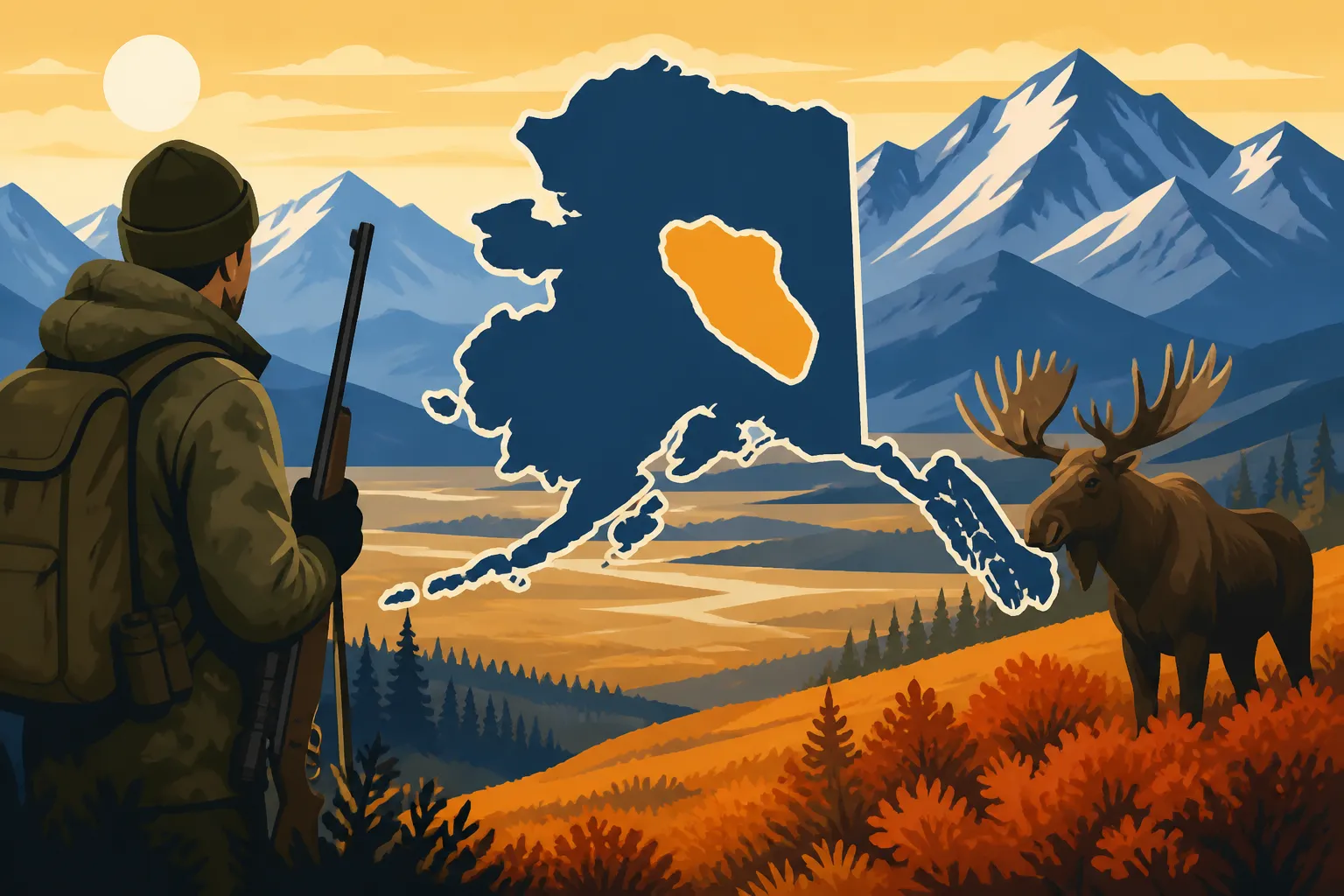
Unit 13, often affectionately referred to as the Nelchina Basin, isn't just a random patch of Alaska—it's a vast, diverse, and incredibly popular hunting area. Before you even think about packing your bags, you need to grasp the sheer scope of this region and what makes it distinct.
General Geography and Landscape
Imagine a massive inland basin, cradled by mountain ranges like the Talkeetna Mountains to the west and the Wrangell Mountains to the east. That’s Unit 13. It stretches across a huge portion of Interior Alaska, defined by broad river valleys, rolling hills, vast expanses of willow and alder, and scattered stands of spruce. This isn't the coastal rainforest of Southeast Alaska or the high, barren peaks of the Brooks Range; it's a mix of open tundra, boreal forest, and alpine country. The elevation varies dramatically, from low-lying river flats to rugged, rocky peaks where Dall sheep roam. The sheer diversity of terrain means that hunting strategies will vary wildly depending on which part of the unit you're in and what species you're pursuing.
Water is a dominant feature, with countless lakes, ponds, and braided rivers carving through the landscape. The mighty Susitna River drainage system originates here, feeding numerous smaller streams and sloughs that provide critical moose habitat. During the spring and summer, the basin comes alive with lush vegetation, a stark contrast to the stark, frozen landscape of winter. This constant cycle of growth and decay, combined with varied topography, creates a mosaic of habitats for some of Alaska's most sought-after big game.
Subunits and Their Unique Characteristics
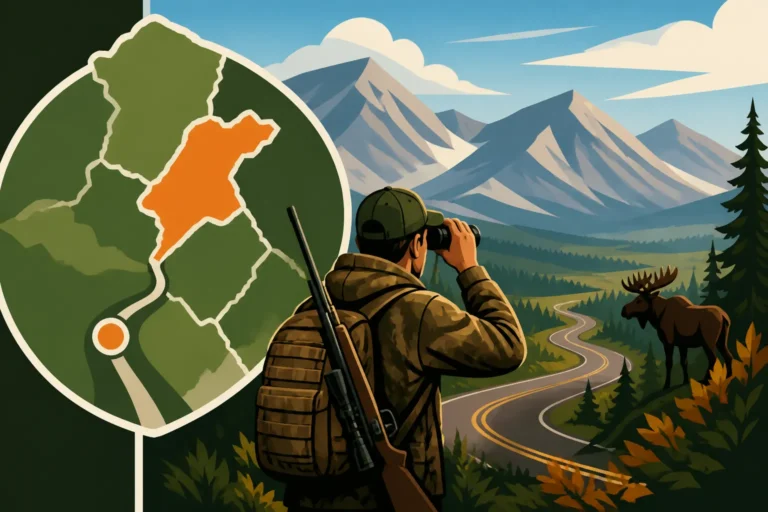
To manage such a huge area effectively, Unit 13 is further divided into six subunits: 13A, 13B, 13C, 13D, 13E, and 13F. Each of these subunits has its own distinct characteristics, often with slightly different regulations, access challenges, and concentrations of specific game. Understanding these differences is crucial, as a moose hunt in 13A might look entirely different from a caribou hunt in 13E. For example, 13A and 13B, easily accessed from the Glenn Highway, see significant hunting pressure and are characterized by a mix of forest and open country. They are popular for moose and caribou, especially during the fall.
Moving further east, subunits like 13C and 13D offer a more remote experience, often requiring aircraft or extensive ATV travel. These areas tend to have higher elevations and more open country, appealing to sheep hunters or those seeking caribou away from the road system crowds. Subunit 13E, bordering the Wrangell-St. Elias National Park, provides some of the most rugged and remote opportunities, particularly for Dall sheep. Finally, 13F often includes parts of the Delta Junction area, blending interior forest with open plains and offering diverse opportunities. Always remember that regulations can be subunit-specific, so what applies in 13A might not apply in 13D, making precise planning essential.
Why Unit 13 Draws Hunters from Far and Wide
Unit 13 isn't just another hunting area; it's practically a pilgrimage site for many Alaskan hunters and those venturing north from the Lower 48. Its reputation is built on a combination of accessible opportunities and the chance to pursue multiple iconic species in some truly breathtaking wilderness.
Unparalleled Road System Access
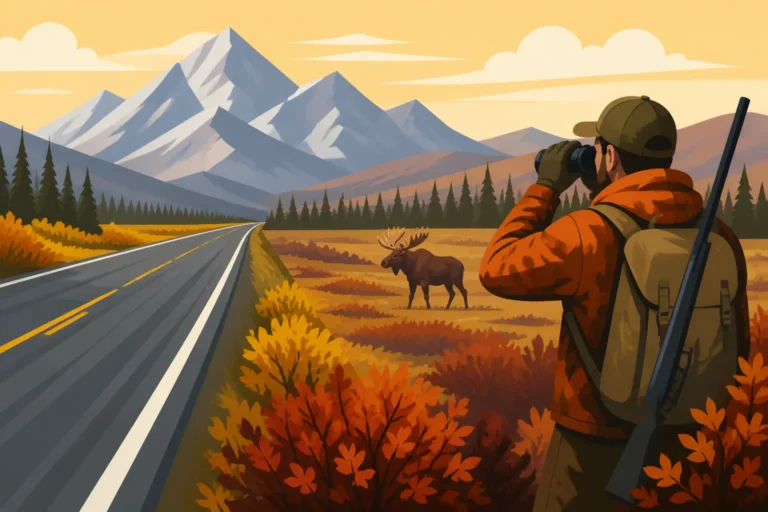
One of Unit 13's biggest draws, particularly for resident hunters and those with their own vehicles, is its extensive road system access. Unlike many remote Alaskan hunting grounds that demand expensive bush plane charters, significant portions of Unit 13 are directly reachable via the Glenn Highway and portions of the Richardson Highway. This accessibility dramatically reduces the cost and logistical headaches of a hunt, making it feasible for more people. You can drive your truck, pull a trailer, and set up a base camp right off the highway, or access numerous trails leading deeper into the backcountry.
This ease of access fosters a unique hunting culture, with many Alaskans making annual trips to the Nelchina. However, it also means these areas can experience considerable pressure, especially during peak seasons. Knowing how to navigate the road system, understanding the nuances of road-adjacent hunting, and having a plan to get away from the crowds are key skills for success here. Services like onX Hunt become invaluable for identifying public access points, private land boundaries, and potential walk-in or ATV trail systems that get you just far enough off the pavement.
Diverse Habitat and Species Richness
The varied landscape of Unit 13 is a biological jackpot. From the dense willow thickets bordering rivers, which provide ideal browse for moose, to the vast open tundra and high alpine slopes where caribou migrate and Dall sheep make their homes, the unit offers a patchwork of ecosystems. This diversity supports robust populations of multiple big game species. It's not uncommon for hunters to have opportunities for moose, caribou, black bear, and even Dall sheep within the same general area, making it a dream destination for those hoping to fill multiple tags.
The Nelchina Basin is essentially a microcosm of Alaskan big game hunting, offering everything from float hunting opportunities on small rivers to challenging alpine backpack hunts. This ecological richness means that if one species isn't cooperating or a particular area is slow, you often have the flexibility to shift your focus to another game animal or a different type of terrain. This adaptability is a significant advantage, especially for nonresident hunters who commit substantial time and resources to their trip.
Historical Harvest Success and Reputation
Unit 13 has a long-standing reputation for producing good harvest numbers for moose and caribou, in particular. While specific quotas and regulations change annually based on herd health and management objectives, the unit consistently ranks among the top destinations for these species. Generations of hunters have made memories here, and the stories of successful hunts in the Nelchina are a cornerstone of Alaskan hunting lore.
This historical success isn't just anecdotal; harvest reports often reflect strong outcomes, especially for those who put in the effort to scout and hunt smart. This legacy attracts new hunters year after year, eager to experience what makes Unit 13 so special. However, a strong reputation doesn't mean easy hunting. It means that the game is there, but consistent success still demands preparation, skill, and an understanding of the local conditions and regulations. Always check the latest Alaska Department of Fish and Game (ADF&G) regulations for current season dates, bag limits, and reporting requirements, as these are subject to change.
Key Species: Moose Hunting in Unit 13
Moose are, without a doubt, one of the biggest draws for hunters coming to Unit 13. The basin's rich willow and aquatic vegetation provide excellent habitat, allowing for healthy populations. However, moose hunting here comes with specific antler restrictions and challenges that every hunter needs to understand.
Antler Restrictions and Legal Animals
Unit 13 is well-known for its restrictive moose hunting regulations designed to protect younger bulls and ensure herd health. Most, if not all, of Unit 13 operates under antler restrictions, meaning you can't just shoot "any bull." Typically, legal bulls are defined by having either a minimum antler spread (e.g., 50 inches wide or wider) or having at least four brow tines on one side. This is where field judging becomes absolutely critical. Misjudging a bull can lead to a citation, a lost trophy, and a hefty fine, which is a mistake no hunter wants to make.
Learning to accurately judge a bull's antler spread or brow tine count in the field, often under pressure and at a distance, is a learned skill. Experienced hunters practice constantly, using optics to estimate size against known objects or even their rifle's length. The specific rules for Alaska Moose Antler Restriction Areas are paramount, and you need to review them every single year. These restrictions mean that while moose are abundant, finding a legal bull can be a significant challenge, requiring patience and a sharp eye.
Optimal Moose Habitat Zones
Moose in Unit 13 tend to favor areas with abundant browse, primarily willow and alder, often found along river bottoms, lake edges, and in old burn areas. These low-lying, wet areas provide both food and cover. As the rut approaches in September, bulls become more active, moving more freely and sometimes venturing into more open areas in search of cows. Early season hunts might focus more on dense cover, while during the rut, calling can be highly effective near openings or along willow-choked creek beds.
Old burns, particularly those that are 5-15 years old, are prime moose country. The regenerating willows and other browse plants provide a superfood diet for moose, leading to impressive antler growth. These areas can be extensive and challenging to navigate, often involving downed timber and thick regrowth, but the rewards can be significant. Understanding moose feeding patterns and bedding areas is key to pinpointing productive hunting zones. A good mapping application like onX Hunt can help you identify these habitat types and overlay them with public land boundaries and access routes.
Calling Tactics and Rut Behavior
Calling is an extremely effective tactic for moose hunting in Unit 13, especially as the rut kicks into high gear, typically from mid-September through early October. Bulls become more responsive to cow calls and even aggressive bull grunts, often covering considerable distances to investigate a potential mate or challenge. Using a moose scapula to rake brush can also be very effective, mimicking a bull thrashing his antlers. Patience is critical when calling; a bull might take 30 minutes or more to respond and approach, so resist the urge to move too quickly.
Understanding the timing of the rut is crucial for maximizing your calling success. While some calling can work in early September, the most intense period usually occurs later in the month. During this time, you might encounter multiple bulls, making field judging even more important. Learning the nuances of Calling Bull Moose During the Alaska Rut can significantly increase your odds. Remember, moose are large, powerful animals, and being aware of wind direction, escape routes, and potential cover is vital for a safe and ethical shot opportunity when a bull responds to your calls.
Key Species: Caribou Hunting in Unit 13
Caribou are another major draw to Unit 13, primarily due to the large Nelchina caribou herd. These animals are famous for their nomadic behavior, making their movements a significant factor in hunting success.
Nelchina Herd Movements and Migration
The Nelchina caribou herd is one of Alaska's largest, and their seasonal migrations through Unit 13 are legendary. However, unlike some other herds, their movements can be somewhat unpredictable, influenced by weather, snow depth, forage availability, and hunting pressure. They typically spend summers in higher alpine country, moving to lower elevations and often across the road system in fall and winter. Predicting exactly when and where they will cross roads or enter accessible areas is a constant challenge for hunters.
ADF&G closely monitors the herd and often provides updates on their general location. Hunters must pay close attention to these reports, as well as local intelligence, to time their hunts effectively. It's not uncommon for hunters to spend days scouting, driving the highways, and glassing vast expanses of tundra, waiting for the herd to appear. Being flexible with your hunting dates and locations can be a huge asset when pursuing these migratory animals. Understanding the dynamics of Caribou Herds of Alaska and How They Move is essential for a successful hunt.
Quota Hunts and Season Closures
Caribou hunting in Unit 13 is often managed through registration or quota hunts. This means the season might close early by emergency order if the quota is met. Unlike general season hunts, these "registration hunts" require hunters to sign up for a permit and closely monitor ADF&G announcements for potential closures. Missing a closure announcement and continuing to hunt can result in a serious violation. This adds a layer of complexity and urgency to Nelchina caribou hunts.
The exact quota and season dates are set annually, so checking the current regulations is paramount. Sometimes, there are specific seasons for bulls versus cows, or different areas might open and close independently. For many hunters, the excitement of chasing caribou in Unit 13 is matched by the stress of keeping up with potential emergency orders. Services that provide real-time updates from ADF&G can be incredibly helpful here.
Road System Versus Backcountry Tactics
Caribou hunting in Unit 13 can be broadly categorized into two main approaches: road system hunting and backcountry hunting. Road system hunting involves driving the highways (Glenn, Richardson, Denali) and glassing for animals that cross into accessible areas. This is popular and can be effective, but it also means encountering more hunters and potentially spookier animals. Hunters often use ATVs or simply walk miles from the road to get away from the immediate road corridor.
Backcountry hunting, on the other hand, involves packing into remote areas, often using ATVs on designated trails, or even flying into spike camps. This allows hunters to target parts of the herd that haven't encountered as much pressure, but it also demands more physical fitness, more gear, and a greater commitment to logistics. Whether you choose to hunt from the road or venture deep into the backcountry, remember that ATV Access Tactics on Alaska's Denali Highway and other trail systems require adherence to specific regulations regarding motorized vehicle use. Both approaches can be successful, but they require different skill sets and levels of preparation.
Other Game Animals in Unit 13
While moose and caribou often steal the spotlight, Unit 13 offers fantastic opportunities for several other big game species, adding variety and challenge to your Alaskan hunting experience.
Dall Sheep Opportunities in the Alpine
For those willing to put in the effort, Unit 13 also holds opportunities for Dall sheep. The rugged, high-alpine terrain of the Talkeetna and Wrangell Mountains, which form the boundaries of the basin, provide ideal habitat for these iconic white rams. Sheep hunting in Unit 13 is not for the faint of heart; it requires extreme physical conditioning, specialized gear, and a strong mental fortitude. These hunts are typically backpack trips, often lasting a week or more, spent glassing vast mountainscapes and making arduous stalks.
Most sheep hunts in Unit 13, like elsewhere in Alaska, are "full-curl" only for rams, meaning the horn must complete a full 360-degree curl, or the ram must be at least eight years old. Field judging a ram can be incredibly difficult, and it's a skill that must be honed through practice and experience. The rewards, however, are immense: a truly magnificent trophy and an unforgettable wilderness experience. For nonresident hunters, Dall sheep require a guide, unless hunting with a second-degree-kindred relative. Dall Sheep in Alaska's Brooks and Alaska Ranges covers the broader challenges of sheep hunting in Alaska, much of which applies to Unit 13.
Black Bear and Grizzly Hunting
Unit 13 is also home to both black bears and interior grizzly bears (which are the same species as coastal brown bears, just geographically distinct). Black bear hunting can be done by spot-and-stalk, particularly in spring as bears emerge from dens and feed on green-up, or by baiting in certain areas during designated seasons. Baiting requires specific permits and adherence to strict regulations, including Alaska Black Bear Bait Station Registration and distance requirements from roads and trails. Black bears in Unit 13 exhibit a range of color phases, from classic black to brown and even cinnamon.
Grizzly bears are also present, especially in the more remote, mountainous areas and river drainages. These hunts are often spot-and-stalk and can be incredibly challenging due to the bears' keen senses and vast home ranges. Grizzly bears in Unit 13 are typically smaller than their coastal brown bear cousins due to a diet without the rich salmon runs, but they are still formidable animals. Like sheep, nonresident hunters pursuing grizzly bears in Unit 13 (or any brown/grizzly bear statewide) require a guide. Bear safety, especially when quartering a kill, is always paramount in Alaska's backcountry.
Mountain Goat and Small Game
While not as prevalent as in some other regions, pockets of mountain goats can be found in the steepest, most rugged parts of Unit 13, particularly in the Wrangell Mountains on the eastern side. Goat hunting is notoriously difficult, requiring extreme fitness and comfort in exposed, dangerous terrain. These are typically draw permit hunts, meaning success requires luck in the lottery, in addition to physical prowess. Learning Telling a Billy From a Nanny at Distance is crucial for ethical and legal goat hunting, as harvest regulations often prioritize avoiding nannies.
Beyond the big game, Unit 13 offers opportunities for various small game and furbearers. Grouse (ruffed, spruce, and willow ptarmigan) can be found throughout the unit, providing excellent camp meat or a break from big game pursuits. Snowshoe hares are cyclical but can be abundant, offering fun hunting with a .22. Trapping for wolves, wolverine, lynx, and fox is also popular during the appropriate seasons, adding another dimension to outdoor pursuits in the basin.
Accessing Unit 13: Roads, Trails, and Aircraft
Getting into and around Unit 13 is a key part of any hunt plan. While the road system offers a distinct advantage, knowing how to leverage it and when to venture beyond it is essential.
Highway Access and Road-Adjacent Hunting
The backbone of Unit 13 access is the Glenn Highway, which cuts through the southern and central parts of the basin, and the Richardson Highway, which skirts its eastern edge. These highways provide thousands of miles of roadside frontage and numerous pullouts, offering direct access to hunting areas. For many resident hunters, the strategy involves driving, stopping, and glassing, looking for game in areas visible from the road or within a reasonable walking distance.
It's critical to understand the specific regulations regarding hunting from or near the road system. There are often "no hunting" buffer zones, and knowing these exact boundaries is vital to avoid violations. Additionally, popular pullouts can get crowded, so developing strategies to get away from the immediate road corridor, even if it's just a mile or two walk, can greatly increase your chances. Using a detailed mapping app is almost a necessity for navigating property boundaries, motorized access restrictions, and identifying prime habitat zones.
ATV Trail Systems and Remote Access
Beyond the pavement, a network of designated ATV trails allows hunters to penetrate deeper into Unit 13's vastness. These trails can be anything from well-maintained gravel paths to muddy, challenging routes that require specialized equipment and driving skills. Utilizing ATVs can significantly expand your hunting range, allowing you to reach areas that see less pressure and potentially hold larger or less wary animals. However, it's absolutely crucial to stick to established trails and respect any motorized vehicle restrictions.
Many of these trail systems are managed by various agencies, and rules can change. Always confirm legal access for ATVs before heading out. Overloading your ATV, riding alone in remote areas, or pushing your machine beyond its capabilities are common mistakes that can lead to breakdowns and dangerous situations. Remember, even with an ATV, you'll likely still be walking a fair bit, so a good pack frame and comfortable boots are still essential for getting your meat out. Riding Out Meat Before Dark becomes a critical consideration when hunting via ATV.
Fly-In Opportunities and Backcountry Drop Camps
For the most remote and untouched hunting experiences in Unit 13, fly-in access is often the answer. Numerous air taxi services operate out of towns like Glennallen, offering drop-off and pickup services to remote lakes, rivers, or gravel airstrips throughout the unit. This allows hunters to reach areas that are otherwise inaccessible, often resulting in lower hunting pressure and the chance for truly wild animals. Fly-in hunts are typically drop camps, where the air taxi literally "drops" you and your gear off for the duration of your hunt, returning to pick you up on a predetermined date.
Planning a fly-in hunt requires meticulous attention to detail. Weight limits on aircraft are strict, so packing efficiently is paramount. Communication with your pilot about pick-up dates and emergency contingencies is also vital, especially given Alaska's unpredictable weather. These hunts are an investment, but they offer the quintessential Alaskan wilderness experience. For nonresidents, working with an air transporter can provide access, but remember that transporters cannot provide guiding services. Understanding the limits of what a transporter can legally do is outlined in Alaska Transporters and What They Legally Provide.
Here's a quick comparison of common access methods:
| Access Method | Pros | Cons | Best Suited For |
|---|---|---|---|
| Highway/Roadside | Affordable, easy logistics, quick trips | High pressure, limited remoteness, buffer zones | Day trips, spotting, quick access to close areas |
| ATV Trails | Deeper access than roads, carry more gear | Trail restrictions, breakdowns, physical effort | Reaching remote camps, hauling meat, multi-day hunts |
| Fly-In | Ultimate remoteness, low pressure, pristine | High cost, strict weight limits, weather delays | True wilderness experience, trophy hunts, extended trips |
Permits, Regulations, and Draw Hunts in Unit 13
Navigating the regulatory landscape of Unit 13 is as important as knowing the terrain. Alaska's hunting regulations can be complex, and Unit 13 has its own specific nuances.
Harvest Tickets and Registration Permits
For species like moose and caribou in Unit 13, you'll primarily be dealing with either a general season harvest ticket or a registration permit. Harvest tickets are essentially a reporting mechanism; you purchase your tag, obtain a harvest ticket (which is usually free), and then report your harvest after the hunt. This applies to general season hunts.
Registration permits, however, are different. These permits are required for specific hunts, often with quotas, and you must "register" for them before you hunt. These permits are how ADF&G manages hunter numbers and ensures quotas aren't exceeded. The critical aspect of registration hunts is that they can close by emergency order on short notice. Hunters are responsible for checking for these closures daily during their hunt. Missing a critical announcement means your hunt could suddenly become illegal. This system for Alaska Registration Hunts That Close on Quota is a cornerstone of managing popular areas like Unit 13.
Draw Permit Hunts for Premium Species
Some of the most sought-after hunts in Unit 13, particularly for species like Dall sheep and occasionally for specific moose or caribou hunts in certain subunits, are managed through a lottery system called a "draw permit." These permits are limited in number, and you must apply well in advance, typically during the November 1st to December 15th application window. The odds of drawing a permit for these premium hunts can be quite low, but the rewards are often exceptional, offering access to less-pressured areas or specific management objectives.
Applying to the Alaska draw requires careful consideration of hunt numbers, species, and your preferred hunting style (guided vs. unguided). There's no preference point system in Alaska, so everyone starts fresh each year. While the draw can be frustrating, for many, it's the only way to pursue certain high-demand species in specific areas. Understanding How Alaska's Big Game Drawing Permits Work is crucial if you aspire to hunt these limited-entry opportunities.
Emergency Orders and Season Adjustments
Alaska's game management is dynamic, and nowhere is this more apparent than with emergency orders. Due to fluctuating animal populations, unpredictable weather, or unexpected harvest rates, ADF&G has the authority to issue emergency orders that change season dates, bag limits, or even close a season entirely, sometimes with very little notice. This is especially common for registration hunts, such as those for Nelchina caribou.
As a hunter in Unit 13, it is your responsibility to stay informed. This means checking the ADF&G website regularly, listening to local radio stations, and talking to local fish and game offices. Failing to do so can result in significant legal trouble. Many experienced hunters make a daily ritual of checking for updates when they are in the field, often through satellite communication devices, or immediately upon returning to cell service. This vigilance is a non-negotiable part of hunting in a managed area like Unit 13.
Planning Your Hunt in Unit 13
A successful hunt in Unit 13, or anywhere in Alaska, doesn't happen by accident. It's the result of meticulous planning, thorough preparation, and a healthy respect for the challenges of the Alaskan wilderness.
Scouting and Research
Long before you ever set foot in Unit 13, your hunt should begin with extensive research and scouting. This means poring over maps—both physical and digital—to understand the topography, identify potential game habitat, and plan your access routes. Utilize resources like ADF&G's hunt specific regulations, harvest reports, and biologist notes. Digital tools like onX Hunt or GoHunt are invaluable for this, allowing you to overlay public land boundaries, identify old burn areas, mark potential camping spots, and visualize terrain in 3D.
If possible, a physical scouting trip can make a huge difference, even if it's just a drive through the road system during the off-season. This allows you to get a feel for the scale of the landscape, identify bottlenecks for game movement, and locate actual access points. Even if you can't be there in person, leveraging satellite imagery and engaging with online hunting forums or local experts can provide critical insights. Understanding where moose prefer Willow Flats Versus Spruce for Bull Moose or where caribou historically cross a road is vital intel.
Essential Gear and Supplies
The Alaskan wilderness demands robust, reliable gear. For Unit 13, where weather can change from warm and sunny to cold and rainy in a matter of hours, quality rain gear is non-negotiable. Layering clothing is essential, and warm insulation, even in September, is a must. A sturdy pack frame capable of handling heavy meat loads is vital, especially if you plan to hunt moose or caribou and pack out quarters. Optics (binoculars, spotting scope, tripod) are also incredibly important for identifying game at long distances and field judging legal animals.
Beyond personal gear, consider your camp setup. A reliable tent, cooking equipment, first-aid kit, and enough food and water for the duration of your trip (plus a few extra days for weather delays) are standard. If you're using an ATV, spare parts, tools, and extra fuel are wise additions. Communication devices like a satellite messenger or InReach are also critical for safety, allowing you to check in with contacts and call for help in an emergency. For fly-in hunts, Backpack Hunting in Alaska: Gear Weight and Meat Loads becomes a mantra.
Physical Conditioning and Safety Protocols
Hunting in Unit 13, particularly for sheep or backcountry caribou and moose, can be physically demanding. Expect to walk many miles, often over uneven terrain, and be prepared to carry heavy loads. Starting a fitness regimen well in advance of your hunt is highly recommended. Incorporate exercises that build stamina, strength, and resilience, especially for your legs and back.
Safety in the field is paramount. This includes carrying bear spray or a firearm for bear defense, knowing how to use it, and understanding bear behavior, particularly around a kill site. Bear Safety While Butchering a Kill in Alaska is not just a good idea, it's essential knowledge. Always let someone know your float plan, check-in schedule, and estimated return, especially if you're hunting solo. Pack sufficient first aid supplies and know how to use them. The vastness of Unit 13 means that help can be hours or even days away, so self-sufficiency and preparedness are key.
Respecting Land Status and Ethical Hunting
Alaska is a mosaic of different land ownerships, and Unit 13 is no exception. Understanding where you are, and whose land you're on, is a fundamental part of ethical and legal hunting.
Public Land Versus Private and Native Corporation Lands
Unit 13 comprises a mix of state, federal, and Alaska Native Corporation lands, along with some private parcels. While vast expanses are public and open to hunting, it's absolutely crucial to know the boundaries. Hunting on private or Native Corporation land without permission is trespassing and can lead to severe penalties. Native corporations often sell access permits for their lands, which can open up additional hunting opportunities, but these must be acquired in advance.
Tools like onX Hunt provide detailed land ownership maps, allowing you to clearly see boundaries in the field. Double-checking land status with ADF&G or local land management agencies before your hunt is always a good idea. Not all land that looks "public" is, and respecting these boundaries is vital for maintaining good relationships between hunters and landowners. A responsible hunter ensures they know exactly where they are at all times.
Ethical Harvest and Meat Care
Ethical hunting extends far beyond just following the regulations. It means striving for a clean, quick kill, and respecting the animal by utilizing as much of it as possible. Alaska has strict wanton waste laws, meaning you are legally required to salvage all edible meat from your kill. For moose, this includes quarters, backstraps, neck meat, and rib meat. Leaving edible meat in the field, even inadvertently, is a serious offense. Alaska Moose Meat Salvage Requirements details these obligations.
Proper meat care in the field is also critical, especially in the often-warm September weather. Rapid cooling of the carcass, getting meat into breathable game bags, and hanging it in a shady, airy spot are all crucial steps to prevent spoilage. If you're a long way from a cooler, getting the meat processed and cooled quickly is paramount. Don't underestimate the effort required to butcher, pack, and transport a large animal like a moose; it's often the hardest part of the hunt.
Leave No Trace Principles
Finally, remember the "Leave No Trace" principles. Pack out everything you pack in, including all trash, spent casings, and any non-biodegradable items. Minimize your impact on the land by camping on durable surfaces, using existing trails, and being mindful of fragile vegetation. Leave your camp cleaner than you found it.
This commitment to responsible outdoor ethics not only preserves the environment for future generations but also ensures that hunting continues to be a respected and valued activity in places like Unit 13. The wilderness of Alaska is a privilege to experience, and it's up to every hunter to protect it.
Disclaimer
This article is for general informational purposes only and does not constitute professional advice. Laws, prices and regulations vary by location and change over time. Consult a qualified professional for guidance on your specific situation.