Calling Bull Moose During the Alaska Rut
There's nothing quite as frustrating as being out in the vast Alaskan wilderness, pouring your heart into a moose call, and getting absolutely no response. Or worse, a bull grunts back once, then vanishes into the dense willows, leaving you wondering what went wrong. It's a common struggle for hunters, and the nuances of calling a bull moose during the Alaska rut can feel like a secret language. This guide is here to demystify those grunts, rakes, and cow calls, helping you connect with those elusive giants when it matters most.
Understanding the Moose Rut in Alaska
The rut, or breeding season, is a pivotal time for moose hunting in Alaska. It's when bulls are most active, most vocal, and, crucially for hunters, most susceptible to calling. But it's not a single, static event; it's a dynamic period with distinct phases, and understanding these can dramatically influence your calling success. Ignoring these nuances is like trying to speak French to someone who only understands German—you might make some noise, but you won't communicate effectively.
Timing the Peak Rut and Pre-Rut
The moose rut in Alaska generally kicks off in late September and can run into early October, but the peak varies by region and even by year. The pre-rut, usually the first two to three weeks of September, is when bulls are starting to feel the urge but aren't fully committed to breeding. They're often still bachelor groups, feeding heavily, and their antlers are fully hardened. During this phase, you might see them sparring lightly, but the intense, territorial challenges are still a bit off. They're curious and sometimes respond to calls, but their primary focus is often still on building up reserves.
As September progresses, the energy shifts. The peak rut, typically around the last week of September into the first week of October in many parts of Alaska, is when the real action begins. This is when cows are coming into estrus, and bulls are actively seeking them out. Their testosterone levels are surging, making them more aggressive, territorial, and incredibly vocal. This is often the prime window for calling, as bulls are eager to challenge rivals or respond to a lone cow. However, hunting too early or too late in the rut can lead to missed opportunities, which is why a keen understanding of local conditions, often gained through pre-season scouting or consulting resources like GoHunt, is invaluable.
Bull Behavior During Different Rut Stages
A bull's behavior throughout the rut is a direct reflection of his physiological state and the availability of receptive cows. In the early pre-rut, a bull might respond to a cow call out of curiosity, or even a challenge, but he's less likely to commit to a long distance travel. He's more interested in consolidating his energy and perhaps scent-checking for early receptive cows. You might see younger bulls sparring, but mature, dominant bulls are often more reserved, sizing up the competition.
During the peak rut, however, a dominant bull is a force to be reckoned with. He's often with a cow or a small harem, jealously guarding them. His grunts become deeper, more guttural, and more frequent. He'll rake trees with his antlers, creating visual and auditory displays of dominance. This is when challenge calls, paired with aggressive raking, can be incredibly effective, mimicking a rival bull encroaching on his territory. Even bulls without cows will be on the prowl, ready to investigate any sound of a receptive cow or a challenging rival. Understanding these shifts helps you tailor your calling approach, moving from a subtle enticement to a full-blown confrontation as the rut progresses. Don't be afraid to sound like a bull if you're targeting a dominant one.
Cow and Calf Behavior During the Rut
While our focus is often on the bulls, understanding cow and calf behavior during the rut is equally important, as it heavily influences bull movement and responsiveness. As the rut approaches, cows become more vocal, emitting distinct estrus calls to attract bulls. These are the sounds you're often trying to mimic with your cow calls. They might wander more, looking for suitable mates, especially if they don't have a dominant bull locked down.
Calves, on the other hand, often stick close to their mothers. Their presence isn't generally a deterrent to a bull seeking a cow, but their alarm calls can certainly spook an approaching bull if they sense danger. When a cow is receptive, she'll often be with a bull, or she'll be actively seeking one, making her more responsive to another cow's calls (which might suggest a bull is nearby). Recognizing signs of a receptive cow – her vocalizations, body language, and willingness to stand her ground or even approach a call – can provide crucial clues about the bulls in the area. Often, a bull will shadow a receptive cow for days before she finally allows him to breed. Understanding the entire family dynamic allows you to position your calls to sound as natural and appealing as possible to the bull you're trying to attract.
The Art of Moose Calling: Sounds and Techniques
Moose calling isn't just about making noise; it's about making the right noise, at the right time, with the right intensity. It's a form of communication that, when done correctly, can draw in a bull from a surprising distance. Many hunters find themselves frustrated when they just blow a grunt tube aimlessly, but there's a real method to the madness.
Mastering the Basic Cow Call
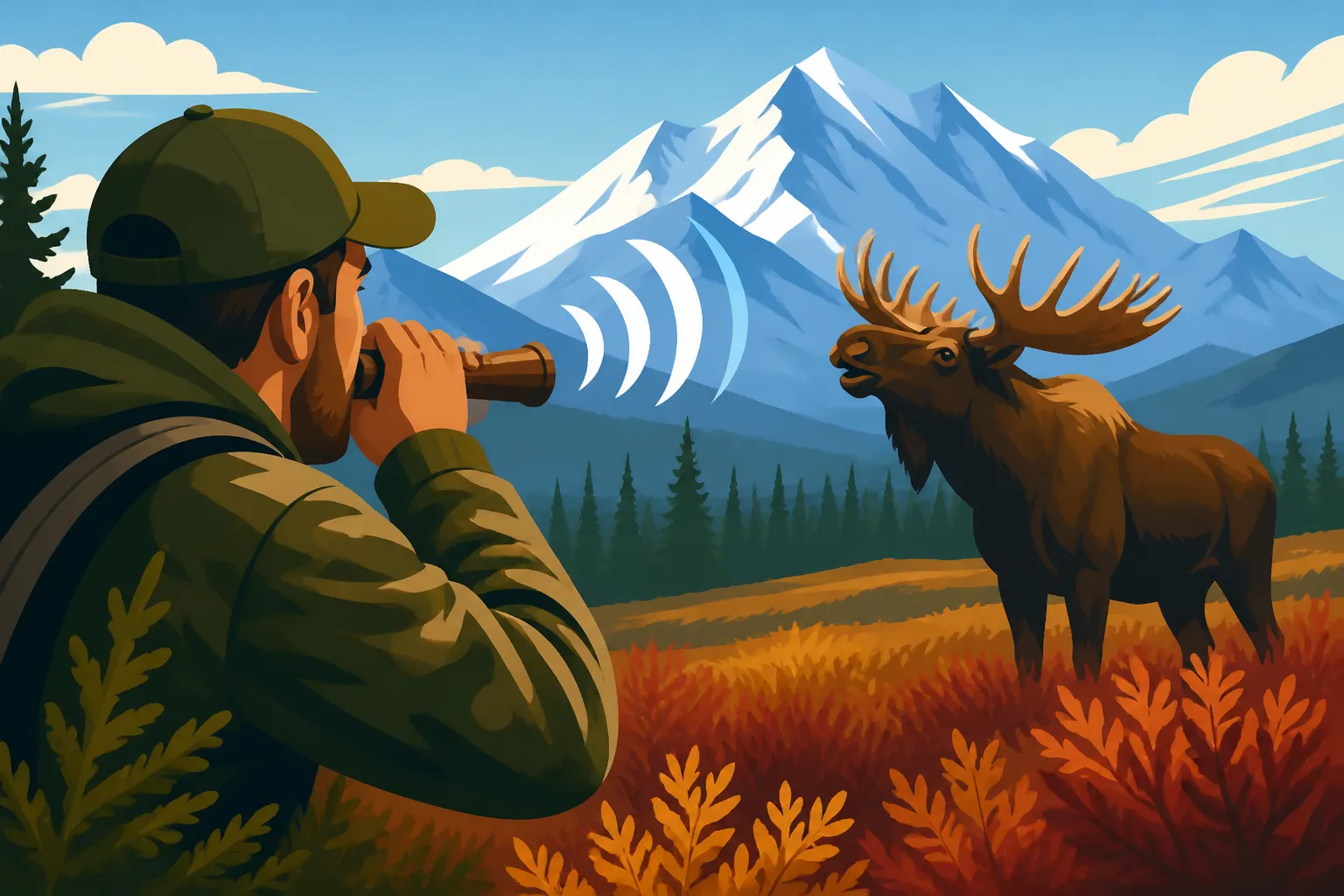
The basic cow call is your bread and butter for moose calling. It's generally a long, drawn-out bawl, rising and falling in pitch, mimicking a cow advertising her presence or seeking a bull. Think of it as a deep, mournful "moo-oooo-AH" sound, but with more resonance. The key is to make it sound authentic – not too shrill, not too weak. You can vary the length and intensity. A shorter, more frequent call might indicate a cow searching, while a longer, more plaintive call could signify a cow in estrus, eagerly awaiting a suitor.
Practice is essential, and many experienced hunters use natural tools like birch bark or even just their cupped hands to amplify and shape the sound. Some commercial calls, like those from companies such as Primos or Hunter's Specialties, are also excellent, allowing for consistent sound. The goal isn't just to make the sound, but to project it, especially in dense Alaskan cover where sound can be quickly absorbed. Remember, consistency and confidence in your call will project an image of a real cow, which is far more enticing than a hesitant, amateurish attempt. For a detailed breakdown, you might want to check out Cow Calls That Pull Bulls Out of Willows.
The Assertive Bull Grunt and Raking Antlers
Once you've got the cow call down, it's time to introduce the bull's voice. A bull grunt is a short, deep, guttural sound – think "URRR-uh" or "AAAWWWW-uh." This call signals a bull's presence and can be used to challenge a rival or to indicate a bull approaching a cow. It's a statement of intent. The intensity and frequency of grunts can vary; a territorial bull might issue a series of deep, aggressive grunts, while a curious bull might offer a softer, more inquisitive sound.
Pairing these grunts with antler raking is where the magic truly happens, especially during the peak rut. Raking involves scraping or thrashing your own antlers (or a paddle, shovel, or even a tree branch) against brush, small trees, or the ground. This mimics a bull advertising his dominance and frustration. The combination of vocal grunts and the crashing, scraping sounds of raking can be incredibly powerful. It paints a full picture for any bull within earshot: there's a rival bull here, and he's either with a cow or looking for trouble. Be sure to really commit to the raking; it shouldn't sound timid. You can learn more about this technique in How to Use a Moose Scapula for Raking. Many successful hunters will alternate between a few cow calls, then a sequence of grunts and rakes, then a period of silence to listen.
Incorporating Vocalizations with Scents and Visuals
To truly complete the illusion, incorporating scents and even visual cues can tip the scales in your favor. Moose have an incredible sense of smell, and during the rut, they're constantly scent-checking for cows in estrus or the presence of rival bulls. Using moose urine or synthetic estrus scents, strategically placed downwind of your calling position, can draw a bull in and hold his attention longer. These scents act as another layer of realism, confirming what your calls are suggesting.
Visually, while you can't typically carry a full moose decoy into the Alaskan backcountry, subtle cues can still help. Raking trees creates a visual disturbance that an approaching bull can see through the brush, reinforcing the sound. Some hunters even bring a small paddle or a piece of shed antler to flash and move slightly, mimicking the movement of a bull's head. The goal is to create a multi-sensory experience that fully convinces the bull he's interacting with other moose, not just a hunter hidden in the foliage. Remember, any small detail that adds to the authenticity of your setup can make the difference between a bull hanging up and one coming right into your shooting lane.
Reading the Bull's Response (or Lack Thereof)
So, you've made your calls, you've raked some brush, and now you're waiting. The silence can be deafening, or a distant grunt can send your heart into overdrive. But what do these responses, or lack thereof, really mean? Interpreting a bull's communication is just as crucial as making your own. It's like a chess game: you make a move, then analyze your opponent's counter.
Interpreting a Distant Grunt or No Response
A single, distant grunt is often a bull's way of acknowledging your presence without fully committing. He's saying, "I hear you, but I'm not running right over." This could mean he's with a cow, he's a satellite bull who's wary, or he's simply too far away to be highly motivated. Your next move should be to respond, perhaps with a series of cow calls to pique his interest, followed by a more assertive grunt and some raking to challenge him. Don't be too aggressive too fast; let him indicate his mood. If he grunts again and sounds a bit closer, you're on the right track.
On the other hand, if you get absolutely no response after several calling sequences, it doesn't necessarily mean there are no moose. It could be that bulls are simply not vocal in that area at that time, perhaps due to heavy hunting pressure, a lull in rut activity, or unfavorable conditions like high winds. It might also mean you're in an area where the population density is low. This is when patience becomes your greatest virtue. Give it time, change up your call sequence, or consider moving to a new location. Sometimes, a silent approach for a few hundred yards and then a new calling sequence can be surprisingly effective. Don't let silence discourage you; it's just another piece of information. Sometimes, no response means you need to rethink your approach, perhaps trying different calls from your repertoire, or consulting tools that track moose activity like those available through GoHunt.
When a Bull Hangs Up: Identifying Hesitation
One of the most maddening scenarios is when a bull responds, comes in close, but then "hangs up"—meaning he stops just out of sight, often in thick cover, and refuses to commit further. He knows you're there, he's curious or challenged, but something is holding him back. This hesitation is a critical moment. He might be circling downwind to catch your scent, looking for the visual confirmation of a cow or rival bull, or simply assessing the situation from a safe distance.
When a bull hangs up, avoid calling aggressively. Instead, scale back. Try softer, more inquisitive cow calls, perhaps mimicking a cow that's moving away from him, which can sometimes trigger his natural instinct to pursue. A subtle, light raking of brush might also draw his attention without being overly confrontational. Often, he just needs a moment to feel safe or to get a better visual. If he's circling downwind, you might need to try and intercept him or reposition yourself. Patience here is paramount. Don't blow your cover with sudden movements or loud calls that might confirm his suspicions. This is a game of psychological warfare, and often, the bull just needs a bit more time and a less threatening invitation. Understanding when Bulls Stop Answering Calls in September can help identify if the rut timing is influencing this behavior.
Approaching an Incoming Bull Safely and Effectively
When a bull is truly committed and coming in, your actions in those final moments are crucial. First and foremost, ensure you have a safe shooting lane and a clear backdrop, especially in dense Alaskan brush. As the bull gets closer, reduce your calling to subtle, soft grunts or cow calls. You don't want to spook him by being overly vocal when he's nearly on top of you. It's often best to let the bull think he's doing the approaching and "discovering" you.
Always be aware of the wind. A bull's primary defense is his nose, and if he catches your scent, the game is over. Position yourself so the wind is in your favor. Maintain absolute stillness as he approaches, blending into your surroundings. If you're hunting with a partner, one can call while the other prepares for the shot, creating a distraction. As he comes into view, take a moment to confirm he's a legal bull according to Alaska antler regulations. Then, when he offers a clear, ethical shot, take it. Remember, safety always comes first, especially in bear country where a gut-shot moose can attract unwanted attention.
Calling Strategies for Different Rut Stages and Terrain
Just like you wouldn't wear summer clothes in winter, you shouldn't use the same calling strategy throughout the entire rut or in every type of terrain. Adapting your approach based on the specific phase of the rut and the landscape you're hunting in is crucial for consistent success. Alaska's varied terrain, from dense willow thickets to open tundra, demands flexibility.
Early Rut Aggressive Calling in Thick Cover
In the early stages of the rut, especially when hunting in thick, dense cover like alder or willow flats, aggressive calling can sometimes be surprisingly effective. Bulls might not be as tightly paired with cows yet, making them more prone to investigating perceived rivals or newly vocal cows. The thick cover limits visibility, so you need to rely heavily on sound to draw attention. This is a perfect scenario for making a lot of noise.
Start with a loud, drawn-out cow call, followed by a series of aggressive bull grunts and enthusiastic raking of brush. Really tear into those willows or small spruce trees. The idea is to create an auditory spectacle, making it sound like a full-blown argument or a hot cow surrounded by a pushy bull. Because visibility is low, bulls can't easily pinpoint your exact location or see visual discrepancies, so they're more likely to commit to the sound. Just remember to have your shooting lanes prepped and be ready for a bull to appear silently and quickly out of the brush. Don't be afraid to sound a little desperate; a cow in estrus can be quite vocal and insistent.
Mid-Rut Calling for Dominant Bulls
The mid-rut is often the sweet spot for many moose hunters, as dominant bulls are at their most active and aggressive. During this phase, many bulls will already have cows, or even a small harem. When you're targeting these dominant bulls, your strategy needs to shift from attracting a lonely bull to challenging a possessive one. Your calls should convey confidence and a direct challenge to his authority.
Lead with a series of deep, guttural bull grunts. Follow this with vigorous raking of trees, really making it sound like a large bull is asserting his presence. Interject with some cow calls, but make them sound like a receptive cow within the "territory" of this perceived rival. The dominant bull will likely interpret this as another bull trying to steal his cow or poach on his breeding grounds. He might respond with his own grunts, often moving closer to investigate or run off the intruder. Patience is key here; a dominant bull might take his time approaching, sizing up the situation before revealing himself. A good strategy is to set up near known moose trails or in areas like Willow Flats Versus Spruce for Bull Moose where they are known to congregate.
Late Rut Strategies for Pressured or Satellite Bulls
As the rut winds down, often into early October, strategies need another adjustment. Many cows have been bred, and the most dominant bulls might be exhausted or less responsive. Hunting pressure can also make bulls more wary. This is when you might focus on satellite bulls—younger, less dominant males who are still looking for any opportunity to breed. These bulls are often more cautious and less likely to charge into an aggressive challenge.
For late-rut or pressured bulls, a softer, more subtle approach is usually best. Focus heavily on plaintive, drawn-out cow calls. Make them sound lonely and searching, perhaps a cow that missed the main breeding window. Keep your bull grunts minimal and soft, more inquisitive than challenging. Avoid heavy raking, which can be too aggressive for a wary bull. Think about moving to new areas, especially those less accessible or pressured, where a satellite bull might feel safer. Sometimes, a quiet still-hunt, stopping every 100 yards to make a few soft calls, can coax a response from a bull who wouldn't respond to more aggressive tactics. It's about playing on their lingering breeding instincts without triggering their flight response.
Common Calling Mistakes and How to Avoid Them
Even seasoned hunters can fall into common traps when calling moose. It’s easy to get excited, impatient, or simply misunderstand the dynamics of the rut. Identifying and correcting these errors can turn a frustrating hunt into a successful one.
Overcalling and Undercalling
One of the most frequent mistakes is either calling too much or not enough. Overcalling, especially with aggressive grunts, can quickly make a bull suspicious. If you sound like a bull that's constantly grunting and thrashing, but he never sees you or any cows, he might peg you as a fake. He'll either hang up indefinitely or simply lose interest and vanish. It also doesn't give the bull enough time to process your calls and make a decision to move in.
On the flip side, undercalling can be equally detrimental. In the vastness of Alaska, especially in thick timber or over long distances, your calls might simply not be heard. Or, if you call once and then go silent for too long, a bull might simply lose interest or move on, thinking the "moose" he heard has left the area. The trick is to find a balance. A good rule of thumb is to call in sequences (e.g., 2-3 cow calls, 1-2 grunts, some raking), then wait patiently for 10-15 minutes, listening intently, before repeating or adjusting. Think of it as a conversation, with natural pauses and responses. Experiment with the duration of your silence based on how bulls are reacting in your area. This also allows the Grunt Tube Distance a Bull Will Cover to be maximized.
Ignoring Wind and Thermals
Ignoring the wind direction and thermals is perhaps the most critical mistake any hunter can make, especially when calling moose. A moose's sense of smell is incredibly keen, and they will almost always try to circle downwind to catch a whiff of whatever is making noise before they fully commit. If you don't account for this, the bull will inevitably smell you, get spooked, and disappear. It's a game-ender, plain and simple.
Always set up with the wind in your face or quartering into your face. This means your scent is blowing away from where you expect the bull to approach. In mountainous or hilly terrain, thermals also play a significant role. In the mornings, air often flows downhill, and in the evenings, it flows uphill. Understand these shifts and position yourself accordingly. It might mean adjusting your calling location throughout the day. It's often better to make a more challenging stalk to get into a favorable wind position than to call from a poor one. Always prioritize scent control and wind direction over everything else.
Impatience and Moving Too Soon
Moose hunting demands patience, perhaps more than any other big game. These animals are massive, but they are also incredibly cautious, especially mature bulls. A common mistake is to get impatient after a calling sequence or a distant response and decide to move. This can spoil a setup, as a bull might have been slowly approaching, taking his time, and your movement gives away your position or spooks him.
A bull responding with a grunt a quarter-mile away might take 30-45 minutes or even longer to close that distance, especially if he's circling or moving through dense cover. Give every calling sequence ample time to work. Sit still, listen for subtle sounds like breaking twigs, rustling leaves, or faint grunts. If you hear a bull closing in, freeze. Only move if you're certain he's hung up and won't commit further, or if you need to reposition due to wind. Many a trophy bull has been missed because the hunter decided to "just check a little further" only to bump the animal they were trying to call in. Trust your setup, trust your calls, and embrace the waiting game. While waiting, ensure you've done your due diligence in Field Judging a Legal Bull Under Alaska Antler Rules so you're ready when he finally appears.
| Call Type | Primary Purpose | Best Rut Stage | Notes |
|---|---|---|---|
| Cow Call | Attracting bulls, indicating receptive cow | Pre-rut to Late | Varies in length and intensity. Can be soft and inquisitive or loud and demanding. Good for getting attention. |
| Bull Grunt | Asserting presence, challenging rivals | Mid-rut to Late | Deep, guttural sound. Intensity indicates aggression. Can be used to draw out rivals or confirm presence to a cow. |
| Antler Raking | Visual and auditory display of dominance | Mid-rut to Late | Mimics bulls sparring or thrashing brush. Extremely effective when paired with grunts to challenge dominant bulls. |
| Calf Call | Rarely used for bulls, but indicates family | Generally Avoid | Can sometimes pique curiosity but usually not effective for attracting rutting bulls directly. Best to focus on cow and bull vocalizations. |
| Estrus Whine/Bawl | Signifies a highly receptive cow | Peak Rut | A more urgent, drawn-out version of the cow call. Can be very effective on lonely or cruising bulls during the peak. |
Disclaimer
Hunting in Alaska involves inherent risks, including extreme weather, dangerous terrain, and encounters with large wildlife such as brown and black bears. The information provided in this guide is for educational purposes only and should not replace proper safety precautions, professional training, or adherence to all Alaska Department of Fish and Game regulations. Always hunt responsibly, ethically, and prioritize safety above all else. Ensure you have proper gear, emergency communication, and a clear understanding of the area you are hunting.