When Bulls Stop Answering Calls in September
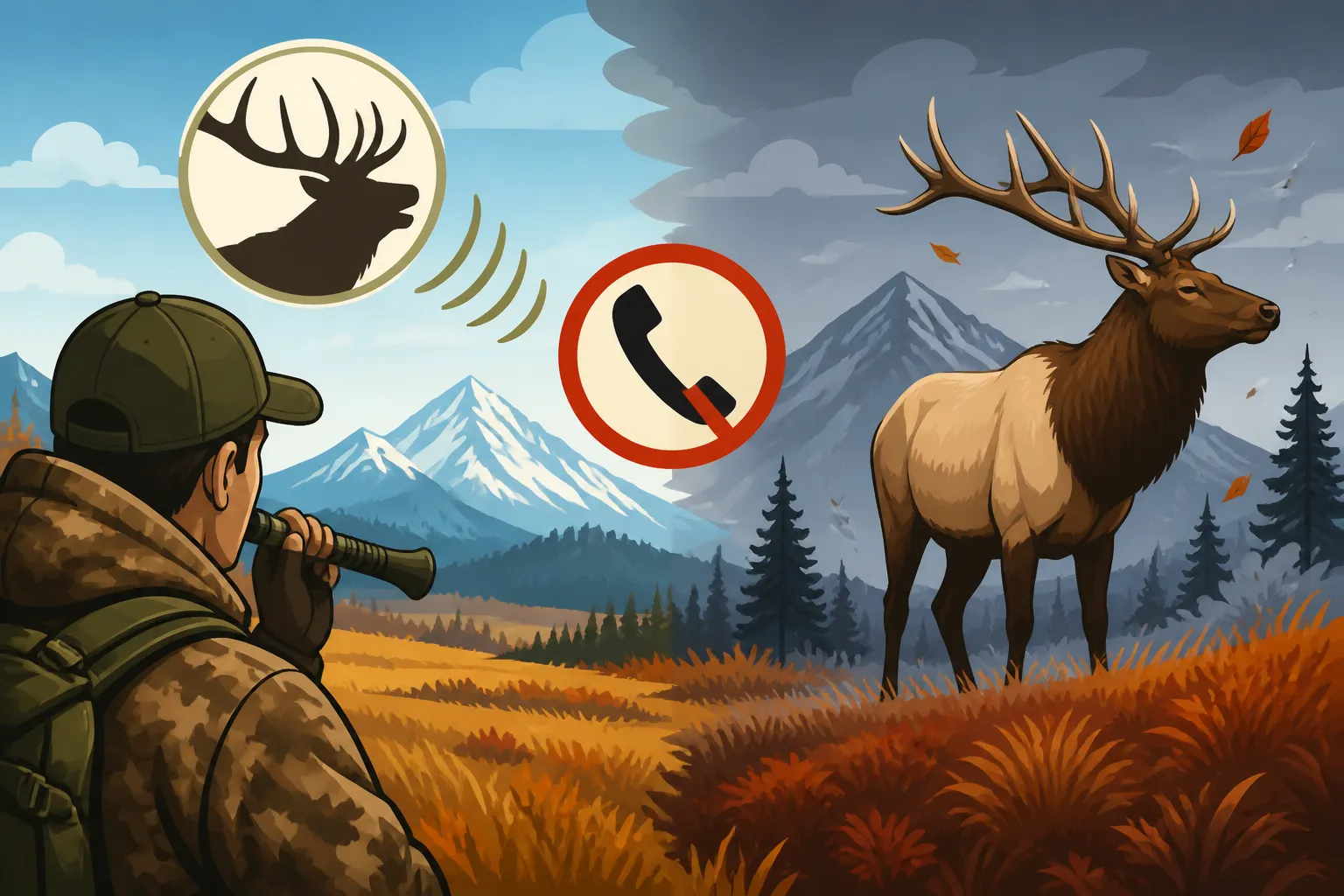
Few things are as frustrating for an Alaska moose hunter as having a bull scream back at your calls one day, only to go completely silent the next. You've done everything right, perfected your Best Moose Call Sequence for the Early Rut, and then…radio silence. It's enough to make you question every decision, every grunt, every raking sound you've made. This guide dives deep into why bull moose stop answering calls in September, exploring the biological shifts and environmental factors at play, and crucially, what you can do to adapt your strategy and still find success when the woods go quiet.
The Shifting Phases of the Alaska Moose Rut
Understanding when and why bull moose stop answering your calls in September hinges entirely on recognizing the dynamic stages of the rut itself. It's not a static event; rather, it’s a progression, a biological unfolding that dictates a bull's priorities and, consequently, his responsiveness to your efforts. Many hunters, especially those new to Alaska or chasing moose in new units, often assume the rut is a singular, intense period, but the reality is far more nuanced.
Think of it like a play with distinct acts. A bull moose in early September is a very different animal than one in late September, both physically and psychologically. His hormone levels are fluctuating, his energy reserves are being depleted, and his interactions with cows and other bulls are constantly evolving. Missing these subtle cues can lead to frustration and missed opportunities, especially when he suddenly "shuts off" to your expertly crafted challenges.
For those planning their hunts, it's critical to research the typical rut timing for your specific Game Management Unit (GMU), as it can vary slightly depending on latitude and local conditions. Resources like GoHunt can provide valuable data and insights into historical success rates and peak activity periods, helping you anticipate these shifts before you even step foot in the bush. This proactive approach can save you a lot of head-scratching once you're out there.
The Early September Build-Up and "Seeking" Behavior
At the very beginning of September, as the leaves start to turn and the first crisp nights settle in, bull moose are entering their pre-rut phase. During this time, testosterone levels are on the rise, and bulls are starting to feel the primal urge to breed, but they haven't committed to a specific cow or territory yet. They are in a "seeking" mode, actively looking for receptive cows and establishing dominance hierarchies.
This is often a fantastic time for aggressive calling. Bulls are curious, relatively fresh, and eager to assert their presence. They haven't been harassed by hunters for weeks, nor have they engaged in grueling fights. A well-placed How to Use a Moose Scapula for Raking or a bold grunt can often pull a bull right into your lap because he's actively searching for competition or potential mates. They're trying to figure out who's in their area and if there's an opportunity.
However, even in this early phase, a bull's response might be more about investigation than a full-on charge. He might come in cautiously, skirt the edges of the timber, or circle downwind before committing. His objective is to locate and size up, not necessarily to fight or immediately breed. If you don't close the distance effectively or if he gets a whiff of you, he might just fade away without much fanfare, leading you to believe he "stopped answering" when he simply decided the risk wasn't worth the reward.
Peak Rut Intensity and Vocalization
The true peak of the moose rut in most of Alaska usually falls around the second and third weeks of September, though this can vary. This is when the majority of cows are in estrus, and bulls are at their most active and vocal. During this intense period, a bull's singular focus is on breeding. He might have gathered a small harem of cows, or he could be aggressively challenging other bulls for access to prime breeding grounds.
During peak rut, bulls are often incredibly responsive. Aggressive cow calls, deep grunts, and heavy raking sounds can drive them wild. They're less cautious, more driven by instinct, and often willing to cover significant distances to confront a perceived rival or find a hot cow. This is the time when you hear those thunderous responses and witness the most dramatic charges. Hunters who strategically position themselves along traditional travel corridors or near known cow feeding areas often find success during this period.
But even at the peak, not every bull will answer every call. A bull already with a receptive cow might be less inclined to leave her, especially if he's been working hard to keep other bulls away. He might only offer a soft grunt in return, or he might just ignore you if he's actively breeding. The key is to understand that his priorities are entirely focused on procreation, and if your call doesn't align with that immediate goal, he might just decide it's not worth his precious energy.
The Post-Peak Drop-Off and Exhaustion
This is typically when bulls stop answering calls most dramatically and consistently in September. As the calendar rolls into the last week of September and early October, the intensity of the rut begins to wane. Most cows have been bred, and the physiological toll on the bulls is immense. They've been fighting, chasing, breeding, and barely eating for weeks, burning through massive amounts of energy. Their once impressive racks, which served as weapons and displays of dominance, are now just heavy burdens.
At this point, testosterone levels start to decline, and the drive to breed diminishes significantly. Bulls become less interested in fighting and more concerned with survival and replenishing their depleted fat reserves. They will often seek out thick cover in willow flats or timbered areas to rest and feed heavily, trying to recover before the onset of winter. This is when your enthusiastic challenges will often be met with silence, or perhaps a single, half-hearted grunt if you're lucky.
Trying to call a bull out of this post-peak exhaustion phase is akin to trying to wake a teenager for school after an all-night gaming session – you might get a groan, but don't expect them to jump up and run a marathon. They've simply "turned off" that aggressive, responsive switch. Their bodies are screaming for calories and rest, not another confrontation. It's a natural, unavoidable part of their annual cycle, and it's why understanding these phases is so crucial.
Environmental Factors That Silence a Bull
Beyond the internal biological clock of the moose, external environmental factors play a massive role in whether a bull will answer your calls. It's not always just about his rutting phase; sometimes, the world around him dictates his behavior, making him less vocal or less willing to move. Ignoring these variables can lead to frustration, even when you're calling a prime, rutting bull.
Think about it from the bull's perspective. He's a massive animal, constantly exposed to the elements and potential threats. Every decision he makes, from where he feeds to whether he responds to a challenge, is weighed against his immediate safety and energy expenditure. A keen hunter pays attention to these external cues, adjusting their strategy accordingly rather than just blindly sticking to a pre-planned calling sequence.
These factors are especially important when hunting in areas with varied terrain or unpredictable weather, which, let's be honest, is most of Alaska. Planning your approach around expected conditions, and having backup strategies, is paramount to success. This is where detailed scouting and real-time observation become just as important as your calling skills.
Weather's Impact: Too Warm, Too Wet, Too Windy
Weather is arguably one of the biggest external factors influencing moose behavior. A hot, sunny day in September can effectively shut down calling activity. Moose, with their huge body mass and thick coats, overheat easily. They'll seek shade and cover, becoming lethargic and less inclined to move or vocalize. If you're busting your lungs calling on a 60-degree afternoon, you're likely just wasting energy.
Conversely, heavy rain or strong winds can also dampen calling success. While moose are used to wet weather, torrential downpours can make them hunker down. Strong winds, on the other hand, make it difficult for bulls to hear your calls and for you to hear their responses. Even worse, winds make it incredibly hard to control your scent, meaning a bull might smell you long before you ever get a visual, especially if he's circling downwind. This is crucial for successful Calling Bull Moose During the Alaska Rut.
The ideal weather for calling moose is often cool, overcast, and calm. These conditions allow moose to move comfortably without overheating and permit sound to carry well. If the weather is working against you, it might be time to switch tactics, perhaps focusing on still hunting dense cover or transitioning to glassing large openings, letting your optics do the work rather than your voice.
Hunting Pressure and Educated Bulls
Alaska might be vast, but good moose hunting spots, especially those with relatively easy access, can see significant hunting pressure. A bull that has been called to repeatedly, or worse, shot at after responding to a call, quickly becomes "educated." He learns that those enticing cow moans or challenging grunts can mean danger.
An educated bull won't necessarily stop calling entirely, but he'll become incredibly cagey. He might skirt wide around you, come in silently, or stop just out of sight, trying to figure out if what he's hearing is genuine. This is a common frustration, as you might know a big bull is in the area, but he simply won't commit to your calls. He’s heard it all before, and his survival instincts kick in.
If you suspect you're in an area with high pressure, or if a bull has responded tentatively once and then shut down, you might need to change your approach. Less aggressive, softer Cow Calls That Pull Bulls Out of Willows might be more effective, mimicking a single cow rather than a whole herd or a challenging bull. Sometimes, giving the area a rest for a day or two and returning with a completely different setup can work wonders. Using resources like GoHunt to analyze pressure in various units can help you anticipate this challenge.
Food and Cover Availability
A moose's immediate needs for food and cover can often override his desire to respond to calls, especially as the rut winds down and winter approaches. If a bull finds an area rich in high-quality forage, or a dense thicket that offers superior protection from predators and weather, he might simply choose to stay put and focus on eating or resting rather than engaging with a distant call.
Picture a bull in a productive willow flat or a recent burn that's regrowing with tender young shoots. He knows he needs to pack on pounds before the deep snows arrive, and if he’s already exhausted from the rut, he's unlikely to abandon a prime feeding spot for a potential breeding opportunity that may or may not materialize. This is particularly true in the post-peak rut phase.
Therefore, when calling isn't working, consider the landscape. Are you in a logical feeding area, or are you just calling into barren ground? Bulls often "stage" in dense cover near feeding areas before venturing out. If they're not responding to calls, try to get into those prime feeding and bedding zones. This could mean still hunting slowly through thick timber or moving to a vantage point for Glassing the Alaska Range: Finding Game Before You Move, allowing you to visually locate bulls that won't answer a call.
Strategies When the Calls Go Cold
So, what do you do when the woods are silent and those big bulls seem to have vanished? It's easy to get discouraged, but a successful Alaska hunter knows that adaptability is key. When calling isn't producing results, it's not a signal to give up; it's a signal to change your game plan. There are plenty of other effective tactics for locating and harvesting moose, even when they're not in a vocal mood.
The most important thing is not to be a one-trick pony. Relying solely on calling can be a recipe for disappointment, especially in the variable conditions of an Alaskan September hunt. Having a diverse toolkit of strategies allows you to remain dynamic and respond to the moose's behavior, rather than trying to force the moose to respond to yours.
This might mean embracing the physical challenge of still hunting or the patience required for glassing. It means trusting your instincts and the knowledge you've gained about moose habits beyond just their rutting vocalizations. And remember, every silent bull is a lesson learned, helping you refine your approach for the next time.
Adapting Your Calling Approach
First, don't abandon calling entirely, but definitely adjust your approach. If aggressive calling isn't working, dial it back. Instead of loud, demanding grunts, try softer, more inquisitive cow calls. Mimic a cow that's just looking for company, or perhaps a submissive bull. This can sometimes pique the interest of a bull that's become call-shy or is in the early stages of recovery post-rut.
Consider the "less is more" philosophy. Instead of continuous calling, try longer periods of silence between your sequences. A bull might be listening intently but hesitant to give away his position. If he hears calls sporadically, he might feel more comfortable responding. Also, ensure you’re moving every hour or so, even if just 100-200 yards, to cover new ground and present your calls from a slightly different angle. This is where knowing the effective Grunt Tube Distance a Bull Will Cover becomes important, ensuring you're not calling to the same stale air.
Finally, think about where you're calling. Are you in thick timber where sound won't carry far? Move to a more open area, like a ridge overlooking a willow flat, or a clearing within the timber. And always, always be mindful of the wind. A bull will almost always try to circle downwind to scent-check whatever is making noise, so position yourself to anticipate this, preferably with some cover to break up your silhouette.
Shifting to Still Hunting or Spot-and-Stalk
When calling simply isn't paying dividends, it's time to put your boots on the ground and transition to a still hunting or spot-and-stalk strategy. This means moving slowly, deliberately, and quietly through moose habitat, using your eyes and ears rather than your voice. Moose are masters of camouflage, especially in thick cover, so you'll need to develop an eagle eye for discerning a moose's form from the tangled brush.
Focus your efforts on areas where moose are likely to feed or bed during the time of day. In the early morning and late evening, they'll often be out feeding in open willows, burn scars, or along river bottoms. During midday, especially if it's warm, they'll likely be bedded down in dense cover, such as spruce timber or thick alders, often near water sources. This is where a detailed map of your hunt area or knowledge from a resource like GoHunt can really help pinpoint likely spots.
When still hunting, take only a few steps, then pause, scan the area meticulously, and listen. Look for horizontal lines (a moose's back) in a vertical world, the flick of an ear, or the dark patch of a body against lighter foliage. Pay attention to fresh tracks, broken branches, or recently browsed willows – these are all indicators that a moose is or has been in the immediate vicinity. For those doing a Float Hunting Alaska Rivers for Moose and Caribou, scanning riverbanks from your raft offers an excellent vantage for spot-and-stalk opportunities.
Patience and Persistence
Ultimately, hunting moose in Alaska, especially when they're not vocal, demands an immense amount of patience and persistence. There will be days, or even entire stretches of a hunt, where it feels like every bull has simply vanished. It's during these times that many hunters give up or get sloppy, and that's precisely when the most dedicated hunters find success.
Don't let the silence break your spirit. Stick to your plan, whether it's still hunting, glassing, or waiting out a weather system that's suppressing activity. Moose are creatures of habit, and understanding their typical patterns – where they feed, where they bed, their travel corridors – will eventually pay off. Sometimes, all it takes is one small shift in the weather or a bull finally deciding to move to a new area, and your luck can change.
This persistence extends to all aspects of your hunt, from carrying a heavy pack on a Backpack Hunting in Alaska: Gear Weight and Meat Loads to ensuring you've got reliable Signal Devices and Check-In Plans for Solo Alaska Hunts. It's about maintaining a positive attitude and believing that if you put in the time and effort, an opportunity will eventually present itself. And when that bull finally steps out, you'll be ready.
| Rut Phase | Typical Bull Behavior | Calling Strategy | Alternative Strategy When Silent |
|---|---|---|---|
| Early September (Pre-Rut/Seeking) | Actively seeking cows, establishing dominance, relatively fresh. Curious and responsive. | Aggressive grunts, cow calls, light raking. Focus on drawing them in for a look. | Still hunt traditional travel corridors and feeding areas; subtle calling. |
| Mid-September (Peak Rut) | Highly focused on breeding, guarding cows, challenging rivals. Very vocal and responsive. | Aggressive cow calls, deep grunts, heavy raking. High-intensity vocalizations. | Maintain vigilance; bulls may respond subtly or try to circle downwind silently. |
| Late September (Post-Peak/Exhaustion) | Waning breeding drive, physically exhausted, seeking rest and food. Less vocal, wary. | Soft, inquisitive cow calls; very light grunts. Avoid aggressive challenges. | Still hunt dense cover, feeding areas; extensive glassing from vantage points. |
| Adverse Weather (Warm, Wet, Windy) | Seeking shade/cover (warm), hunkering down (heavy rain), difficult to hear/scent (wind). | Minimal calling; focus on short, sharp calls in calm lulls. | Focus on still hunting dense cover or glassing from protected positions. |
| High Hunting Pressure | Call-shy, cautious, may circle wide or come in silently. | Softer, less frequent, more naturalistic calls; avoid repetitive sequences. | Extensive glassing, long-range spot-and-stalk, patience in well-known bedding areas. |
Disclaimer
Hunting in Alaska involves inherent risks, including but not limited to adverse weather, dangerous wildlife, and remote terrain. The information provided in this guide is for informational purposes only and should not replace proper planning, safety precautions, or consultation with experienced professionals and the Alaska Department of Fish and Game regulations. Always prioritize safety, respect wildlife, and adhere to all local, state, and federal laws.