Grunt Tube Distance a Bull Will Cover
There's nothing quite like the heart-stopping moment when a bull moose finally responds to your grunt tube. But then the agonizing question hits: how far will he actually come to that call? Many Alaska hunters, especially those new to moose calling, often find themselves frustrated, wondering if their efforts are in vain. It’s easy to think a bull heard you but ignored you, when in reality, you might just be misjudging the distance they're willing to cover. This guide will explore the intricate factors that dictate how far an Alaska bull moose will travel in response to your calls, offering actionable insights to help you close the distance.
Understanding the Intricate Language of Moose Vocalizations
Before we can even talk about how far a bull will travel, we need to understand why he travels at all. Moose communicate in a surprisingly complex manner, especially during the rut. Your grunt tube isn't just making noise; it's mimicking a language, and the bull's interpretation of that language, combined with his current mood and circumstances, dictates his actions.
The Different Voices of a Bull Moose
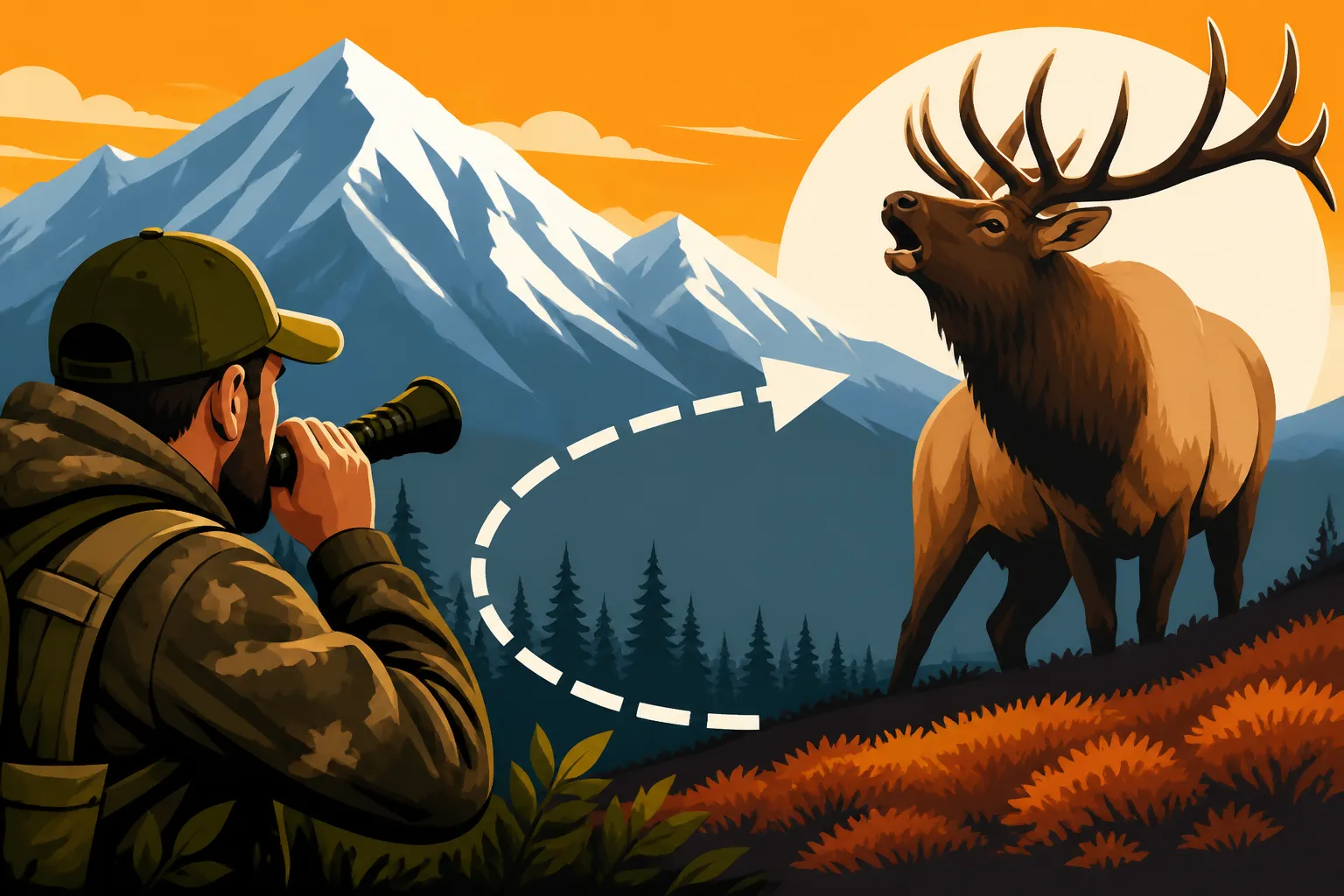
A bull moose's vocalizations are varied and tell a story to other moose in the area. When you're using a grunt tube, you're primarily aiming to mimic a bull's assertive grunts or a cow's estrous moans.
- Bull Grunts: These can range from low, guttural grunts to louder, more excited grunts. A bull will grunt to establish dominance, signal his presence to cows, or challenge other bulls. A deep, resonant grunt from a grunt tube often signals a larger, more dominant bull to an approaching male, or an interested suitor to a receptive cow. When a bull hears another bull grunting, especially a deep, powerful grunt, it can trigger a challenge response. He might move in quickly to assert dominance, or cautiously if he perceives the grunting bull as potentially larger or more aggressive.
- Raking: While not a vocalization, the sound of antlers raking against brush and small trees is a crucial part of a bull's communication. It visually and audibly signals his presence and strength. Many hunters combine grunt tube calls with raking a moose scapula or a sturdy stick against brush to create a more convincing scenario. This sound often indicates a bull is actively working a rub, venting aggression, or showing off his rack, which can entice other bulls to investigate or cows to approach. Combining the sound of "How to Use a Moose Scapula for Raking" with a grunt tube can create a highly compelling impression of a dominant bull actively scent-marking and calling.
- Cow Moans: These long, drawn-out sounds are the primary way a cow signals her readiness to breed. These are incredibly effective at drawing in bulls, especially during the peak of the rut. A bull hears a cow moan, and his instinct is to find her and breed. The urgency and length of the moan can indicate how receptive the cow is, further influencing the bull's response. "Cow Calls That Pull Bulls Out of Willows" are often irresistible to bulls intent on finding a mate.
Why Bulls Respond to Your Calls
A bull's decision to cover ground in response to a call is rooted in three primary motivations: breeding, dominance, and curiosity.
- Breeding Urge: This is, by far, the strongest motivator during the rut. When a bull hears a convincing cow moan, especially during the peak breeding window, he is driven by an overwhelming biological imperative to find that cow. He's looking for a mate, and he's often willing to cover significant distances through dense terrain to get to what he perceives as a receptive female. This is why targeting the right time in the rut is so critical for success when using a grunt tube. Understanding "Calling Bull Moose During the Alaska Rut" and the phases within it can significantly impact how aggressively a bull responds.
- Territoriality and Dominance: Bulls are highly territorial during the rut, especially dominant bulls. A challenge grunt from another bull, or the sound of raking, can trigger a defensive or aggressive response. He might come in to investigate the intruder, to chase him off, or to size him up. Smaller, less dominant bulls might be more cautious, hanging up at a distance, while a truly dominant bull might charge in, ready to fight. This isn't just about fighting, sometimes it's about pure intimidation, flexing their presence in their preferred rutting grounds.
- Curiosity: Sometimes, particularly with younger bulls or outside the peak rut, a bull might simply be curious about an unfamiliar sound. He might approach cautiously, trying to identify the source. While not as strong a motivator as breeding or dominance, curiosity can still bring a bull into range, especially if your calls are varied and sound natural. This can be especially true in areas with lower hunting pressure where bulls might not associate human calls with danger.
Factors Dictating a Bull's Grunt Tube Response Distance
There isn't a single answer to "how far will a bull come?" because so many variables are at play. Think of it like a complex equation where every factor influences the outcome. Ignoring any one of these can lead to a missed opportunity or a frustrated hunter.
Time of Season and Rut Intensity
The rut is a dynamic period, and a bull's responsiveness changes dramatically from week to week, or even day to day.
- Early Rut (Late August to Early September): Bulls are just starting to seek cows, but the cows aren't typically receptive yet. Bulls are often more focused on feeding, establishing dominance, and light sparring. They might respond to a challenge grunt out of curiosity or to assert their presence, but they are less likely to cover vast distances for a cow call. They're still testing the waters, not in a full-blown frenzy. You might get a bull to respond and move a few hundred yards, but they can be easily sidetracked by good browse or perceived threats.
- Peak Rut (Mid-September to Early October): This is the sweet spot. Cows are coming into estrus, and bulls are in full breeding mode. Their testosterone levels are high, and they are far more aggressive and less cautious. A bull hearing a cow in estrus will often travel long distances, even pushing through thick timber or crossing open areas, to find her. Similarly, a challenge from another bull is more likely to incite a full-on charge. During this time, it's not uncommon for a bull to cover 800 yards to a mile or more if he truly believes there's a receptive cow or a challenging rival nearby. This is when calls like "Best Moose Call Sequence for the Early Rut" and similar tactics hit their peak effectiveness.
- Late Rut (Mid-October Onward): As the rut winds down, most cows have been bred. Bulls are exhausted, have lost significant body mass, and their interest in breeding wanes. They are often less responsive to calls, or will only come a short distance out of residual curiosity or a last-ditch effort if they haven't bred. This is when you might hear the frustrating silence after a perfect call, because the motivation just isn't there anymore. Knowing "When Bulls Stop Answering Calls in September" is crucial for managing expectations.
Habitat and Terrain
The physical environment plays a huge role in a bull's willingness to travel and how quickly he can do it.
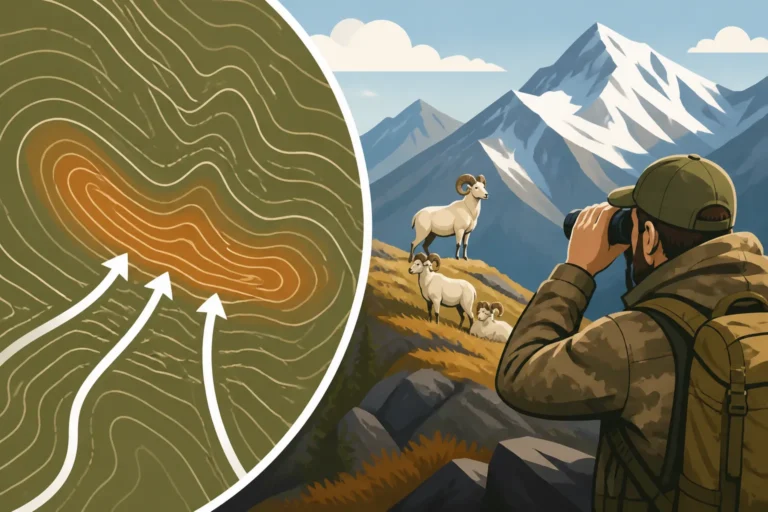
- Open Tundra/Alpine: In open country, sound travels well, but so does sight. A bull might hear your call from a great distance (over a mile sometimes), but he'll likely be more cautious because he can see what's happening. He might move in a few hundred yards and then hang up, trying to spot the source of the call before committing further. Hunters often encounter bulls that skirt around at the edge of visibility, trying to circle downwind. This requires more patience and often, more aggressive calling to pull them out of their comfort zone. This is where "Reading Sheep Country From a Glassing Knob" and other glassing techniques, though primarily for sheep, apply to spotting distant moose and planning your approach.
- Thick Willow Flats/Dense Spruce: In contrast, dense cover like thick willows or spruce forests limits visibility but offers excellent concealment. Bulls often feel more secure moving through such areas. They might not hear your call from as far away, but once they commit, they are more likely to cover significant ground quickly, often without being seen until they are very close. This is classic "Willow Flats Versus Spruce for Bull Moose" country, where patience and listening for subtle sounds like antler clicks or brush breaking become paramount.
- Swamps and Water Bodies: Moose love water, but a deep slough or a wide river can be a natural barrier. A bull might hear your call from the other side, but might be hesitant to cross if it means expending a lot of energy or exposing himself unnecessarily. However, during the peak rut, a strongly motivated bull might swim across a significant body of water to reach a perceived cow.
Hunting Pressure and Experience
Just like humans, moose learn from experience.
- Unpressured Areas: In remote areas where moose rarely encounter hunters, they tend to be far more responsive and less cautious. A bull might come charging in from a mile away, eager to investigate. These are the dream hunts you read about, where a bull commits quickly and boldly.
- Pressured Areas (Road System Hunts, Popular Fly-in Spots): In areas that see consistent hunting pressure year after year, bulls become educated. They might respond to a call, but they'll often hang up, circle downwind, or simply stop coming in at a distance, having learned that human calls often lead to danger. In these areas, getting a bull to cover more than a few hundred yards can be a significant achievement, requiring subtle calls and extreme patience. Hunters using tools like GoHunt to analyze pressure in different units might notice this trend.
Bull's Mood and Dominance
Each bull is an individual, and their personality plays a role.
- Dominant Bulls: These are the kings of the forest. They are often more aggressive and confident, and less hesitant to challenge an intruder or find a cow. A dominant bull might cover a significant distance quickly, sometimes even charging in, ready to fight. They have less to fear and more to gain.
- Submissive or Younger Bulls: These bulls are typically more cautious. They might respond to a call out of curiosity but will often hang up at a distance, unwilling to commit fully if they perceive a larger, more dominant bull (or a potential threat). They are less likely to travel far and more likely to slink away if they detect anything amiss.
Weather Conditions
Environmental factors impact sound travel and moose behavior.
- Wind: Wind is the nemesis of calling. It can carry your scent, muffle your calls, or make it difficult to hear a bull's subtle responses. Strong winds make it hard for sound to travel effectively against the wind direction, and a bull will almost always try to approach downwind of a call, making your scent a critical factor. In windy conditions, bulls might not hear calls from as far, and are less likely to come in boldly.
- Rain/Snow: Light rain or snow can actually be beneficial, as it dampens sound, making it harder for a bull to pinpoint your exact location, and also helps mask your movements. Heavy rain, however, can make moose less active and significantly reduce the range of your calls, as the noise of the precipitation itself can be deafening.
- Temperature: Extremely cold weather can make moose less active and less interested in covering ground, as they prioritize conserving energy. Mild, overcast days are often ideal for calling, as bulls are more active and comfortable.
Here's a quick summary table of these factors:
| Factor | Optimal Conditions/Behavior (Longer Distance) | Suboptimal Conditions/Behavior (Shorter Distance) |
|---|---|---|
| Season/Rut Intensity | Peak Rut (Mid-September to Early Oct) – high breeding urge | Early Rut (Aug/Early Sept) or Late Rut (Mid-Oct+) – low breeding urge, exhaustion |
| Habitat | Thick Cover (willows, spruce) – good concealment once committed | Open Tundra/Alpine – high visibility, cautious approach, hanging up |
| Hunting Pressure | Low-pressure, remote areas – bulls are less wary | High-pressure areas (road system) – bulls are educated and cautious |
| Bull's Mood | Dominant, aggressive bull – eager to challenge or breed | Submissive, young, or shy bull – hesitant, hangs up, easily spooked |
| Weather | Calm, overcast, light rain/snow – sound carries, scent managed | Strong wind, heavy rain, extreme cold – sound muffled, scent blown, low activity |
Tactics for Closing the Distance with a Grunt Tube
Knowing the factors is one thing, but applying that knowledge in the field to actually bring a bull within range is where the art and science of moose hunting truly merge.
Strategic Calling Sequences
Your calling isn't just one note; it's a symphony designed to tell a story.
- Mix it Up: Don't just stick to one type of call. Start with a series of cow moans, maybe a few inquisitive grunts, and then incorporate "How to Use a Moose Scapula for Raking" to simulate a bull working a rub. This creates a realistic scene that a bull will be more likely to investigate. Varying the intensity and length of your calls can mimic different scenarios – a lonely cow, a searching bull, or an aggressive challenge.
- Patience is Key: Sometimes the best call is no call at all. After a sequence, shut up and listen. Really listen. Bulls, especially educated ones, will often approach silently, using the terrain to their advantage. You might hear a distant grunt, the snapping of a twig, or even the subtle swish of antlers through brush. Wait at least 15-20 minutes, or even longer, before calling again if you suspect a bull is moving in. Many a hunter has called a bull to within 100 yards, only to blow the opportunity by calling too much and giving away their exact position.
- Mimic Movement: When a bull is hanging up, try to make him think the source of the sound is moving away. Call softly, then move 50-100 yards through the brush and call again. This can sometimes pique a bull's curiosity enough to make him commit and follow. This tactic requires careful planning to maintain the wind advantage and ensure you're moving to a spot with good shooting lanes. For effective "Alaska Moose Hunting Tactics for the September Rut", understanding when and how to move while calling is crucial.
Using the Terrain to Your Advantage
The land itself is a part of your strategy.
- Concealment: Always set up where you have good cover. This not only hides you from the keen eyes of an approaching bull but also creates an element of mystery for the bull. If he can't see you, he'll often have to come closer to investigate. Consider a rise, a cluster of spruce, or a thick patch of willows.
- Wind Direction: This cannot be stressed enough. A moose's nose is his primary defense. Always try to set up with the wind in your face, or quartering to you. A bull will almost always try to circle downwind to get your scent. If you anticipate this, you can set up an ambush point, or adjust your position as he tries to circle. Using tools like GoHunt to understand terrain and predict wind direction can give you a significant advantage.
- Creating Ambush Points: Look for natural funnels or pinch points where a bull is likely to travel. A narrow ridge, a gap in dense timber, or the edge of a slough can be excellent places to set up. Clear a few shooting lanes before the bull arrives, if possible and ethical, ensuring you have a clear shot when he does commit.
Being Ready for the Shot
All the calling in the world won't matter if you're not prepared when the bull finally appears.
- Always Assume a Close Encounter: A bull could pop out of the brush at any moment, at any distance. Have your rifle ready, safety on, but in a position for a quick, fluid mount. This might mean sitting with your rifle across your lap, or standing against a tree with it at the ready. For those using a bow, have your release clipped on and ready.
- Practice Quick Acquisition: Practice bringing your rifle or bow to your shoulder quickly and smoothly, acquiring the target. In the excitement of a charging bull, you might only have a few seconds for a clean shot. This ties into "Shooting Positions on Alaska Tundra and Sidehills", as you might need to adapt quickly to whatever terrain the bull appears on.
- Field Judging on the Fly: While the bull is approaching, keep track of his antlers. Alaskan regulations often have antler restrictions (e.g., 50-inch spread or four brow tines). You need to be able to quickly and accurately judge if he's a legal animal, even if your heart is pounding. Understanding "Field Judging a Legal Bull Under Alaska Antler Rules" before the hunt is critical to avoid illegal harvests.
Common Mistakes and How to Avoid Them When Calling Moose
Even experienced hunters can make mistakes when calling moose. Avoiding these pitfalls can dramatically increase your success rate.
Overcalling and Under-Calling
There’s a fine line between enticing a bull and educating him or chasing him off.
- Overcalling: Many novice hunters fall into the trap of calling too frequently or too loudly. If a bull hears constant, aggressive calling from the same spot, he might become suspicious, especially if he’s been hunted before. He might think something is off, or that the "other bull" is too dominant to confront. It can also make him pinpoint your exact location too easily, giving him the advantage. Think of it like a persistent telemarketer; eventually, you just hang up. Instead, use calling as a tool to start the conversation, and then mostly listen, letting the bull feel like he's doing the seeking.
- Under-Calling: On the flip side, not calling enough can leave a bull thinking the source of the sound has moved off or was not worth investigating. If a bull is coming in slowly, soft, periodic calls can keep him interested and heading your way. If he stops, a few soft grunts or cow moans might be enough to get him moving again. The key is to gauge his response and adjust your frequency and intensity.
Ignoring Wind and Thermals
A moose's sense of smell is incredibly acute, often cited as being better than a bear's.
- Wind Direction is Paramount: Always be acutely aware of the wind. A bull will almost always try to circle downwind of your call to get a whiff of the source. If he catches your scent, the game is usually over. Position yourself so the wind is in your face or quartering, ensuring your scent cone is blown away from where you expect the bull to approach. This might mean making a long detour to get into a favorable position, but it’s almost always worth it.
- Understanding Thermals: In mountainous or hilly terrain, thermals play a significant role. Warm air rises during the day, carrying your scent uphill. Cooler air falls at night and in the morning, carrying scent downhill. Plan your approach and calling setups to account for these natural air currents, especially during morning and evening hunts. For those planning a "Scouting a Unit From Satellite Imagery Before You Fly" trip, paying attention to elevation changes and potential thermal drains can be a game-changer.
- Scent Control: While not foolproof, practicing good scent control (clean clothes, unscented detergents, scent-eliminating sprays) can buy you precious extra seconds or minutes if a bull does get downwind, sometimes giving you just enough time for a shot before he spooks.
Underestimating Travel Time and Distance
Moose are large, but they can move remarkably quietly and patiently.
- Patience, Patience, Patience: Don't assume a bull isn't coming if you don't hear him crashing through the brush within five minutes. A mature bull might take 30 minutes, an hour, or even longer to cover a substantial distance, especially if he's being cautious. He'll stop, listen, assess, and then move again. If you call, and he grunts back, don't immediately call again. Let him come. Often, the quieter he is, the closer he might be trying to sneak in.
- Visualizing the Terrain: When you hear a distant grunt, try to visualize the terrain between you and the bull. Is it thick timber? Is there a swamp? This will help you estimate how long it might take him to reach you. If you hear him a mile away in dense willows, don't expect him in 10 minutes. If you've been doing your homework with GoHunt and have downloaded offline maps before a fly-in, you'll have a much better idea of the obstacles a bull might face. This knowledge helps manage your expectations and prevent premature repositioning or overcalling.
Not Being Ready for the Shot
The ultimate goal of calling is to get a shot opportunity, so being ready is non-negotiable.
- Anticipate the Angle: As you call, think about where the bull is most likely to appear and what kind of shot you'll have. Will he be broadside? Quartering away? Practice shooting from various positions (sitting, kneeling, standing) that mimic real-world hunting scenarios.
- Stay Alert: It sounds obvious, but the excitement of calling can make hunters lose focus. Continually scan your surroundings, not just directly in front of you. A bull might skirt around the edges, or come in from an unexpected direction. Maintaining constant vigilance means you're more likely to spot him early and prepare for the shot. Even when using a grunt tube, the hunt is never just about the call; it's about constant situational awareness, preparing your shooting lanes, and being mentally and physically ready when the monarch of the north finally steps out.
Disclaimer
Hunting in Alaska involves inherent risks, including but not limited to adverse weather, dangerous terrain, and encounters with wildlife. The information provided in this guide is for informational purposes only and should not be considered a substitute for professional guidance, thorough research, and adherence to all Alaska Department of Fish and Game regulations. Always prioritize safety, carry appropriate emergency communication devices like an InReach or satellite phone, and inform others of your hunt plan. Hunters are responsible for understanding and complying with all current hunting laws and regulations.