How Far an Alaska Bait Site Sits From a Trail
Setting up a bear bait station in Alaska can feel like navigating a minefield of regulations, and one of the most common anxieties hunters face is ensuring their site isn't too close to public access points. It’s not just about avoiding a citation; it's about respecting other users of the land and ensuring safety for everyone recreating in the vast Alaskan wild. This guide will walk you through the specifics of Alaska's baiting distance rules from trails, helping you understand the regulations and confidently set up your station.
Understanding Alaska's Baiting Regulations for Trails
When you’re preparing to set up a bear bait station, especially for black bears, the proximity to established trails is a critical component of the Alaska Department of Fish and Game (ADF&G) regulations. Ignorance of the law is no excuse, and a violation can quickly turn a hopeful hunt into a costly and frustrating experience. It’s all about balancing hunting opportunities with public safety and the experience of others enjoying the outdoors.
The Core 1/4 Mile Rule and Why It Exists
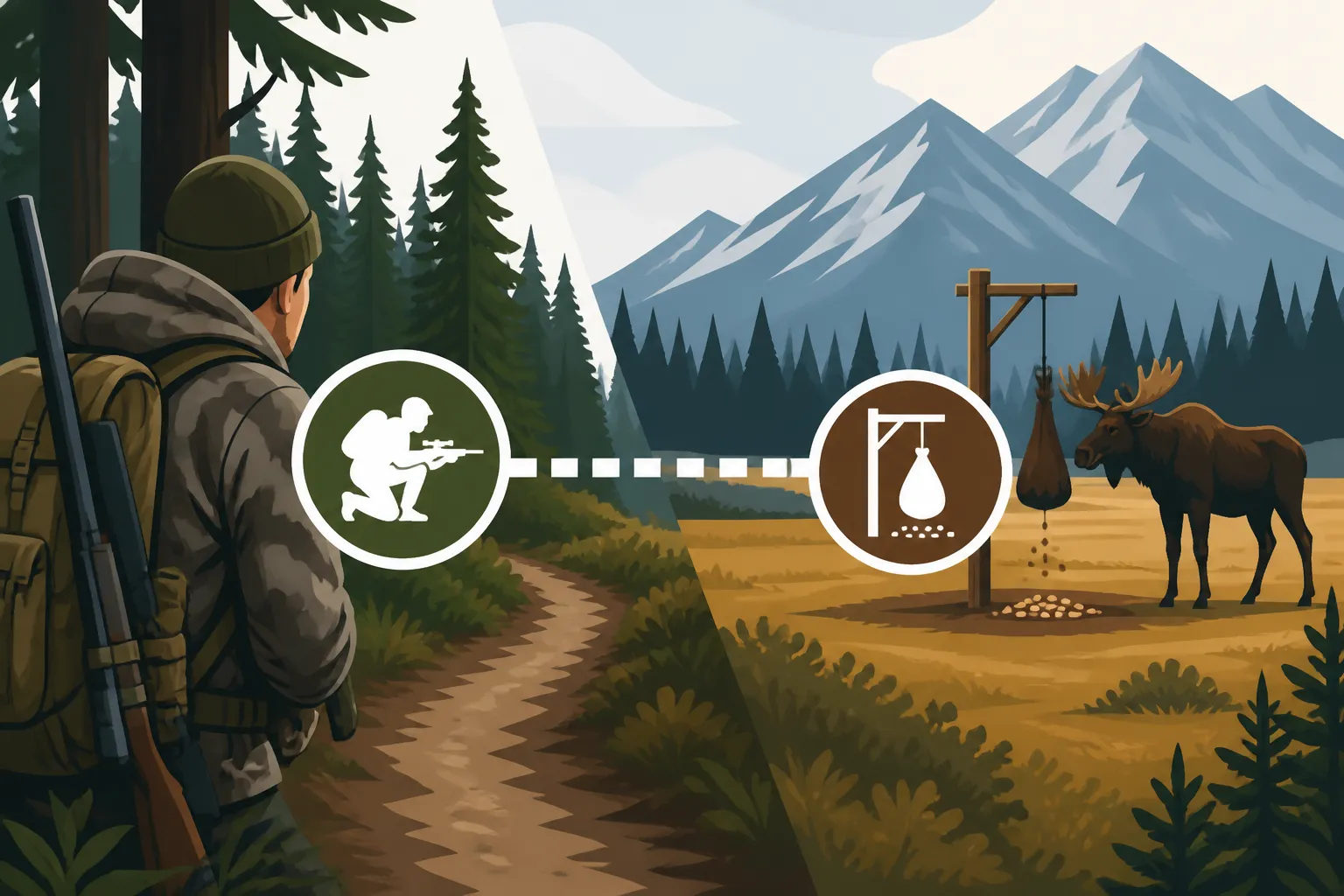
Alaska state law clearly dictates that a registered bear bait station must be located at least 1/4 mile (or 440 yards, which is roughly the length of four football fields) from any public trail, road, or dwelling. This isn't an arbitrary number; it's a carefully considered distance designed to minimize potential conflicts and ensure the safety of non-hunters. Imagine a family hiking a public trail, rounding a bend, and coming face-to-face with a bear that has been conditioned to associate that area with food. It’s a scenario no one wants, and this regulation is specifically in place to prevent such encounters.
The purpose extends beyond just human safety. It also aims to prevent the habituation of bears to human presence near common access points. Bears are incredibly intelligent and opportunistic, and if they learn that trails lead to easy food sources, it can alter their natural behavior and create dangerous situations for both bears and people. By maintaining a buffer, the regulation helps keep wild bears wild and prevents them from becoming a nuisance or, worse, a danger along well-traveled routes. This rule underscores the immense responsibility placed on every hunter utilizing bait.
Defining "Trail" in Alaska's Hunting Regulations
This is where things can get a little tricky, and it’s a point of confusion for many hunters. When the ADF&G regulations refer to a "public trail," they are generally talking about established, maintained, and often designated routes intended for human travel, such as hiking trails, ATV trails, snowmachine trails, or even historical public pathways like old mining or trapping routes that are still actively used by the public. It is crucial to understand that a mere game trail—a path worn by animals—is typically not considered a "public trail" under this regulation.
However, the definition can become nuanced, and it's always best to err on the side of caution. An old, unmaintained road or a heavily used informal ATV track that has become a de facto public access route could be interpreted as a public trail, especially if it appears on maps or is commonly known and used by the public. The key is public use and establishment, not just animal movement. Hunters must exercise due diligence to identify all potential public access routes in their chosen area, regardless of whether they are officially marked. Consulting official maps and local ADF&G offices can provide clarity.
Avoiding Accidental Violations and Due Diligence
Accidental violations of the 1/4 mile rule are often a result of insufficient scouting or a misunderstanding of what constitutes a "public trail." The onus is entirely on the hunter to know their hunting ground intimately. This means more than just a quick glance at a map; it involves physically exploring the area, ideally during the off-season, to identify any and all potential public access points. You'd be surprised what can appear as a benign track that later becomes a regularly used public passage.
Your due diligence should involve several layers of investigation. First, acquire the most detailed topographic maps available for your area – both physical maps and digital versions are invaluable. Next, utilize modern mapping applications, like those found on platforms such as GoHunt, which often have layers for public land ownership, trails, and roads. These tools allow you to measure distances precisely and mark potential bait sites while cross-referencing known public access. It's also wise to talk to other local hunters, trappers, and even land managers who might have intimate knowledge of informal public access routes in the area. Remember, prevention is always better than trying to explain an oversight to a Fish and Game Trooper.
Practical Application: Measuring and Verifying Distances in the Field
Knowing the rule is one thing; accurately applying it in the rugged and often densely vegetated Alaskan wilderness is another challenge entirely. The terrain can make visual estimation incredibly deceptive, and misjudging just a few dozen yards could lead to a violation. Therefore, employing precise measurement techniques and verifying your distances is non-negotiable for responsible bear baiting.
Using GPS and Mapping Tools
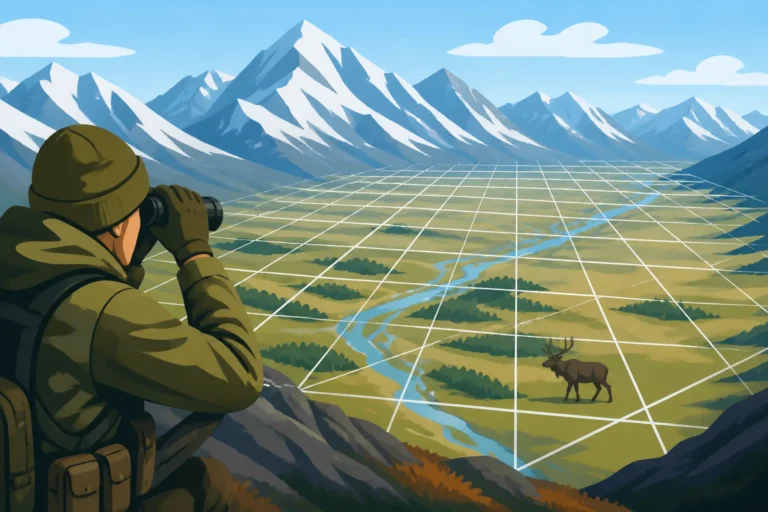
Modern technology has revolutionized how hunters can navigate and plan their hunts, and this is especially true for setting up a legal bait station. A reliable GPS unit or a smartphone with a robust mapping app is your best friend here. Before you even head into the field, you should be marking known trails and potential bait sites on your digital map. Applications often allow you to draw lines or circles of a specific radius, instantly showing you a 1/4-mile buffer zone around any identified trail. This preliminary work can save you hours of wasted effort and prevent placing a bait station in a questionable location.
Once in the field, these devices allow for real-time verification. You can drop a waypoint at your proposed bait site and then walk the shortest path to the nearest trail, measuring the exact distance. Make sure your device has up-to-date, downloaded offline maps, as cell service is often non-existent in remote Alaska. Many advanced hunting apps, including features available through a GoHunt subscription, allow you to overlay land ownership, satellite imagery, and even user-contributed trail data, giving you the most comprehensive picture possible. Remember to carry spare batteries or a power bank, as GPS usage can quickly drain your device. For more on maximizing your device's power, check out GPS Battery Life in Cold Camps.
Physical Measurement Techniques
While GPS is fantastic, it's never a bad idea to have a backup plan or a way to cross-reference your digital measurements. A laser rangefinder, commonly used for shooting, can be invaluable for measuring distances in the field. Find a clear line of sight from your bait site to the nearest point on the trail, and zap it. If you're in thick brush where a direct line of sight is impossible, you might have to take multiple shorter measurements and add them up, or use a compass and pace count along a bearing, though this is less precise.
Pace counting is another traditional method that still holds merit, especially for rough verification. Determine your average pace (how many steps it takes you to cover 100 yards) before your hunt. Then, when assessing a potential bait site, pace out 440 yards from the trail in several directions. This gives you a tangible sense of the required buffer zone, even if it's not as precise as a GPS or rangefinder. In dense Alaskan forests, however, pace counting can be challenging and prone to error due to uneven terrain and obstructions. Always prioritize the most accurate method available to you.
Scout, Scout, Scout
The single most effective way to prevent a baiting violation related to trail proximity is thorough pre-season scouting. Don't wait until the day you plan to hang your bait to assess the location. Spend time in the area weeks or even months beforehand. Walk the entire perimeter of your intended baiting zone. Look for faint tracks, old clearings, or any signs of human activity that might indicate a public access point that isn't clearly marked on a map. What looks like a simple animal path in July could become a well-used shortcut by hikers or ATV riders in August or September.
Consider the perspectives of others. If you were a hiker, where would you naturally walk through this area? Where are the easiest points of access? Are there any natural features like ridgelines or river crossings that might funnel human traffic? Think about alternate routes around obstacles. This proactive scouting allows you to not only identify potential conflicts but also to select a bait site that is both productive for hunting and unequivocally compliant with all regulations. Detailed scouting from satellite imagery can also be a game-changer before you even leave home; learn more about it in Scouting a Unit From Satellite Imagery Before You Fly.
Common Pitfalls and How to Avoid Them
Even with the best intentions and diligent effort, it's easy to fall into traps that can lead to regulatory issues with your bear bait site. Alaska's vast and often untamed landscape presents unique challenges, and hunters must be acutely aware of potential oversights that could result in violations.
Overlooking Unmarked or Less-Used Trails
This is arguably the most common pitfall for hunters trying to comply with the 1/4 mile rule. While major roads and clearly designated hiking trails are easy to identify, Alaska is crisscrossed with a network of less obvious pathways. These can include old logging roads that are now overgrown, historic trapping trails, unmaintained but still accessible fire breaks, or even well-worn informal paths created by repeated use from subsistence users or other outdoor enthusiasts. These often don't appear on standard maps but are still considered "public trails" by the letter of the law if they see regular human traffic.
To avoid this, expand your definition of a "trail" during your scouting. Look for old signage, cut brush, or any evidence of repeated human footprint. Talk to locals, including trappers and old-timers, who possess invaluable knowledge of their stomping grounds. Sometimes, even a short-cut between two known trails can become a de facto public access route. Always err on the side of caution. If there's any doubt about whether a path is considered a public trail, assume it is and place your bait site further away.
The Dynamic Nature of Public Access
Alaska is always changing, and so too can its landscapes and public access points. A remote area that was completely isolated last year might see new development, new recreational use, or even new official designations this year. Land managers might open old roads, or a new unofficial route could gain popularity. Staying informed is crucial. Regularly check the Alaska Department of Fish and Game website for any updates to regulations or emergency orders that might affect your hunting area. Local ADF&G offices are also excellent resources for current information.
Additionally, consider how weather and seasonal changes might impact access. A frozen river in winter might be a snowmachine highway, but it’s impassable in summer. While baiting primarily occurs in spring and fall, understanding year-round access patterns can give you a better idea of what might be considered a "public trail" to other users. Always approach your chosen baiting area with the understanding that access points can be fluid and you need to be prepared for changes.
Ethical Considerations Beyond the Letter of the Law
While strictly adhering to the 1/4 mile rule is a legal requirement, responsible bear baiting also involves a layer of ethical consideration that goes beyond simply avoiding a fine. Even if your bait station is technically 440 yards from a trail, is it truly out of sight and out of mind for other users? What about the scent of the bait? Wind currents can carry odors much further than a quarter-mile, potentially attracting bears closer to public access than intended.
Consider the public perception of baiting. Hunters have a responsibility to conduct themselves in a manner that reflects positively on the hunting community. If a non-hunter accidentally stumbles upon a bait site, even if it's legally placed, it can create a negative experience or concern. To mitigate this, strive to place your bait in areas that offer natural screening and are genuinely secluded. Think about minimizing visible garbage, maintaining a clean site, and removing all materials when the season ends. This proactive approach not only keeps you in compliance but also fosters good relations with the wider outdoor community. For practical tips on responsible bait site management, refer to Alaska Black Bear Bait Station Registration and Legal Bait Materials for Alaska Black Bear.
Here's a quick summary table to help you keep these critical points straight:
| Aspect | Key Regulation/Consideration | How to Verify/Implement | Why It Matters |
|---|---|---|---|
| Minimum Distance | 1/4 mile (440 yards) from public trails, roads, or dwellings | GPS apps (GoHunt), laser rangefinder, pace counting | Public safety, prevent bear habituation, avoid violations |
| Defining "Trail" | Established, maintained, or commonly used public access routes | Consult maps, ADF&G, local knowledge, physical scouting | Avoid misinterpreting game trails as public access |
| Scouting Importance | Proactive, thorough pre-season exploration of the entire area | Walk potential areas, identify faint paths, analyze terrain | Identify unmarked trails, potential conflicts, optimize site placement |
| Staying Informed | Regulations can change; access points are dynamic | Regularly check ADF&G, local news, talk to land users | Ensure ongoing compliance, adapt to new conditions |
| Ethical Placement | Beyond legal distance, consider visibility and scent dispersal | Use natural screening, choose secluded spots, clean up diligently | Positive public perception, responsible hunting, minimize conflicts |
Final Considerations for a Responsible Bait Site
Beyond the specific distance requirements from trails, remember that setting up a bait station in Alaska is a significant undertaking that demands thorough preparation, ongoing management, and a deep respect for both the regulations and the environment. You are creating an attractive nuisance for bears, and with that comes a heightened responsibility.
Bait Site Management and Maintenance
Once your bait site is established, it's not a set-it-and-forget-it operation. Regular visits are necessary not only to replenish bait but also to monitor activity, check for any new, unofficial trails that might be forming due to other users, and ensure the site remains clean. Never leave trash or non-bait materials scattered around. A well-managed bait site minimizes its impact on the surrounding area and ensures that you can safely hunt it throughout the season. Proper care also includes setting up a bear fence and knowing your safety protocols, especially when alone at the site. For more on this, consider reading Bear Fence Setup at a Meat Cache and Working a Kill Site in Grizzly Country.
Reporting and Salvage Requirements
Should you be successful at your bait site, remember that Alaska has strict reporting and salvage requirements for harvested animals, including bears. Familiarize yourself with these rules before you hunt. Knowing how to properly cape and skull a bear, and understanding what constitutes salvageable meat, is part of your commitment as a responsible hunter. Proper Cape and Skull Care for a Brown Bear Hide and Alaska Sealing Requirements for Bear and Wolf Hides are vital after a successful harvest.
Being a Good Steward of Alaska's Wilds
Ultimately, adhering to the 1/4 mile rule and all other baiting regulations is about being a good steward of Alaska's incredible wild places. It's about ensuring that hunting opportunities remain viable for future generations, and that all users of the land can enjoy it safely and respectfully. By taking the time to understand, measure, and meticulously manage your bait site, you're not just following the law; you're upholding the values of ethical hunting.
Disclaimer
Please remember that hunting regulations, including those related to baiting, can change. Always consult the most current Alaska Department of Fish and Game regulations or contact your local ADF&G office before engaging in any hunting activities. This guide is for informational purposes only and should not be considered legal advice.