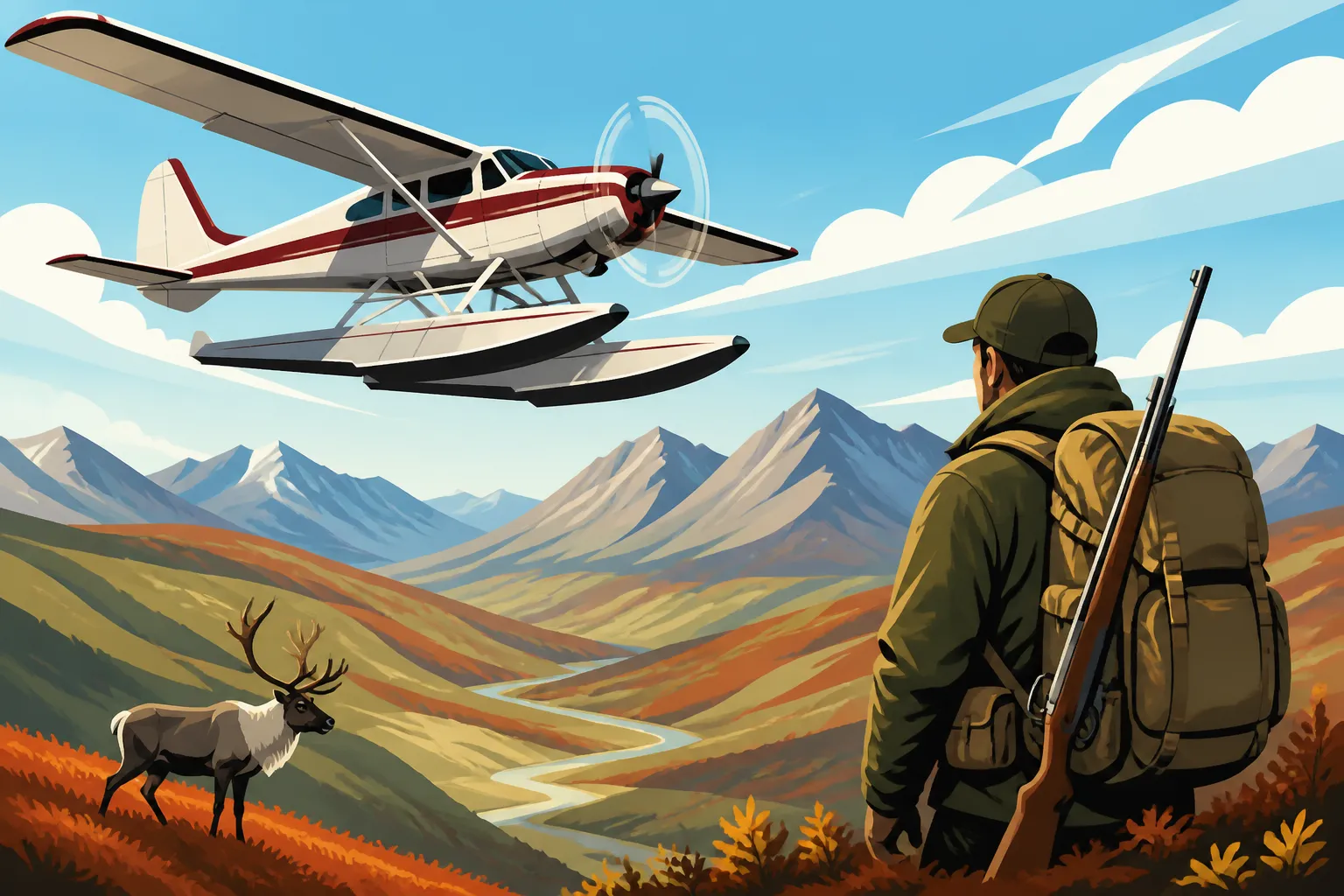
Alphabet Hills Access by Aircraft
The Alphabet Hills region, nestled within Alaska's vast wilderness, represents a true hunter's dream – wide-open country, incredible wildlife potential, and a profound sense of isolation. However, the very remoteness that makes it so appealing also makes accessing it a significant logistical hurdle, especially when relying on aircraft. Many aspiring hunters find themselves staring at maps, wondering how on earth they’ll get themselves, their gear, and hopefully their harvest, into and out of such an untamed landscape. This comprehensive guide is designed to demystify the process of accessing the Alphabet Hills by aircraft, offering practical insights and detailed considerations to help you plan your remote hunting adventure.
Understanding the Alphabet Hills Terrain and Game Potential
Before you even start looking at air taxis, you need a deep understanding of what you're flying into. The Alphabet Hills are not a single, uniform landscape; they are a mosaic of challenging terrain features that demand respect and thorough preparation. Knowing the lay of the land, and what game lives there, is the foundation of any successful hunt here.
The Landscape: What to Expect from the Top Down
Imagine soaring over a vast expanse of rolling tundra, punctuated by deep river drainages, willow-choked creek beds, and countless small lakes. That's the Alphabet Hills. The terrain is generally softer and more forgiving than true mountain hunts like for sheep, but it's far from flat. You'll encounter gradual slopes that turn into surprising climbs, wet tussocks that drain your energy, and meandering rivers that can swell with rain. Elevation changes aren't dramatic like the Alaska Range, but they are constant, and navigating them with a heavy pack, especially after a successful kill, can be grueling.
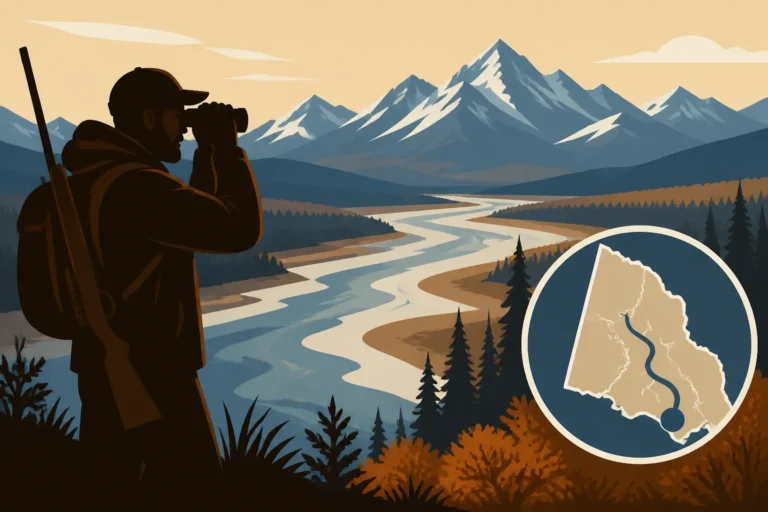
The sheer scale of the landscape is what often catches hunters off guard. What looks like a short hike on a satellite map can turn into an all-day slog across spongy ground, navigating hidden ponds and dense willow thickets. This region is a land of extremes – beautiful and open one moment, then a maze of dense cover the next. Tools like onX Hunt become invaluable here, allowing you to meticulously study satellite imagery, topo maps, and even identify potential game trails or travel corridors from the comfort of your home, long before your boots touch the ground.
Primary Game Species and Seasons
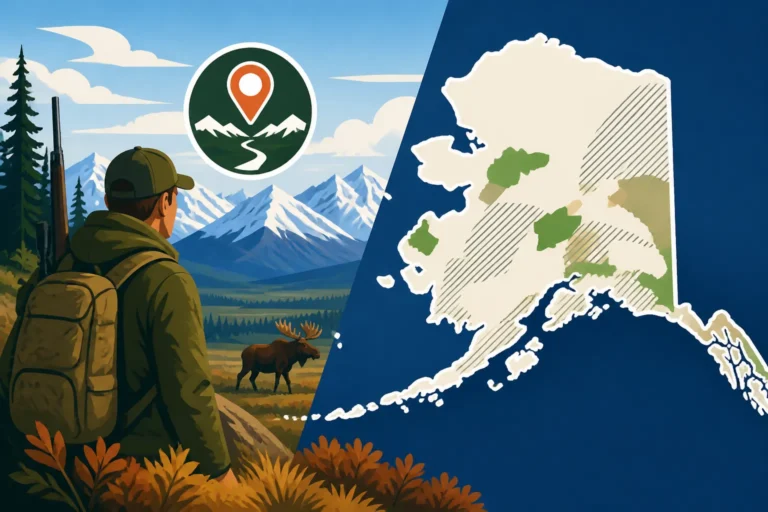
The Alphabet Hills, largely falling within Game Management Unit 13A, is renowned primarily for its caribou and moose. These species thrive in the diverse habitat offered by the region, from the open tundra where caribou graze to the willow bottoms favored by moose.
Caribou, particularly the Nelchina Herd, often migrate through or winter in parts of the Alphabet Hills, offering incredible opportunities. Understanding their migration patterns and the specific herd movements in a given year is paramount. Moose, while perhaps not as numerous as in some other parts of Alaska, are present and can grow to impressive sizes, especially in the riparian zones and burn scars. Additionally, black bears and the occasional grizzly are also inhabitants of this country, adding another layer of excitement and caution to your hunt. It’s crucial to know the specific season dates and bag limits for these species in Unit 13A, as they can vary. A good starting point for this research is often government wildlife department websites, or even resources like GoHunt, which can aggregate season information, though always verify with the official Alaska Department of Fish and Game regulations.
Choosing Your Airborne Approach
The primary way into the Alphabet Hills for most hunters is by air, but "by air" isn't a one-size-fits-all solution. Depending on the specific location you're targeting, the type of aircraft access available will dictate much of your planning. This decision hinges on the presence of suitable landing zones, which in the remote interior, often means water or natural gravel strips.
Float Planes: Rivers and Lakes as Runways
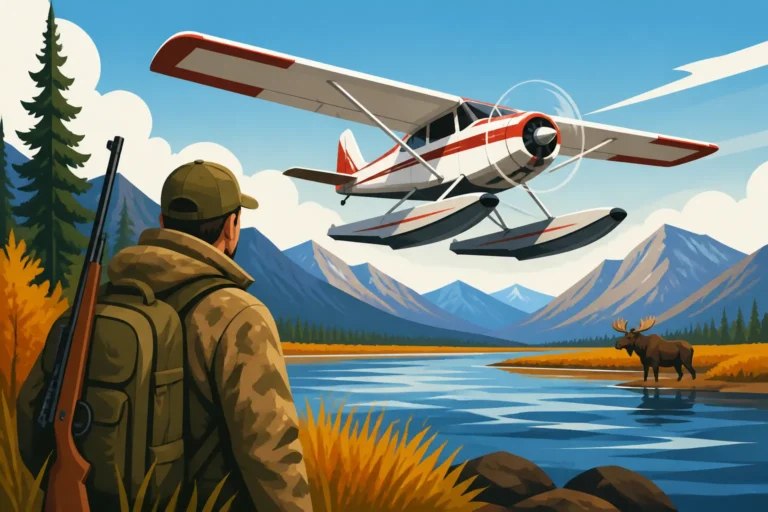
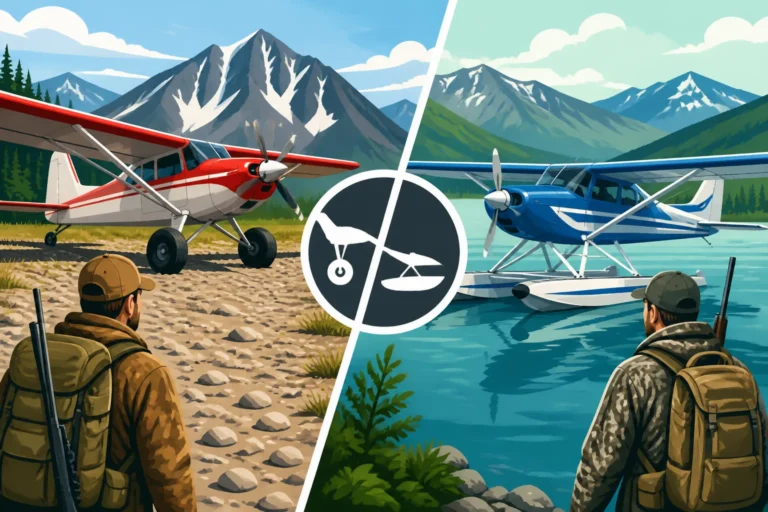
Float planes, those iconic aircraft with pontoons instead of wheels, are an excellent option if your chosen hunting area in the Alphabet Hills has accessible lakes or sufficiently deep, calm stretches of river. Imagine landing on a pristine, mirrored lake with the surrounding tundra stretching out before you – it's an unforgettable experience.
The main advantage of float planes is their ability to access areas that are otherwise unreachable by wheel planes, opening up vast tracts of country. If your target species, like moose, tends to frequent river drainages or lake edges, a float plane might put you right in their wheelhouse. However, there are crucial considerations. Water levels can be unpredictable; a river that was navigable in August might be too low or too fast in September. Lakes can be wind-bound, meaning your pick-up might be delayed for days if the pilot can't safely land or take off. Float planes also tend to have slightly lower weight capacities than comparable wheel planes. Always discuss water conditions and potential weather delays with your air taxi pilot. Planning Building Extra Days Into a Fly-In Schedule is non-negotiable when relying on float planes. For more general advice, consider reading Float Plane Lakes in Interior Alaska.
Wheel Planes: Gravel Bars and Primitive Strips
For areas without suitable lakes, wheel planes are your ticket. These aircraft, often rugged bush planes like Super Cubs, Cessna 185s, or Maule M-7s, are designed to land on short, unimproved strips – think gravel bars, dry creek beds, or even carefully selected tundra patches.
The flexibility of wheel planes is a huge benefit; they can often get you closer to specific ridges, basins, or caribou migration routes. Many pilots have scouted and maintained a network of informal gravel strips or tundra landings across the Alphabet Hills specifically for hunters. These strips are often short, rough, and require an experienced bush pilot to navigate safely. When considering a wheel plane, you'll need to discuss the condition and length of potential landing strips with your air taxi. Be prepared for a bumpy landing and takeoff! The aircraft type, such as a Super Cub, will directly impact your Weight Limits on a Super Cub Drop, which is a critical factor in how much gear you can bring. It's not uncommon to need Splitting Gear Across Two Air Taxi Loads if your party is substantial or you have a lot of bulky equipment. For a deeper dive into this type of access, check out Gravel Bar Landings for Wheel Planes in Alaska.
Working with an Alaska Air Taxi
Your air taxi pilot isn't just a transporter; they are your lifeline to and from the remote Alaskan wilderness. Building a strong, transparent relationship with them is paramount to a safe and successful trip into the Alphabet Hills. Don't view them as just a service provider; they are a vital part of your expedition team.
Vetting a Reputable Air Transporter
Choosing the right air taxi is perhaps the most critical decision after selecting your hunting area. You're entrusting them with your safety and the success of your hunt. Start by asking for recommendations from trusted sources, online forums, and other hunters. Don't just pick the first one you find.
When you contact potential air taxis, inquire about their experience specifically in the Alphabet Hills area or similar terrain. Ask about their fleet, maintenance schedules, and emergency protocols. A reputable air taxi will be transparent about their safety record and willingly provide references. Pay attention to how they communicate – clear, direct, and knowledgeable answers are good signs. Remember, they are professionals who deal with the unpredictable nature of bush Alaska every day. They know the weather, the terrain, and what works and what doesn't. For a more detailed look at this relationship, read Fly-In Hunting: Working With an Alaska Transporter Pilot.
Essential Communication and Logistics
Once you've chosen an air taxi, communication becomes your best friend. Be crystal clear about your intended drop-off and pick-up locations, your party size, and your estimated gear weight. Provide them with a detailed itinerary, including your desired hunt dates and any flexibility you might have. Your pilot needs to know exactly what you're trying to achieve so they can advise on feasibility and safety.
Weight limits are a big deal on bush flights, and pilots are strict for a reason: safety. Be honest about your gear and expect to pay for every pound. Don't try to sneak extra weight in; it puts everyone at risk. Discuss how they handle check-ins once you're on the ground, whether it's daily satellite phone calls or scheduled satellite device messages. Most air taxis will have a protocol for this. Be prepared for weather delays – they are a fact of life in Alaska. Your pilot might not be able to fly on your scheduled pick-up day due to fog, high winds, or heavy rain. This is where planning for extra days, both on the front and back end of your trip, truly pays off. Ensure you understand their policies on late pickups, additional flight costs, and how they handle meat hauling if you're successful.
Planning for the Unexpected in Remote Access
Hunting in the Alphabet Hills by aircraft isn't just about getting there and back; it's about being prepared for everything that can happen in between. The "unexpected" isn't a possibility, it's a certainty, and your preparation will determine how you adapt and overcome.
Weather Delays and Contingency Planning
Alaska's weather is famously fickle, especially in the interior. A beautiful, clear morning can turn into a whiteout blizzard or torrential rain in a matter of hours. This is particularly true in the transition seasons of late summer and early fall, when many big game hunts occur. You must plan for weather delays. This means packing extra food, fuel, and supplies for at least an additional 3-5 days beyond your planned hunt duration. It’s not just about comfort; it’s about survival.
Imagine your pick-up day arrives, and a thick fog rolls in, grounding all aircraft. If you haven't packed those extra emergency rations, you could be in a tough spot. Have a backup plan for communication if your primary satellite phone fails. This could involve an additional device like a satellite messenger. Discuss with your air taxi how they communicate delays and what your protocol should be if you haven't heard from them by a certain time. This contingency planning, including Building Extra Days Into a Fly-In Schedule, is a cornerstone of safe, remote Alaskan hunting.
Navigation and Safety on the Ground
Once you're on the ground, you are truly on your own. Reliable navigation is non-negotiable. While your air taxi will drop you off, the responsibility to navigate the vast, featureless terrain of the Alphabet Hills falls squarely on you. A robust GPS unit with pre-loaded maps, coupled with a physical map and compass, is essential. Before your trip, download offline maps to your GPS and satellite devices. Tools like onX Hunt are fantastic for this, allowing you to create waypoints for your camp, potential game locations, and even your aircraft drop-off point. Being able to Downloading Offline Maps Before a Fly-In means you're never reliant on spotty cell service, which won't exist out here anyway.
Beyond navigation, bear safety is paramount. The Alphabet Hills is home to both black bears and grizzlies. You need to be diligent about food storage, maintain a clean camp, and carry appropriate bear deterrents – whether that's bear spray, a firearm, or both. Be especially vigilant at a kill site. If you're successful in harvesting an animal, proper meat care and Bear Safety While Butchering a Kill in Alaska becomes a critical task. Additionally, having a robust Signal Devices and Check-In Plans for Solo Alaska Hunts is vital, even if you’re not hunting alone, as it ensures someone knows your general whereabouts and can initiate a search if needed. Understanding Reading Contour Lines for Sheep Benches (or caribou and moose benches in this case) will help you move efficiently through the varied terrain.
| Consideration | Float Plane Access | Wheel Plane Access |
|---|---|---|
| Landing Zone | Lakes or calm, deep river stretches | Gravel bars, dry river beds, tundra strips |
| Terrain Suitability | Best for water-rich areas, river systems, lake country | More versatile for higher, drier, or specific land features |
| Weight Capacity | Generally slightly lower capacity due to pontoons | Often higher capacity with bush plane configurations |
| Weather Sensitivity | Highly affected by wind (on lakes) and fog | Highly affected by fog, rain, and strip conditions |
| Flexibility | Limited to water bodies | Can land in more varied, unimproved locations |
| Landing Experience | Typically smoother water landings | Often rougher landings on unimproved ground |
| Cost | Varies by aircraft size and flight time | Varies by aircraft size and flight time |
Disclaimer
This article is for general informational purposes only and does not constitute professional advice. Laws, prices and regulations vary by location and change over time. Consult a qualified professional for guidance on your specific situation.